Food and Architecture are closely interlinked, as both are cultural expressions shaped by human experiences. Long before the first bite is taken, the space, people, and anticipation that surround it are the very first moments of each meal. From hearth-centered kitchens to communal dining to modern farm-to-table spaces, architectural spaces reflect how meals are prepared, shared, and enjoyed. Spatial elements like layout, lights, and material can evoke memories of how ambient designs can turn a simple meal into a sensory narrative. These intersections illustrate how spatial context around the food can evolve into rich cultural memories that honor belonging, identity, and community.
The Cultural Perspective
Food is an integral part of cultural memory, identity, and social behavior. Various culinary traditions unfold against architectural spatial backdrops. Cultural narratives of community, hierarchy, and identity are conveyed through how kitchen spaces are designed, and meals are shared. Architecture not only supports the food preparation aspect but also is associated with the rituals, emotions, and values as seen in traditional kitchens and community eating areas.
Traditional kitchens-
- Indian courtyard kitchen –
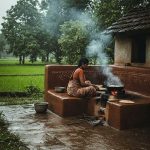
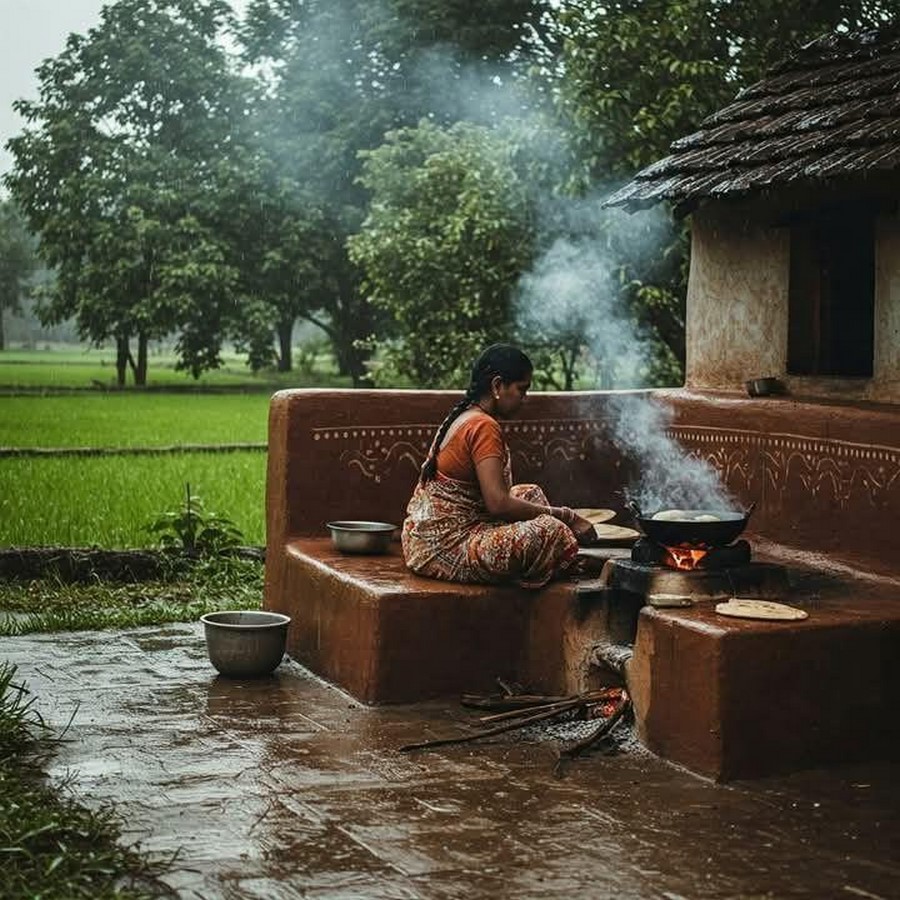
The kitchens in vernacular Indian houses were often located adjacent to or within the courtyards or angans. This design layout not only ensured ventilation for the smoky stoves but also integrated women’s domestic roles in the household.
Here, the courtyard developed into a multifunctional zone where, along with social interaction, food preparations and drying spices blended seamlessly. The cultural significance of eating as both a meal and a social interaction was reflected in this spatial layout.
2. Japanese kamado kitchen-
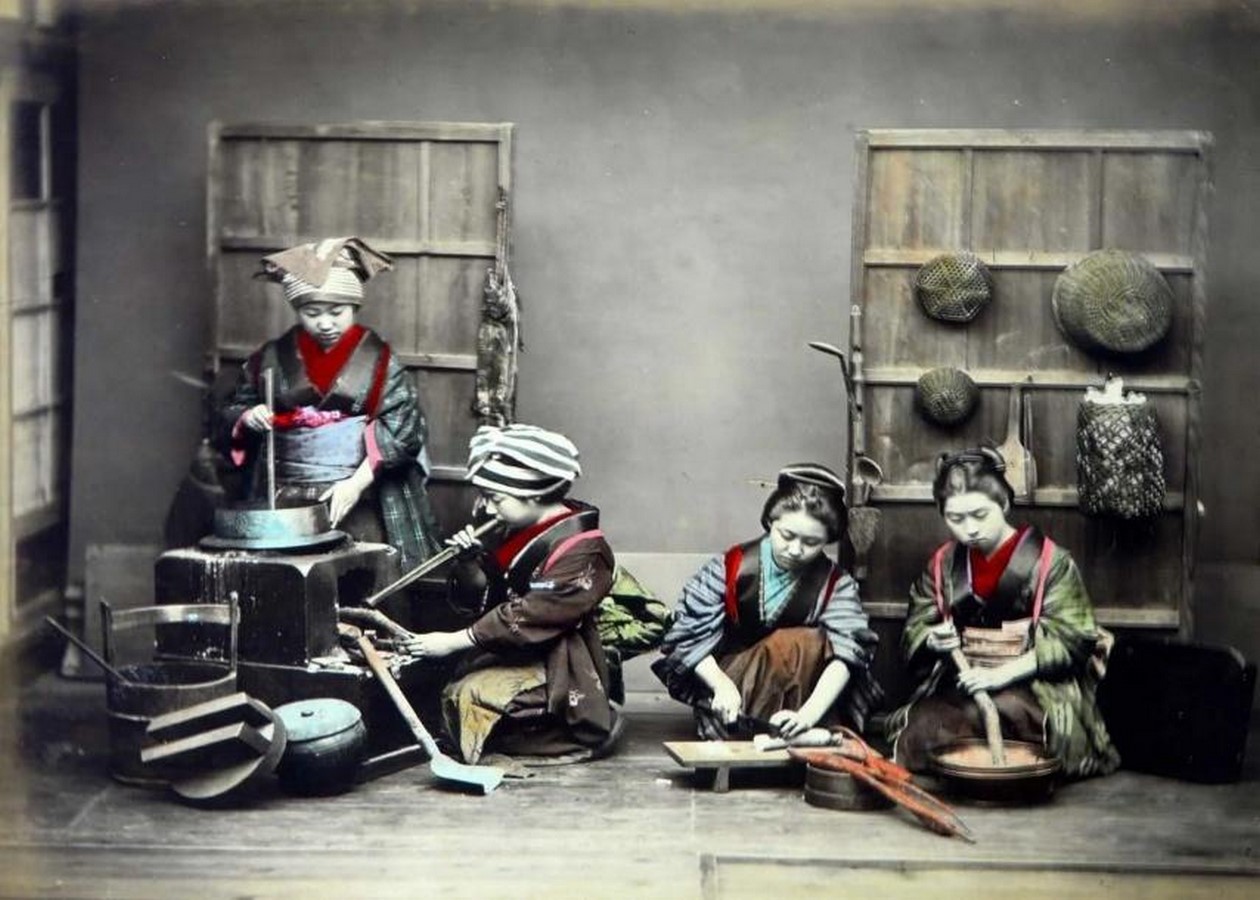
The kamado, a clay or metal stove, was central to cooking in traditional Japanese homes. This layout emphasized efficiency and ritual through the hearth’s location in a small but carefully organized space.
This placement of the Kamado reflected the hierarchy of the house, where only the women can access it. Here, architecture influenced cultural symbolism and respected privacy while incorporating ritualized order in daily life.
Communal eating spaces –
- South Indian temple dining halls [ annadana mandapam ] –
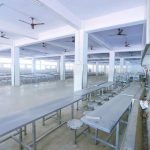
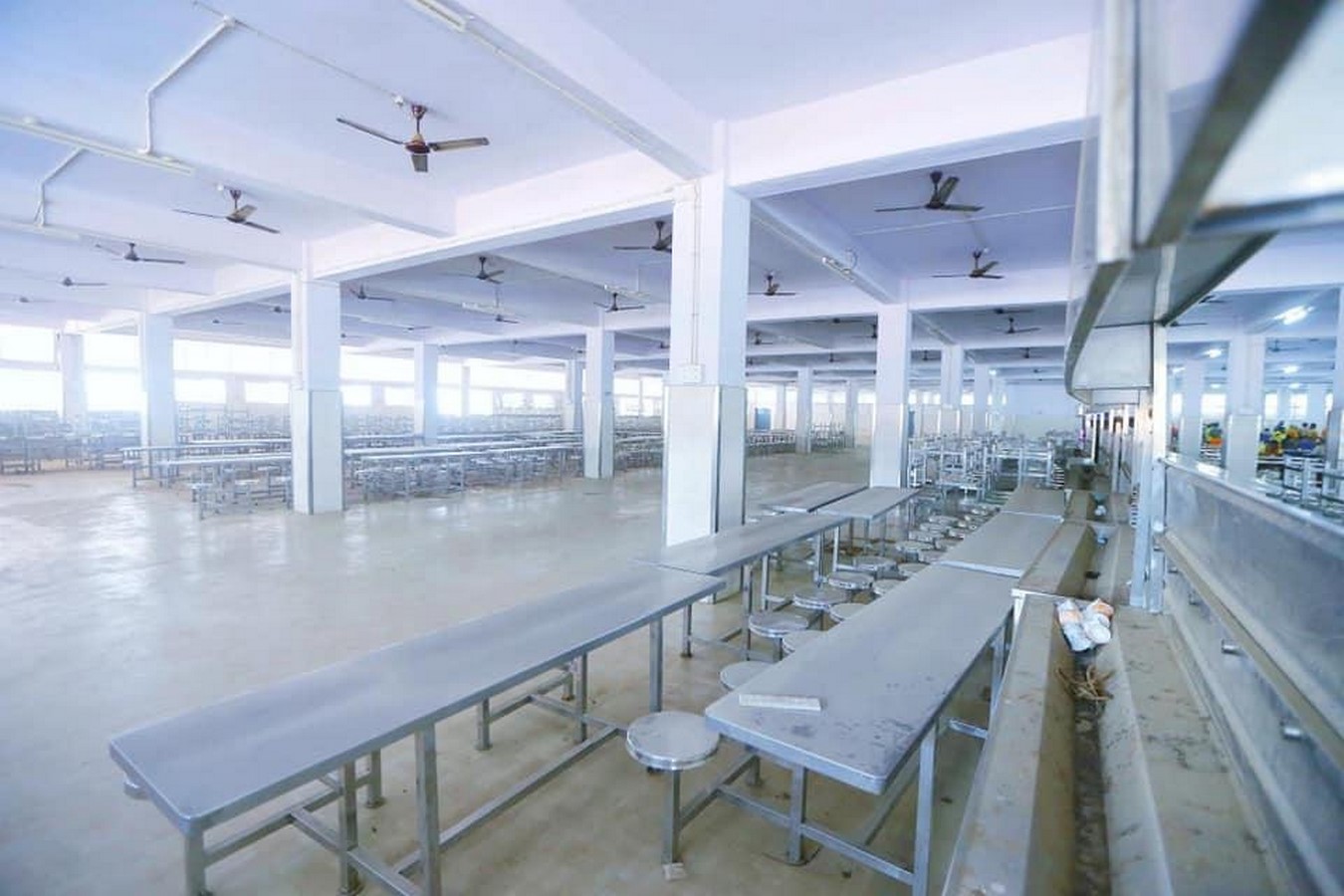
Temple complexes in South India often included annadana mandapam, such as the one in Sannidham, with the aim of providing food to all the pilgrims arriving at Sabarimala. It is one of the largest dining halls in Asia.
This is a vast dining hall where around 5000 people can be fed daily as an act of charity at a time. The architecture here emphasizes inclusivity rather than luxury, respecting the cultural value of food as a medium of devotion and service.
2. Medieval European banquet hall –
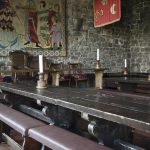
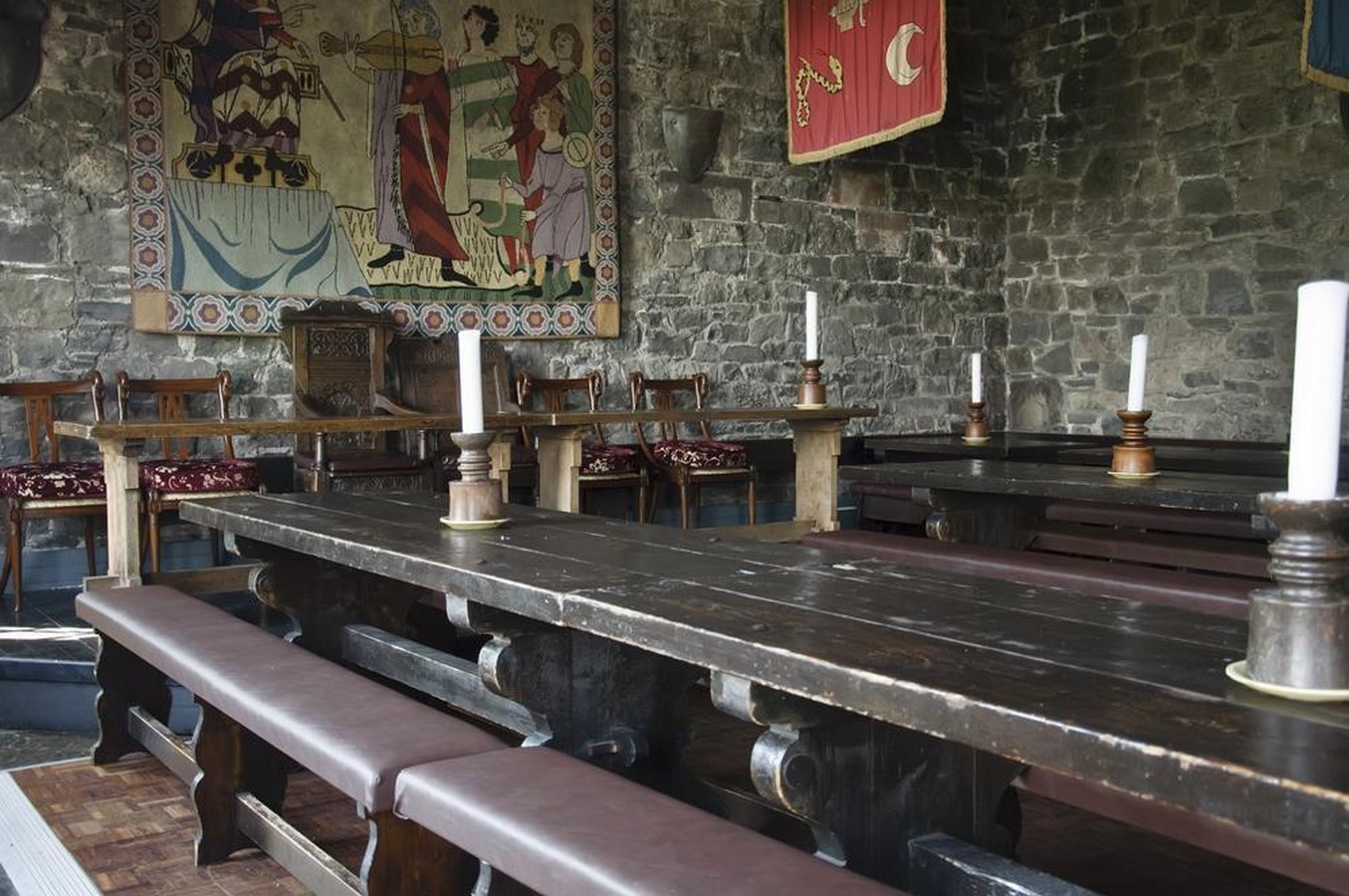
In contrast, rather than focusing on simplicity, medieval castles and estates in 12th-century Europe emphasized grandeur through their banquet halls. High ceilings, elongated wooden tables, a grand fireplace, and elaborate tapestries are the typical features of these halls that create a sense of power and authority. The meals here reinforced social hierarchies where guests occupied lower chairs and the elite dined on elevated platforms.
The Spatial Perspective
While culture provides the backdrop for the meal, architecture is the platform on which experience is unfolded. Today, the design of culinary spaces is designed beyond functionality; they influence how the food is viewed, how the diners connect, and how stories are conveyed.
The atmosphere, mood, and the meal’s meaning are all transmitted through every spatial ambience, from the kitchen’s transparency to the texture of the dining table. Emerging typologies such as farm-to-table restaurants, market-to-plate halls, and experimental dining halls are striking examples of contemporary food places.
- Farm-to-table: Haoma, Bangkok
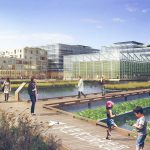
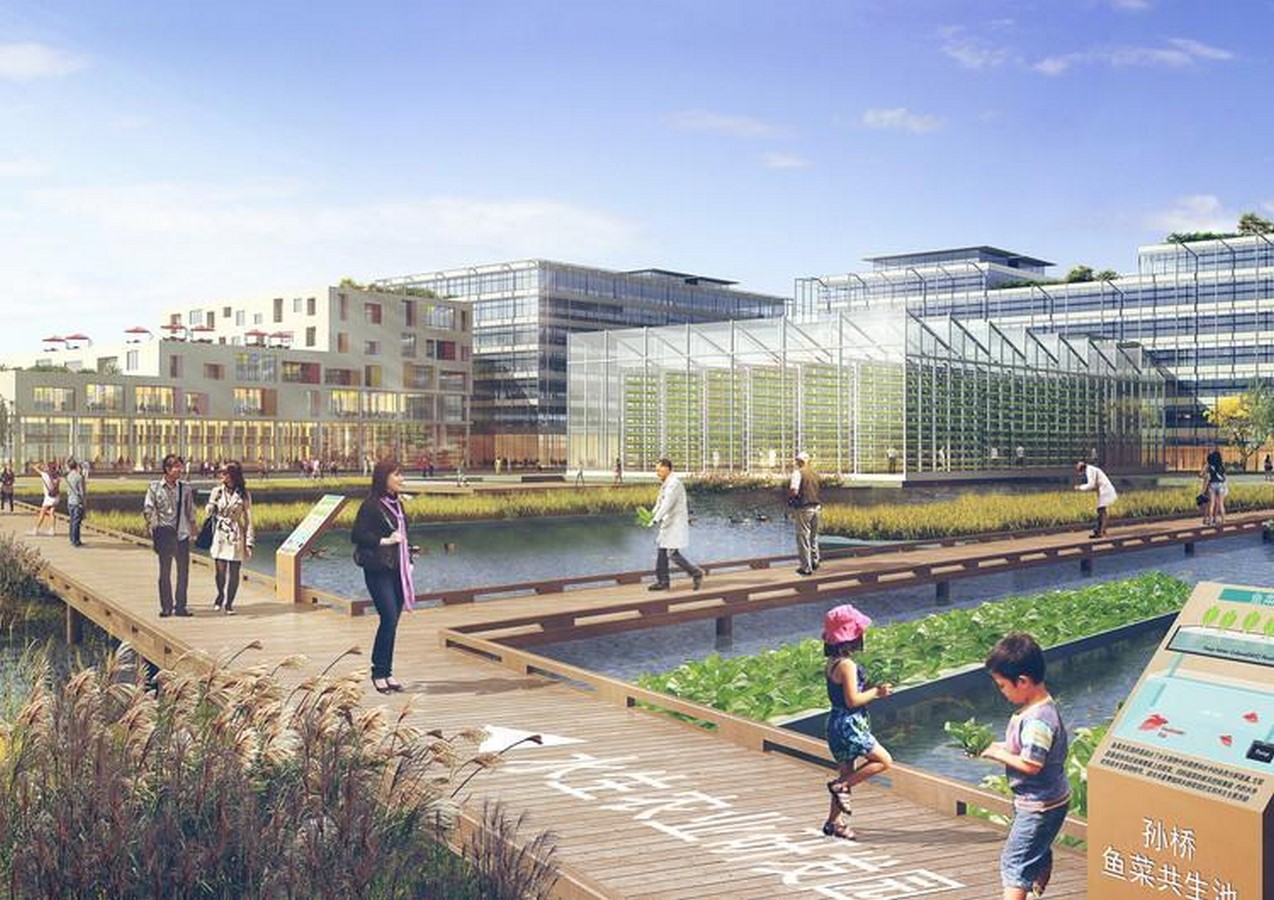
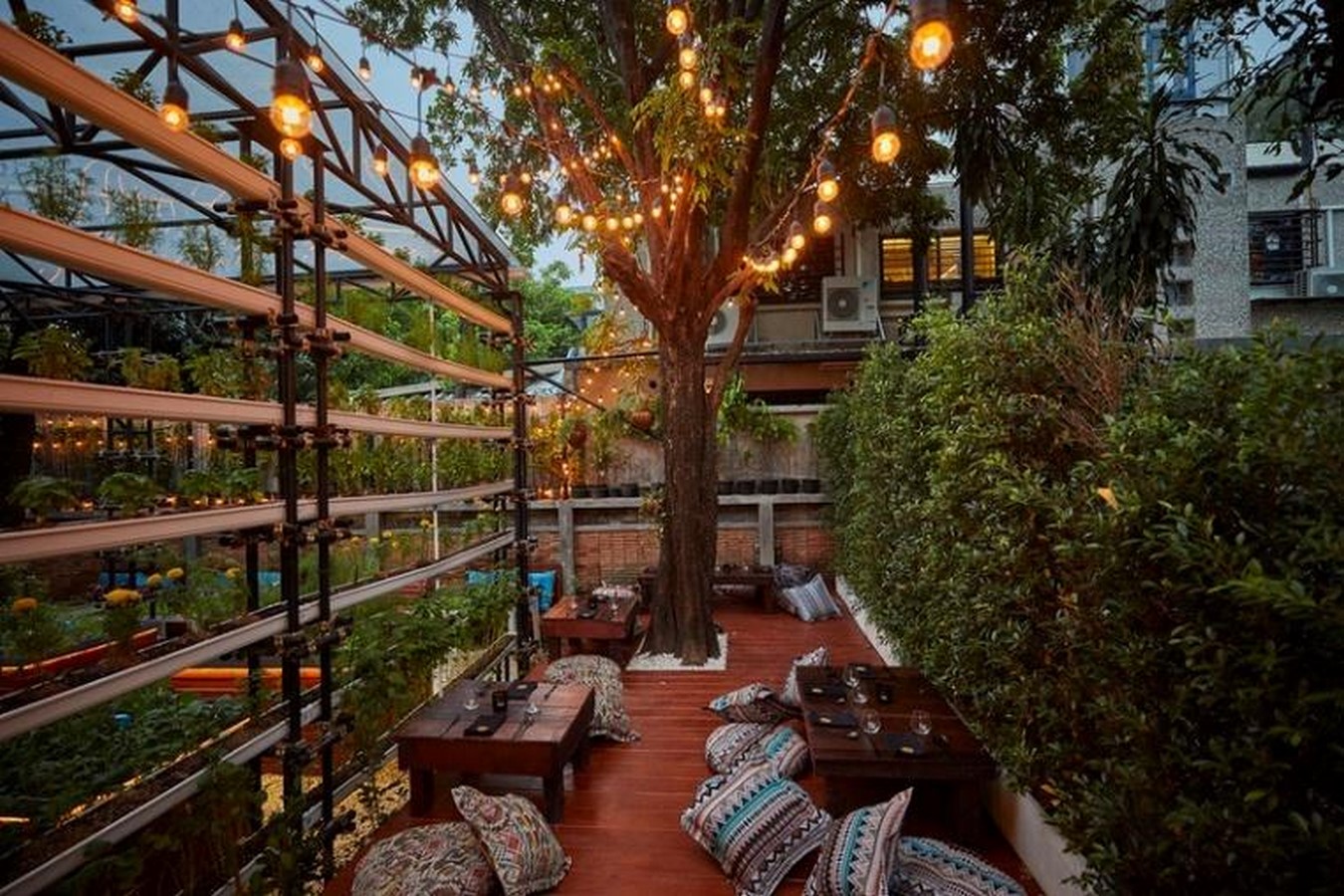
By introducing sustainability directly into the operations and restaurant’s architecture, Haoma in Bangkok is shaping the farm-to-table concept. Designed as an urban oasis, the restaurant includes vertical gardens, rainwater harvesting, and aquaponic farming systems in its small urban site.
The spatial boundaries are being blurred between production and consumption, as the diners can see and experience their origin of food in real time. In addition to simply serving the food, Haoma’s design functions as a living ecosystem, reflecting the restaurant’s ‘grow to give back’ philosophy.
2. Market-to-Plate: Time Out Market, Lisbon
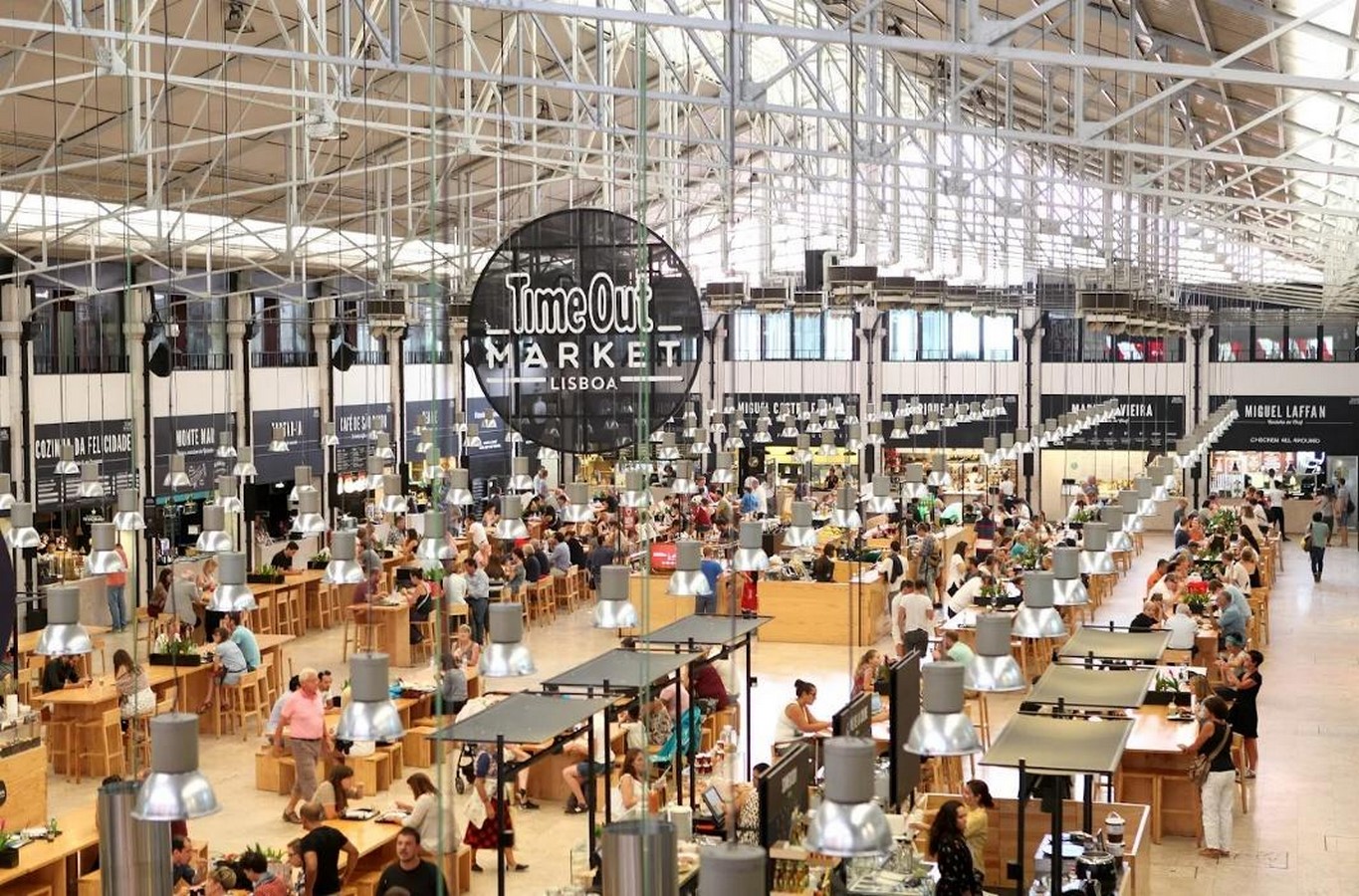
The time-out market in Lisbon reimagines food markets as vibrant social spaces. Through the concept of adaptive reuse, located in the historic Mercado de Ribeira, the project utilizes various local food vendors under one roof.
The structure retains the industrial iron structure and high ceilings while incorporating communal seating spaces at the center. This spatial openness encourages exploration and social interactions. In contrast to the conventional restaurants, this architectural design promotes food experience by allowing the visitors to choose from a variety of vendors, translating eating into social and cultural experiences.
3. Experimental Culinary: The Cube by Electrolux, London
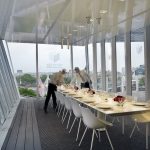
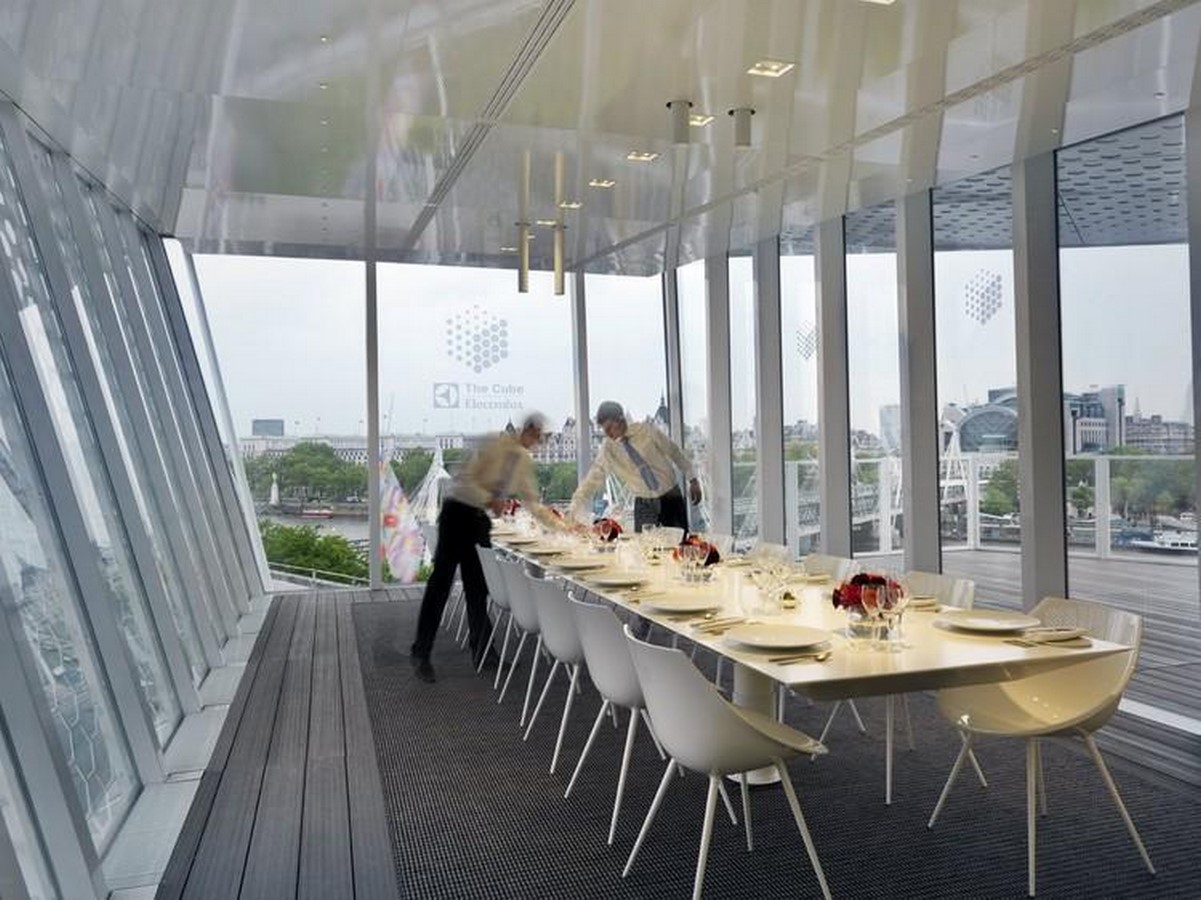
The cube is a transient pop-up restaurant located atop famous structures such as Brussels’ Parc du Cinquantenaire and London’s Royal Festival Hall. With its sleek, prefabricated pavilion with glass wall facade and cantilevered decks, which offer panoramic views, the setting itself becomes a part of the dining experience.
Open kitchens break down barriers between preparation and consumption, allowing cooks to interact directly with the diners. This space demonstrates how experimental cuisine can turn food into art by focusing on performance rather than on everyday meals.
Food and architecture as shared dialogue
Beyond their practical applications, food and architecture are closely interlinked to create experiences that appeal to memory, culture, and senses. From ancient kitchens to modern dining halls, architecture transforms food into cultural narratives by incorporating materials, light, and ambience. Architecture is no longer a static background in this dialogue; it interacts with the diners to create cultural experiences that establish a connection between people, space, and identity.
Citations:
Adolfo Farsari. (1886). Painted Photograph of Japanese Kitchen. Retrieved from https://japanobjects.com/features/japanese-kitchen
Arch Daily. (2012, July 7). The Cube in London / Park Associati. Retrieved from Arch Daily: https://www.archdaily.com/250354/the-cube-park-associati-2
Bommakanti, V. (2025, June 6). Retrieved from Instagram: https://www.instagram.com/p/DKio5v5SsVU/
Chalcraft, E. (2012, June 23). The Cube by Electrolux. Retrieved from Dezeen: https://www.dezeen.com/2012/06/23/the-cube-by-electrolux/
Ghisleni, C. (2023, April 1). From Farm to Fork: How Architecture Can Contribute to Fresher Food Supply. Retrieved from Arch Daily: https://www.archdaily.com/957802/from-farm-to-fork-how-architecture-can-contribute-to-fresher-food-supply
Johar, N. (2019, July 25). Exploring Haoma, Bangkok’s First Urban Farm-To-Table Restaurant. Retrieved from Desing Pataki India: https://www.designpataki.com/exploring-haoma-bangkoks-first-urban-farm-table-restaurant/
Medieval-Receipes. (2010). Retrieved from Dark Sea Web: https://www.medieval-recipes.com/banquets/hall/
Paredes, I. (2024, 04 30). How Haoma in Bangkok lives its philosophy of ‘grow to give back’. Retrieved from The World’s 50 Best: https://www.theworlds50best.com/stories/News/haoma-bangkok-sustainable-restaurant-award.html
Resists, K. (2021, January 16). Pictures of the Annadana Mandapam completed at Sannidhanam. Retrieved from Facebook : https://www.facebook.com/keralaresist/posts/pictures-of-the-annadana-mandapam-completed-at-sannidhanam-with-the-aim-of-provi/2780683712147922/
Rose, T. (1999). Medieval Banquets. Retrieved from About Britain: https://www.aboutbritain.com/articles/medieval-banquets.asp
Simpson, O. (2024, november 29). Time Out Market Lisboa. Retrieved from Who we are at Time Out Market Lisboa: https://www.timeout.com/time-out-market-lisboa/concept
Time Out Market Lisboa. (2014, February). Retrieved from Google Maps: https://www.google.com/maps/contrib/109479115612103763554/photos/@38.7070608,-9.1456691,3a,75y,90t/data=!3m7!1e2!3m5!1sAF1QipP2rGFdbyQSyfZV-STo-7tWaDn8qizlZCrpB501!2e10!6shttps:%2F%2Flh3.googleusercontent.com%2Fp%2FAF1QipP2rGFdbyQSyfZV-STo-7tWaDn8qizlZCrp