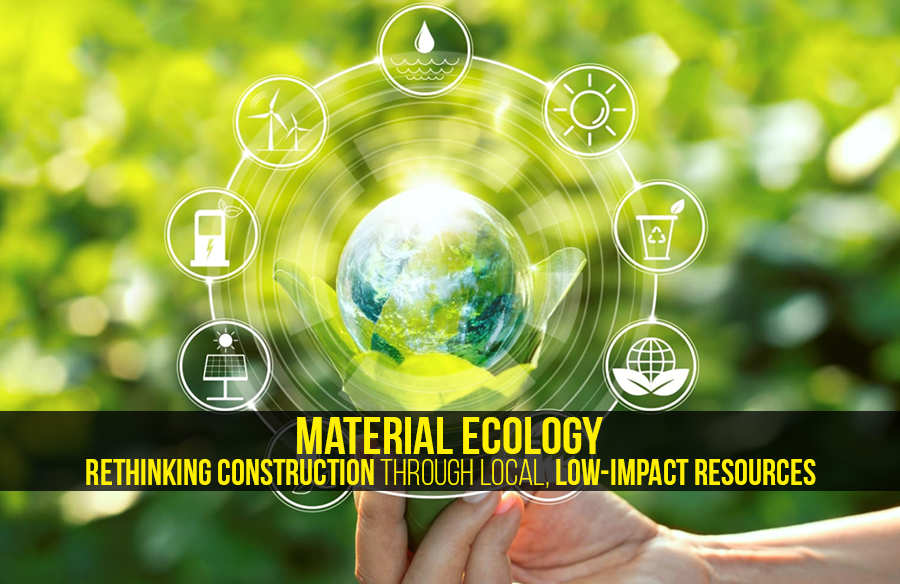
Materials play a fundamental role in the architecture and construction industry. They are like the skeleton to designs, making them feasible. But what if the materials we use start supporting our ecosystems? Material Ecology is an approach that reconsiders the process of material selection and execution based on their cultural, environmental, and life cycle impacts. It makes people think about their choices in material selection and implementation in their designs. This concept has gained relevance in recent years when people started becoming more sensitive towards the environment. The construction industry itself contributes to climate change, large-scale resource depletion, and carbon emissions in the environment. High-carbon modern materials like cement and steel, which dominate the industry now, consume a lot of energy during the extraction and processing phases, leaving a high carbon footprint. On the contrary, regenerative materials are the materials that leave zero or negative impact, contributing towards the health and well-being of the environment. These materials are either biodegradable or recyclable multiple times in their life, aligning with the principle of the circular economy.
Understanding Material Ecology
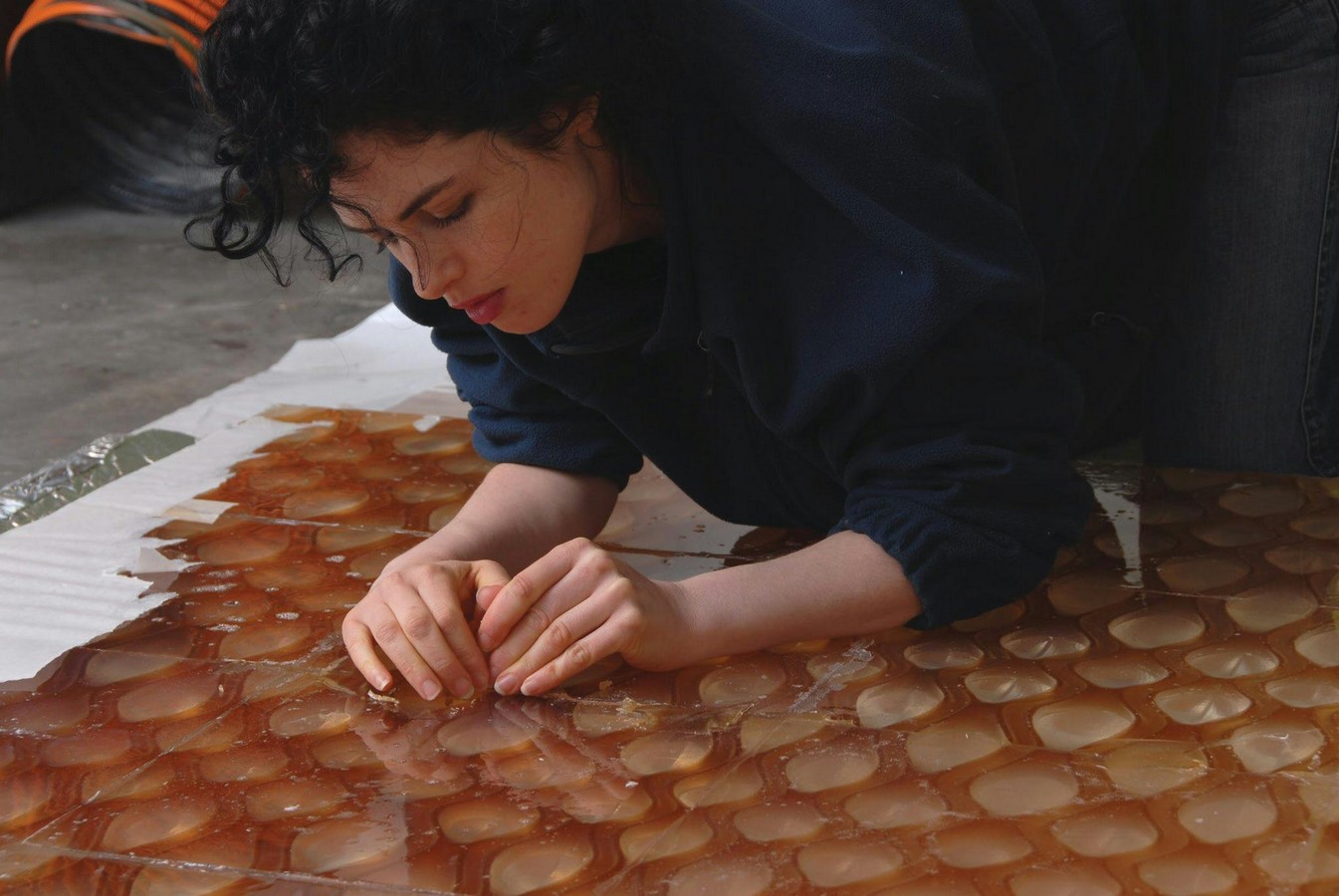
The term ‘Material Ecology’ is popularized through the works of Neri Oxman at MIT Media Lab. Her research beautifully blends material sciences, biology, and digital fabrications. She introduced the idea of using bio-based materials like cellulose that create structures that can grow, adapt, and even regrow themselves. She believed in designs that not only cause less harm to the environment but also can co-exist with nature. Although her idea was very futuristic and tech-driven, it shows a direct connection with our traditional knowledge systems that have been co-existing with vernacular architecture for years. Locally available materials exist in harmony with the climate, culture, and community. Material ecology bridges two worlds: one with technology innovation of bio-material, and the other is the ancestral wisdom of buildings in sync with nature.
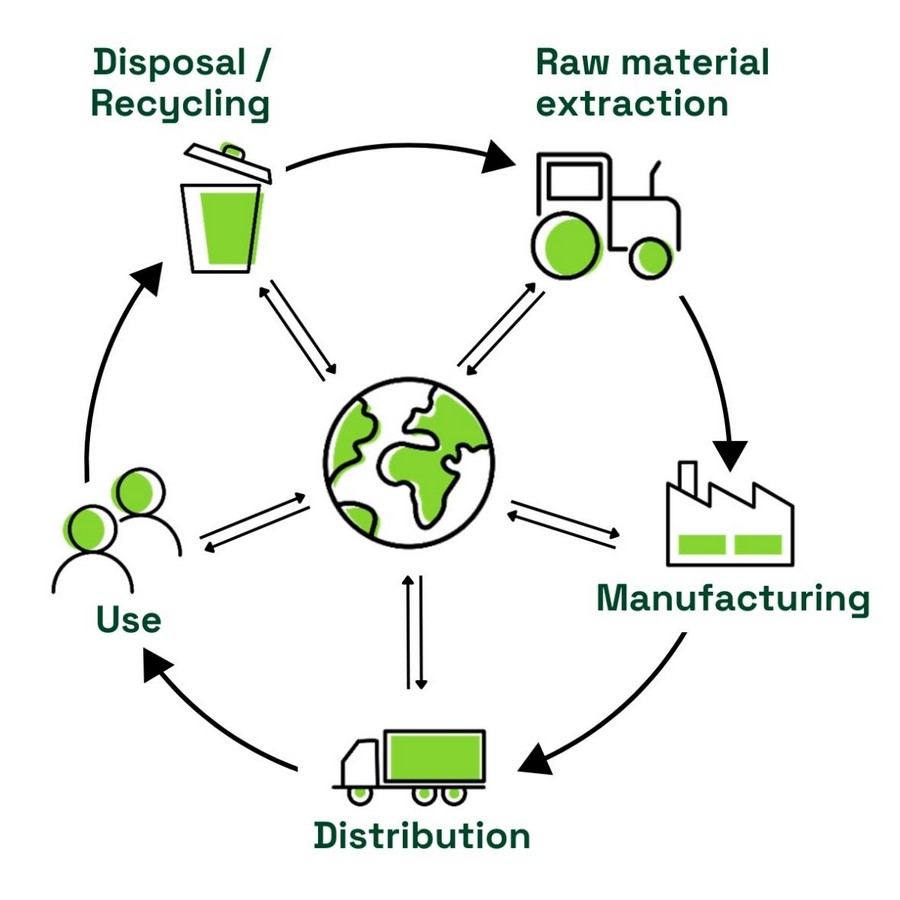
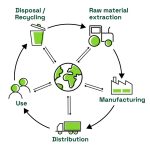
Material Ecology is not just about the material selection, but also covers a very thoughtful understanding of material intelligence. Material intelligence is part of material ecology that consists of understanding materials fully through life cycle assessment(LCA), so that they can be used to their full potential. It consists of three important questions: where does it come from? From which includes its resources(mining and forest), energy used in its extraction and transportation; How it is made, which includes its processing from raw materials to a full final product, and what it gives back? Which talks about its regenerative properties in terms of reusing and recycling. Stages of Life Cycle assessments include energy needed in harvesting/raw material extraction, processing and manufacturing, Construction/Distribution, Use and Maintenance, and Aging and Decay/End-of-Life Management
Why It Matters: Material vs. Carbon
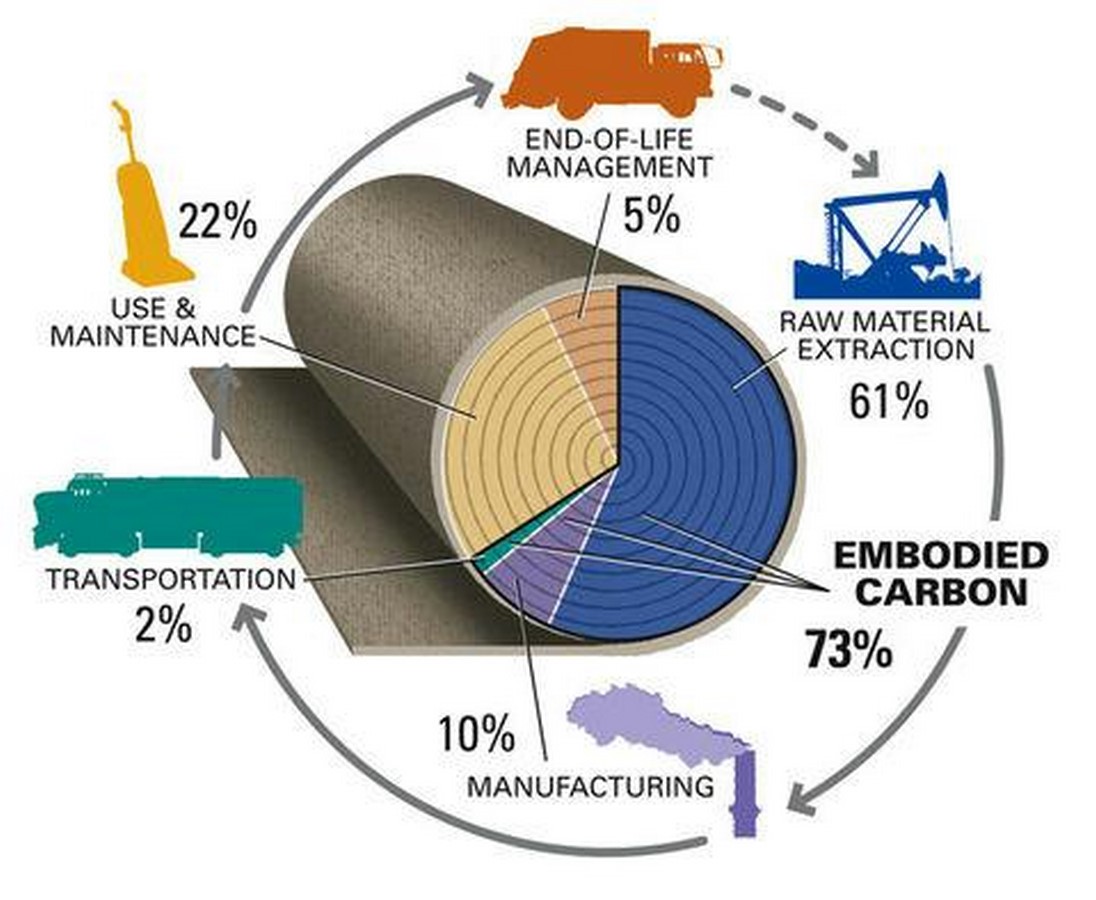
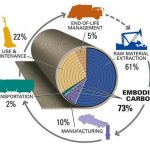
Let’s look at some facts to know the need for material ecology in recent times. Buildings account for 40% of global carbon emissions, consisting of material extraction and production. Construction and the built industry contribute to one-third of waste generation every year. Also, the materials which dominate the construction industry nowadays contribute the largest to carbon emission, cement ranking one, which alone contributes to 8%-12% followed by steel, which ranges between 7%-9%. It is also estimated that by 2060, the global population will double. This alarming data depicts the urgent need to shift from high-energy ‘manufactured’ to local, low-impact alternatives. They reduce transportation energy and naturally respond to local climate, needs, and even seismic conditions. Furthermore, it also supports the local economy, artisans, and promotes the continuity of existing knowledge systems. It also reduced the heat island effect, which refers to the phenomenon where the temperature of urban areas increases in comparison to their surrounding rural areas. It is mainly due to the use of materials like cement, asphalt, and glass, which trap the heat in the daytime and release it slowly at nighttime.
Traditional Wisdom, Contemporary Need
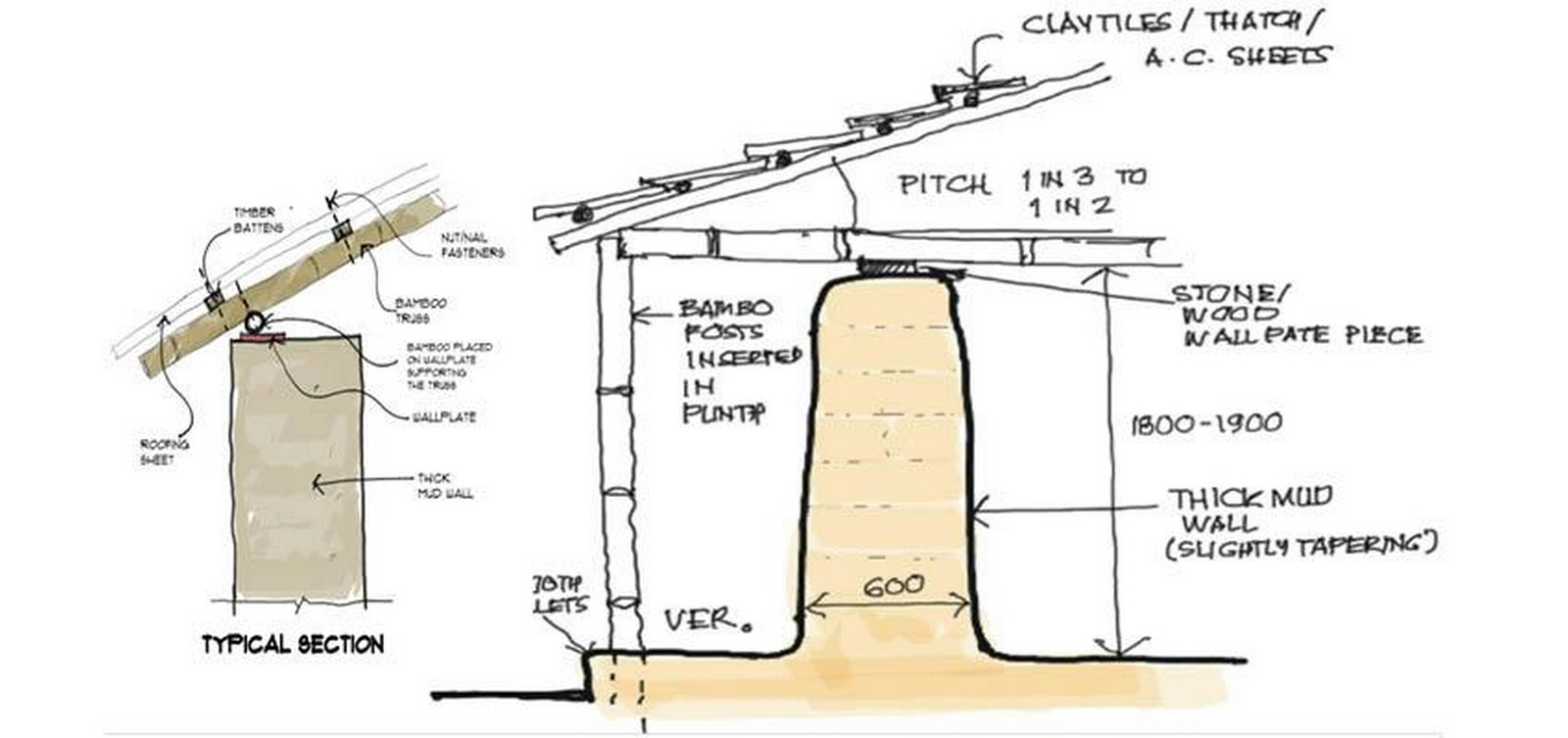
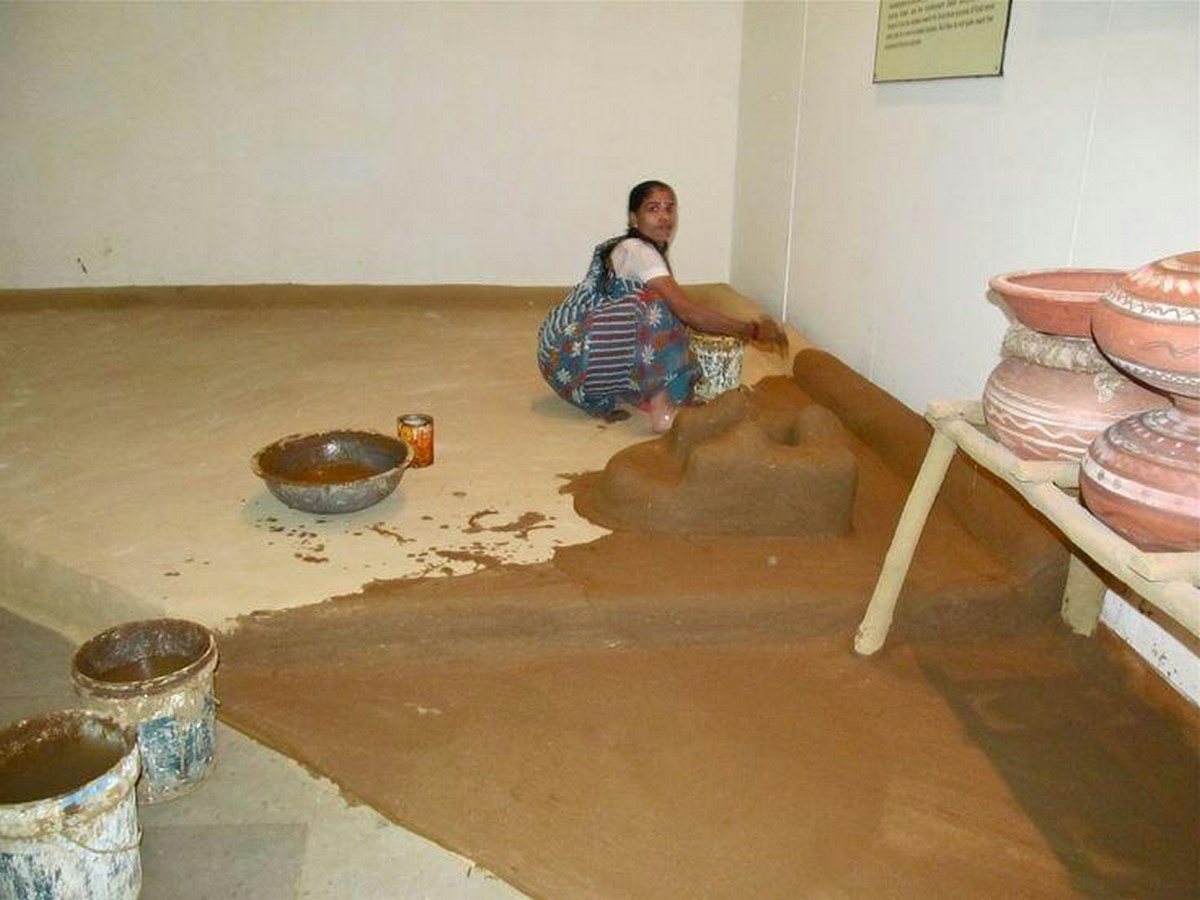
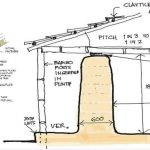
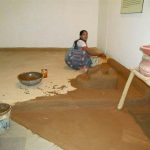
India’s architectural history is a goldmine of material ecology and is filled with ecological intelligence. Lime plaster or mortar is used in traditional houses, from Rajasthan palaces to South Indian temples. It acts as an excellent moisture buffer, which absorbs and releases moisture, maintaining indoor air quality. It is breathable, has anti-bacterial properties, and gains strength with time, increasing its longevity. Often mixed with other natural additives like eggs, jaggery, or plants, which increases its durability and plasticity. Mud bricks and adobe blocks are very common in hot and dry climates as they act as the thermal mass, keeping interiors cool in the daytime. Cob walls, which are a mixture of mud, straw, and water, are commonly used in rural or tribal regions. Cow dung is used in the flooring and as a plaster as a natural insulator, with smooth, cleanable, and insect repellent properties. It is also associated with spiritual and cultural beliefs. Thatch and bamboo roofing are used in the north-east and southern areas of Kerala. India is the second largest producer of bamboo in the world, with an annual production of 4.5- 5 million tonnes of over 130 species, yet it is an underutilized material. It is biodegradable, quickly renewable as it grows ten times faster than traditional timber, and can be applied both structurally and ornamentally. Other examples include timber joinery without nails, stone masonry, coconut shell, and terracotta or clay tiles, which help in heat dissipation. The idea is to reinvent these materials for modern times, not replicating the past.
Global Innovations in Material Ecology
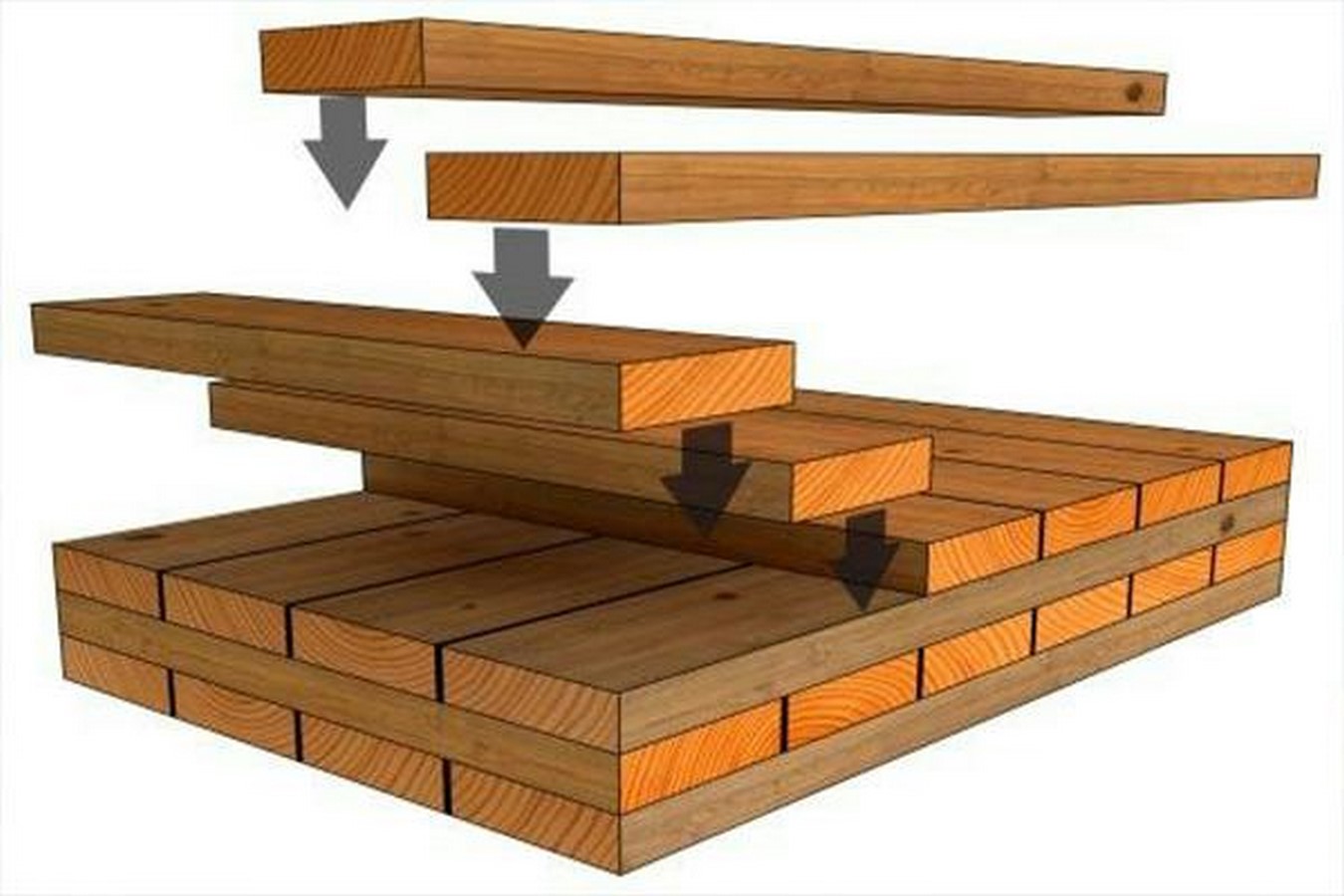
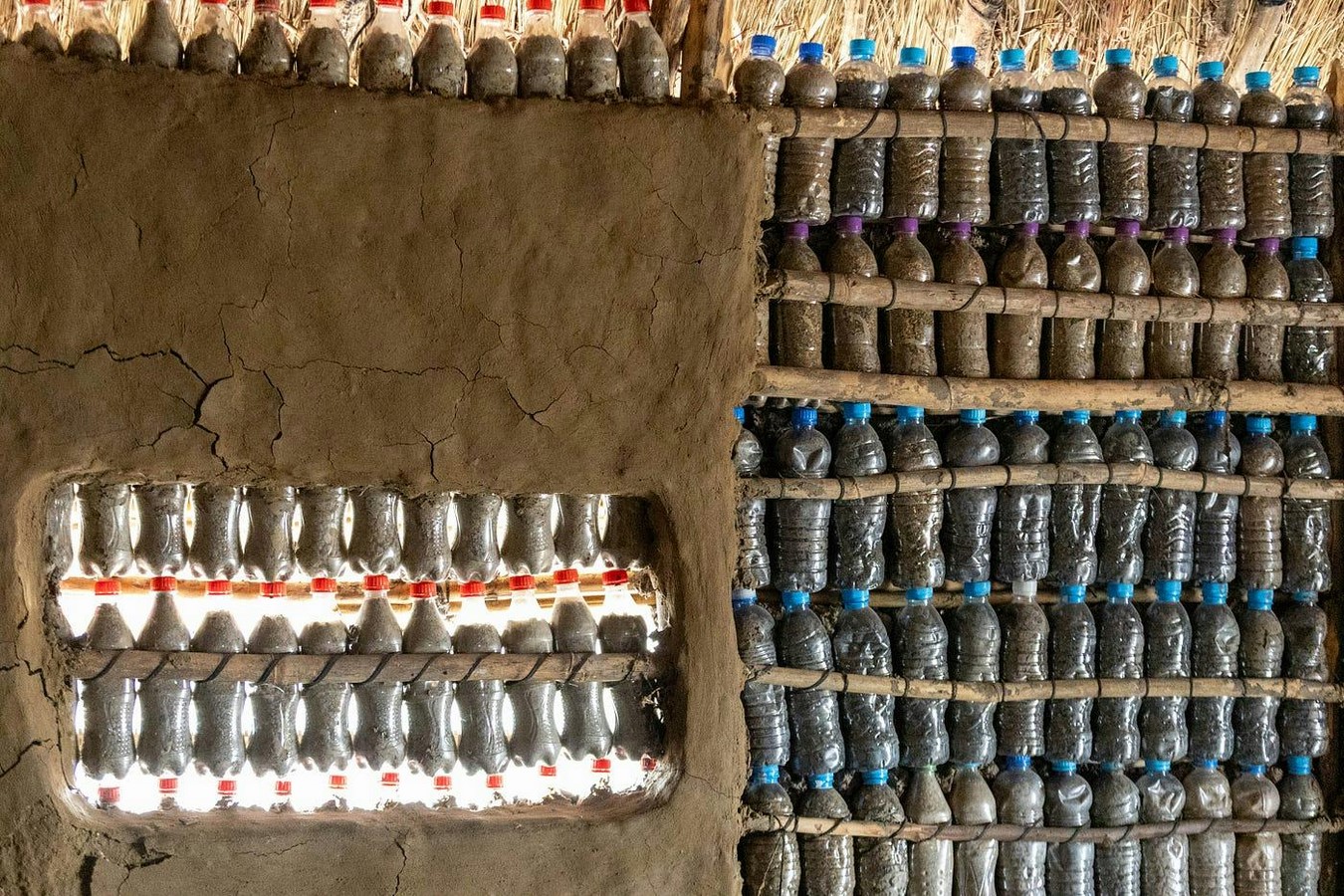
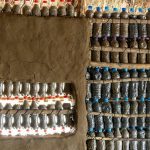
Many global innovations have been made in recent times, blending the material ecology and local materials. If utilized and studied properly, they can be the future of the sustainable world. The concept is bottle bricks in South Sudan, where discarded plastic bottles are filled with sand or soil and are tightly packed in mud walls. They act as an insulator in extreme conditions of Bentiu. It also makes less dependence on local material like timber, thus reducing deforestation. The next example is the CLT (Cross-laminated Timber), which is made by compressing layers of discarded timber in a crisscross manner to make a new material. It is used as the material in the construction of low or mid-rise residential buildings in Barcelona because of its great strength, fire resistance, and seismic capabilities. Other experimental materials like cloth Crete, in which a combination of cloth waste and concrete is used, or Fabric Brick, in which cloth waste is converted into bricks. Other examples are mycelium bricks, in which agricultural waste and root-like fibers of Fungi known as mycelium are used to bind and create bricks. Its properties include natural resistance to water, mold, and fire once dried. They are hundred percent biodegradable and can be later used as fertilizers. Its strength does not match up to traditional, so it can be used in non-load-bearing or interior walls.
The Material Ecology of the Future
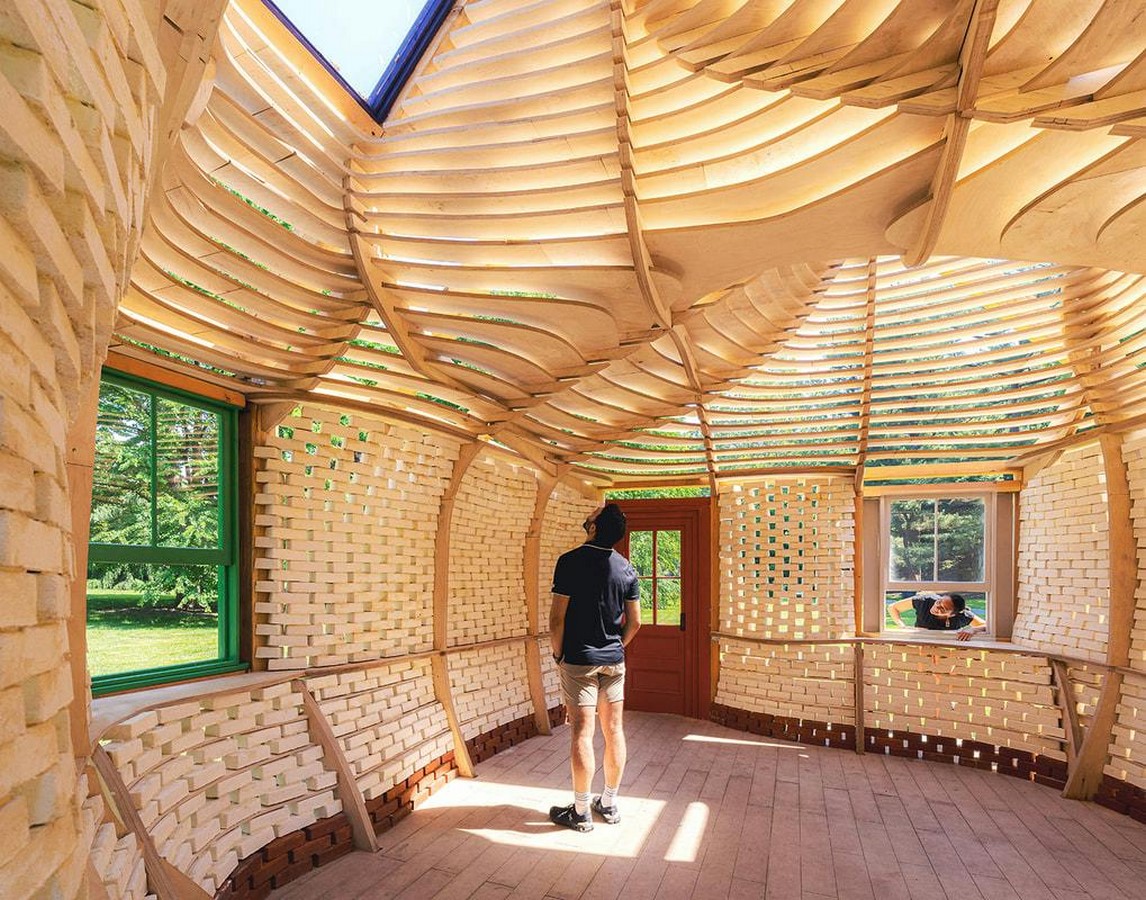

The innovations and work that are going on now open the door for the vast scope of advancements in the future. Bio composites or living material like mycelium bricks can be further explored. They are given further ideas of using microorganisms as binding elements in the organic waste. Algorithms and AI have become very advanced, which can be used to stimulate material behavior. Inspirations can be taken from natural processes and can be translated into material developments and stimulated with the help of algorithms. Smart materials that can adapt to heat, humidity, or light. Examples include thermochromic materials that can change color with temperature, or Photochromic materials that can detect the photons falling on them and detect light fluctuations. There is a need for collaborative material labs that include designers, scientists, and local communities to work together on such innovations. This gives an excellent platform to blend local traditional knowledge systems with ongoing technological and biological advancements.
Challenges and How to Move Forward?
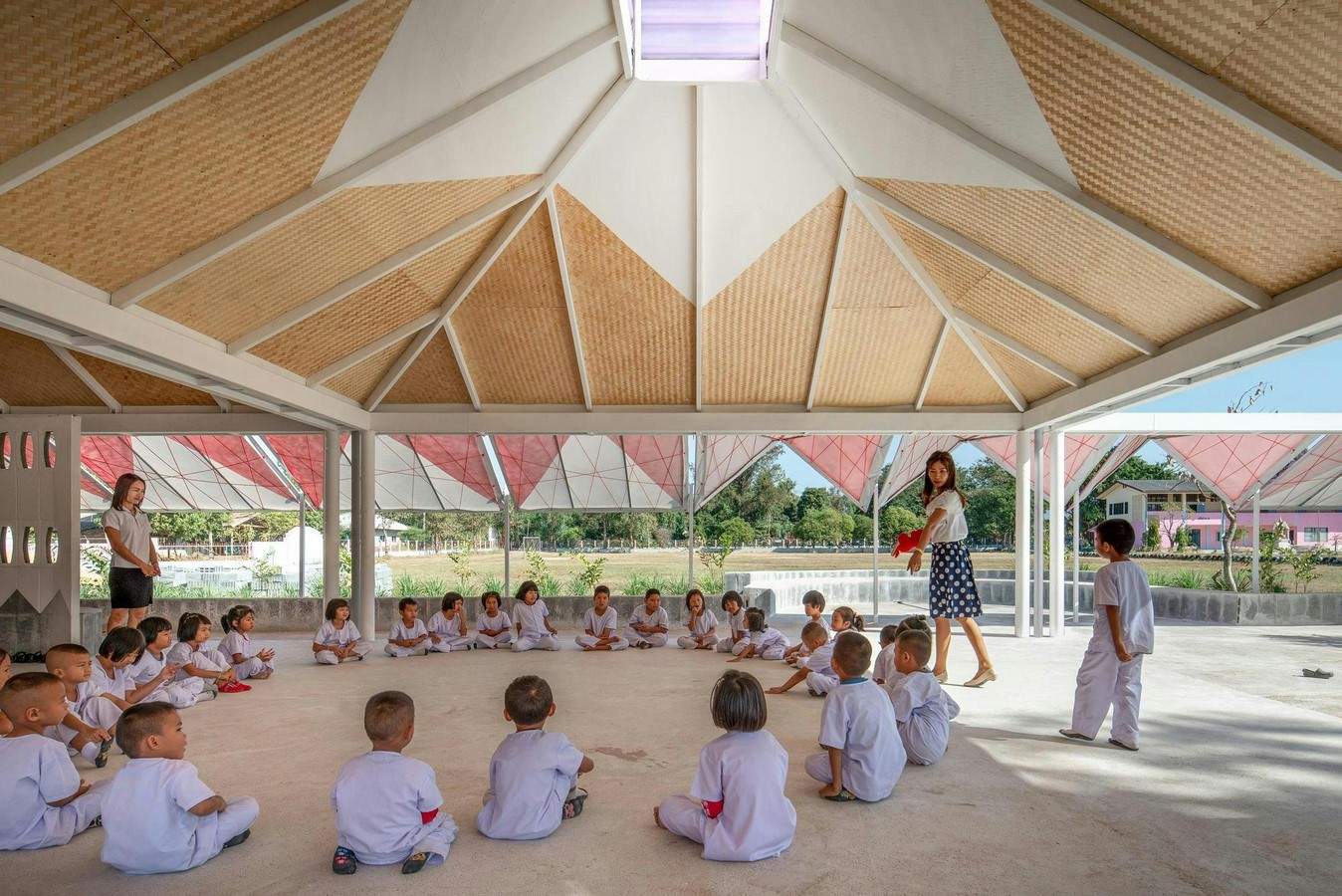
There is always a misconception that being local means being primitive, something which is not that technologically advanced. But this knowledge and these materials are great examples to be studied and inculcated in our present-day scenarios. This knowledge base naturally responds to the society, climate, culture, and sustainability parameters. They also reduce the carbon footprint in transportation and the extraction of materials. A skill gap between these crafts and construction trades is also being observed. These local crafts and techniques remain hidden, and people don’t even bother to know and think about them. Building codes and markets also focus on quick industrial systems because of their feasibility, strength, and fast production, without considering how much they are impacting the environment. They don’t make efforts to learn about historical knowledge and modify it as per current contemporary needs.
The future requires an urgent need to educate and raise awareness among youth about these old as well as new practices coming up. Awareness about the impact on the environment also needs to be addressed in the current curriculum. Pilot projects in institutions and public buildings also need to be encouraged. Community participation in knowing what they need and taking feedback from them, prototyping is vital. Government and impactful bodies should also take some incentives in this, just for awareness, and merely commercializing everything also creates a great impact. The Environment should be recognized as a significant issue and needs to be prioritized.

In today’s scenarios, Architects must become ecologists as they are people who design environments that cater to society and the future. In a world where Earth is consistently facing challenges like global warming, flooding, change, and climate cycles, and endangered biodiversity, designing just for aesthetics and standing out is no longer viable. Now it is not just about social work but a need for survival, the change for survival. Material Ecology represents a significant revolution in this regard, as materials play a crucial role in the architecture and construction industries. It shows empathy towards our surroundings and intelligence in building for the environment. To build with care is to build with conscience. Our future materials are just around us, ready to be reimagined.
Sources:
- https://medium.com/@UNmigration/recycled-bottles-reclaimed-lives-a-shelter-innovation-from-south-sudan-ad4d239510e3
- https://www.certifiedenergy.com.au/emerging-materials/emerging-materials-mycelium-brick#:~:text=There%20are%20countless%20benefits,other%20termites.&text=massive%20reduction%20in%20the,other%20termites.&text=fabrication%20a%20carbon%20neutral,other%20termites.&text=such%20as%20termite%20proofing%2C,other%20termites.
- https://onlinelibrary.wiley.com/doi/10.1002/ad.1961#:~:text=Architect%20Neri%20Oxman%2C%20Associate,temporal%20scales.&text=the%20MIT%20Media%20Lab%2C,temporal%20scales.&text=emerging%20capabilities%20in%20materials,temporal%20scales.&text=combine%20top%2Ddown%20design%20procedures,temporal%20scales.