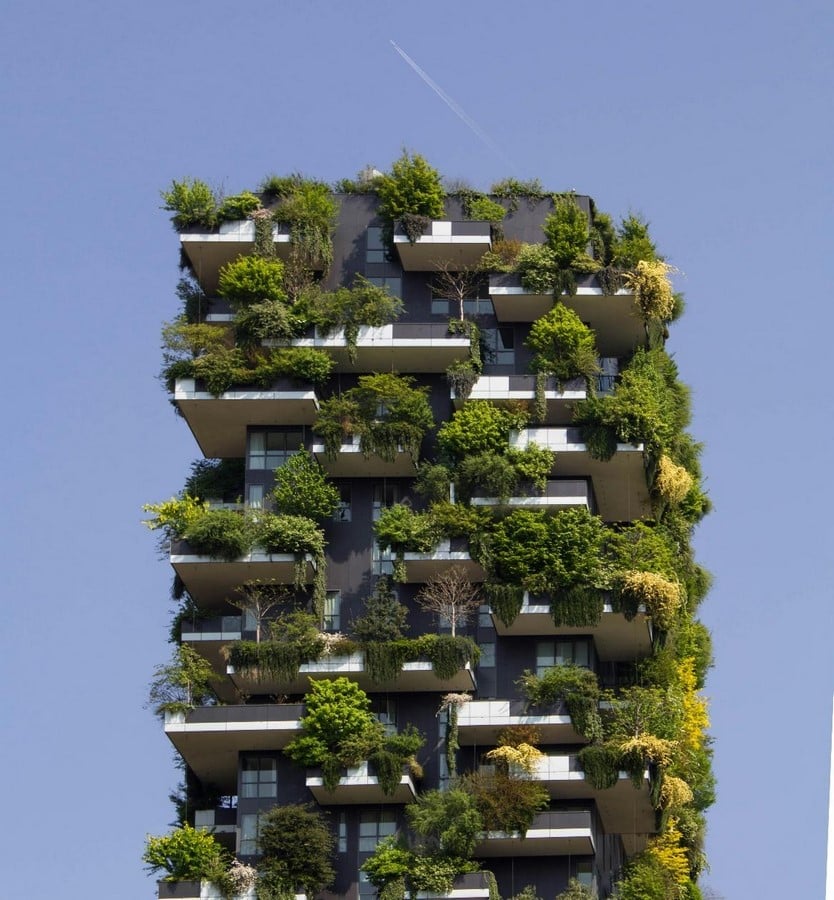
Perhaps the image of a vertical green facade has caught your attention before. But that’s not all there is to biophilic design.
Let’s take a brief detour into history. In 1984, American biologist Edward Wilson published his eye-opening book titled Biophilia. In it, he proposed that humans have an innate desire to connect with other life forms and natural systems. This idea, rooted in evolutionary biology, has evolved into a powerful concept in architecture, known as biophilic design.
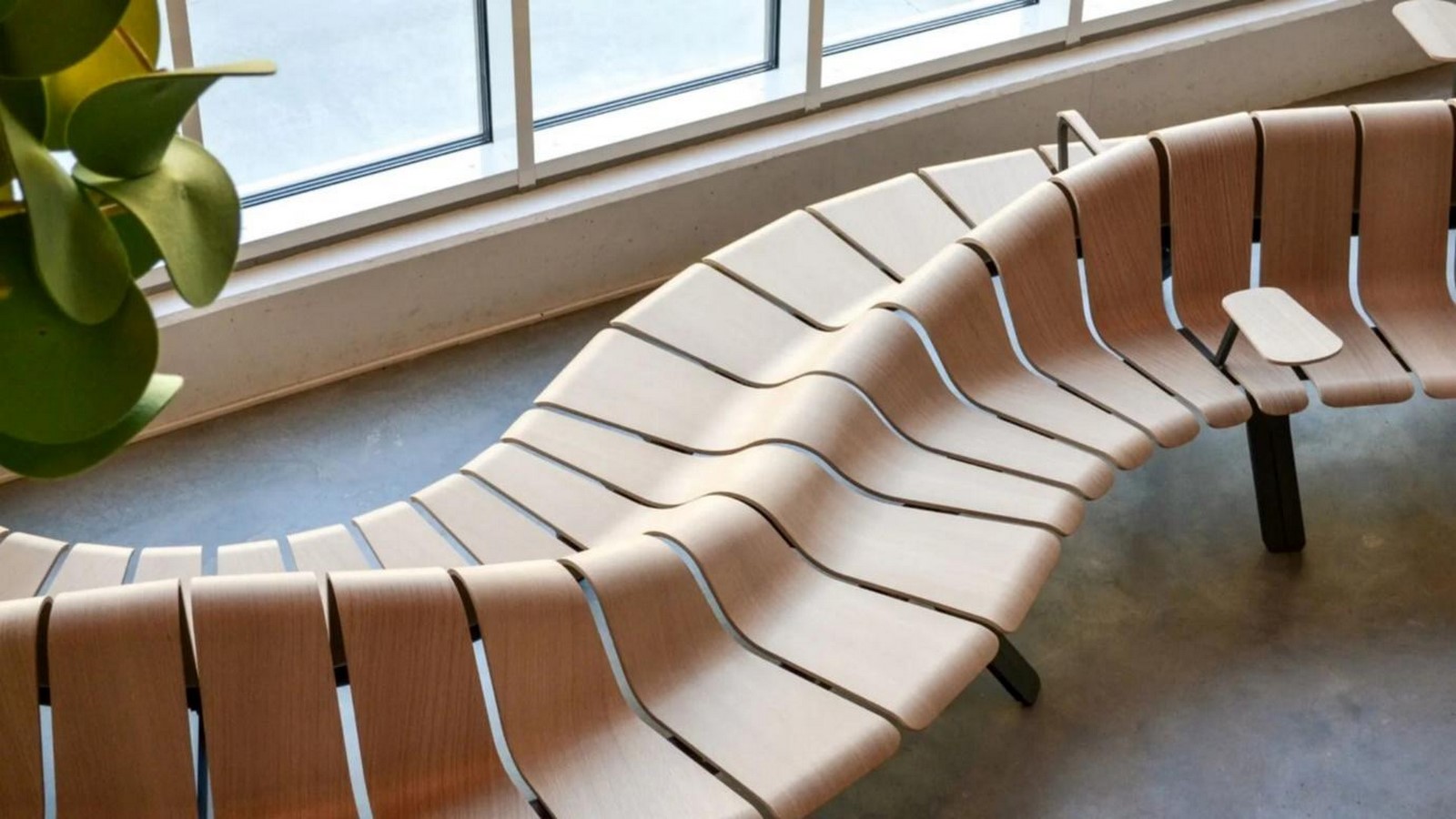
Biophilic design explains the practice of integrating elements of nature’s genius into the built environment in ways that nourish physically, emotionally and mentally. One could imagine a furniture surface that mimics the tactile comfort of a natural, smooth-grained wood or a soft texture that rustles like dried leaves. Or at least something that makes one comfy and happy. That is the expression of biophilic design as a concept because it reinterprets nature to the human senses, even in the comfort of the home. In other words, biophilic design expresses thoughtfulness in creating spaces that promote an authentic connection with nature.
But in today’s world, where artificial intelligence shapes much of our built environment and digital systems, the question is: Can technology be a sustaining companion on this journey back to nature?
Yes, to a good extent. Even though the subject of whether Artificial Intelligence will completely take over Design in the future is still relatively controversial. However, technology is increasingly used to deepen our natural experience rather than diminishing it.
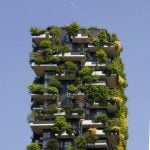
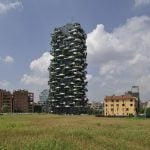
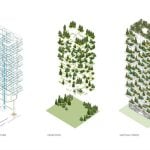
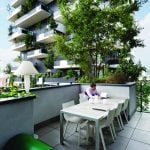
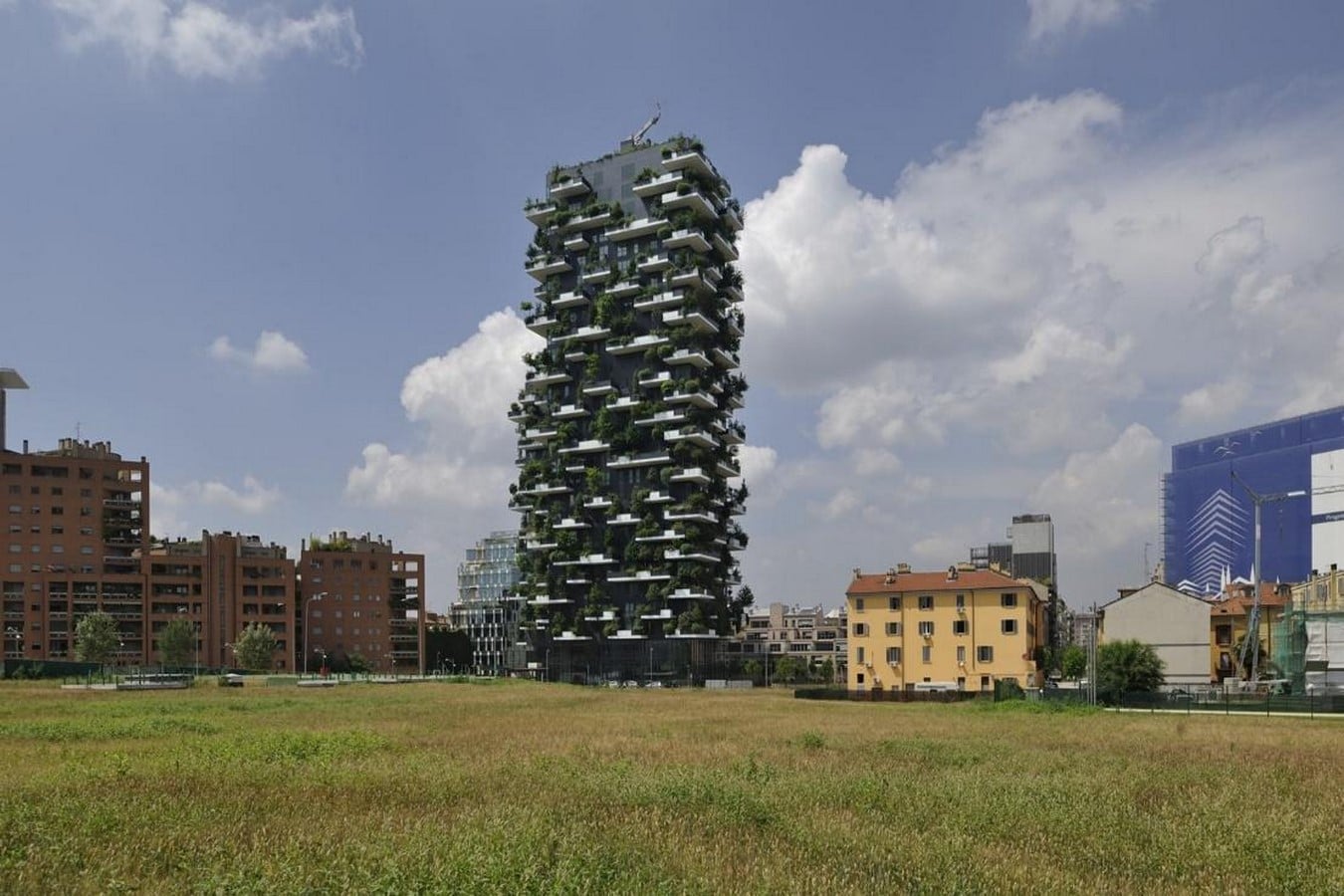
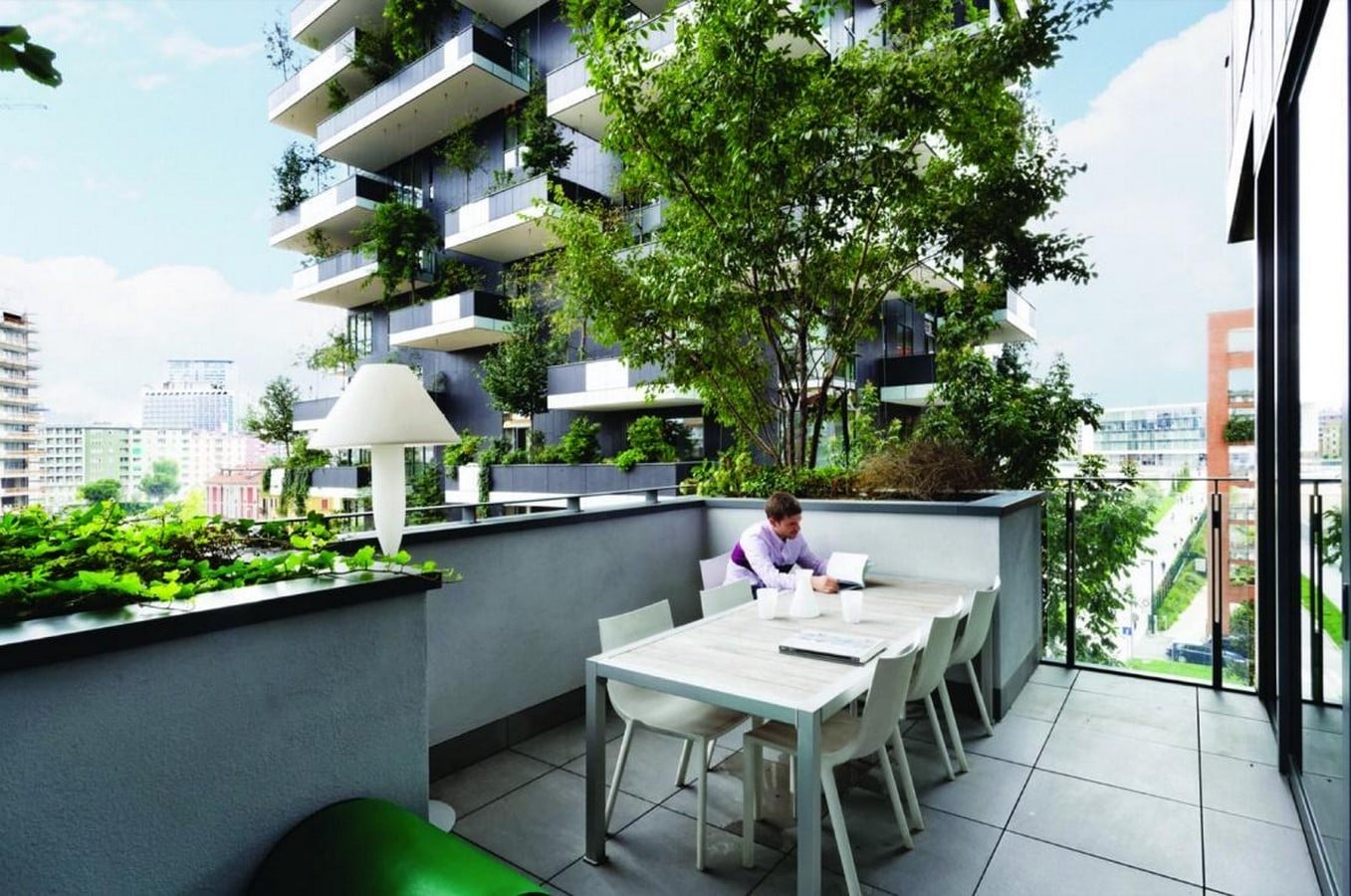
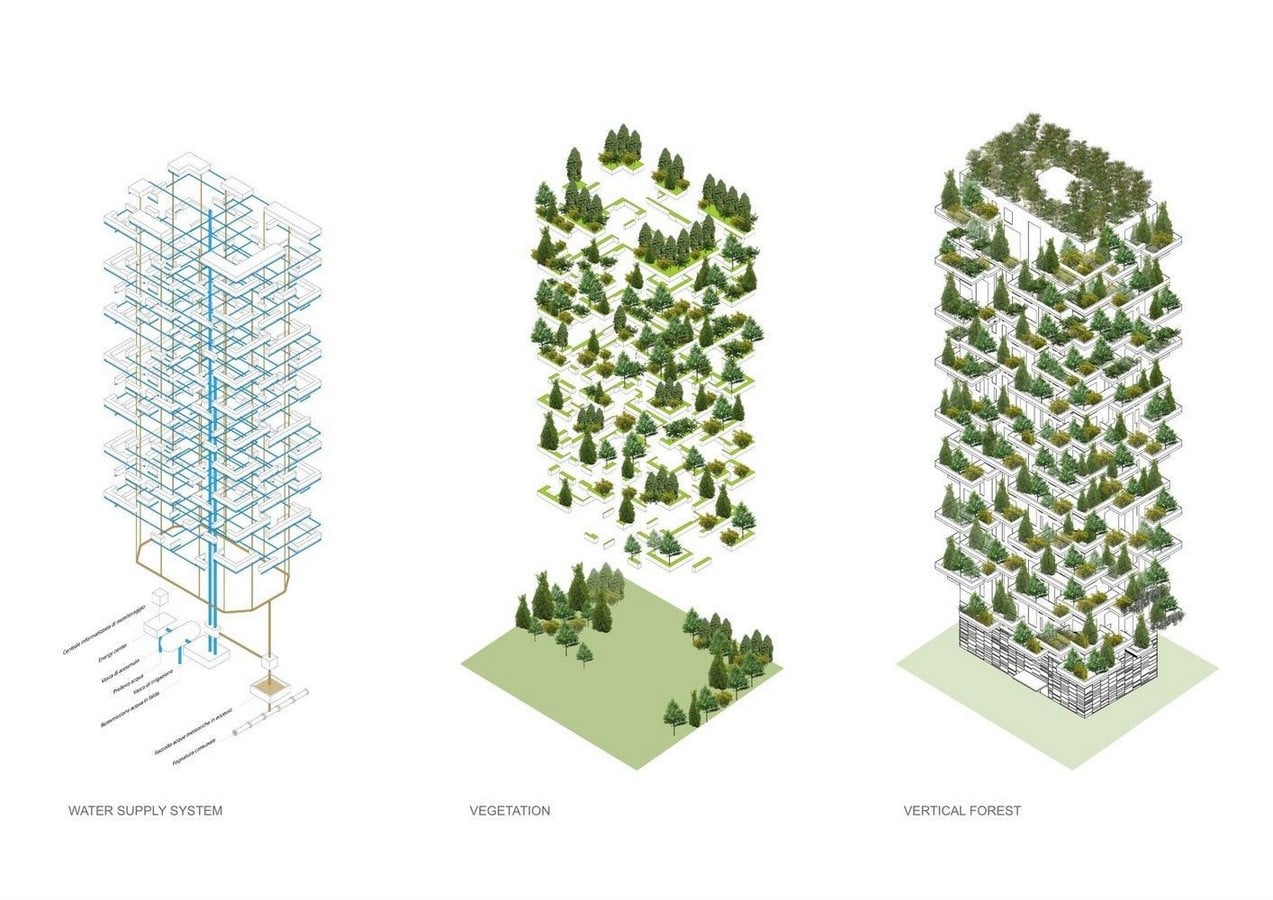
Take the example of Bosco Verticale towers in Milan. These high-ups are home to 20,000 species of plants and trees, spread across balconies, monitored and supported by artificially managed irrigation systems. Here, technology helps maintain a forest in the sky, merging urban density with an ecologically friendly appearance.
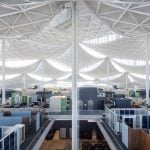
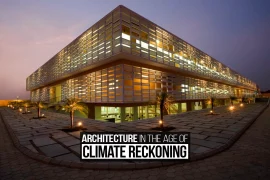
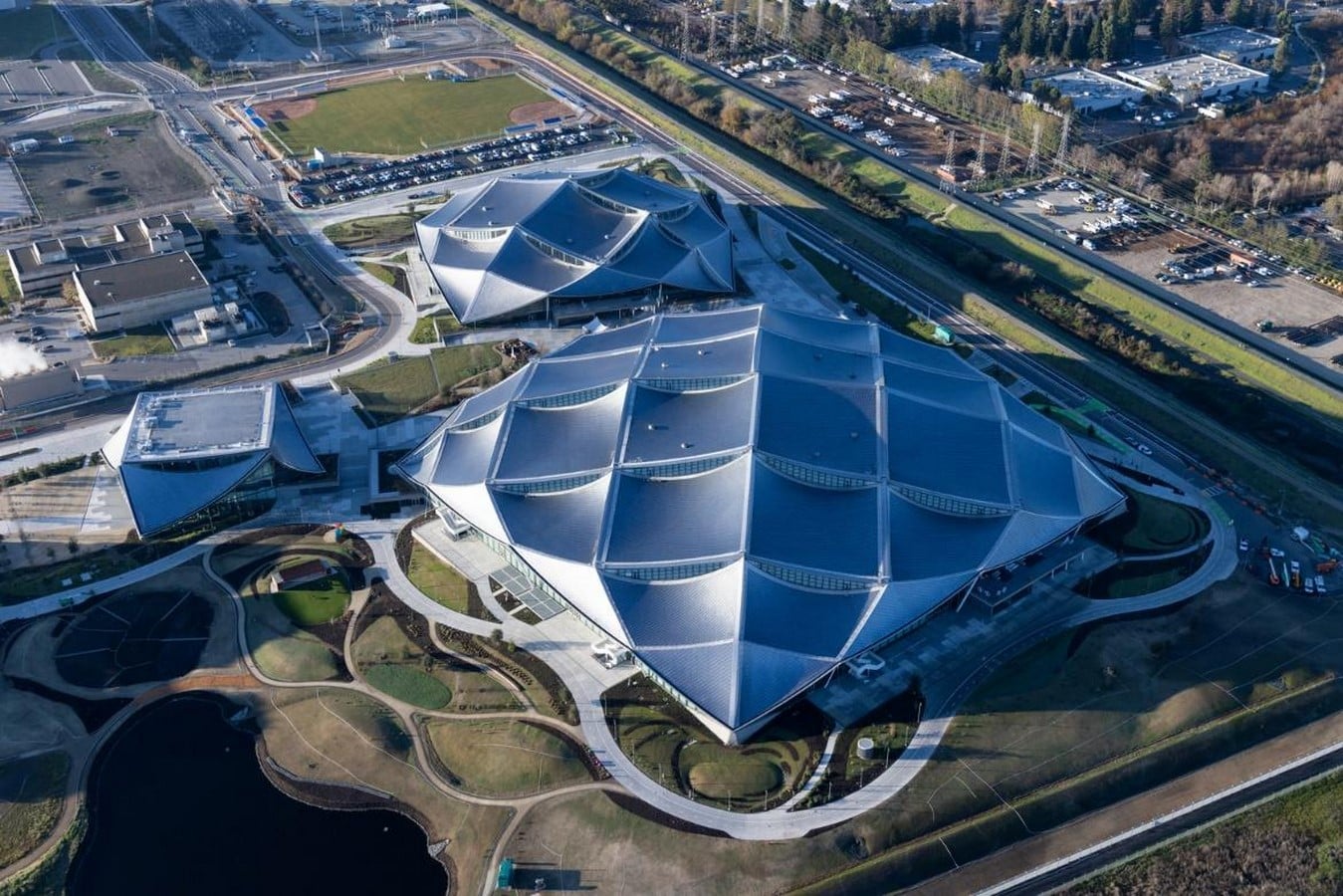
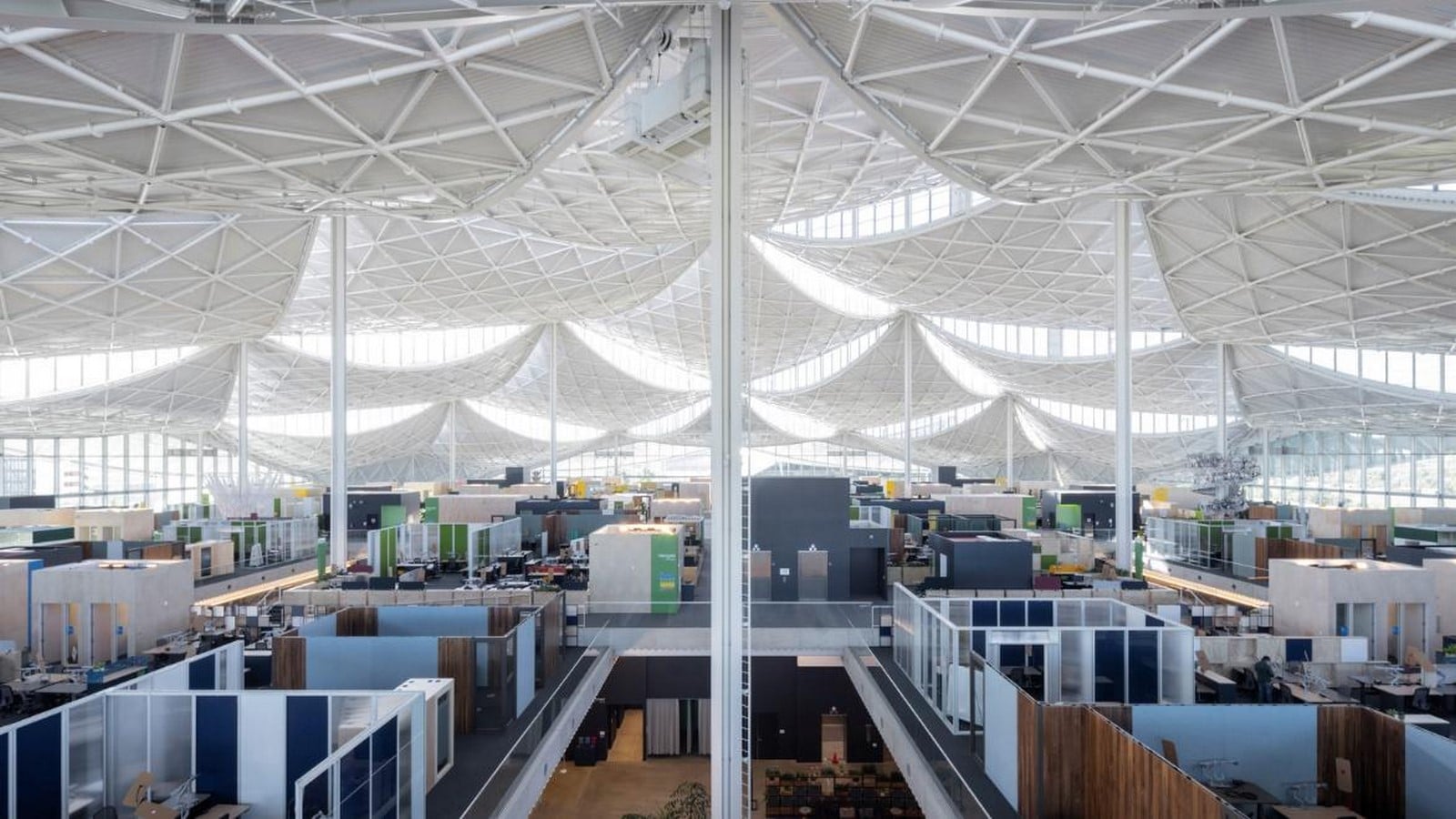
Or consider Google’s Bay View Campus in California. This facility uses a “dragon-scale” solar skin for energy and features AI-optimised skylights and ventilation. These systems adapt to human activity, reducing carbon outputs and enhancing comfort.
In Tokyo, Azabudai Hills is another notable case. Smart sensors monitor plant health and microclimate conditions in real time, helping to flourish the landscape amidst dense growth. It is a city within a city, but importantly, one that breathes with nature.
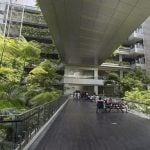
Concerning healthcare, Khoo Teck Puat Hospital in Singapore exemplifies the therapeutic/restorative concept of biophilic design through the integration of succulent tropical gardens with intelligent climate control systems. Patients experience rapid recovery rates and reduced stress, showing how nature, when supported by technology, cures both mind and body.
Today, the role of Artificial Intelligence does not start in building management but begins at the design phase. Architects now use AI-operated simulation to show how buildings interact with sun, wind and temperature. These insights inform the layout, the choice of materials and orientation of the building, which helps to create designs that respect their local ecosystems.
In housing renewal, sensor data helps reduce areas of discomfort such as stuffy rooms or dark corners. This allows for targeted biophilic upgrade, better ventilation paths, or the introduction of living green walls, all built on real-time feedback.
Augmented reality can teach about plant species in a public garden, but the garden must be existing, real and flourishing. AI can monitor air quality in a room, but humans should improve it through natural ventilation or green solutions. These examples point to the fact that technology can serve nature, rather than replace it.
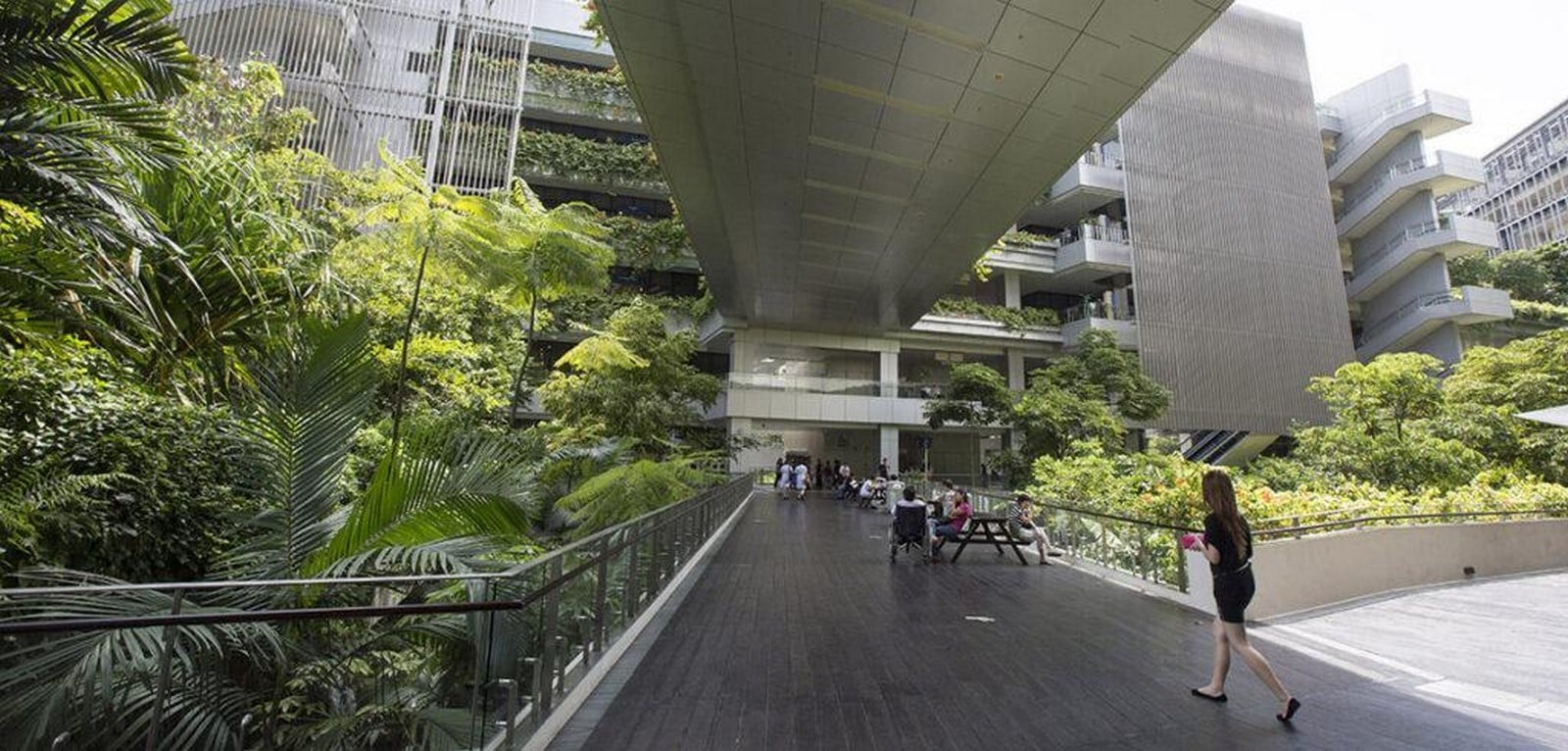
Cultural diversity adds another layer to this conversation. The meaning of nature varies globally. For a desert resident, nature can mean open sky and coarse sand. For someone in the tropics, there are dense trees. Biophilic design must honour these variations. Technology can help adapt projects to regional climates and local interpretations of natural beauty.
Urbanisation also adds to this subject. As cities get denser, there is a need for restorative spaces as well. However, vertical gardens, roof gardens, wooden interiors and daylighting are becoming common sustainable options. But when these necessities are supported by intelligent technologies, they become more sustainable: reducing stress, energy use and environmental impact.
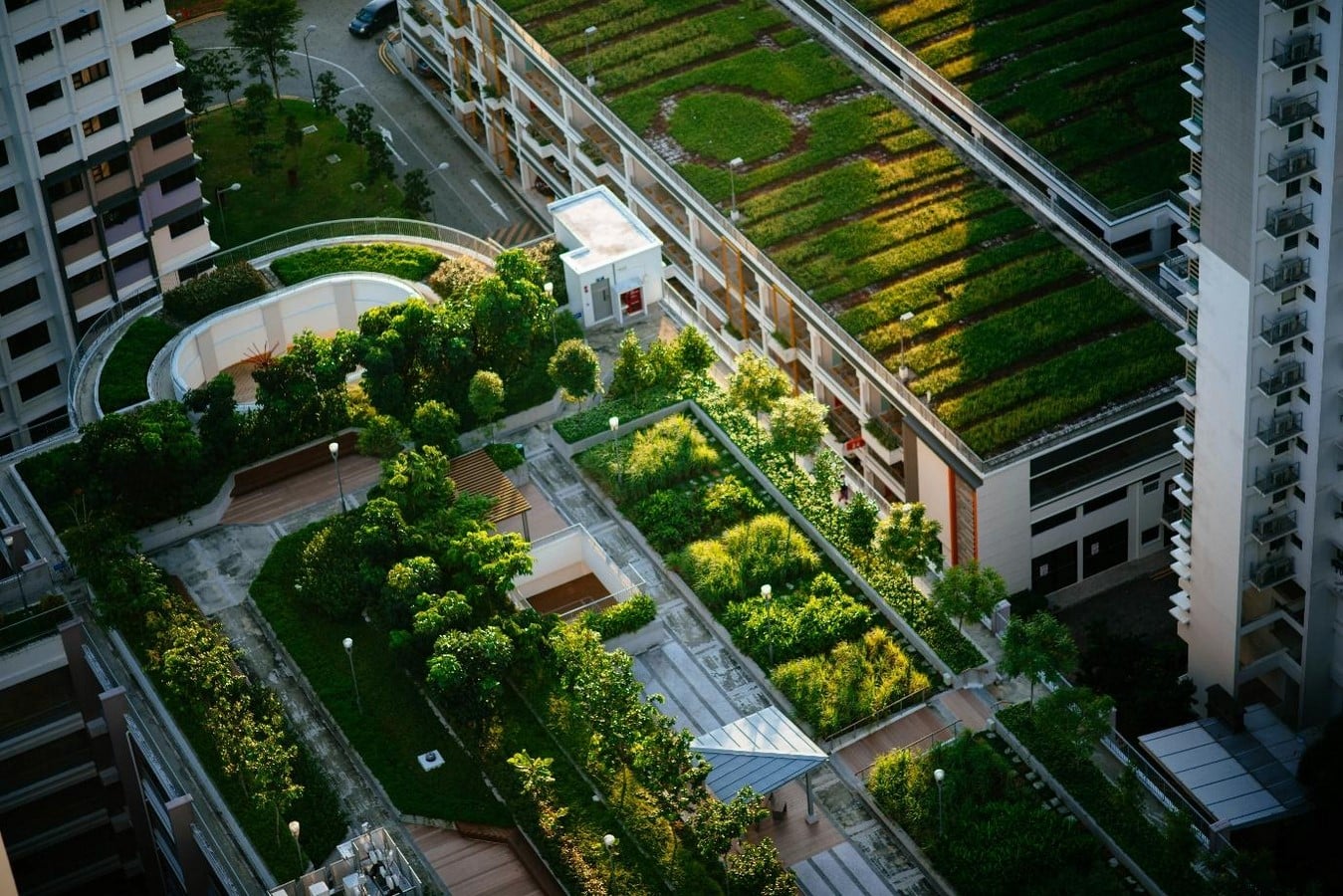
Picture a high-rise apartment with a rooftop garden. After a long day, a resident finds comfort among the scent of basil and soft scented plants, all kept thriving by an automated watering system. Or think of a co-working space where skylights open gradually as the air thickens, letting in a cool breeze and natural light. Such a room will feel less like a box and more like a calm extension of the outdoors. These are real ways biophilic design is evolving to create moments that remind humans that life is good.
The true power of biophilic design is in its intention. It is not just about bringing trees into the house; it is about creating spaces where people feel alive and connected. As long as technology facilitates this mission, it unlocks new potentials. Together, nature and technology can shape environments that nourish the human spirit and protect the future we dream of.
References:
DesignWanted. 10 biophilic furniture designs that bring nature closer to us. https://designwanted.com/10-biophilic-furniture-designs/
Living Future Institute. Award Winner: Khoo Teck Puat Hospital.
https://living-future.org/case-studies/award-winner-khoo-teck-puat-hospital/
ArchDaily. Bosco Verticale. Photograph by Paolo Rosselli
https://www.archdaily.com/777498/bosco-verticale-stefano-boeri-architetti
ArchDaily. Google Bay View. Photograph by Iwan Baan
https://www.archdaily.com/985328/google-bay-view-big-plus-heatherwick-studio
Stefano Boeri Architetti. Bosco Verticale. https://www.stefanoboeriarchitetti.net/en/project/vertical-forest/
Unsplash. Aerial view of a roof garden. Photograph by CHUTTERSNAP https://unsplash.com/photos/top-view-of-building-with-trees-IfmqOuOkaOA
Unsplash. Building covered in plants. Photograph by Victor. https://unsplash.com/photos/building-covered-in-plants-0NJ9urGXrIg
Wilson, E.O. (1984). Biophilia. Cambridge, MA: Harvard University Press. Digitised edition: https://archive.org/details/edward-o.-wilson-biophilia