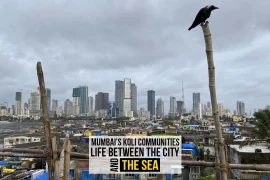
Architecture has long been an indicator of inequality around the globe, with one being able to characterise the social status of an area based on its design. It generally dictates how people live and how included they are in society. For a long time, good architecture was viewed as something inherently reserved for the rich and privileged, while the rest had to accept whatever functional, often oppressive, housing they were given—without even questioning their right to quality infrastructure. For example, if one looks at London’s layout, you can easily trace back to its history the architectural inequality by observing the River Thames. On the west side, where many of the world’s wealthy reside, the area is rich in bridges that allow people to travel easily, go on walks, and access cafes and restaurants. In contrast, the east side has nearly no way of crossing the river, except for the Greenwich pedestrian tunnel, which might make people uneasy, as it is a dark, concrete, underwater passage. To this day, there are barely any pedestrian crossings in that part of the city.
However, inequality manifests in many forms and ultimately disadvantages a wide range of people —whether racially, economically, or based on gender or disability. Architects must address this issue and find more persuasive ways to convince policymakers to reform outdated laws, as developers are more concerned with profit than with helping communities. This is a substantial issue in today’s society, which oscillates between both poles of extremism. In order to build a safer and more equitable society, there must be a better allocation of wealth that benefits everyone.
Gentrification and safety
It is a well-known fact that poverty is a major factor in rising crime rates. However, developers and their allies often shift the blame onto racially marginalised communities, further deepening the divide between the privileged and the rest. This creates mental and social gaps that prevent societies from thriving.
Take, for example, Cape Town in South Africa, where the remnants of apartheid are still visibly reflected in the urban landscape. There remains a stark divide between the wealthy white community and the rest, many of whom are forced to live in extremely poor conditions in slums. Laws are often amended to allow authorities to evict residents and dismantle their homes so the land can be seized and redeveloped. The lack of decent living conditions for non-wealthy citizens has contributed to South Africa having one of the highest crime rates in the world.
A similar disparity exists in São Paulo, where the ultra-rich, as in South Africa, reside in gated communities with well-developed infrastructure tailored to their daily lives. Meanwhile, the majority live in informal settlements, or favelas, lacking access to essential amenities. Social segregation is reinforced through unequal access to education, with the rich and the poor attending different schools. This separation hinders inclusion and contributes to social disconnection, which in turn may encourage antisocial behaviour.
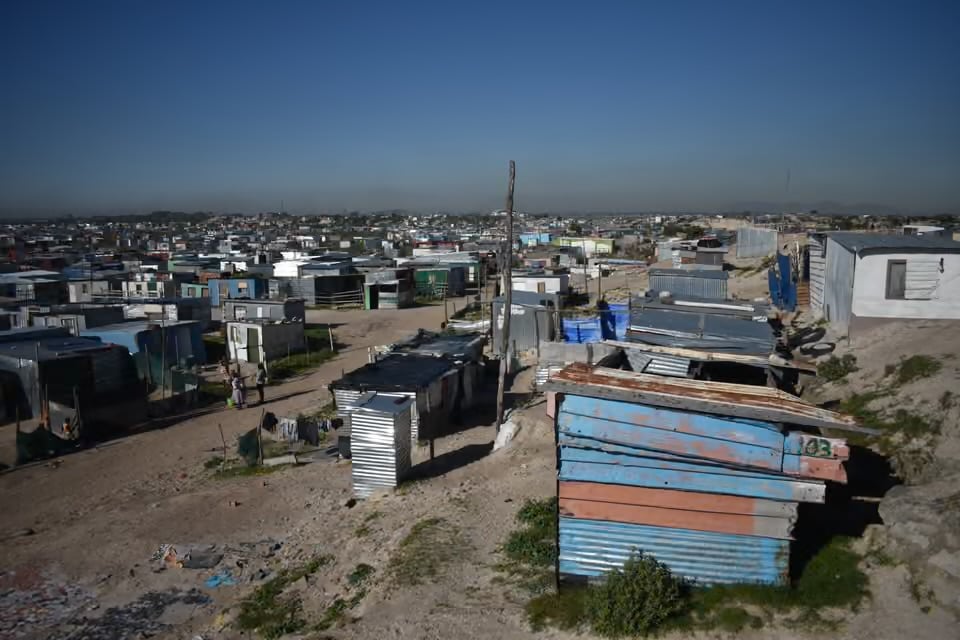
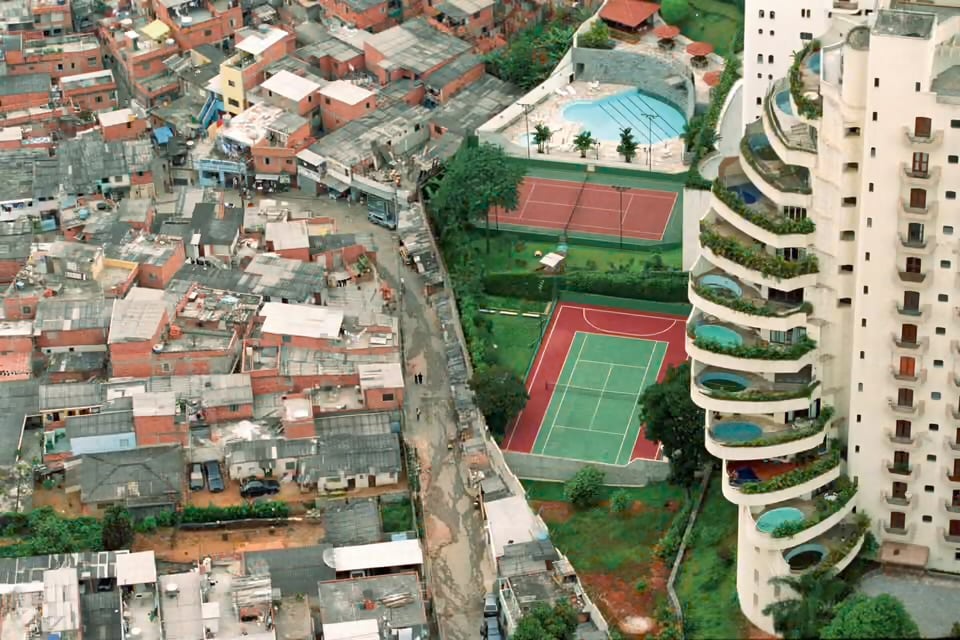
Another striking example is London neighbourhoods that are next to each other such as Poplar and Canary Wharf to very different worlds that collide together in an utopian way that just enforces the high discrepancies between the rich financial district and the working class.

Design That Is Not Inclusive
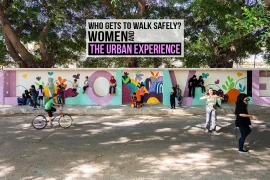
From safety features to street design, architecture has long catered only to a select group of people. Until recently, safety considerations were not prioritised in urban planning, creating environments particularly unsafe for women and other marginalised groups. There is a wide range of improvements professionals have theorised in terms of safety—from adequate lighting and active frontages to fostering a sense of community.
In our fast-paced, individualistic world, many people don’t even know their neighbours—an issue, as it’s more likely that someone familiar will step in to help during a crisis. In highly gentrified cities, residential towers rise high into the sky without contributing to ground-level activity. Many areas are purely residential, lacking the social infrastructure that keeps streets lively and therefore safer at night.
Gender bias also influences urban design, with spaces often created to meet male needs. Public toilets are a prime example: tiny cubicles with no shelf space for a bag are inadequate for women to hygienically meet their needs. Although this has long been an issue for women, little change has been made.
Furthermore, for a long time, accessibility for people with disabilities was an afterthought. Apart from elevators or poorly designed ramps—often too steep to use—there was no genuine effort to design environments that were easy to navigate for everyone. While cities are beginning to acknowledge these needs, there is still minimal action in smaller towns or rural areas, where many people with restricted mobility live.
In conclusion, creating discrepancies between people is the root cause of many societal issues, as not everyone has equal access to quality of life, education, or opportunities. This divide only perpetuates class separation, which ultimately benefits no one. In contrast, countries with better inclusion—such as the Nordic nations—tend to exhibit stronger societal cohesion and higher levels of happiness. The responsibility of designers is to find ways to improve this quickly, so that community and wellbeing are prioritised, and the rise of extremist ideologies can be prevented
References:
Burgen, S. (2022) Cape Town slum residents condemn forced removals as echoes of apartheid, The Guardian, 2 November. Available at: https://www.theguardian.com/global-development/2022/nov/ 02/cape-town-slum-residents-condemn-forced-removals-apartheid (Accessed: 28 June 2025).
Atlantic Fellows for Social and Economic Equity (2021) Paraisópolis: why we put inequality in the frame, Atlantic Fellows, 26 March. Available at: https://afsee.atlanticfellows.lse.ac.uk/en-gb/blogs/ paraisopolis-why-we-put-inequality-in-the-frame (Accessed: 28 June 2025).