Our moods are directly influenced by the light we experience every day. Just as plants need light for photosynthesis, people need it to thrive. Throughout history, architects have recognised how vital light is in shaping how we perceive and experience meaningful moments in our lives. They have used it to enhance the character of their designs. Architecture can transcend the limitations of space by using light, shadow, and colour to alter proportions and evoke emotion.
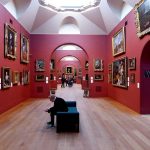
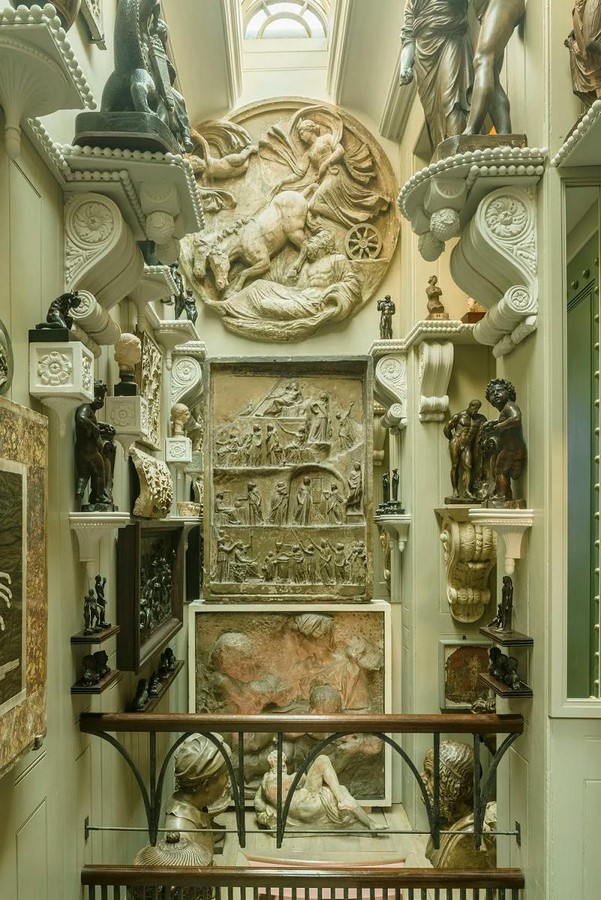
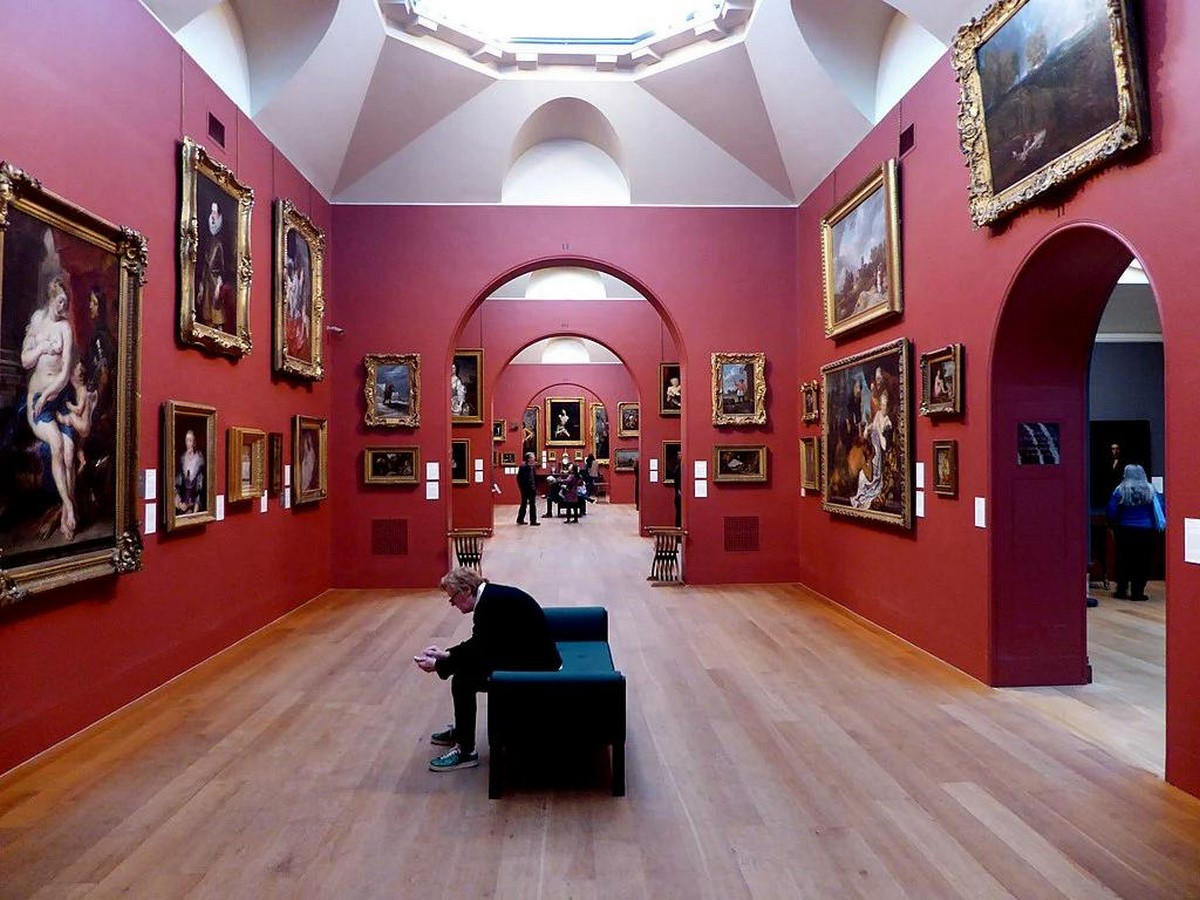
There are many ways to use light and shadow to express a specific feeling within the spaces we create. A notable figure of the Romantic era is Sir John Soane, who famously used skylights to cast dramatic light into the rooms he designed. When visiting his house in bustling Holborn, London, one is fully immersed in the meaning behind his carefully curated interiors. His impressive collection of artefacts and paintings is illuminated by singular skylights carved into the ceiling. He employed this technique in projects such as the Dulwich Picture Gallery, allowing natural light to pierce the space and illuminate the artwork. This approach is often more effective than artificial lighting, which can reflect off the glass frames of artworks and compromise the viewer’s experience.
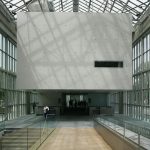
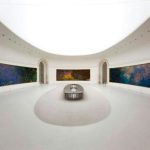
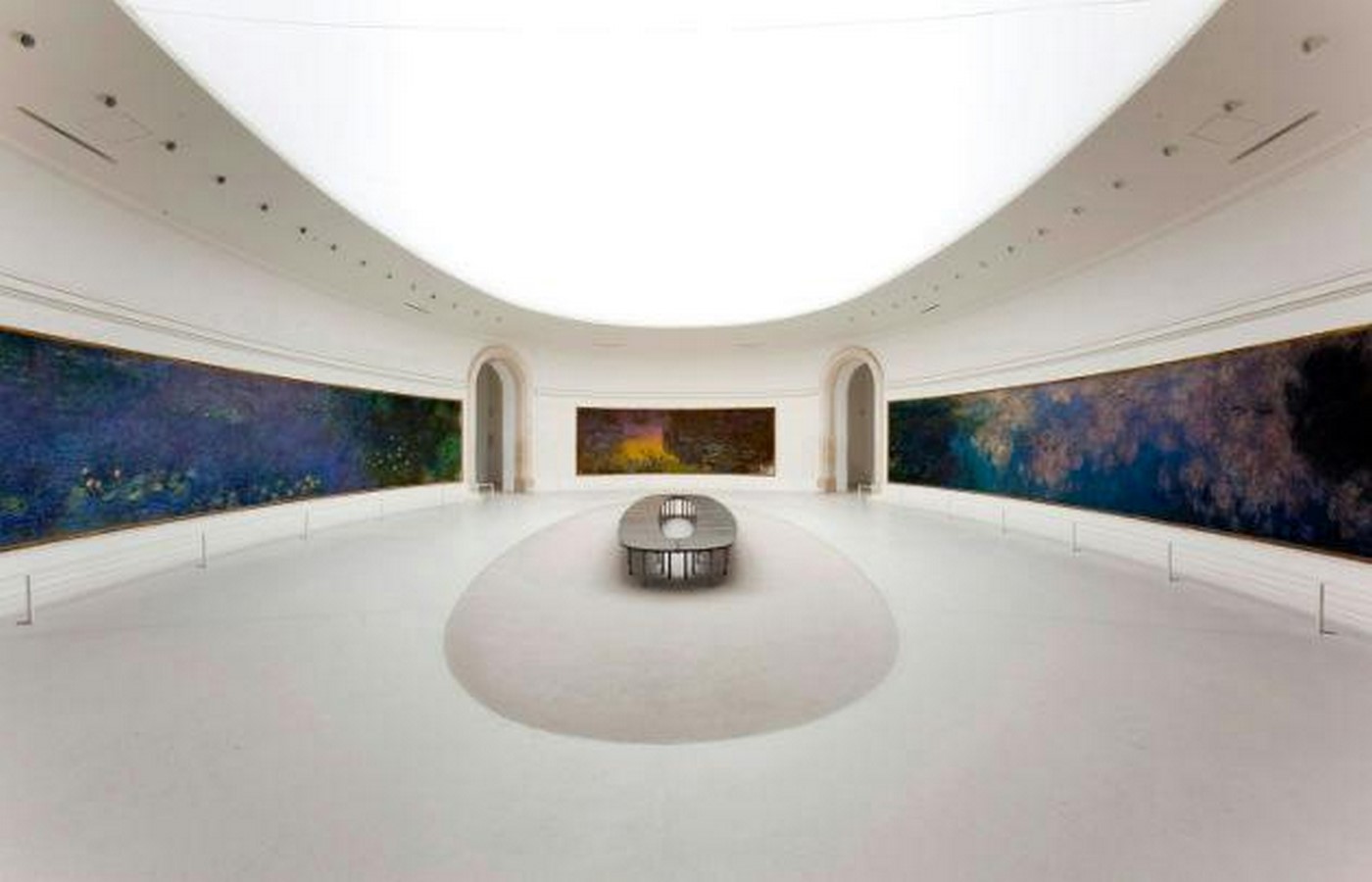
A remarkable example of natural light in an exhibition space is the Musée de l’Orangerie in Paris, particularly its iconic oval rooms that showcase Monet’s Water Lilies. Simple yet powerful, the minimalist design of these rooms combined with the intense natural light during visiting hours creates the perfect setting for admiring these masterworks. The museum as a whole uses light and shadow to craft a refined, immersive experience. Its neoclassical exterior evokes the grandeur of the past, while the interior features a modernist, minimalist approach. The entrance hall, a blend of old and new, transports the visitor to another realm. With large windows and a double-height space, it evokes the cathedral effect. Anthropologist Edward T. Hall described how high ceilings create a sense of openness, encouraging imagination, critical thinking, and creativity, while lower ceilings can foster intimacy and introspection.
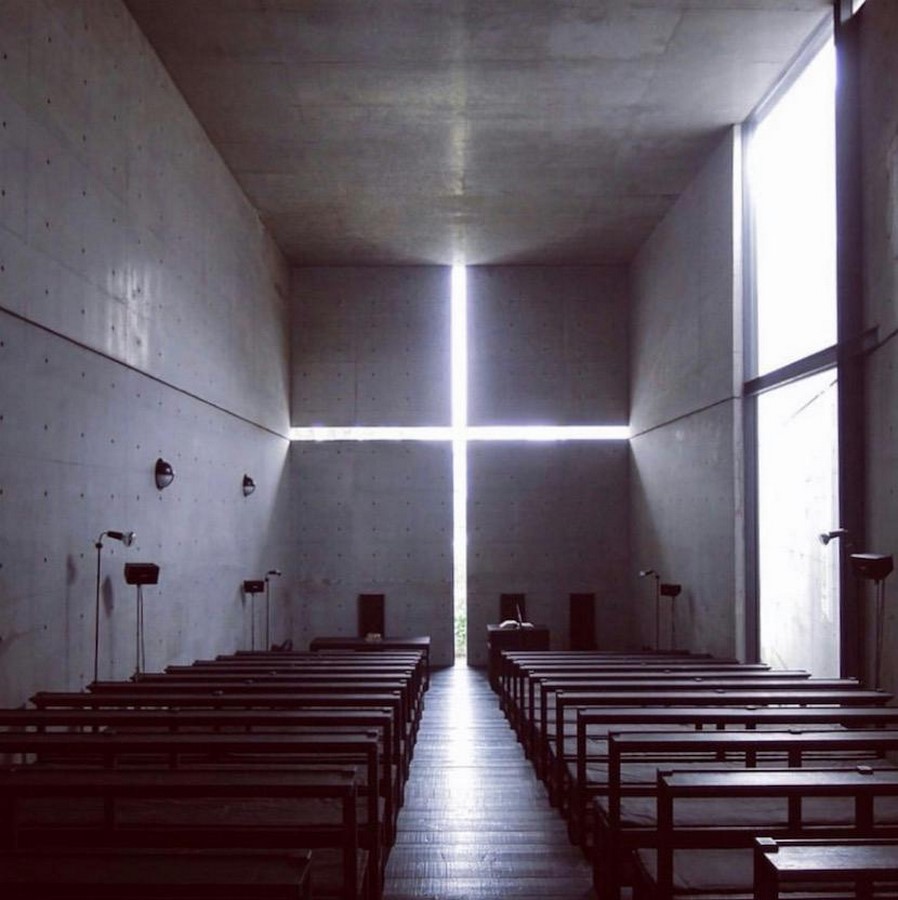
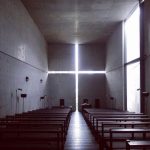
Another pioneer of the interplay between light and shadow is Tadao Ando. A true master of light, Ando has created numerous remarkable designs that invite the viewer into a rich sensory experience. Paradoxically, although he works primarily with concrete, light becomes a catalyst in his designs, bringing clarity and purity to the space. One of his most renowned works, the Church of the Light, is a timeless meditation on illumination. As Ando stated: “Light, alone, does not make light. There must be darkness for light to become light — resplendent with dignity and power. Darkness, which kindles the brilliance of light and reveals light’s power, is innately a part of light.” Interestingly, this Christian church’s unconventional design reminds us that it is the relationship with the space in which we pray that connects us to the divine—not the ornate golds of traditional ecclesiastical architecture.
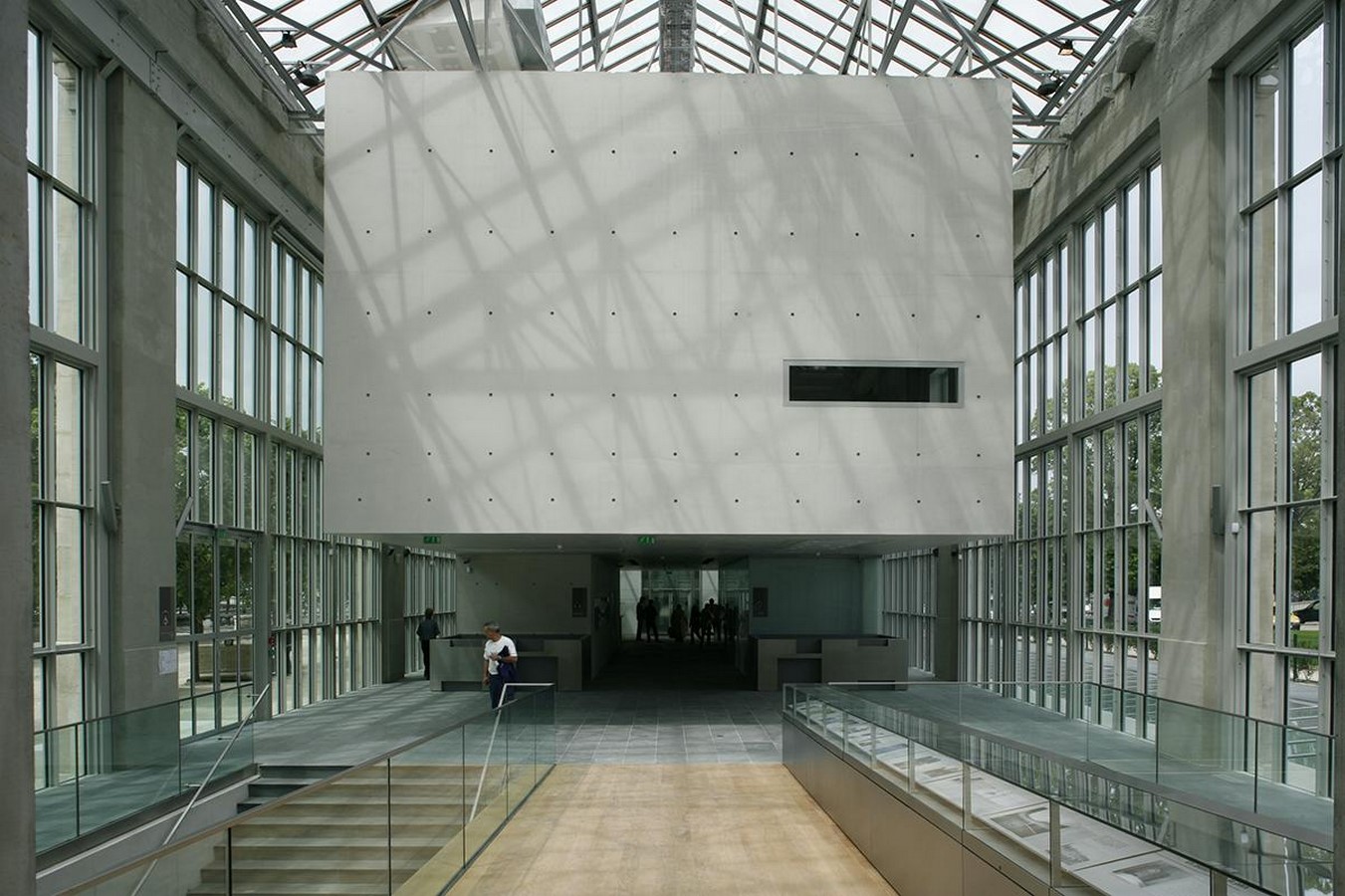
When discussing spatial perception, it is important to consider how colour influences our sense of proportion. Lighter colours can expand a space visually, while darker tones can make it feel more enclosed. These techniques are powerful tools in shaping how we experience architecture. For example, in more intimate spaces such as homes, schools, or libraries, lower ceilings and warmer, darker colours may be used to foster a sense of comfort and connection. In contrast, monumental buildings like museums or memorials often use grand scales and neutral or stark colours to create a sense of openness and to provoke reflection, reminding us of our place in relation to the art or memory we are engaging with.
In conclusion, since ancient times, architects have understood how light, proportion, and colour can transform a space. These elements have been used intentionally to design environments that resonate with the purpose and emotions they are meant to convey. Yet the manipulation of spatial perception is not a rigid formula—it remains an open field for experimentation. This flexibility is what gives architects their power: the ability to continuously discover new ways to inspire, innovate, and move people through space.
References:
Ghisleni, C. (2025) ‘The Power of Scale: How Proportions Shape Human Experience’, ArchDaily, 26 March. Available at: https://www.archdaily.com/1028277/the-power-of-scale-how-proportions-shape-human-experience (Accessed: 11 May 2025)
Pooky Lighting. (2021) ‘Great interior designers: Sir John Soane’, Pooky Lighting Blog, 16 February. Available at: https://www.pooky.com/blogs/inspiration/great-interior-designers-sir-john-soane (Accessed: 11 May 2025).
Hsiao, E. (2023) ‘Unlocking the Cathedral Effect: How Designers Can Elevate Their Creativity, According to Science’, Bootcamp, 10 April. Available at: https://medium.com/design-bootcamp/unlocking-the-cathedral-effect-how-designers-can-elevate-their-creativity-according-to-science-2eede1b87343 (Accessed: 11 May 2025)
Images:
BLP & associés. (n.d.) ‘Musée de l’Orangerie / Paris’, BLP & associés. Available at: https://www.blp.archi/projets/musee-de-lorangerie (Accessed: 11 May 2025).
Paris je t’aime. (n.d.) Exhibition at the Musée de l’Orangerie. Available at: https://parisjetaime.com/eng/article/exhibition-musee-orangerie-a1110 (Accessed: 11 May 2025).
Zest and Curiosity. (2019) Tadao Ando – Church of the Light. Available at: https://www.zestandcuriosity.com/2019/07/22/tadao-ando-church-of-the-light/ (Accessed: 11 May 2025).