
Architecture, at its most impactful, doesn’t simply shape space – it shapes the people within it. Increasingly, architects and urban designers are waking up to a vital truth: meaningful places are not made for communities, they are made with them. The current architectural practice is transforming its fundamental approach by rethinking how designers interact with their target communities.
The developing co-creation ethos opposes conventional top-down approaches by making stakeholders active participants in the development of spatial interventions through all stages of ideation design and implementation. The transformation represents an ethical requirement which addresses immediate worldwide needs for social fairness, environmental stewardship and civic participation (Sanoff, 1999; Till, 2005). Users take on an active role as agents who contribute both situated knowledge and emotional investment towards their built environments according to this model.
The Psychology Behind Participatory Design
The core principle behind co-creation rests on the psychological understanding that individuals develop strong emotional and intellectual connections with environments they consider their own. According to Scannell and Gifford (2010), place attachment in environmental psychology describes the emotional and cognitive bonds people form with their surroundings. People develop stronger bonds with their surroundings through active participation in shaping their environment.
There is more than nostalgia to this concept. Research indicates that people who strongly connect to their environment become more active citizens while building stronger community bonds and experiencing better mental health (Manzo and Perkins, 2006). People who feel they can affect their environments demonstrate lower stress levels and greater satisfaction and motivation to maintain their spaces throughout time (Evans and McCoy, 1998).
Then there’s agency, perhaps the most critical piece of the puzzle. The act of co-creation enables individuals to establish their right to become part of the community while making their presence significant and designing the path ahead. Underrepresented communities find psychological relief through an agency when they participate in spatial projects because it directly addresses the historical denial of spatial rights (Frediani and Boano, 2012). These places achieve better design through their commitment to justice and care and human-centred principles.
R-Urban: A Story of Collective Place-Making in France
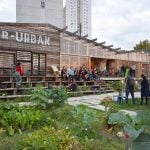
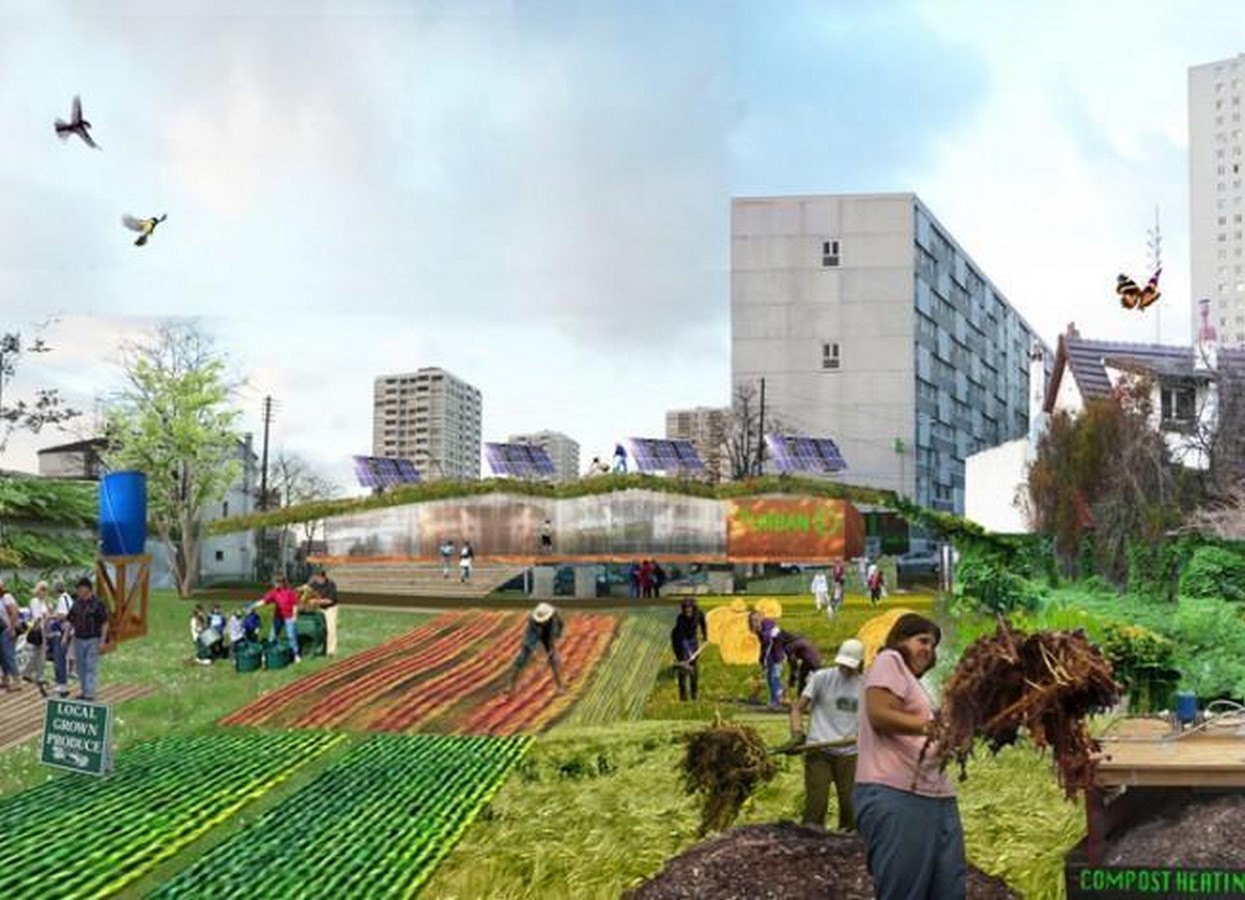
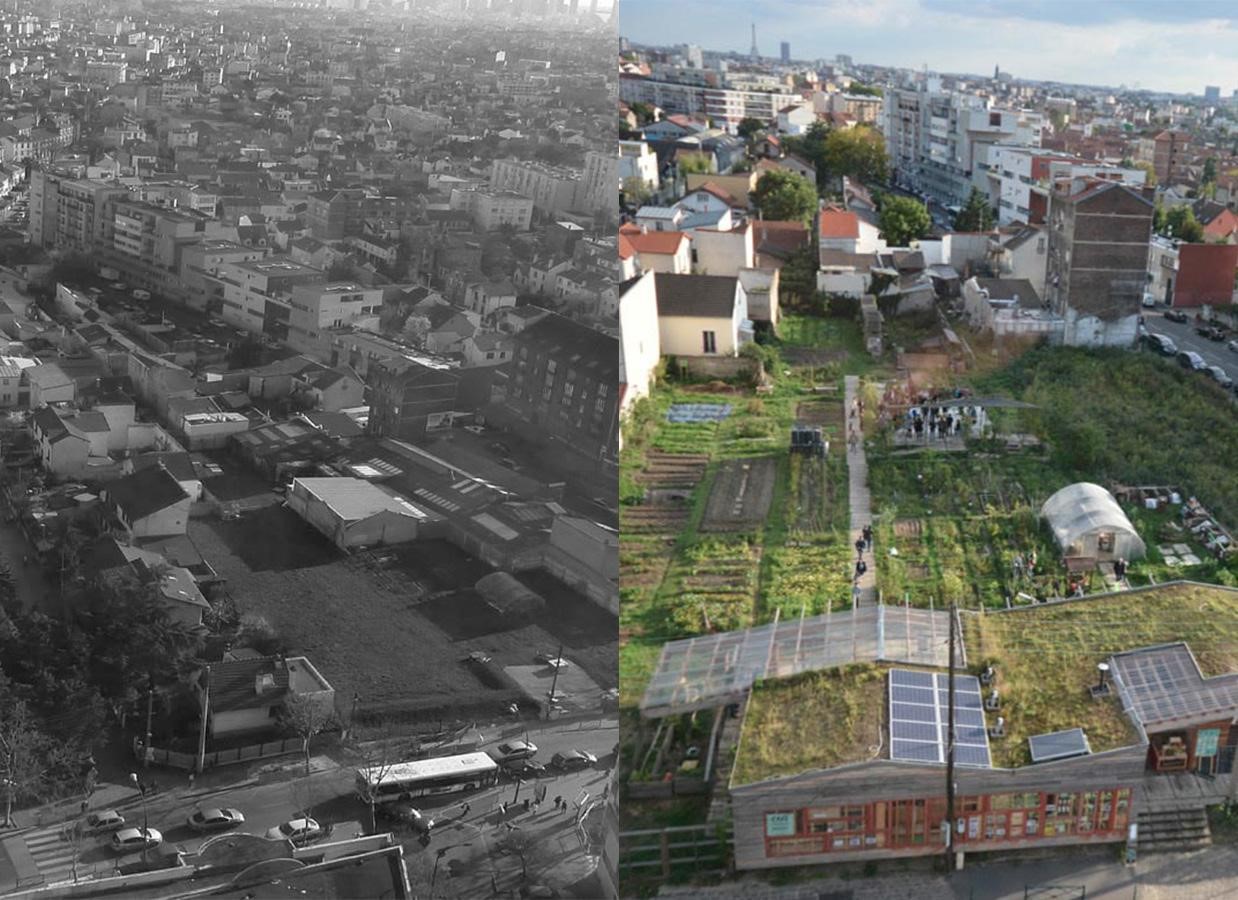
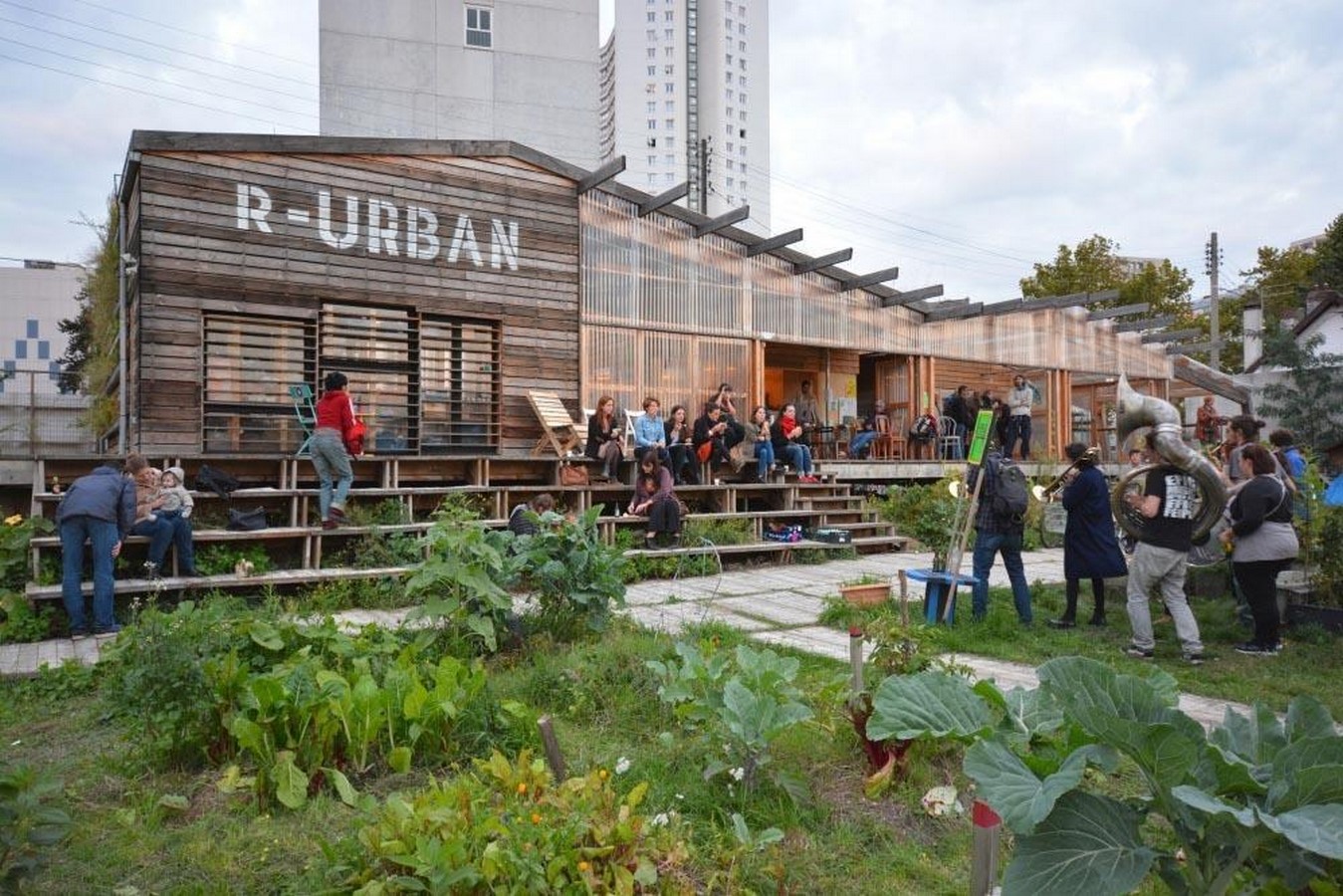
The R-Urban project demonstrates how this approach manifests through its implementation in a Parisian suburb. The architecture collective Atelier d’Architecture Autogérée (AAA) launched R-Urban as an active network where residents jointly develop urban resilience.
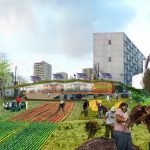
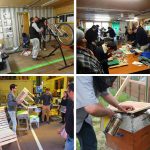
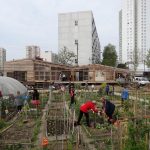
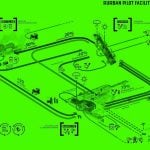
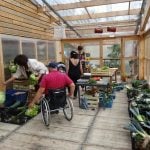
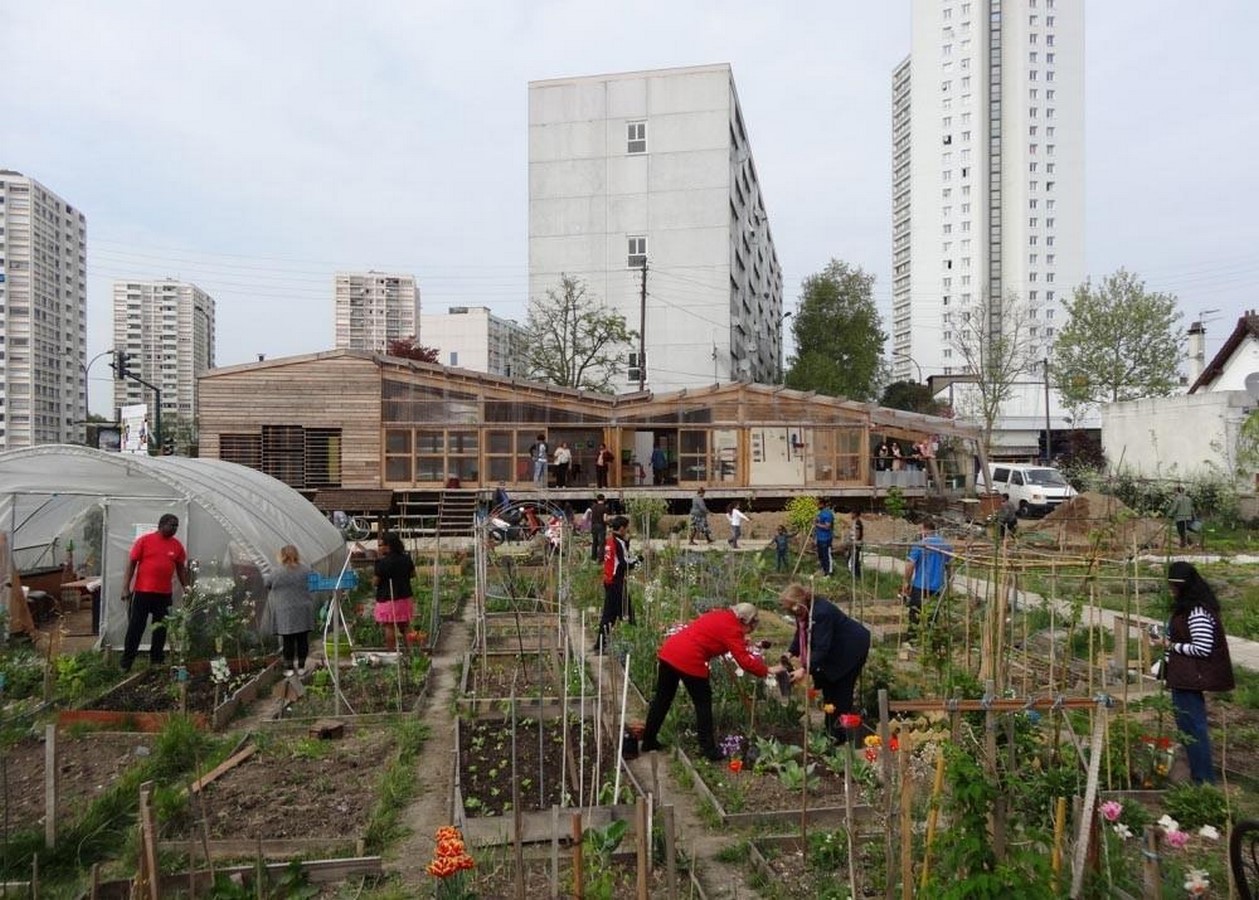
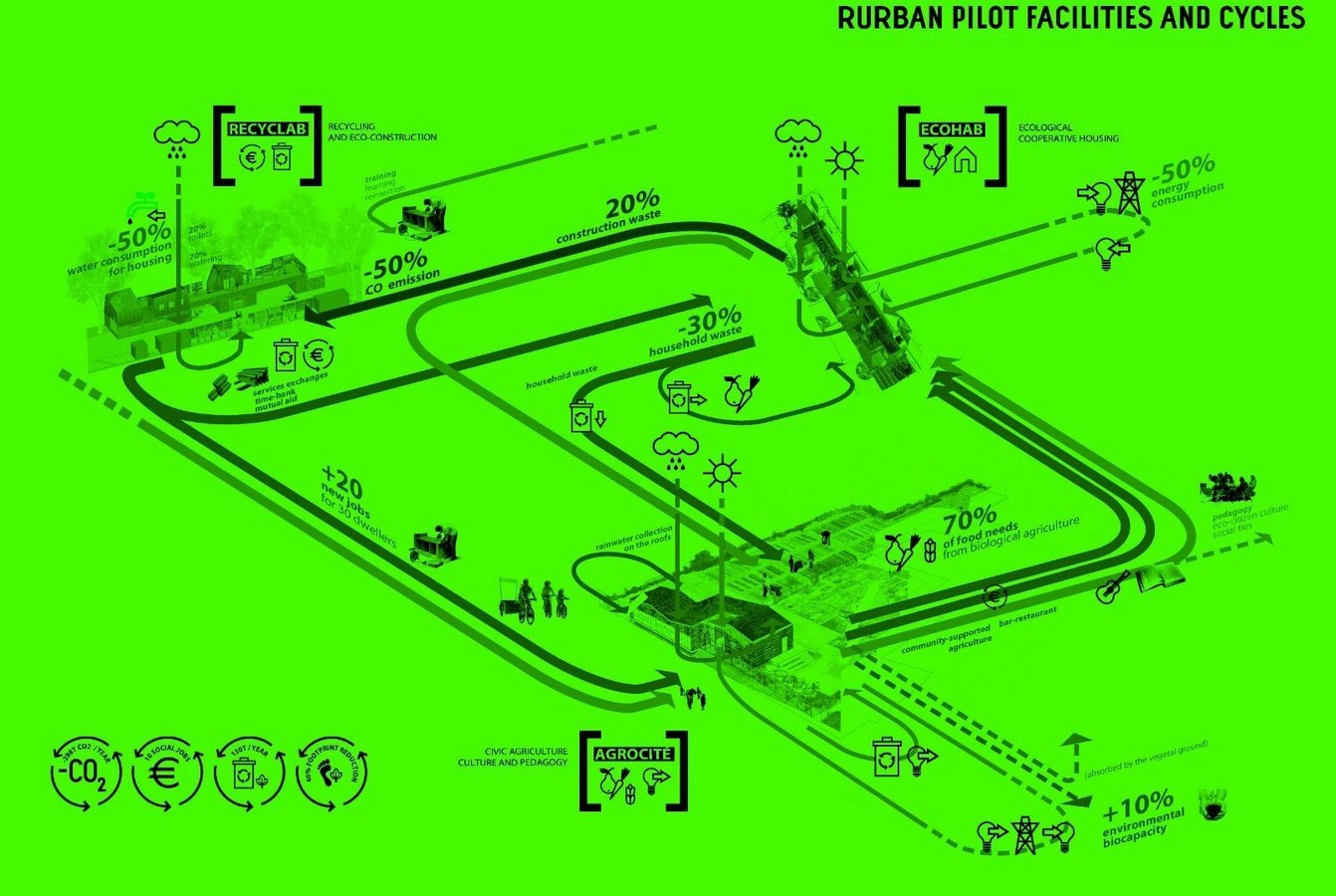
R-Urban presents itself as unassuming because it includes a community garden recycling workshop and experimental homes. The radical transformation of urban development becomes visible when you examine R-Urban beyond its initial appearance of modesty. The project components Agrocité (urban agriculture), Recyclab (upcycling and ecological fabrication) and EcoHab (sustainable housing) resulted from collaborative design and construction efforts between residents and the project team (Petrescu, Petcou and Baibarac, 2016). The governance models compost bin placements and other decisions developed through public debates, open meetings and co-design workshops.
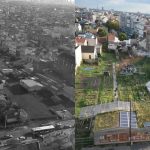
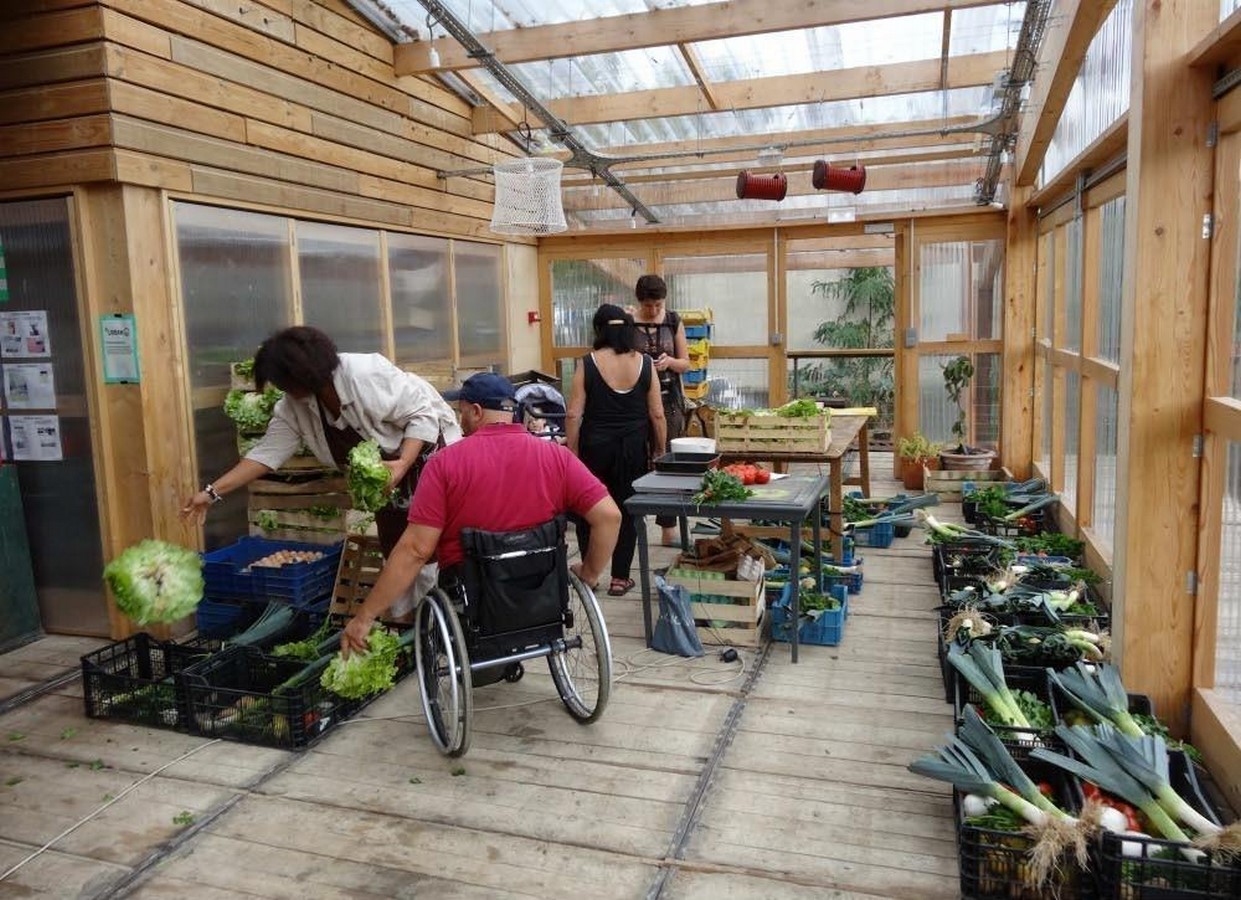
The Agrocité project converted an inactive area into a useful garden space that served as a community gathering place. The community members took charge of selecting garden crops and organising maintenance responsibilities and event and educational activities for the site. Through this process, the garden evolved into a commons which functioned as an ecological system of mutual care and cooperation that grew from community work.
The participants expressed more than satisfaction with the completed outcome. The gardening process rejuvenated their minds, and they formed new friendships during weeding tasks, raised bed construction, and developed stronger connections to their community. R-Urban demonstrates how participatory design creates spaces that represent our present identity and our desired future self.

More Than Just Design: The Deep Benefits of Co-Creation
The psychological and social advantages that emerge from co-creation continue to expand throughout the community. Through community involvement in design activities, people construct both physical infrastructure and social bonds that generate trust and empathy and create a unified direction.
Through participatory design social dialogue becomes possible. A retired gardener who attends a neighbourhood meeting works alongside a young student to develop a layout design. The process of deciding park functionality allows immigrants to team up with long-time residents and discover mutually beneficial solutions. Sociologists describe these community interactions as social capital because they create bonds which unite communities (Healey, 1997).
From a psychological standpoint, these benefits are profound. Participation breeds ownership. Ownership breeds care. And care breeds continuity. The spaces endure not as fixed monuments, but as dynamic processes of living together.
Barriers and Dilemmas: What Co-Creation Must Confront
The method of co-creation does not solve every problem. The concept of collective design needs evaluation against actual limitations that exist in practice. Tokenism remains a major threat because it allows communities to participate visibly yet their input lacks meaningful impact. Participatory methods lose their value when they serve as superficial tools for predetermined agendas without actual changes in power dynamics and procedural practices.(Cooke and Kothari, 2001) Architects must give up some control while they listen deeply and adapt through multiple iterations to achieve genuine co-creation.
The problem of uneven participation exists as a major challenge. People differ in their ability to participate because they have varying amounts of available time and different language abilities and communication confidence levels. The lack of intentional participation design creates a system that allows dominant voices to dominate while silencing those who need protection. (Purcell, 2006)
Building the Future: Education, Tools, and Ethics
The future direction of architectural co-creation remains to be determined. The first step requires modifying the training approach for architects. Design education needs to include three essential components: empathy alongside function and form and cultural literacy and facilitation skills (Awan, Schneider and Till, 2011). Studio culture needs to develop its approach by integrating both critique and collaboration with non-expert professionals, neighbours, activists, and elders or other relevant actors in the neighbourhood.
Technology serves as a helpful tool but it must enhance human relationships without substituting them. The tools of participatory mapping, augmented reality and mobile surveys enable broader community engagement (Gordon and Manosevitch, 2011). The implementation of these tools requires a combination of direct conversations, local engagement and sustained relationships.
The funding models need to transform their approach to support co-creative practices. Municipalities and philanthropies should understand that inclusive sustainable development requires participatory processes as fundamental elements. Through collaborative design efforts communities create spaces that become the foundation for their future.
The practice of co-creation functions as a narrative that defines both cities’ intended audience and their design process. The architect serves as a co-editor in this narrative by developing space through collaborative dialogue with other stakeholders. Community members move beyond their role as passive audiences to become active storytellers.
The R-Urban project demonstrates how shared design practices transform infrastructure into more than physical structures. Such spaces accumulate memories, hopes, and expressions of community care. These projects make visible our collective power to create a world through intentional imagination.
And that, in the end, is what architecture should aspire to be: a shared language of hope, resilience, and belonging – written together, lived together, and sustained by the hands of many.
References:
Cooke, B. and Kothari, U. (eds) (2001) Participation: the new tyranny? London: Zed Books. Available at: http://catdir.loc.gov/catdir/toc/hol051/00043473.html (Accessed: 12 April 2025).
Evans, G.W. and McCoy, J.M. (1998) ‘WHEN BUILDINGS DON’T WORK: THE ROLE OF ARCHITECTURE IN HUMAN HEALTH’, Journal of Environmental Psychology, 18(1), pp. 85–94. Available at: https://doi.org/10.1006/jevp.1998.0089.
Frediani, A. and Boano, C. (2012) ‘Frediani, A., & Boano, C. (2012). Processes for Just Products: The Capability Space of Participatory Design. In I. Oosterlaken, J. V. D. Hoven (Eds.), The Capability Approach, Technology and Design. Springer Verlag.’, The Capability Approach, Technology and … [Preprint]. Available at: https://www.academia.edu/1777958/Frediani_A_and_Boano_C_2012_Processes_for_Just_Products_The_Capability_Space_of_Participatory_Design_In_I_Oosterlaken_J_V_D_Hoven_Eds_The_Capability_Approach_Technology_and_Design_Springer_Verlag (Accessed: 12 April 2025).
Healey, P. (1997) ‘Systemic Institutional Design for Collaborative Planning’, in P. Healey (ed.) Collaborative Planning: Shaping Places in Fragmented Societies. London: Macmillan Education UK, pp. 284–314. Available at: https://doi.org/10.1007/978-1-349-25538-2_9.
Manzo, L.C. and Perkins, D.D. (2006) ‘Finding Common Ground: The Importance of Place Attachment to Community Participation and Planning’, Journal of Planning Literature, 20(4), pp. 335–350. Available at: https://doi.org/10.1177/0885412205286160.
Petrescu, D., Petcou, C. and Baibarac, C. (2016) ‘Co-producing commons-based resilience: lessons from R-Urban’, Building Research & Information, 44(7), pp. 717–736. Available at: https://doi.org/10.1080/09613218.2016.1214891.
Sanoff, H. (1999) Community Participation Methods in Design and Planning. John Wiley & Sons.
Scannell, L. and Gifford, R. (2010) ‘Defining place attachment: A tripartite organizing framework’, Journal of Environmental Psychology, 30(1), pp. 1–10. Available at: https://doi.org/10.1016/j.jenvp.2009.09.006.
Till, J. (2005) ‘The negotiation of hope’, in Architecture and Participation. Routledge.