Architecture is witnessing significant transformations as a result of new digital technology. These tools help students learn by improving or replacing traditional methods like hand drawing and physical model fabrication. This shift changes how we communicate and perceive architectural knowledge. This essay analyses novel methods of teaching architecture in the digital era, shedding light on the significant impact these developments have on the profession’s future and their far-reaching implications for all stakeholders.
Innovative Approaches
With significant technological breakthroughs, the architecture of the future is about to shift. Projection technologies, holographic technology, art installations, digital advertising, and information interchange may all have a significant impact on architecture shortly. Projection technologies are already being employed in a variety of applications to create dynamic and interactive worlds for people. Looking ahead, projection technology will be used to create interactive holographic representations in public areas and the workplace, providing consumers with a more immersive experience than ever before. This type of interactive environment might include interactive art pieces, as well as digital screens or projections that display real-time information and advertising content.
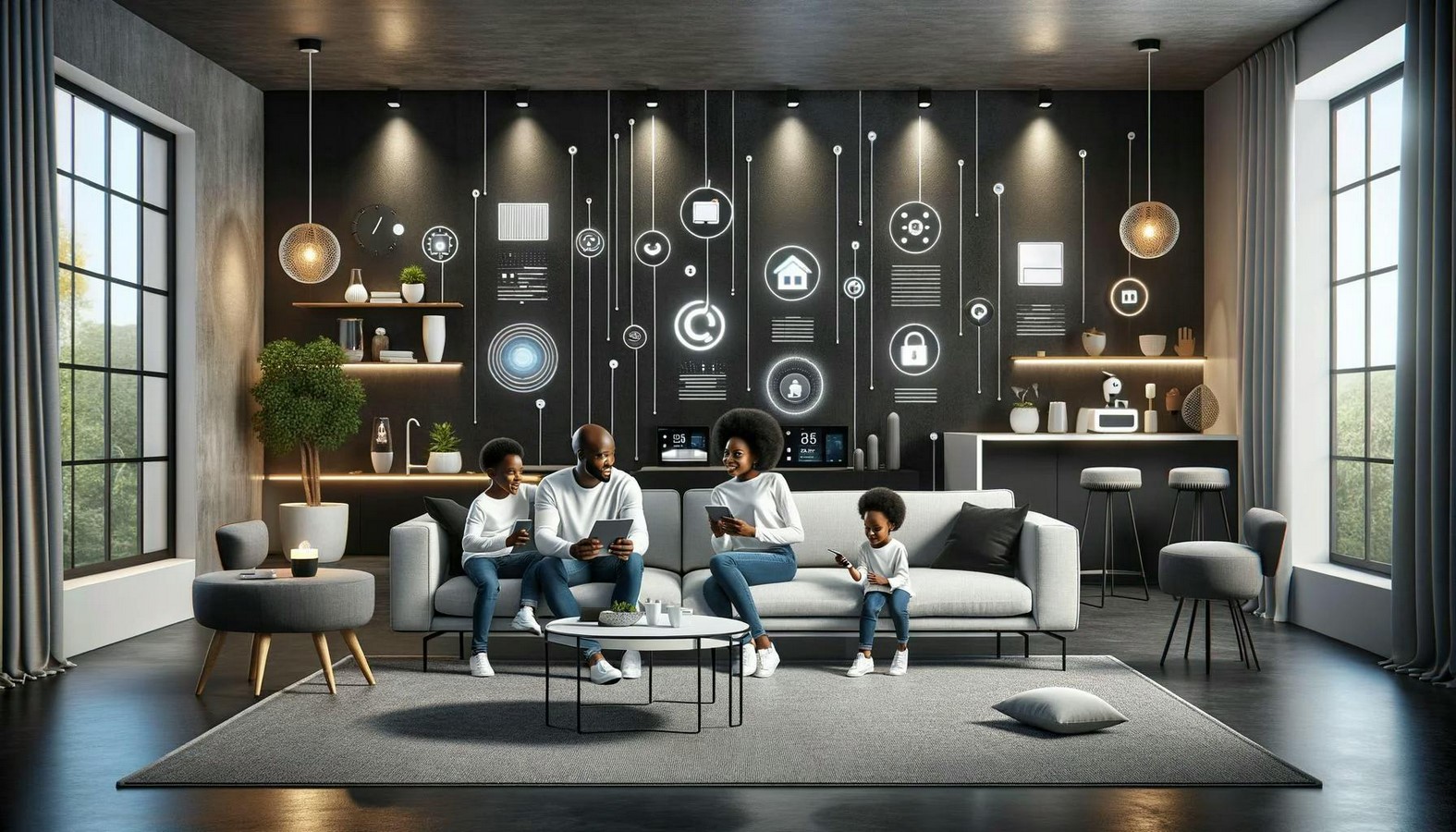
Virtual meeting rooms and conference halls might be created using holographic technology, allowing individuals from all over the world to assemble in one location. This technology also provides several options for live-streaming events and conferences, which are increasingly popular as technology advances. Soon, architecture may use artificial intelligence (AI) to develop intelligent buildings that adapt in real-time to the requirements of their occupants. These constructions might use AI-powered building sensors to monitor air quality, temperature, and even water levels within the building, altering conditions accordingly for ideal living or working settings. Much of this is currently possible and may be implemented into existing structures and future construction projects.
Sustainability
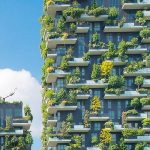
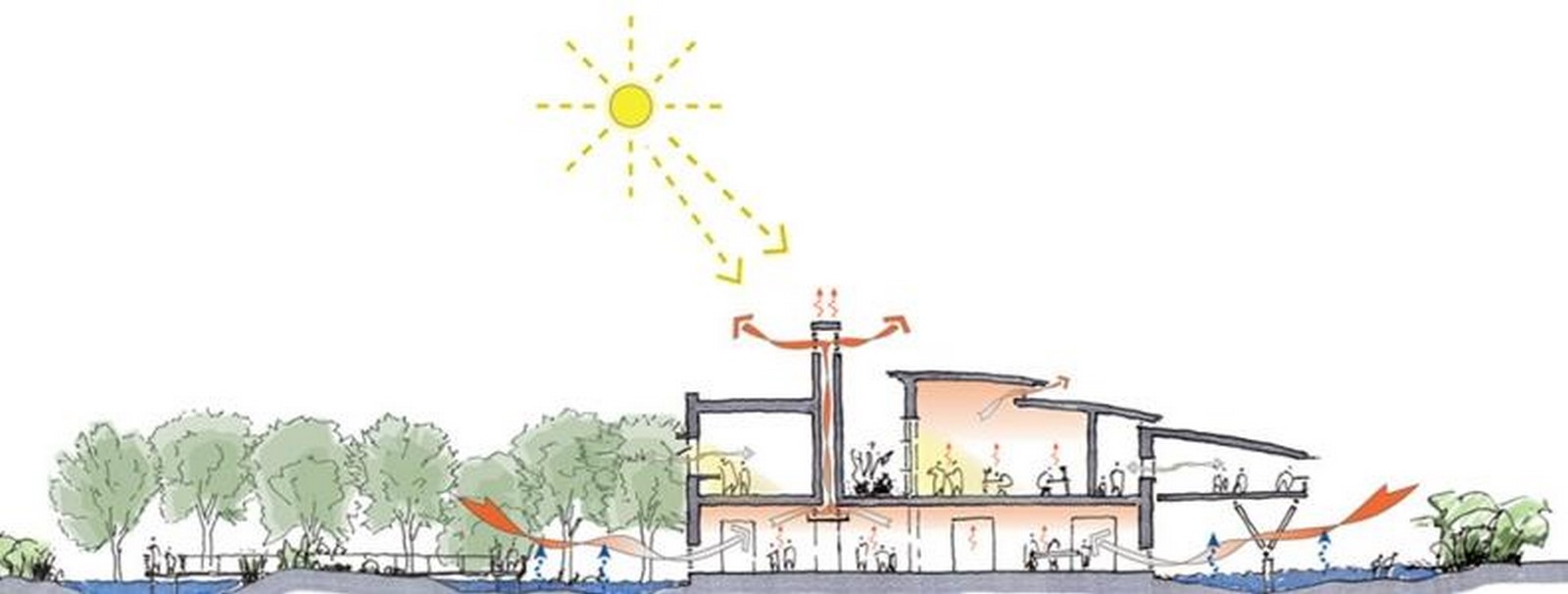
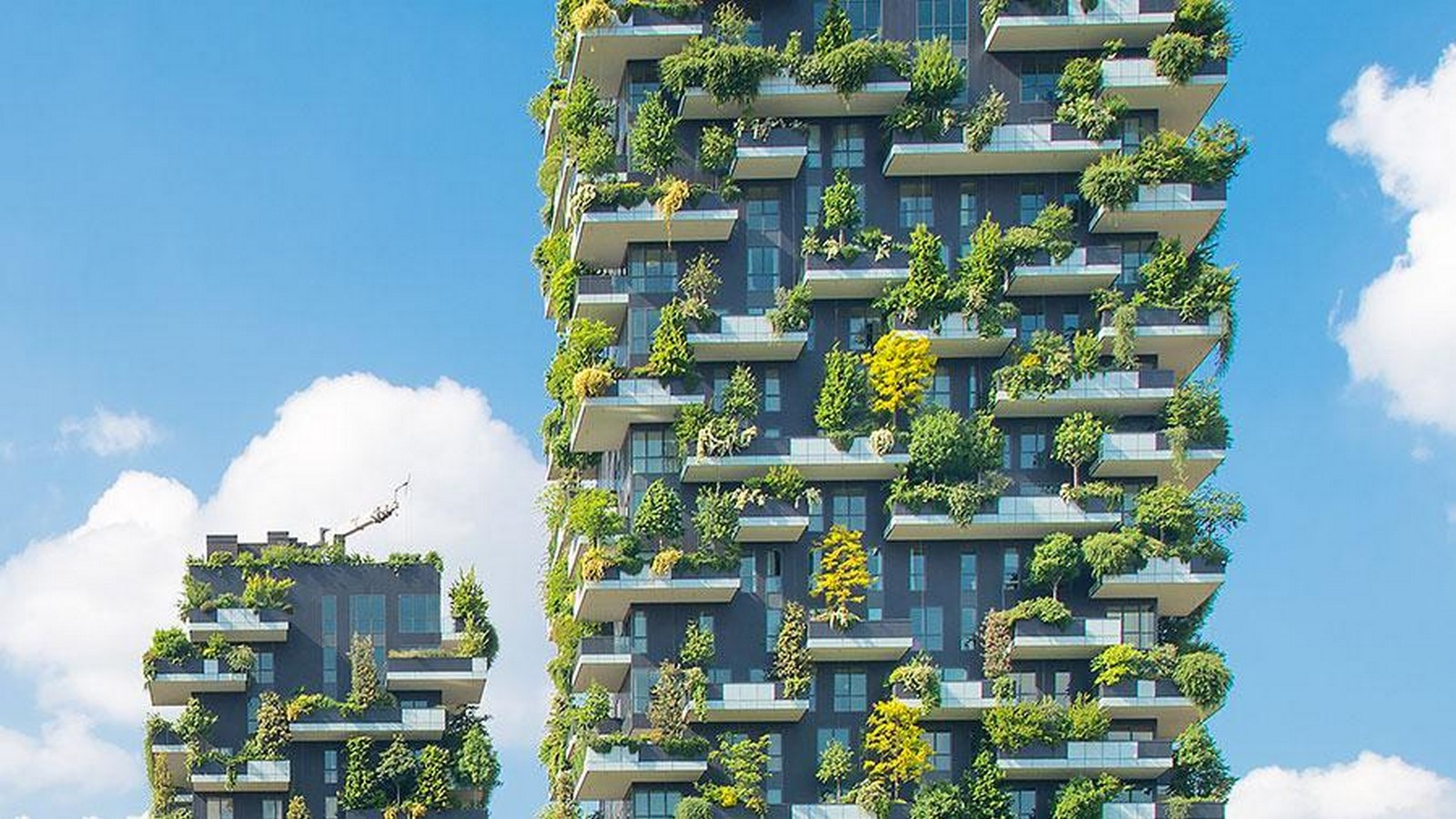
It is anticipated that “architecture for sustainability” will be the way ahead. Sustainable architecture aims to reduce buildings’ negative environmental impact through efficient and careful use of materials, energy, and space. Its goal is to eliminate waste and build a healthier, more livable environment. Architects will design structures that are long-lasting and require little maintenance, while also offering the amenities needed for a comfortable and healthy lifestyle. Green roofs, walls, and gardens can help to minimize energy use by insulating and absorbing solar heat during hot weather. These characteristics help encourage vegetation growth on the building’s surface, lowering air pollution and keeping temperatures cooler in urban areas. Digital technologies play an important part in design since they enable us to produce environmentally friendly structures. Using technologies like Autodesk Ecotect and Green Building Studio helps in the decision-making process as it assesses the building’s energy efficiency. It encourages environmentally rich and sustainable solutions. And if such topics are included in the architecture curriculum then it will also encourage the new generation of architects to also take sustainability into serious consideration along with other design aspects.
Softwares and courses
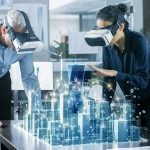
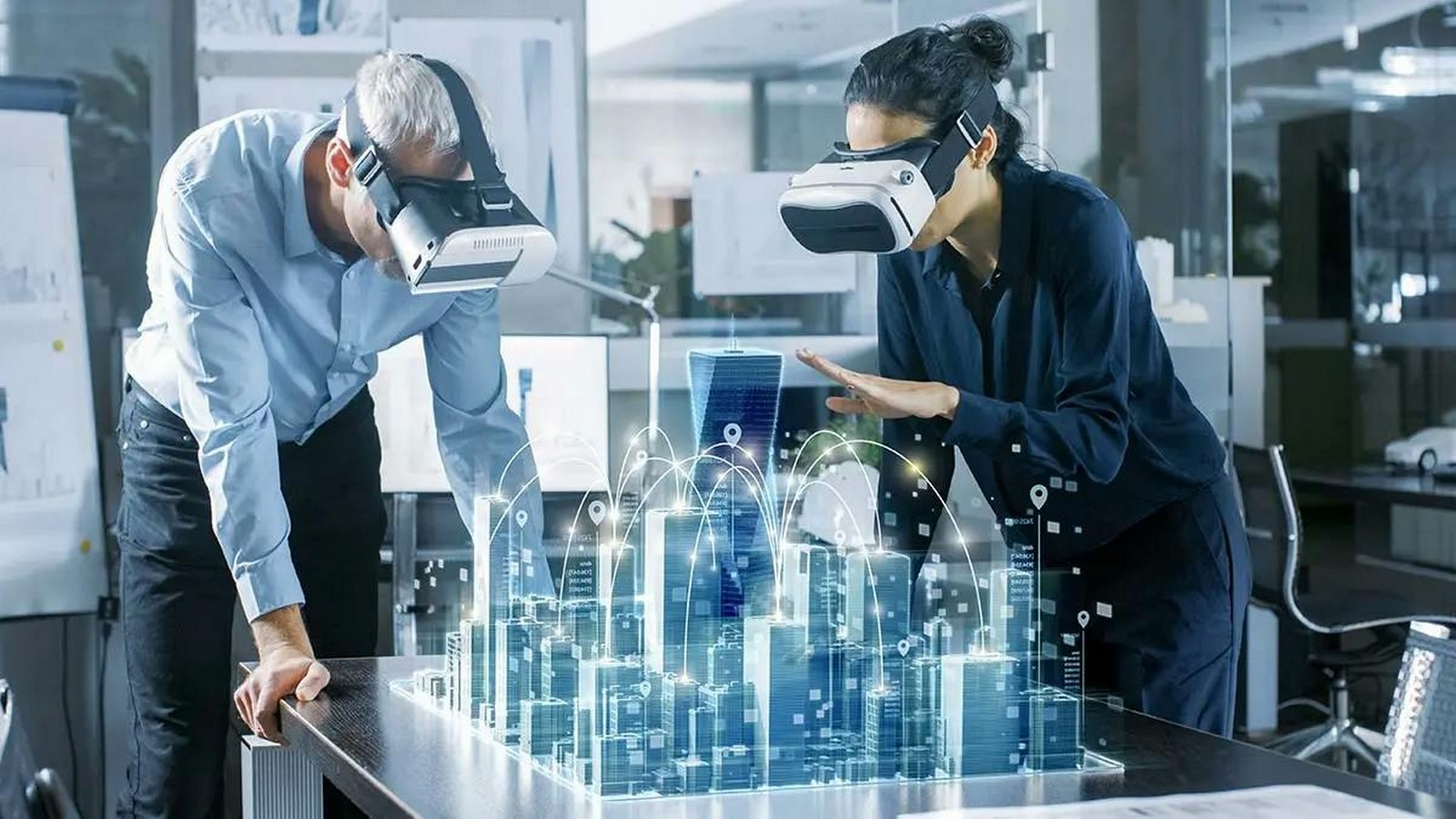
These immersive technologies and software enable students and architects to learn, visualize, and interact with architectural concepts in real-time. Virtual reality (VR) in architecture is changing the way future professionals perceive spatial relationships and design concepts. Tools such as AutoCAD, Rhino, and SketchUp improve design precision and provide practical experience. With the help of such software, not only does it save time, but also provides various options for the client to choose from. These technologies are also very helpful when it comes to structural accuracy, as they can detect issues, suggest solutions, and inform when the building or a particular area is not stable. For such upcoming high-tech software, certain course websites like Coursera and edX make the courses accessible from top colleges to the comfort of your home. Allowing architects to work virtually has changed the lives of architects for the better. They can design buildings for various locations without having to travel there and they can also collaborate with other firms. Tools like Miro and Figma are helpful with collaboration while simulating real-world professional scenarios.
Robotics
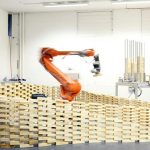
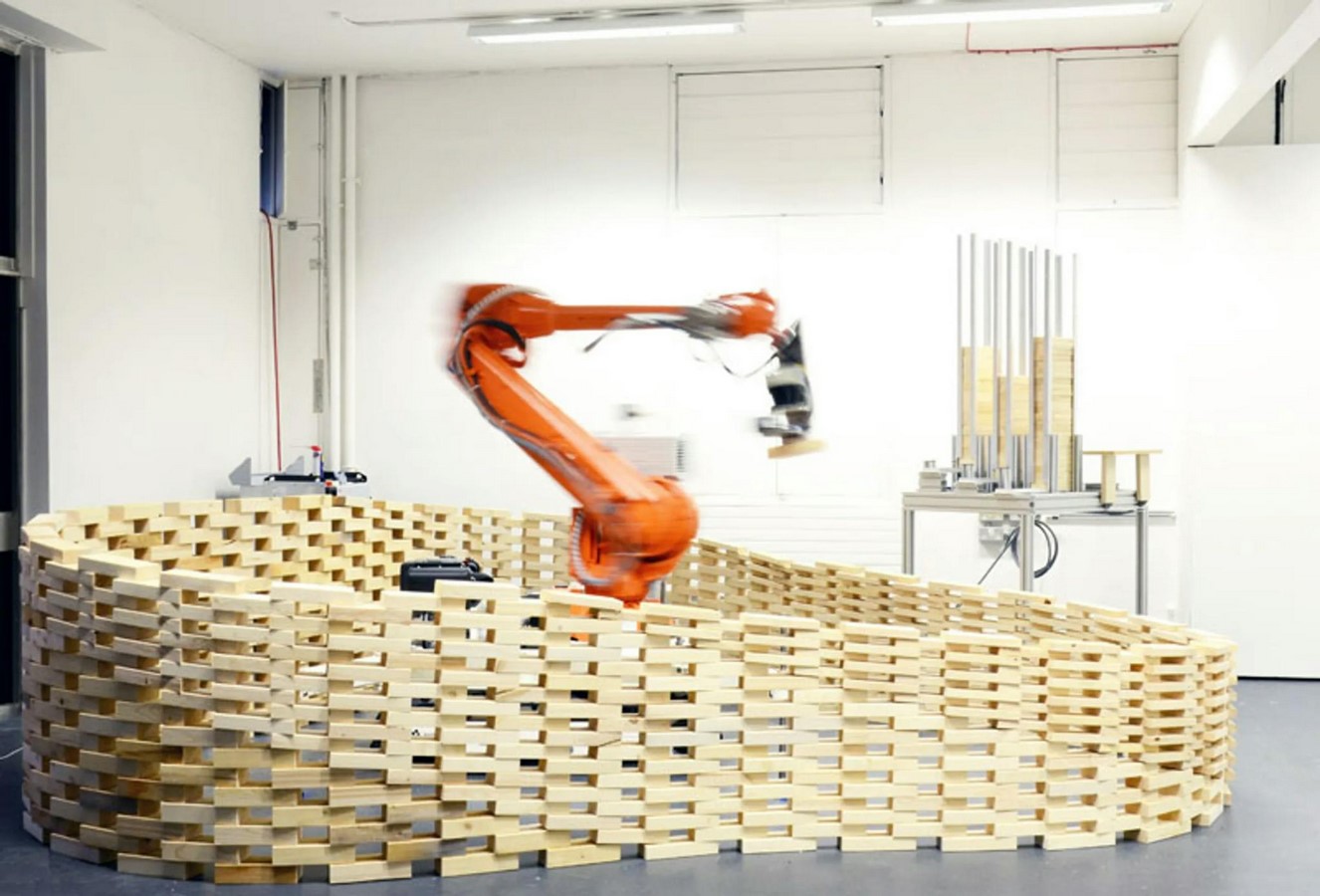
Robotics in architecture is expected to grow dramatically in the future decades. Some expect that robots will become a key construction component within the next 20 years. By incorporating robots into the building process, architects and engineers may build structures with remarkable precision and efficiency. Furthermore, adding robots into modern design opens new possibilities for creating more energy-efficient and ecologically friendly constructions. Robots allow building components to be built faster than human labor, considerably lowering construction time. Furthermore, they can measure and check materials more accurately than humans, allowing architects to build significantly more complex structures with better precision. When discussing building operations, we must think beyond Hoover robots. Perhaps coffee will soon be delivered to our desks by drones, or robot bartenders will make our favorite cocktails for the after-work party. The possibilities are endless and will continue to unfold.
Modularity
Modularity is an ancient design concept but has developed a new sense of meaning in today’s times. The prefabrication industry is booming at the moment. Prefabrication is another innovative approach to future architecture. It allows quick and easy assembly of the structure. Complex components can be efficiently built in the factories and transported to the site with zero to minimal damage. This way, the structure can have sustainable and efficient elements as well. It is also cost-effective. In difficult times, such as COVID-19, when there was an urgent need for hospital-like structures in huge quantities, prefabrication acts as a boon. It also creates minimal building waste. Another advantage of modular design is that it allows the user to change the layout of their space without worrying much about the structural load distribution.
These are a few of the examples of innovative approaches to future architecture. The future of architecture is full of possibilities with the integration of technological advancement. Smart software and 3D printing buildings is only the tip of the iceberg.
Citations:
- Architecture of the future: What awaits us? (2024) GMS. Available at: https://www.gms-mediaservices.de/en/news-2024/architecture-of-the-future/ .
- Finextra (2024) Innovative approaches to learning architecture in the digital age: By retired member, Finextra Research. Available at: https://www.finextra.com/blogposting/27266/innovative-approaches-to-learning-architecture-in-the-digital-age .
- graphics500, noa (2025) How new technology is enabling architects to realize their dream designs, Swapp. Available at: https://swapp.ai/how-new-technology-is-enabling-architects-to-realize-their-dream-designs/ .
- graphics500, noa (2025a) 4 Ways Technology Will Change Architecture Industry, Swapp. Available at: https://swapp.ai/the-future-of-architecture-4-ways-technology-will-change-our-industry/ .
Images:
- In Sustainability, Sustainable Architecture [Photograph] (https://avciarchitects.com/en/innovation-in-architecture/ )
- AI Powered smart home [Photograph] (https://aredgroup.com/how-to-create-an-ai-powered-smart-home/ )
- Green technology. [Photograph] (https://tecamgroup.com/10-examples-of-green-technology/ )
- VR in architecture [Photograph] (https://www.adorama.com/alc/virtual-reality-architecture/ )
- Robots building beautiful structure [Photograph] ( https://spectrum.ieee.org/robots-in-architecture )