Human connections happen in physical spaces, buildings, parks even in public transportation. These spaces either communal or personal are created by people with certain skills and fulfill their purpose through the people who utilize them. The places thrive with these people who spend years in a place, inhabit it, earn their livelihood, and run their day-to-day routines within those confines. As years go by, places get defined by these physical and social characteristics and develop their own unique cultural identity. Gradually with time, all areas tend to undergo decay and as a result, become run down. That is the ‘Eureka’ moment when the real estate companies throng these areas and propose projects in these areas under the guise of redevelopment promising land to the existing residents and end up relocating them.
What is Gentrification
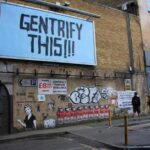
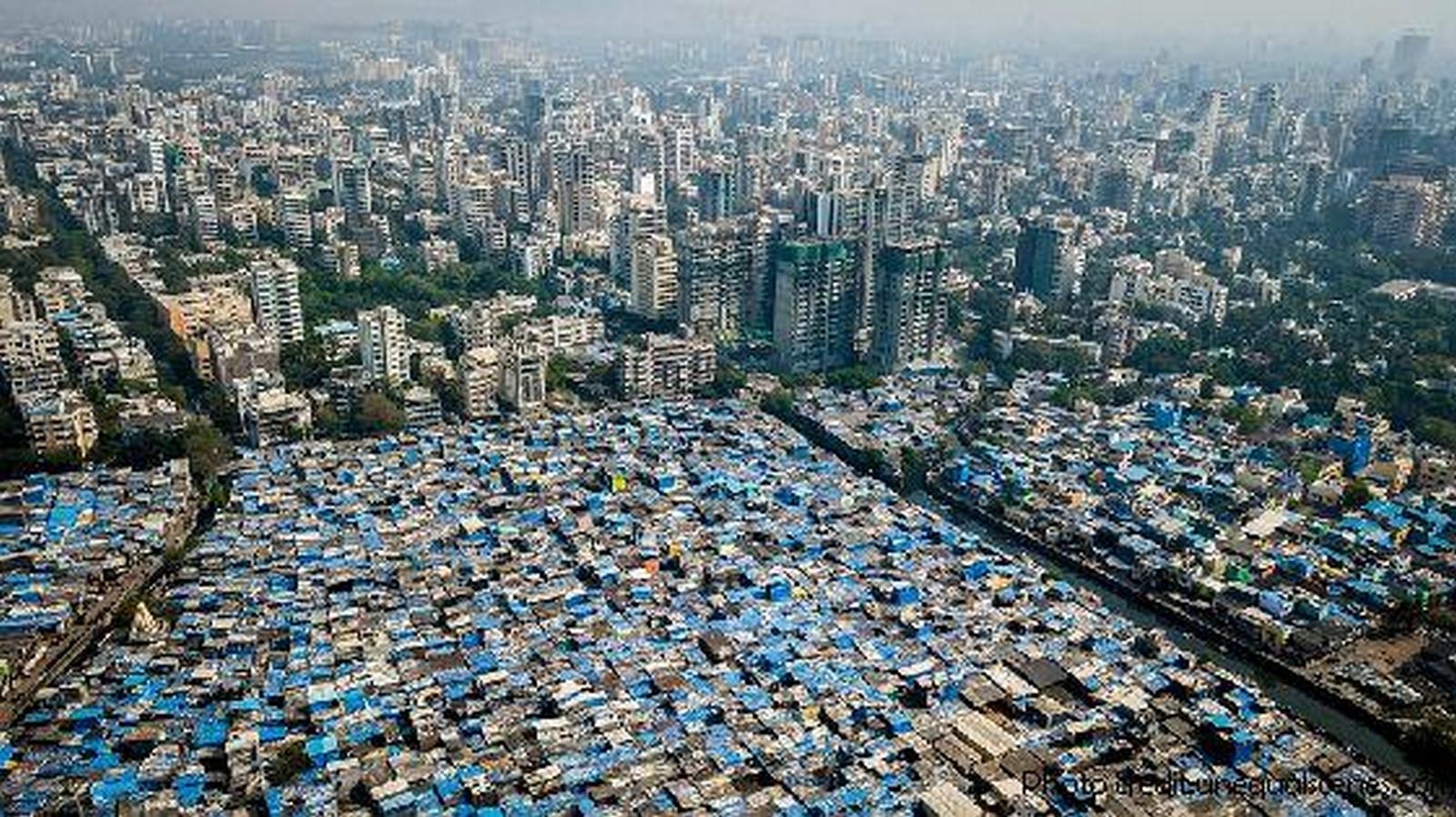
This gradual or abrupt movement of the Haves into the spaces of Have nots is Gentrification. It is the process where in the declining neighborhoods begin to be inhabited by the upper classes gradually and the existing people are driven out and displaced as the place becomes unaffordable for them.
The term ‘gentrification’ was first coined by British sociologist Ruth Glass in 1964 to explain these societal transformations that result in changes in settlement patterns.In late 1960’s London saw the first instance of the use of the term ‘gentrification’ when working-class tenants were displaced by middle-class people who owned property in the city. In this process of displacement, the cultural roots tend to get destroyed. Newer profit-making and commercial spaces are created but the essence of the original place cannot be saved.
Impact on Community
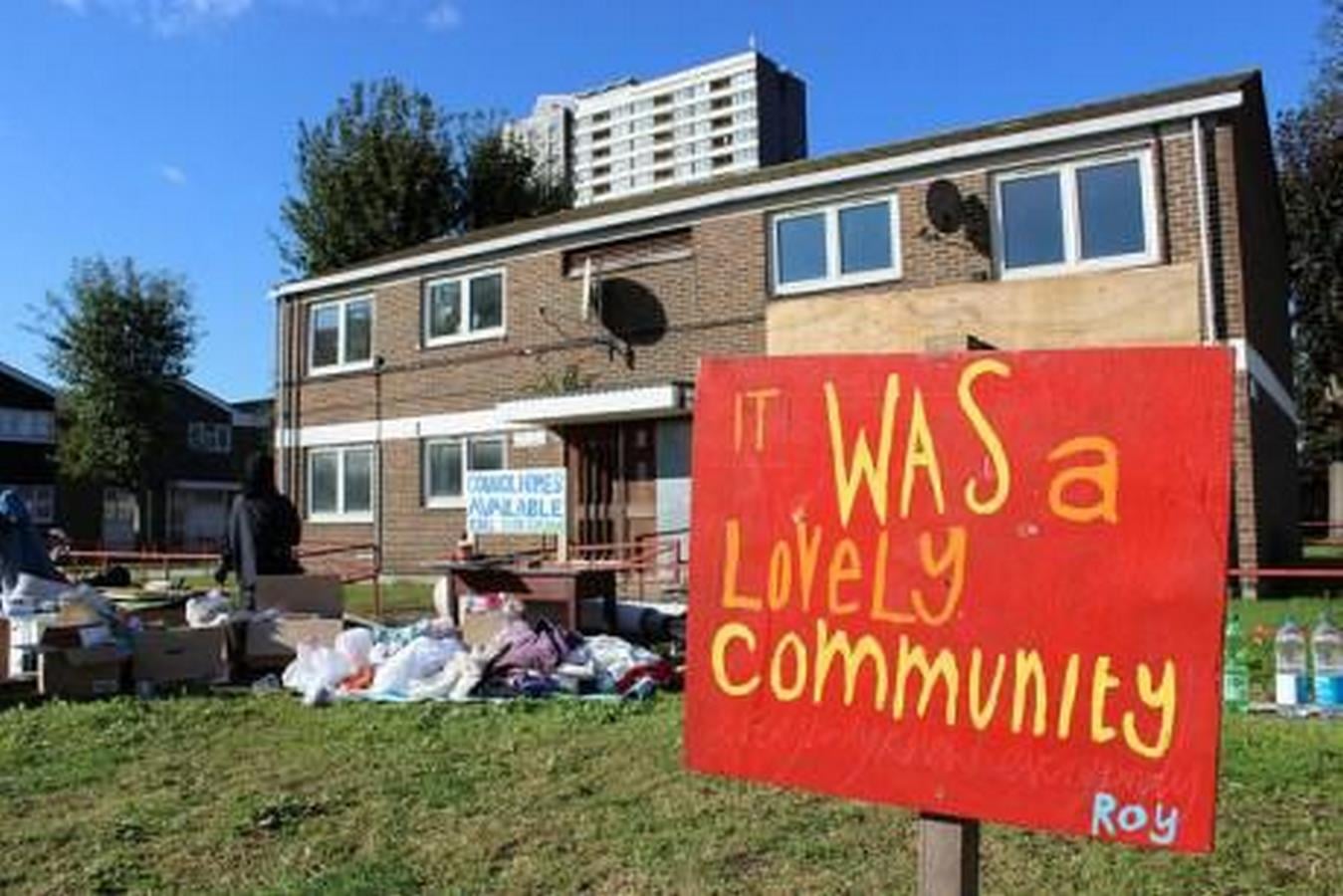
Gentrification usually ends up displacing economically weaker people by increasing cost of living and creating higher rents. This displacement happens in various ways. “Direct displacement” is when residents are forced to move because of rent increases and/or building renovations. “Exclusionary displacement” is when housing choices offered for low-income residents are limited. “Displacement pressures” are when supports and services that low-income families rely on disappear from the neighborhood. Cultural displacement is also common, which involves the closing of long-time neighborhood landmarks like local shops or local restaurants, which can erase the history of a neighborhood and with it a sense of belonging. The influx of this new population of upper- and middle-income residents also changes the political landscape, as new needs emerge and the needs of long-time residents get ignored. The loss of long-time residents’ political power leads to further withdrawal from public participation and a loss of control.
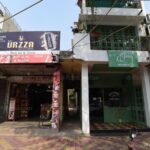
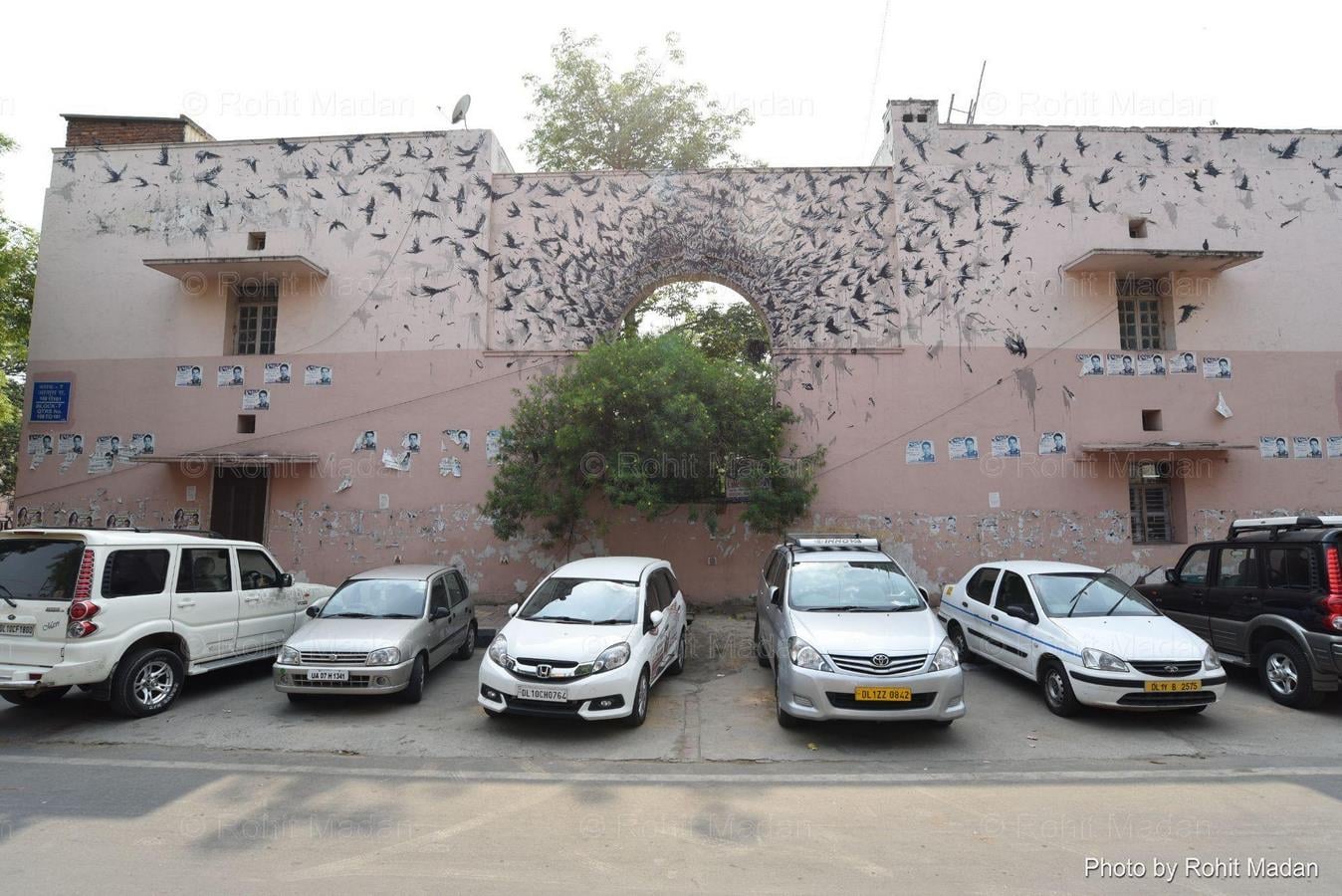
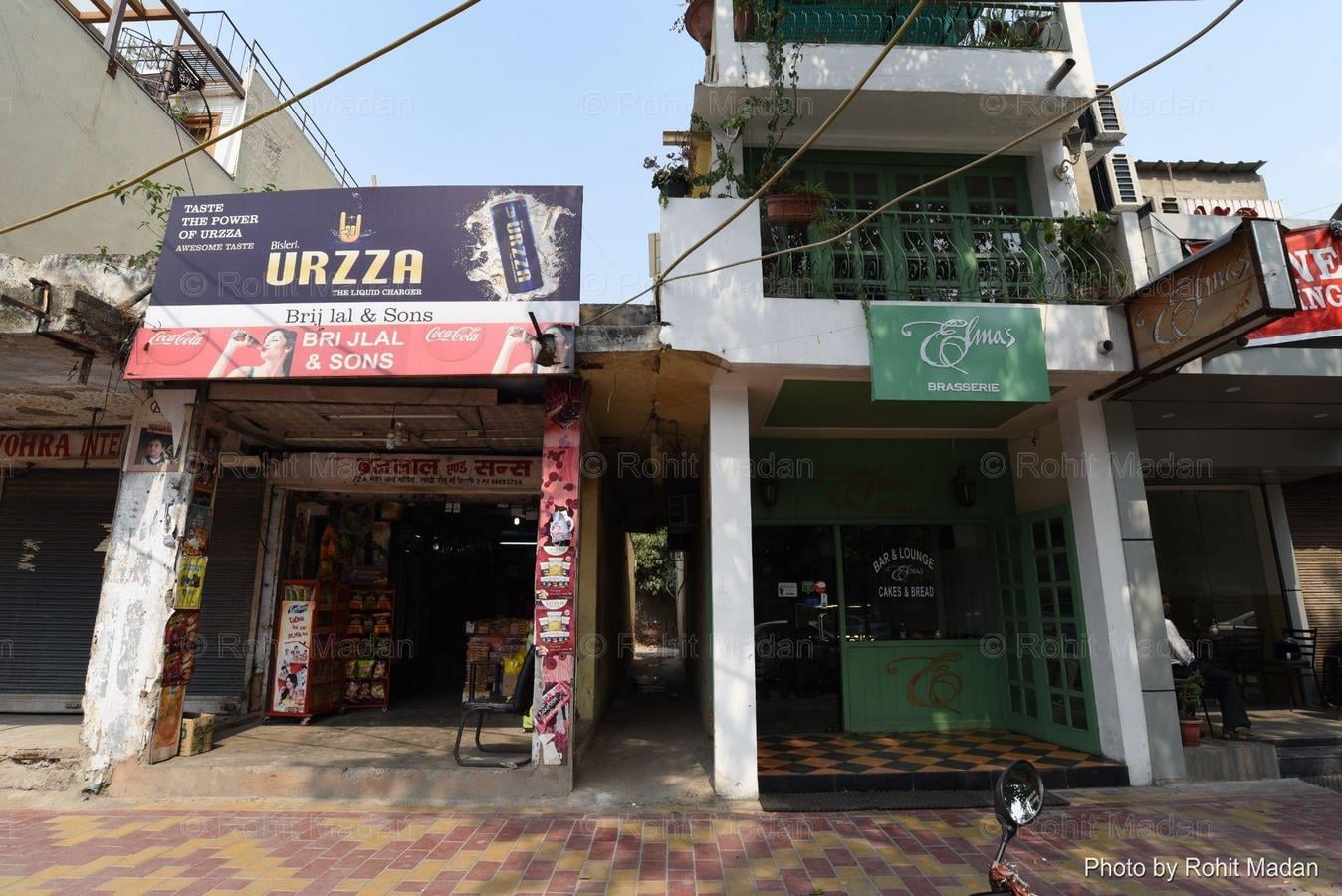
In Delhi Meherchand Market is an example of Gentrification, the market was set up in 1948 and in 1963 150 permanent shops were made by the government and allotted to tailors. It has a prime location as it is near Khan Market and Lodi colony. After the Asian Games several offices sprung up around this area and it again got capital investments. That led to its transformation from being a small local market to now being a lane of designer stores. A recent example of this commercial gentrification can also be seen in the transformation of a dead Dhan-Mill compound into a thriving commercial center. It used to be a place for grain storage at one point and now has the coolest cafes, performing spaces, and designer boutique stores.
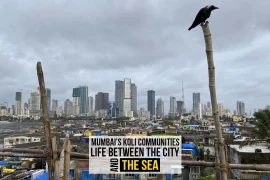
The cases of redevelopment in Mumbai wherein slum redevelopment schemes are floated by the government and even old buildings are re-developed time and again also end up displacing the poor people who reside there. Such projects also get shelved or take years to be built and owing to the new development often get sidelined as real estate companies get busy catering to their wealthy clientele looking for bigger luxurious accommodation.
How can we reduce the impact of gentrification on Communities?
Gentrification is an urban phenomenon mostly and there are ways to mitigate its impact. Several cities around the world have implemented policies and initiatives to traverse through the negative effects of gentrification. For example, the city of Berlin in Germany has implemented a rent control policy that limits rent increases for existing tenants and promotes affordable housing construction. The city of Barcelona in Spain has implemented a series of community-led initiatives, including the creation of community land trusts and the promotion of cooperatives, to promote community ownership and long-term affordability. The city of Portland in the United States has implemented an inclusionary zoning policy that requires developers to include affordable units in new developments. Such policies can be implemented in India as well to help provide for all and not practice Exclusionary development.
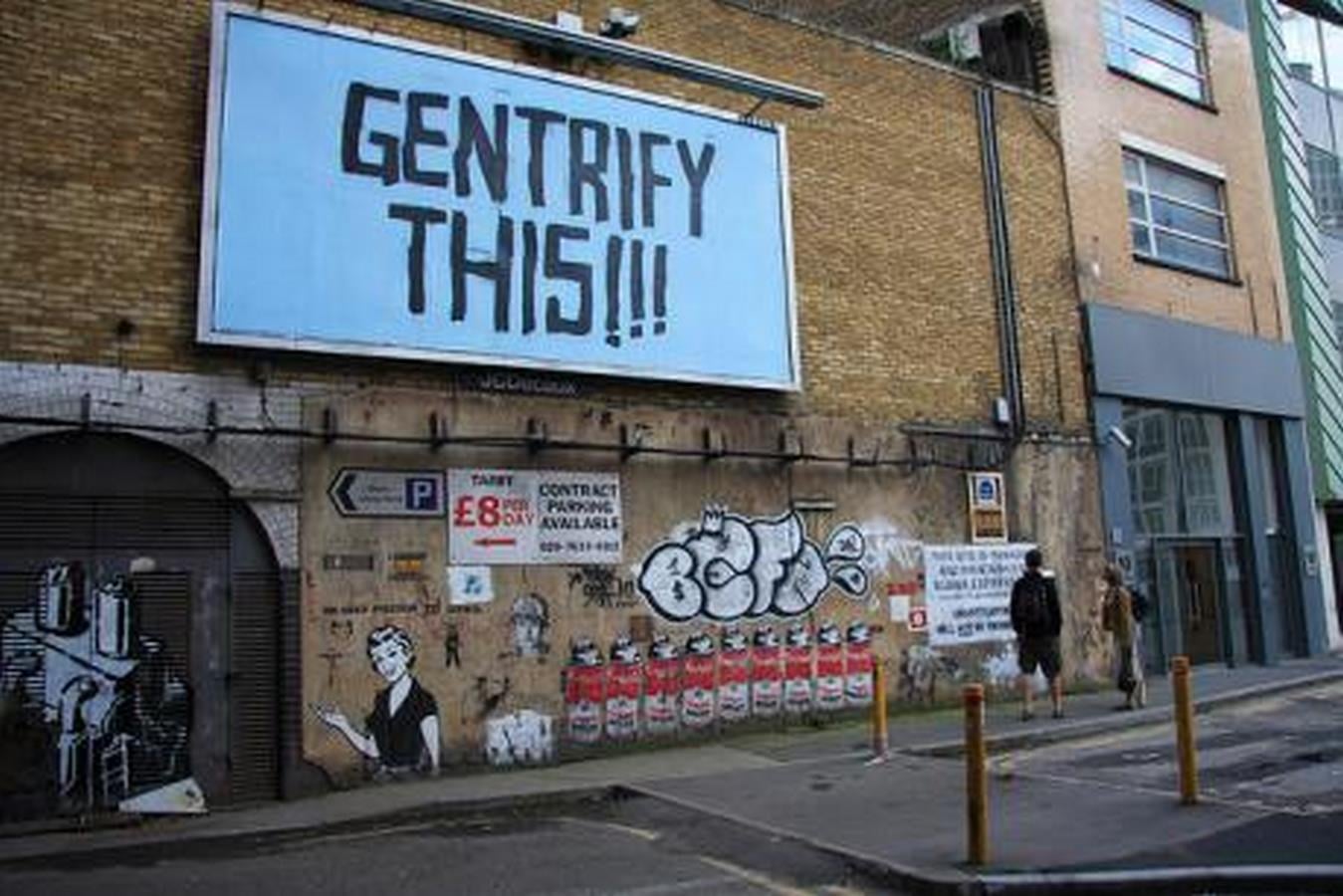
Gentrification is a complex process that has significant impacts on urban communities. The causes and consequences of gentrification highlight the importance of thoughtful urban planning and design in promoting greater diversity and inclusion in cities. Efforts to mitigate the negative effects of gentrification can promote long-term affordability, community ownership, and also cultural preservation.
REFERENCES:
What is Gentrification? , Dated: August 20,2023, Available at: https://urbandesignlab.in/what-is-gentrification/?srsltid=AfmBOoq_NpCAy245Ep0y-wq6xKbJ1uzV1D0f6k2B9FSHVROUHFo9Zuly, Accessed : December 4, 2024
How are gentrification and displacement changing our cities? , Author: Ivanne Cheng, Dated: September 6, 2023, Available at: https://urbandesignlab.in/gentrification-and-displacement-changing-cities/
Urban gentrification destroys cultures and communities – The Ithacan
https://www.ijert.org/gentrification-induced-streetscape-changes, Accessed: December 6, 2024
Gupta, Chhavi & Gautam, & Sethi, Manan & Singh, Nistha & Das, Ranjeet. (2022). Effects of gentrification on quality of life in Hauz Khas village, Delhi.
The story of Gentrification of a local Market, Author:Rohit Madan, Dated: May 9, 2015, Available at: https://madanr.wordpress.com/2015/05/09/the-story-of-gentrification-of-a-local-market/, Accessed : December 5, 2024