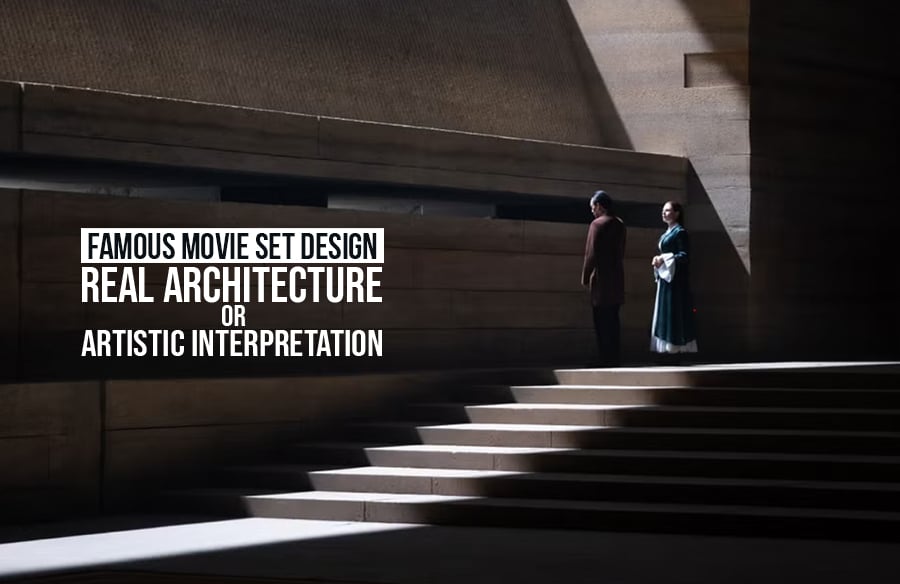
Set Design is a critical yet underappreciated element of filmmaking. It helps the Filmmaker create spaces that are beyond our imagination. It serves as a background for storytelling, shaping the atmosphere according to scenes, narratives, perceptions, and mood. Set design provides unparalleled freedom when there are budget and permission constraints, but most importantly, when one’s imagination exceeds the capacity of the real world.
The dilemma of whether movies should rely on actual architecture or custom-built sets is still an ongoing discussion. The prime distinction between real architecture and set design is about structures that last longer and carry the historical essence of the context While built sets are developed for a shorter span in general even less than a day they in turn offer limitless possibilities enabling filmmakers to design on every nook and corner of the world they have interpreted
The Case for Real Architecture: Authenticity and Gravitas
Filmmakers often choose real-life locations to provide character, depth, and geographical understanding of the story. Using real-world architecture in movies can give authenticity and a genuine connection. In certain movies there are situations where the particular location or the building is a separate character in itself. In such cases it is necessary to show the inherent character, texture, and atmosphere of the space when it might be harder or impossible to recreate.

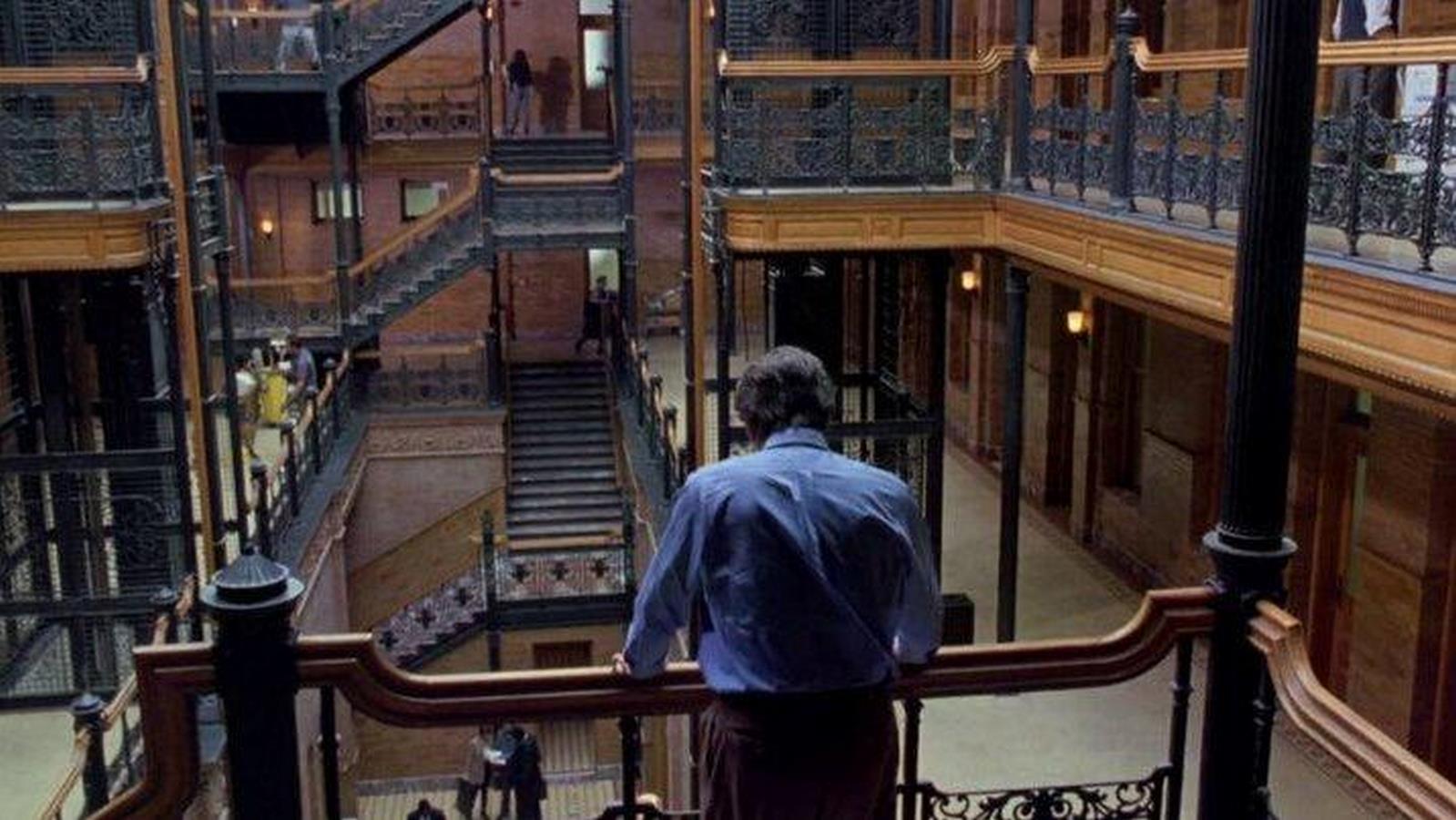
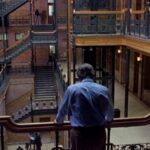
An Example of such a building is the Bradbury Building, located in California, United States, Built in 1893. The Filmmaker Ridley Scott chose the Bradbury Building for his dystopian masterpiece Blade Runner in 1982. The building’s narrow entrance lobby, the five-story central court, ornamental cast iron, capped by a skylight that allows the court to be flooded with light, geometric patterned staircases, wrought iron, and polished oak railings provide the perfect backdrop for the film’s visual, while the labyrinth hallways and eerie corners serve as a bedding for the film’s themes of alienation, decay and pursuit of humanity. Similarly, in the case of movies such as Inception or Mission Impossible, using iconic landmarks like the Eiffel Tower or Burj Khalifa does give a perspective of scale and place, therefore heightening the stakes and dramatic tension of the plot.


The Case for Artistic Interpretation: Freedom to Imagine
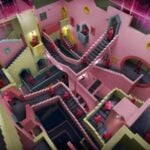
Artistic Interpretation comes into play when the story demands highly imaginative environments. In the Netflix series The Squid Game, the set design plays a major part in the narrative where a brightly colored maze staircase that connects to various game arenas is designed to create a feeling of disorientation. They are designed to mirror the character of the players who feel confused and helpless. The bright hues of the staircase are used to mask the grim reality of the games

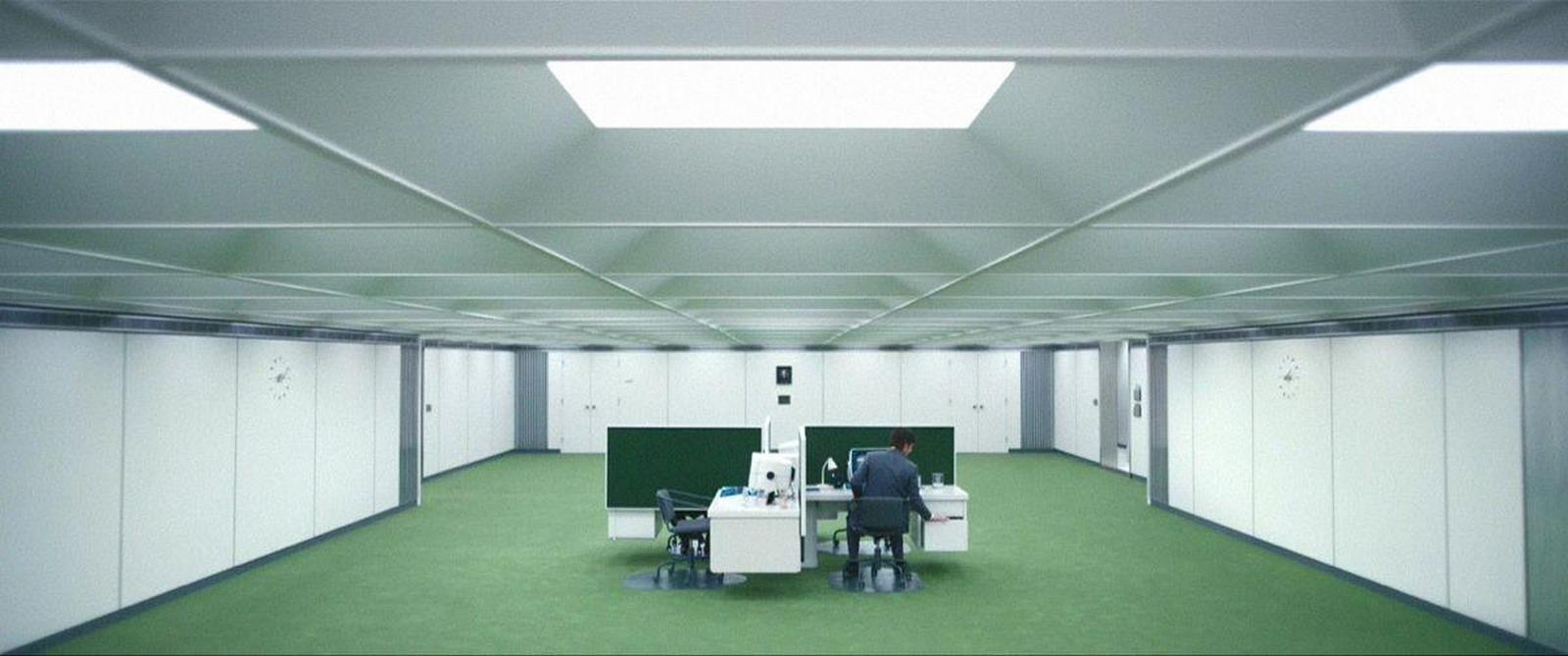
Set Design helps the show to embody the film’s core themes. In The Severance, the Lumos office is made to bring out feelings of sterility, monotony, and the control that the corporation exerts over the employees. Here the set design works in tandem with the narrative to evoke dystopian emotions.
Blurring Boundaries: When Real and Fake Collide
“When you ground something in a reality we can all recognize, it makes it easier for people to believe in the more fantastical aspects of your story.”-says Patrice Vermette (production designer dune 2021)

In Modern filmmaking, the directors and set designers often blend real-life locations with constructed sets, and virtual elements to make the audience immerse into the narrative, this balance of fake and real creates an authentic feel and the perception of audiences while enhancing the narrative. Filmmakers like Christopher Nolan and Denis Villeneuve often prefer large scale physically built sets that can be augmented with virtual elements .In dune (2021) massive dunes and ornithopter models were combined with CGI to create a tangible world. While blending real and fake can enhance everything, shooting in real life may hold a sense of place while entirely relying on artificial sets and digital tools makes it hard for the audiences to connect with the narrative and creates a detachment. This interplay of real and artificial elements showcases the power of creative collaboration and technological innovation.
Iconic Examples: Sets That Became Characters
Some film/television sets become more than mere backdrops, leaving a lasting impression on audiences, here are examples of such sets
Hogwarts Castle in the Harry Potter series: Hogwarts castle is more than a school for wizards it’s a living breathing element in the movie the shifting staircases, the labyrinthine corridors, and the chamber of secrets and mystery reflect the world they are in.Although the parts of the castle are filmed in real-life locations like the Durham Cathedral, and Gloucester Cathedral and enhanced using CGI. Hogwarts Castle is a quintessential example of a set that is deeply embedded with the narrative


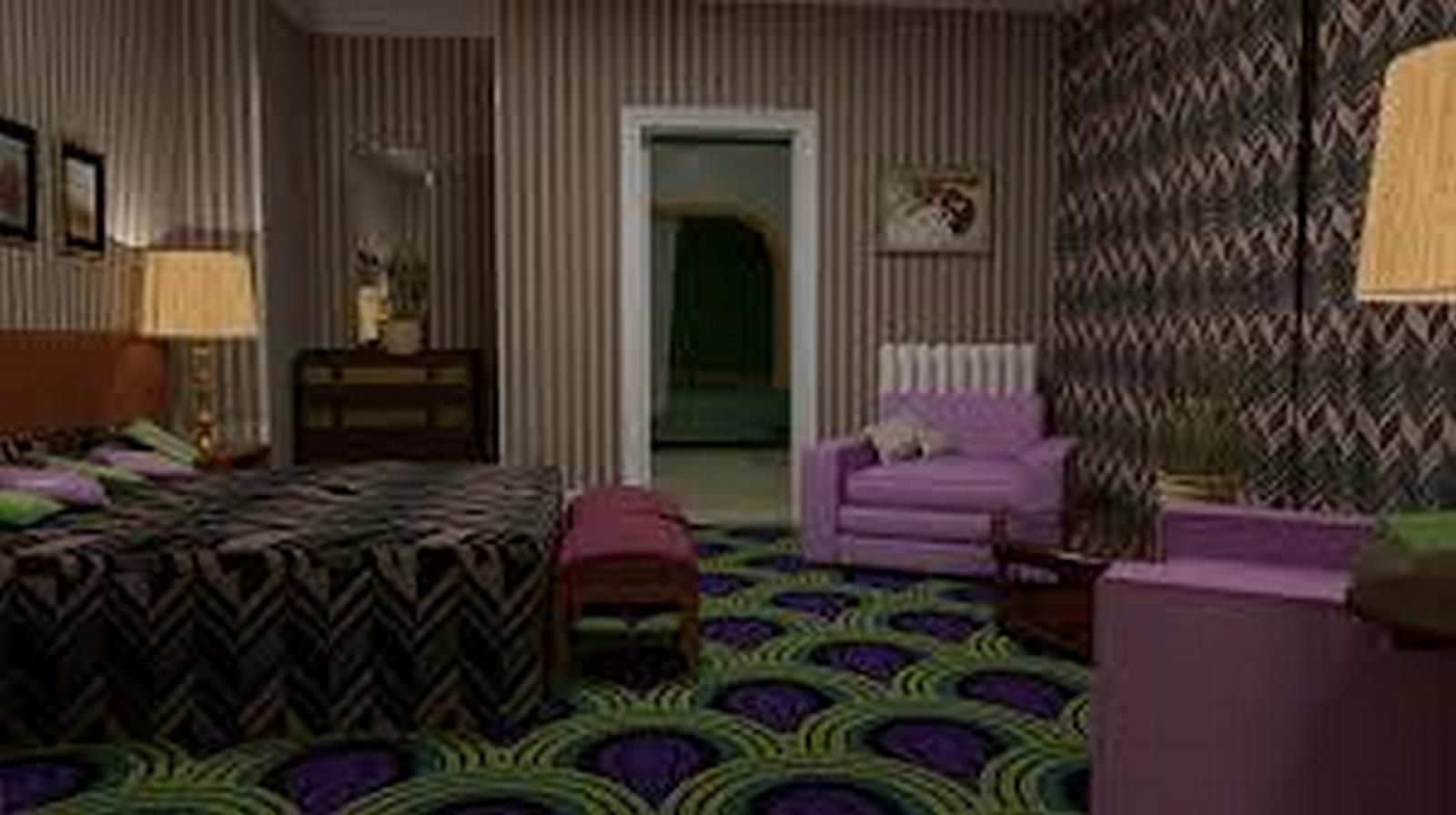
The Overlook Hotel in the Shining: The Overlook Hotel in Stanley Kubrick’s The Shining has a chilling presence, serving both as a setting and the antagonist of the story.The empty corridors and its iconic maze help in bringing out the oppressive nature of the film. This haunting, isolated quality of the set makes us think it does have a personality of its own


The Rotating Hallway in Inception: The zero gravity fight scene in the inception which is shot using a massive rotating set where Arthur fights the dream security force. The rotating hallway gives us the illusion of a shift in gravity enhancing the intensity of the scene.
Authenticity Challenges And Artistic Freedom
The use of real-life locations can give the story a much more realistic feel; the audiences seeing the known locations might connect better with the narrative. Issues like permits, weather constraints, and access may hamper the filming. While filming the Revenant in isolated and wild settings the crew faced various difficulties while trying to deliver the raw and untamed beauty of the story. Our creative vision is also constrained by actual locations.
Set designers enjoy more freedom while constructing sets from scratch which allows them to have control and be conscious of every detail of the set, allowing them to create the world they have imagined or better. However, too much artistic freedom or improper representation makes the audience feel alienated and disconnected from the story.
Striking a Balance Between Authenticity And Imagination
Set design plays a decisive role in storytelling and visual immersion. It offers filmmakers a choice to choose between grounding realities and unfamiliar imaginative worlds. Real architecture is that which provides authenticity, historical background, and tactile connections to the audience. Whereas artistic interpretation offers space for limitless creativity and creating worlds that are not possible to replicate in reality.
However, the line between real and imagined is blurred by intertwining both the custom sets and the real locations. This balance is necessary for ensuring that audiences remain engaged and this use of both real and custom sets compliments each other making it more grounded.

Ultimately the impact of a set whether real or imagined depends on its ability to enhance the atmosphere and evoke emotions in the story or scene.whether it is the fantastical magnificence of Hogwarts, the monotony of Severance’s Lumon offices, or the haunting halls of the overlook hotel, the set design remains a hushed and powerful storyteller, directing the way audiences see and connect with the story.
References:
Saha, S. et al. (2024) Architecture and set designing: An interesting crossover, The Design Gesture. Available at: https://thedesigngesture.com/architecture-and-set-designing/ (Accessed: 14 January 2025).
Set design and locations (no date) film110 / Set Design and Locations. Available at: http://film110.pbworks.com/w/page/12610287/Set%20Design%20and%20Locations (Accessed: 14 January 2025).
A study of the importance of authenticity of set design in narrative films and television (2023) SlideShare. Available at: https://www.slideshare.net/slideshow/a-study-of-the-importance-of-authenticity-of-set-design-in-narrative-films-and-television/259642350 (Accessed: 14 January 2025).
Rogers, C. (2020a) Beyond the frame #20: Director’s cut – the Bradbury building – interiors : An online publication about architecture and film, Interiors. Available at: https://www.intjournal.com/thinkpieces/beyond-the-frame-20 (Accessed: 14 January 2025).
‘Squid game’ art director reveals secrets behind sets, props and more (2021) Korea JoongAng Daily. Available at: https://koreajoongangdaily.joins.com/2021/10/11/entertainment/television/Squid-Game-art-director-set/20211011144722358.html#google_vignette (Accessed: 14 January 2025).