Crafting Tomorrow’s Architects
The journey into architecture starts in design schools, where aspiring architects take their first steps toward shaping the built environment. Today, numerous design schools offer pathways into the field, providing a launching pad for these future creators.
Bachelor’s programs are designed to build a strong foundation, equipping students with the skills and knowledge needed for the professional world. During these formative years, students immerse themselves in architectural theory, uncovering historical contexts and mastering design principles. The curriculum comes to life through dynamic lectures, spirited discussions, and critical debates, all complemented by hands-on experiences in studio settings, workshops, and exhibitions—forming the bedrock of their architectural education.

Shift in Architectural Training
A couple of centuries ago, architectural education looked very different. In an interview with TANK magazine, Ingrid Schroder, Director of the AA School of Architecture, explained that, in the past, architects were primarily seen as tradespeople within the building industry. As a result, the primary way to learn architecture was through apprenticeships with practising architects. This limited aspiring architects to a single approach to design and practice.

Over time, however, the field began rethinking architecture as an academic subject. This shift redefined the practice as a creative process that addresses real-world challenges. As a result, institutions began to emphasise creative discussions as central to their pedagogy, fostering more diverse and critical thinking in architectural education.

Adapting Pedagogy for Today
Architectural schools are increasingly moving away from traditional teaching methods in favour of more innovative approaches. Today’s curricula emphasise collaborative exercises and hands-on learning, which foster essential skills and encourage meaningful debates among diverse groups. This shift reflects a broader understanding that architects, as designers of human conditions, must adapt their design philosophies to align with the rapidly changing world.

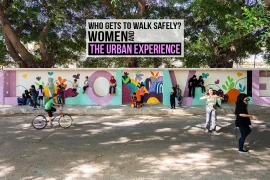
In response to contemporary social and cultural challenges, architectural education now aims to address pressing issues like climate change, sustainability, gender safety, communal equity, and minority upliftment. Schools are encouraging students to harness their creativity to tackle these societal concerns. By focusing on real-world applications, students are not only developing their design abilities but also cultivating empathy as designers through active community engagement.
Design Through Collaboration
When students from diverse backgrounds and perspectives collaborate, a rich exchange of ideas and approaches flourishes. This creative synergy broadens their understanding of challenges, leading to multiple iterations and informed decision-making. Such collaboration establishes a foundation for future architectural practice, which inherently thrives on teamwork.
Many institutions provide opportunities for students to join forces with peers, faculty, and professionals from various disciplines. This not only expands a designer’s creative horizons but also nurtures diverse partnerships that inspire innovative solutions.

Learning through Community
For aspiring designers, firsthand experience of the world they will design for, serves as a profound learning tool. Engaging in design exercises within their educational journey such as slum redevelopment, low-cost housing projects, reconstruction in disaster-affected and underdeveloped regions, and creating equitable public spaces deepens students’ empathy and awareness beyond the classroom walls.

This exposure to diverse communities and real-world challenges sharpens their problem-solving skills, refining their approach as designers. It enables them to formulate well-informed and impactful propositions, shaping a more compassionate and effective design practice.
Cultivating Empathy
In community projects, designers gain invaluable insights into the needs of their stakeholders at the grassroots level. By studying user requirements, learning from lived experiences, and becoming attuned to the challenges faced by communities, students cultivate empathy and sensitivity in their design approach. This process plants a seed of compassion and responsibility early in their careers.
As they immerse themselves in these environments, they develop the ability to identify problems, assess risks, and make user-friendly design decisions that truly resonate with the people they serve.

Design as a collective
In their article, “Participation as pedagogy”, authors Jesia Carrera and Marina Ordonez argue that architecture is a collective process that needs unschooled knowledge in order to exist. They advocate for designers to shift away from individualistic approaches and embrace a more communal, participatory practice aimed at fostering social transformation. Central to this philosophy is the belief that engaging with and learning from communities is essential to the foundation of architectural education.

Designing with Purpose
In conclusion, integrating interactive community exercises into the architectural education framework will empower future designers to emerge as holistic thinkers. Armed with refined problem-solving abilities and collaborative skills, they will step into their professional practice ready to tackle complex challenges.
Their experiences in social transformation projects will foster a profound sense of compassion and responsibility, ensuring that they contribute thoughtfully and meaningfully to the architectural landscape. As they embrace this path, they will not only design buildings but also shape a better world.

Resources:
TANKtv. (2024). How Architects are Made: Ingrid Schroder. [online] Available at: https://tank.tv/18376/Intro [Accessed 20 Oct. 2024].
Craven, Jackie. “How Did Architecture Become a Licensed Profession?” ThoughtCo, Jun. 25, 2024, thoughtco.com/architecture-become-licensed-profession-177473.
Carrera, J. and Grajales, M. (2022). Participation in pedagogy. The Architectural Review.