In the face of rapid urbanisation and escalating environmental challenges, the field of architecture is undergoing a crucial transformation. Building industry accounts for nearly 40% of global energy consumption and carbon emissions, according to the United Nations Environment Programme (UNEP).


Yet, as we look into the future, the solutions to these challenges may lie in the past. As a result, architects are increasingly turning to the past, drawing inspiration from the vernacular architecture-building methods developed by Indigenous communities that embody centuries of adaptation to local climate, culture, and materials. By revisiting the wisdom of vernacular architecture, we can uncover valuable insights for creating modern buildings that harmonise with their environment, reduce energy consumption, and foster a deeper connection between people and the place.
This article thus explores how the principles of vernacular architecture can be adapted for contemporary use, offering solutions for a more sustainable and resilient future.
Learnings from Vernacular Architecture:
1. Climatic Adaptiveness and Resilience –
Vernacular Architecture thrives on an acute understanding of the local climate, environment, and the aboriginal conditions around it. Understanding the macro-climate, vernacular designs are driven by the choice of materials, elements, and strategies that optimise comfort and durability. Thus the designs are tailored to specific environmental challenges and the resulting built environment naturally mitigates the extreme weather conditions.
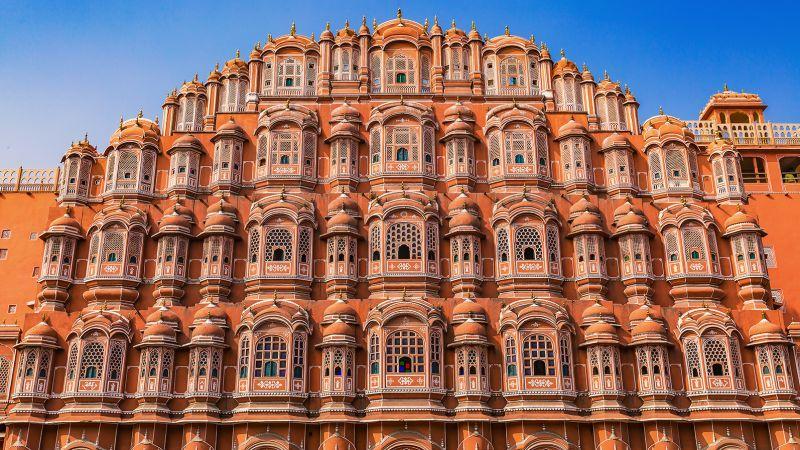
- On a scorching afternoon in Rajasthan, one finds oneself wandering through the narrow lanes in any of the desert cities, cities that seem to defy the brutal heat. The golden sandstone buildings stand tall, with their thick walls offering an oasis of coolness amidst the burning sun. Carved into these thick walls of the Havelis are small windows, shaded by intricate Jharokhas, that also acted as a medium to cool down the air. These homes not only withstand the relentless heat of the Thar Desert, but create a resilient, energy-efficient architecture using locally sourced materials, an in-depth understanding of the region, and intellect; that blends with the landscape seamlessly.
- The humid landscapes of the tropical region are adorned with a design that copes with the high humidity and heat, the architecture embraces natural ventilation, using elevated roofs, large openings, and courtyards, to allow circulation of air. These simple yet effective techniques are a testament to the brilliance of vernacular design, offering comfort without the need for energy-intensive solutions.

2. Spatial Syntax as a function of climate-
The planning of the building is in accordance with the climate and the effectiveness in comfort and suitability for the lifestyle. The incorporation of different mediators, such as courtyards, verandah spaces, overhangs, and the adjacencies of spaces are driven by the same. These mediators ensure spaces that are functional, comfortable, and suited to specific climates, prioritising the user’s well-being over aesthetics.
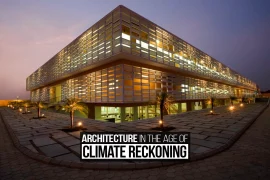
- A building with a facade shimmering in the harsh sun grabs attention. From the outside, the building defied the desert heat, a marriage of traditional wisdom and contemporary design. The interior space awaits a surprise; a soft and cool breeze harnessed with natural ventilation, instead of the mechanical blast of an air conditioner. The secret is in its design – Pearl Academy of Fashion works on a system of courtyards, jaalis (perforated screens), and wind catchers, inspired by Rajasthan’s traditional architecture. This building is an example of a coexistence between form and function, sustainability and aesthetics.


3. Locally sourced materials-
Using Materials that resonate with the context belong to context and are climatically more suitable. These materials are deeply rooted in the context and thus can go back to nature and fit well in the surroundings, creating a circular life cycle; without leaving a harmful footprint.
- In the remote village of Gando, Burkina Faso, a simple and humble structure from afar turned out to be a masterclass in thoughtful design by Francis Kéré.(Pritzker award winner, 2022) The beautiful use of locally sourced clay bricks was not just a means of cost-saving, but a way to reduce environmental impact, reinforce local identity, and empower people who use the space. The school, with its clay walls and wide-open spaces, feels like it has outgrown the earth itself, creating a symphony between architecture and nature.

- A building that pulses with life and warmth, METI School, in Rudrapur Bangladesh, is the brainchild of Anna Heringer. The school is a union of the two materials that have been a part of the region’s architecture for centuries – Mud and Bamboo. The walls crafted from mud create an inviting and cool environment inside, and the bamboo roof brings an organic lightness to the structure. This building also became a space to share and channel local knowledge and resources.

4. The symbiotic relationship between people and surroundings-
Vernacular architecture reflects a deep connection between people, their cultural values, and the environment. It encourages a comprehensive understanding of the living habits of dwellers and the cultural roots that have motivated the particular design of the buildings [Community] religion, local values, beliefs, social structure, and economics. This human-centric approach ensures that the building is not just a structure, but an extension of the people who inhabit it.
- Participatory design – where the end-users are involved in the architectural process- ensures that the buildings meet community needs and cultural values. This strong social bond between people and architecture creates a sense of belonging, ownership, stewardship, and longevity, as buildings are more likely to be maintained and cherished by the community.
- A compelling example is the Makoko Floating School in Lagos, Nigeria, designed by Kunlé Adeyemi. This school is built on recycled barrels, adapting to the waterlogged environment and providing a flexible solution to the frequent flooding. The local community input fosters a deeper connection with their surroundings.

5. Disaster Resilience through Indigenous Knowledge-
The intuitive knowledge of localites related to floods, earthquakes, cyclones, etc has given rise to architecture that fits in the context like a puzzle. This ingenuity gave rise to an understanding of material with respect to its structural properties, and its ability to withstand adverse conditions. This localised resilience, when paired with modern engineering techniques, can lead to safer and more durable buildings.
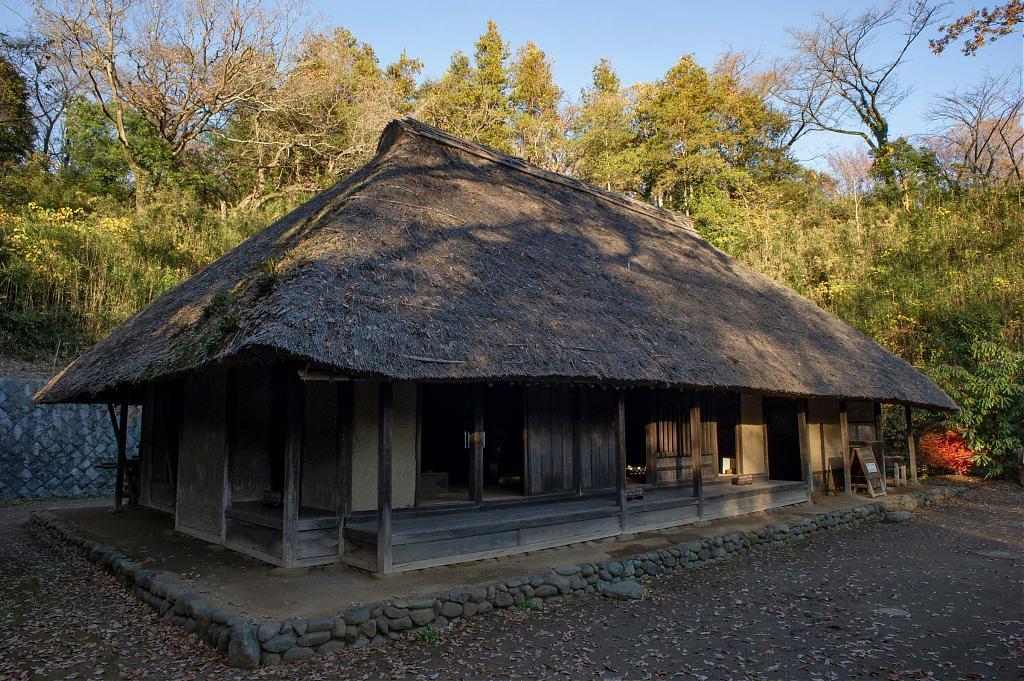
- In remote Japanese villages, one can find a rustic wooden farmhouse, A MINKA, with a thatched roof, which is designed to withstand the region’s frequent earthquakes. The generations of craftsmanship have perfected a design that is flexible with its wooden beams and open floor plan, allowing it to sway gently during the tremors, ensuring the safety of the inhabitants.
- The Vibrant Bhungas of Kutch, built with circular mud walls and thatched roofs, are resilient to the region’s harsh winds and occasional seismic activity. The round shape deflects the gusts, while the mud provides thermal comfort during the sweltering days and chilly nights. Both the Minka and the Bhunga narrate stories of adaptation and survival.

6. Bioclimatic strategies-
Passive bioclimatic strategies pertinent to the climate and maintaining the space passively comfortable, such as natural ventilation and solar heating, are fundamental to vernacular architecture, reducing the reliance on energy-intensive systems.
- A captivating feature of the skyline of the ancient city of Yazd, Iran is the Windcatcher. They channel breezes into the living spaces, creating a natural air conditioning system. It showcases a beautiful integration of form and function, showcasing a profound understanding of local climate and materials.

7. Longevity and Durability-
While Modern-age buildings are often designed with a lifespan of 40-50 years, vernacular buildings constructed with local materials and methods were built to last. By focusing on durability and long-lasting materials, architects can reduce the waste associated with building demolition and reconstruction, contributing to reduced embodied energy and ecological footprint.
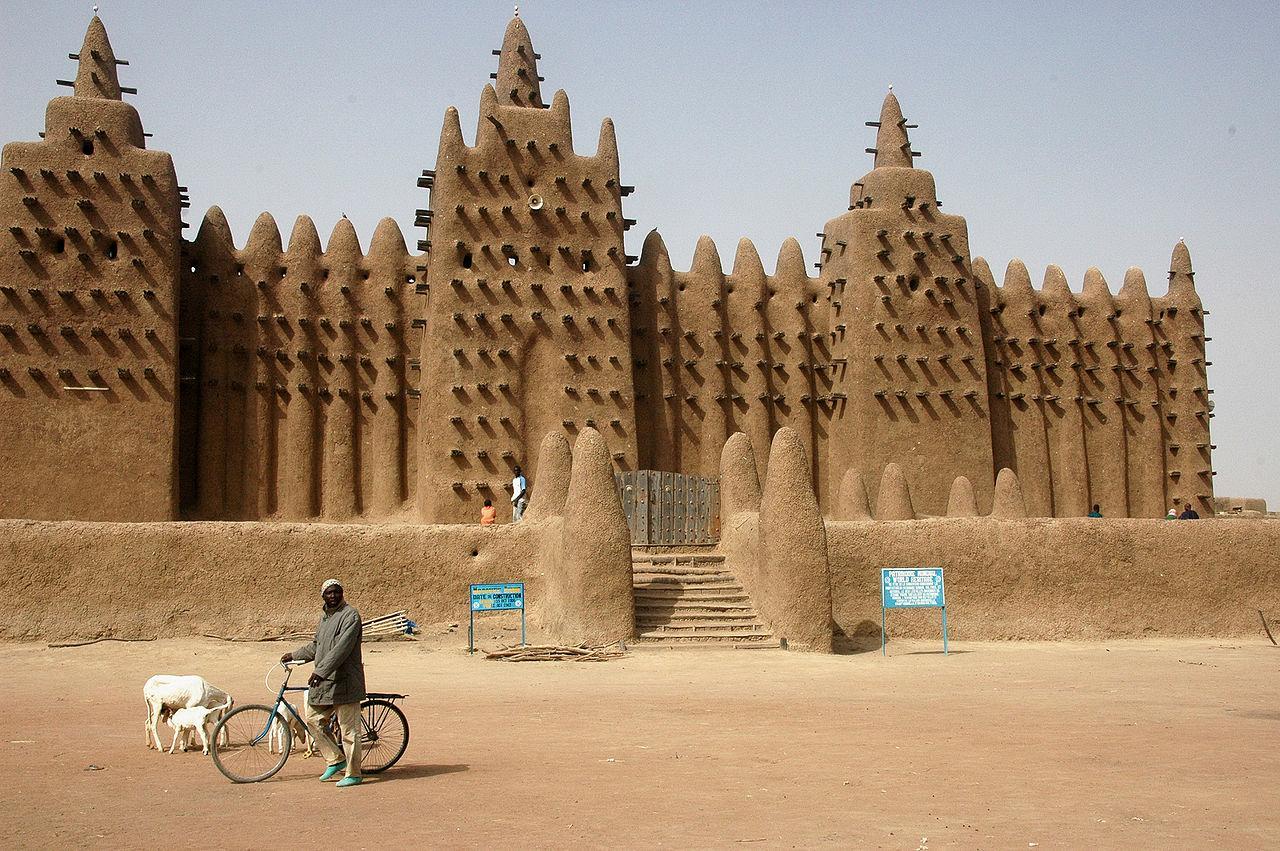
- The Great Mosque of Djenne, in Mali, made from mud bricks, dates back to the 13th century. It is regularly maintained through community efforts and has stood the test of time. This architectural marvel, with its intricate wooden scaffolding jutting out from the face, is an embodiment of centuries of history and culture.
8. Cost Effectiveness-
Sustainability need not be Expensive; a theorem that has always been demonstrated through vernacular architecture. Locally sourced materials in vernacular architecture result in lower transportation costs and reduced environmental impact. The simplicity of the design also reduces the need for complex and costly construction techniques.
Vernacular Architecture is a reflection of time, evolution, necessity, culture, and location with a climate-responsive approach at its core.
Navigating the Challenges:
1. Resource Exploitation:
The extraction of vernacular materials, such as extensive mining of laterite stone in the Western Ghats, can lead to environmental degradation, rendering the soil infertile. A balance between sustainable resource management, minimising over-exploitation, and finding renewable alternatives is key.
2. Changing Pace:
Vernacular design is traditionally based on slower, rural lifestyles. As urbanisation and rapid modernization shift societal needs, adapting vernacular principles to suit the pace of modern living is essential.
3. Stigma and taboo
There is a societal stigma associating vernacular materials and designs with poor, underprivileged, or underdeveloped architecture. Rebranding vernacular techniques as sophisticated, sustainable, and innovative is crucial to elevating their perception in the public eye.
4. Aspirations for New Materials and Technology:
Another pivotal challenge for vernacular practices is the aspiration for modern, sleek, fancy materials and technologies. Attempts have to be made to integrate modern innovations while retaining the core of sustainability, and resilience of vernacular architecture.
5. Lack of expertise and skilled labour:
There is a declining availability of artisans and craftsmen skilled in vernacular construction techniques, as standardisation took over. Revitalising Vernacular practices requires training programs, skill-building initiatives, and apprenticeships to preserve and pass down these valuable construction traditions to future generations.
Embracing the Past: Vernacular Architecture as a Blueprint for Sustainable Future:
In our journey through the timeless wisdom of vernacular architecture, we can uncover a wealth of insights that can significantly shape the future of sustainable design. The principles rooted in climatic adaptiveness, resource efficiency, and community engagement provide a strong foundation for addressing contemporary challenges in architecture. By examining ancient building methods, we recognize the importance of climate-responsive design enhancing resilience, functionality, and longevity.
As we face the pressing issues of climate change, resource depletion, and societal disconnections, the lessons from vernacular practices offer us a pathway forward. From utilising locally sourced materials to embracing participatory design processes, we can create spaces that not only reflect the cultural identity of their inhabitants but also stand resilient against environmental stresses.
While there are challenges to integrating these age-old techniques into modern contexts- such as material extraction concerns, and societal perceptions – there lies immense potential in harmonising tradition with innovation.
Ultimately, the question remains: How can we collectively revive and adapt the principles of vernacular architecture to create a built environment that is not only sustainable and regenerative but also deeply connected to the cultural and ecological fabric of our communities?
Citations:
- Environment, U. (n.d.). Building materials and the climate: Constructing a new future. UNEP. https://www.unep.org/resources/report/building-materials-and-climate-constructing-new-future?gad_source=1&gclid=Cj0KCQjwgrO4BhC2ARIsAKQ7zUk3_19pOModwNTOvQlDHefczfpCGH1V3ZUistMWwtRw6yuKJoPymZ8aAtIvEALw_wcB
- YouTube. (n.d.-b). YouTube. https://www.youtube.com/watch?v=igST9xrXi4o
- Embodied carbon. World Green Building Council. (2022, October 28). https://worldgbc.org/advancing-net-zero/embodied-carbon/
- Accelerating to zero by 2040!. Architecture 2030. (n.d.). https://www.architecture2030.org/accelerating-to-zero-by-2040/