Early age development stages are considered the most crucial stages in the development of a child. Children’s development stages are categorized between several titles like Newborn development between 0 to 3 months, Infant development between 3 to 12 months, toddler development between 1 to 3 years, preschool development between 3 to 5 years and school-age development between 5 to 17 years. Early age growth is usually concerned with senses, communication, physical strengthening, social-emotional aspects, and cognitive domains.
Landscape design and children development

Often easy early development studies are associated with basic knowledge and understanding which is covered in individual houses by focusing on a child’s subtle development. But, after having a general introduction to the world through parents’ early home teachings, children start to look out for some stimuli from the outside world to narrate their intellect. At this stage of development, a sound landscape design plays an important role in shaping children’s intellect, emotions, and health.
Pruning method
Releasing the unwanted to gain new enlightenment!
Trees shed their dry leaves to make space for new greens on their branches. Similarly, early children’s development follows a similar method to gain new experience of the world. Somewhere between 0 to 3 years, children continuously venture into new experiences. At this determining stage, if they get introduced to mindful and sound spaces their brain will have a positive impact after receiving a good and meaningful experience. Individual homes are considered habitual spaces to narrate children’s necessities and learnings, but real education lies in the exploration of the outside world.
Natural Pruning

At this development stage, children should learn from outside green spaces, public backgrounds, and various natural external interactions. The outside world helps children at this age to build healthy sensory and motor skills, communication skills, logical thinking, problem-solving, and decision-making. This more or less depends upon what external space they are learning through. Green design space oriented to develop a basic generic understanding in children, which could focus on physical as well as mental wellbeing of a child is necessary in this stage to generate positive thoughts and structures in children.
Effects of greens on the senses
Greens always have special benefits. Green spaces in a well-designed landscape allow children to get closer to nature. It successfully improves children’s sensory stimuli. The touch improved by touching available variant textures in nature, the sound captured by listening to the roars within nature like the chirping of birds, thrashing of water, swindling of wind in the leaves, taste built by eating raw fruits and flowers from gardens, smell curated by the introduction of various natural fragrances, and sight developed through witnessing daily natural happenings improve children’s focus and help children to get connected to nature. A sensory path, a vegetable garden, a flower show, exhibited bird attractors and serene mindful planting to please eyes can connect children to nature and can expect an optimistic growth pattern within them.
Green Learning
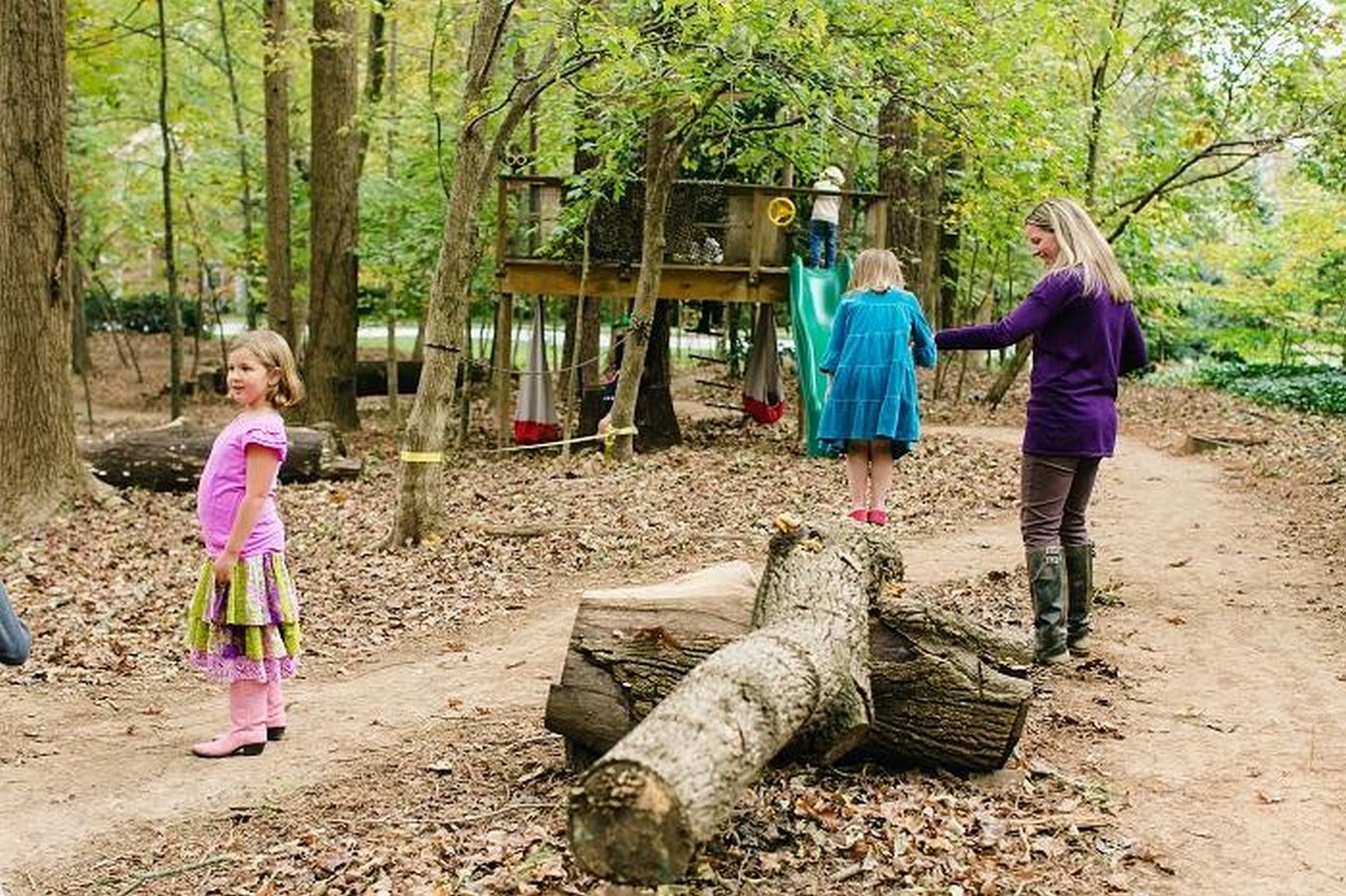
Early exposure to greens can impact children’s emotional well-being. Learning from nature itself can make children naturally immune to small destructions and can help them induce healthy patterns in life. These habitual effects may not seem beneficial in the beginning but in the longer race, these healthy behaviors increase the child’s inner strength and eventually build a stronger mental health.
Mindful kick-starts
Toddler development and preschool development include strengthening a child’s communication skills and logical understanding. Here, playful exteriors in landscape design play a major role in constructing these essential behaviours. The arrangements of landscape furniture or a well-planned play area with necessary exhibits can improve a child’s physical health as well as logical thinking.
Intelligent Landscape exhibits
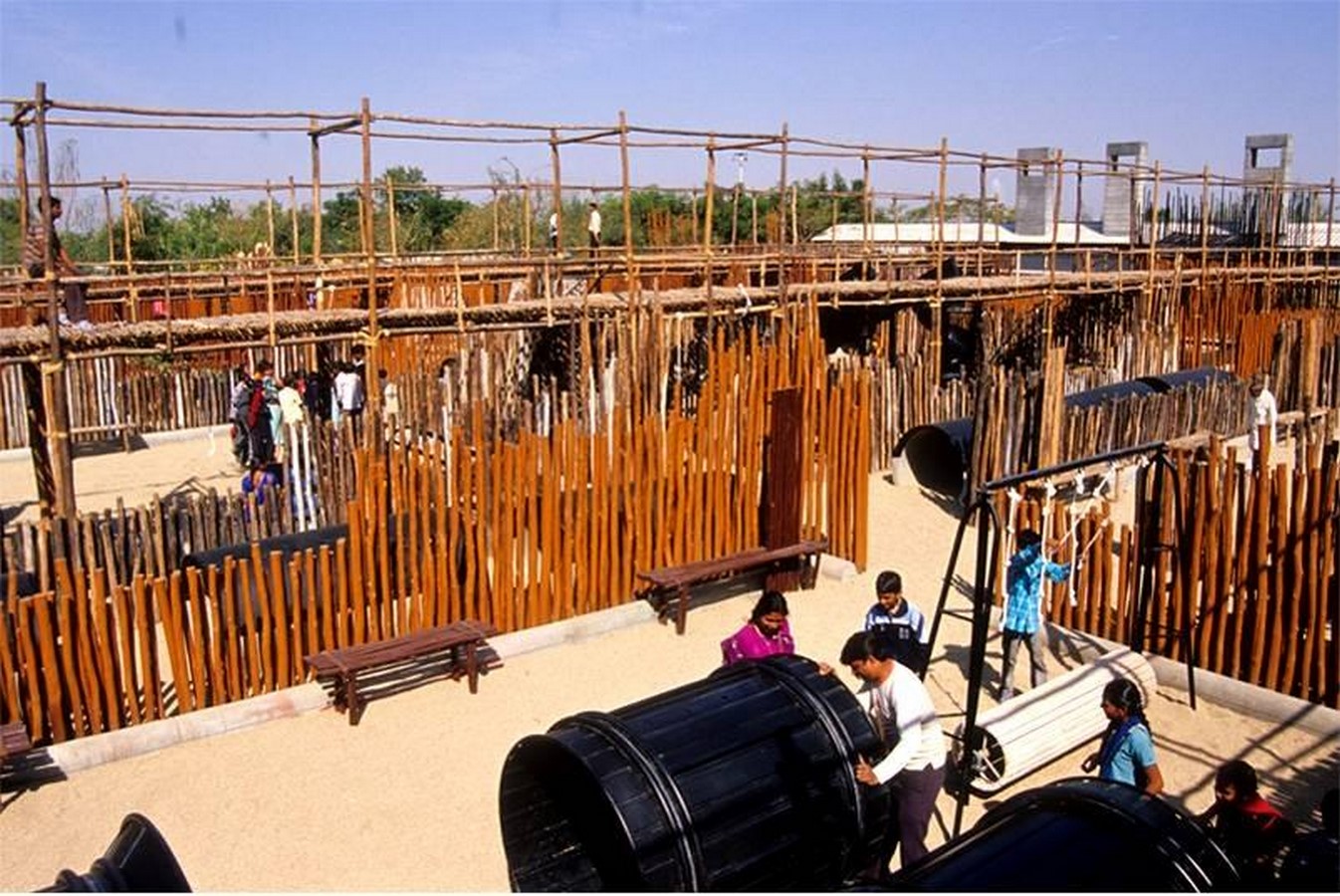
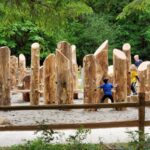
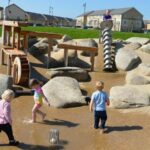
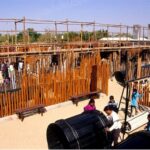
Mindful play area installations
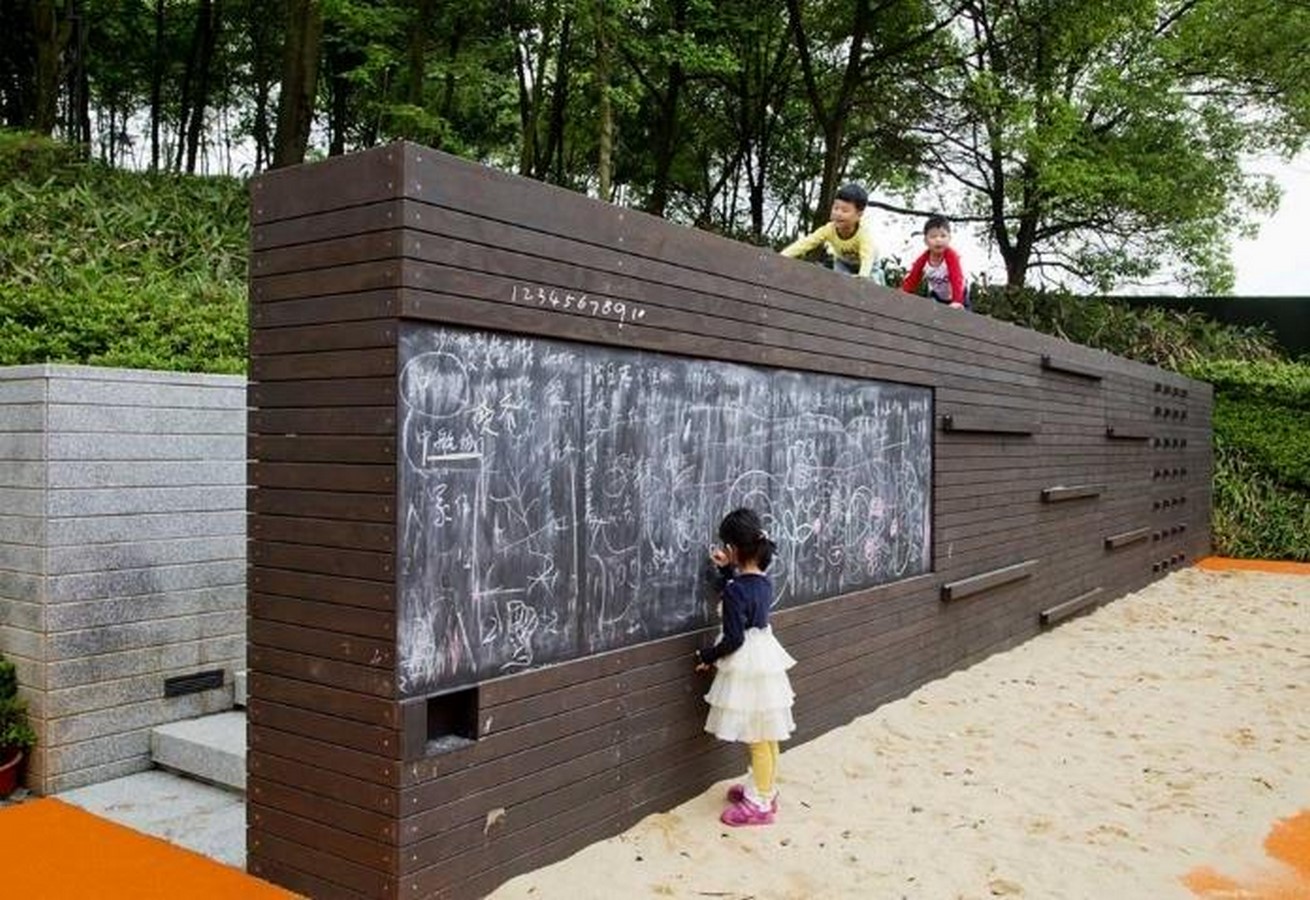
Figuring out how to play around simple yet complex play area installations can make children explore numerous methods to deal with problems, which eventually help children master problem-solving skills. Installations in landscape design should focus on deepening the logical understanding, as it will eventually help children manage academics in future effectively. Because of these small early-built behaviors and logical green ventures, children will have an enriching childhood kick-start.
Strengthening socio-emotional cultures
Landscape design which will initiate necessary behavior building can improve children’s communication skills as well. Playing with a group of friends in the intelligent landscape area can strengthen their relationships as well as, it will help them to understand human psych. Spaces that will focus on deep and meaningful interactions between children can introduce children to simple human emotions.
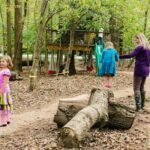
Community play area
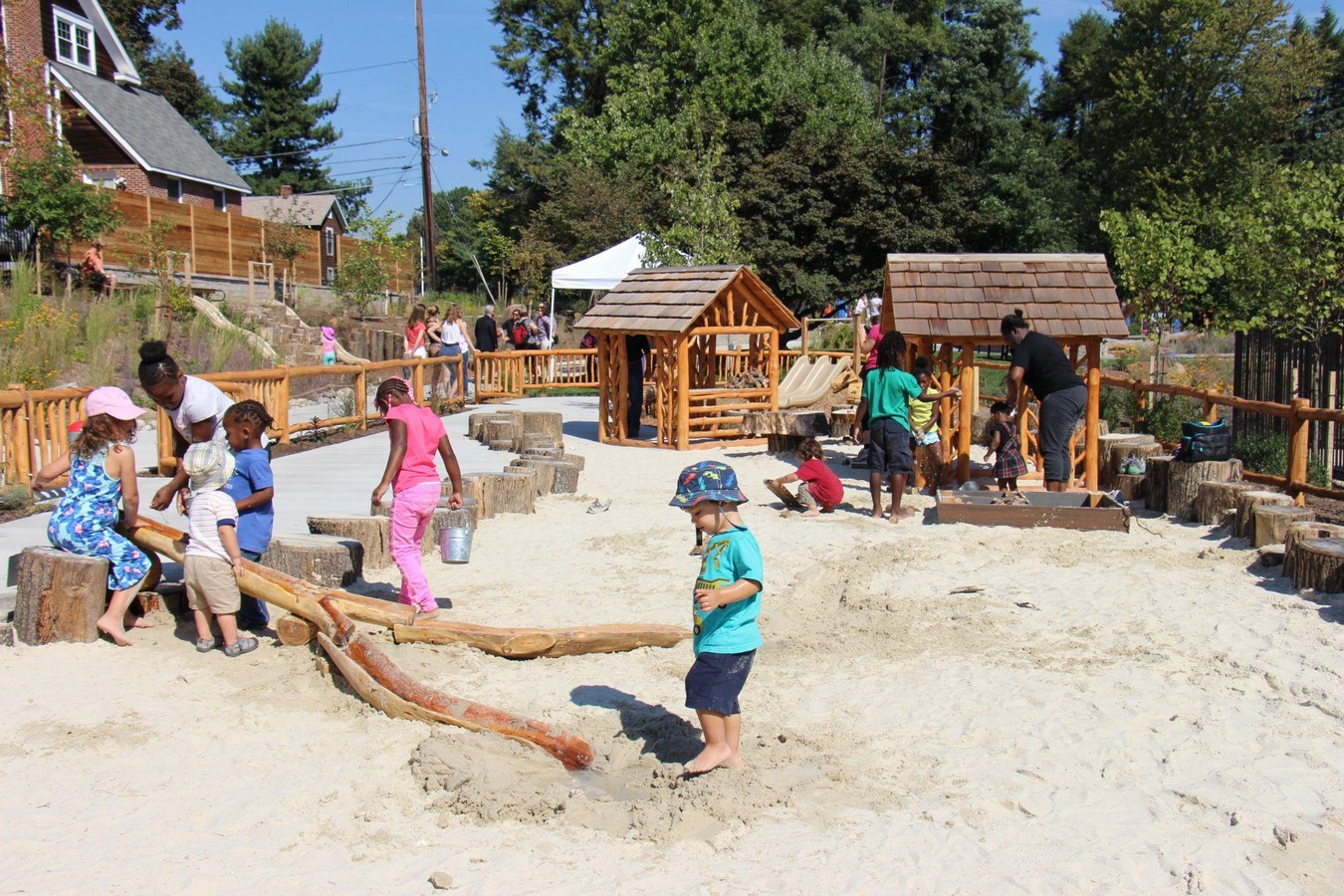
Figuring out together how to play on an installation, or deciding what to play first and what not, sharing their experiences of these spaces while playing or just observing the other children’s activities on the ground can improve children’s human understanding.
Physical Well-being
Emotional and mental well-being flourishes when children have sound physical bodies. Early age development hence seems meaningful to build a routine physical strengthening, which will improve their susceptibility to health hazards. Interactive play areas with installations put to build their height and weight volume can be considered sound landscape designing.
Physical strengthening

Small children’s gym areas can assist them in having a healthy physical exercise routine. Also, play areas focusing on sports can help them to like these activities from an early age and it will eventually help them to cherish these early adventures in good physical health.
Small sincere design interventions in landscape design can improve children’s emotional, mental and physical well-being. These early-age good initiatives will eventually make children flourish in worldly settings.