Every designer loves to be able to “do their thing” while they work alone.
When working alone, there is a remarkable degree of confidence and trust in what is designed. This is so because whatever we develop gives us a sense of ownership. Something that an individual has built themselves is easier to defend because each pixel they have placed on the screen has a clear purpose.
Solo wolf designers while working hours for a piece of design mostly lack sight of the larger picture and get into making that design perfect with all the details, that they are not able to see anything else except their vision.
This is where collaboration comes in useful; it promotes invention, lowers transparency, and boosts creativity
A New Viewpoint
Artists always need to look for fresh concepts since tunnel vision can result in a fixation on only one. Here comes the collaboration with other artists who can give their feedback and inputs for the design process.
Creativity knows no limitations in the ever-evolving field of design. Designers are no longer limited to a single area but are increasingly required to take a holistic approach to problem resolution. Multidisciplinary cooperation has evolved as a driving force in design education, providing students with opportunities to learn, grow, and create in ways that traditional, single-discipline approaches cannot. In this blog, we will look at the enormous influence of interdisciplinary cooperation in design education and how it prepares students for the complex issues of the real world.
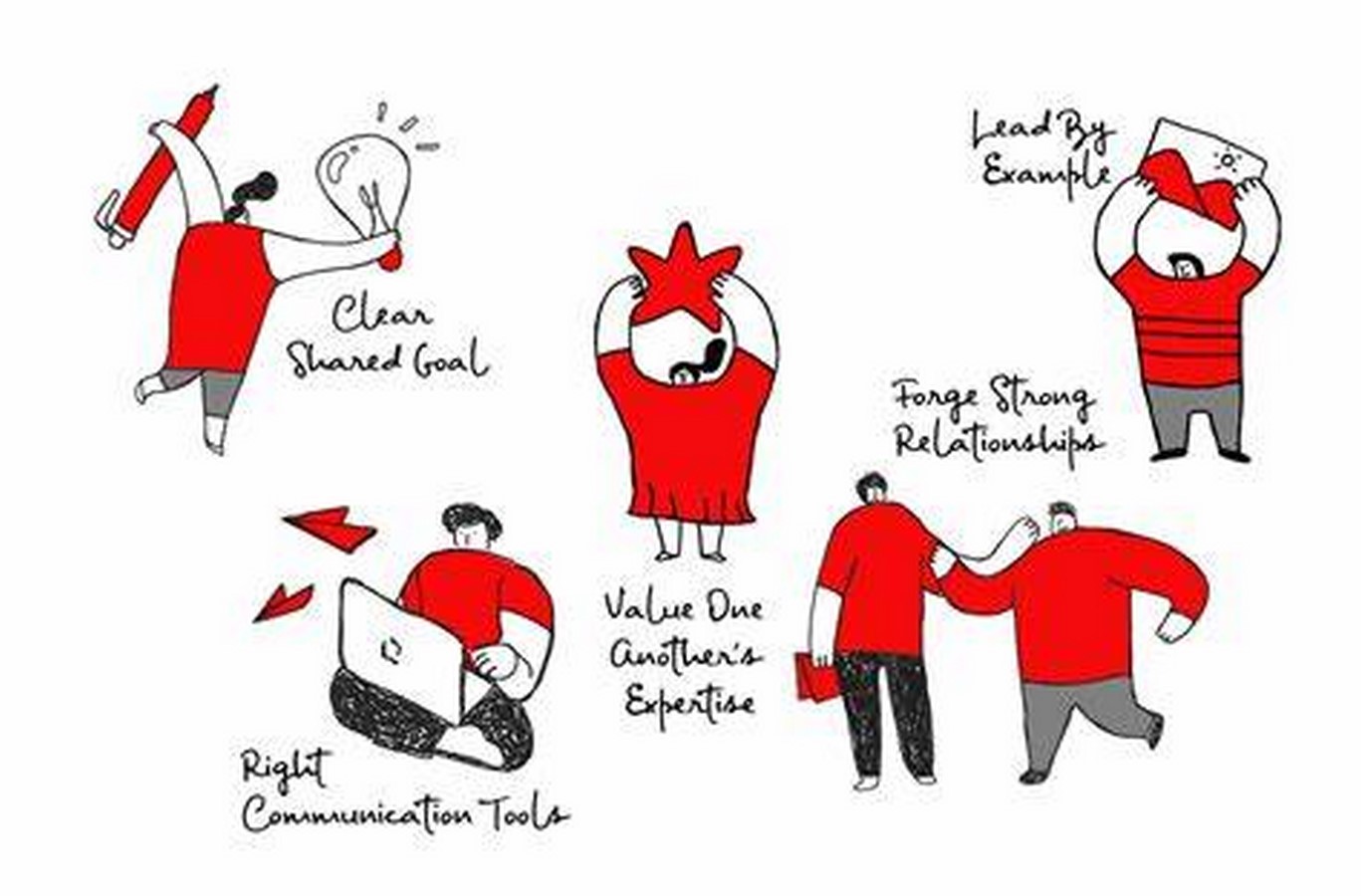
Collaboration across disciplines for innovation has emerged as a critical topic in design practice and education. This paper looks at three transdisciplinary design initiatives created by design schools and industry. We interviewed the participants to learn more about the benefits and drawbacks of interdisciplinary collaboration in design education. The findings indicate that multidisciplinary collaboration improves communication, collaboration, and professional abilities, as well as a better understanding of the collaborative process and how different professions complement one another and have a positive effect on future career development and a sense of accomplishment. Time constraints and various backgrounds are among the drawbacks. The findings contribute to the adoption of design thinking in design education.
Real-World Competence
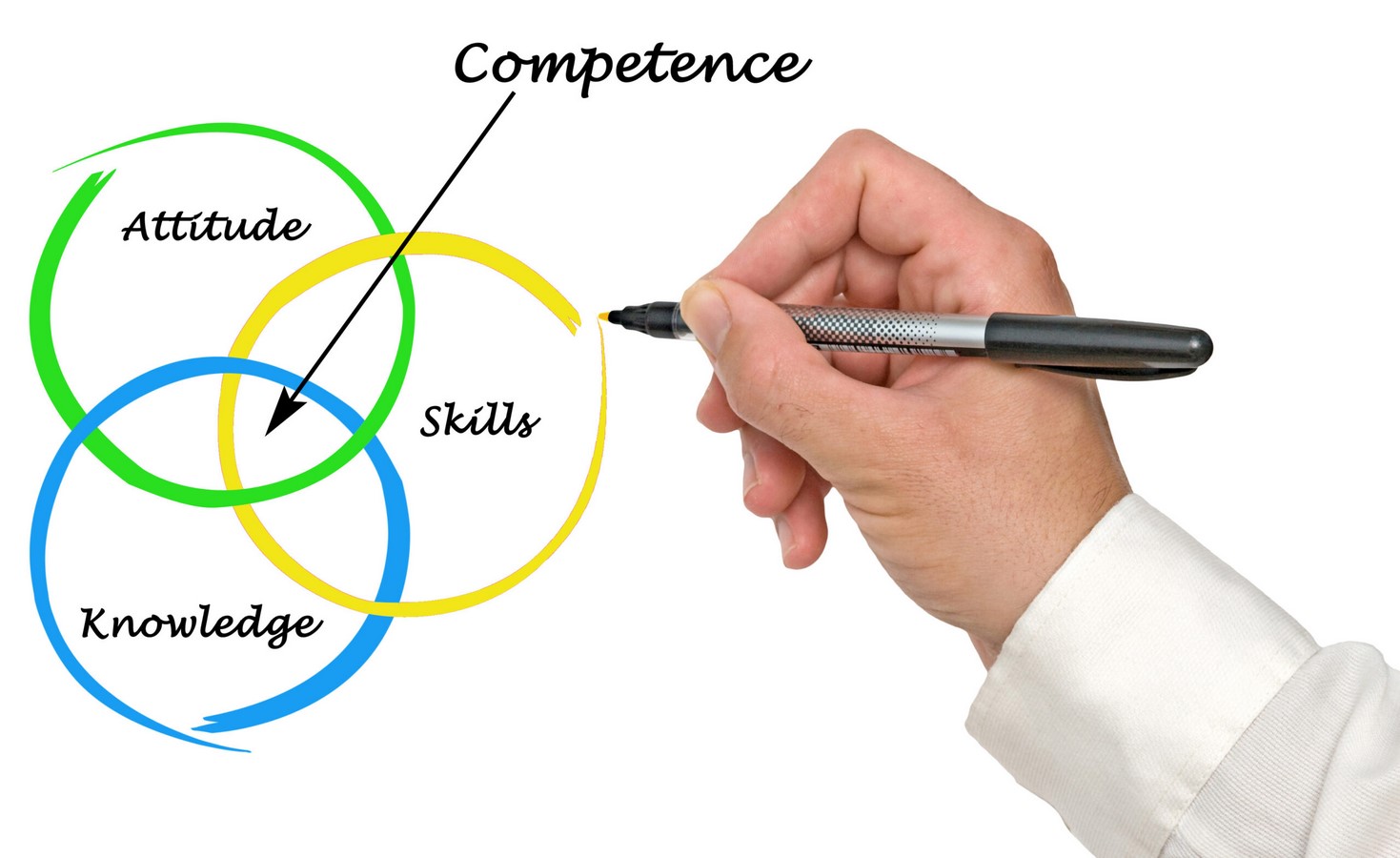
Design projects sometimes resemble real-life settings in which experts from varied backgrounds collaborate to produce something significant. Students are better equipped for their future employment when they learn to interact across disciplines. They learn important communication, negotiating, and compromise skills that will be useful in any professional situation.
Task distribution
Assigning tasks in design projects is a significant advantage in collaborative work, enabling a sharper focus on current assignments. When a single person handles all aspects independently, it often leads to what the Germans aptly call “der Wirrwarr” – chaos. Concentrating efforts effectively minimizes distractions and expedites reaching the project’s conclusion. However, it’s crucial to ensure that tasks vary, as uniform tasks can swiftly diminish inspiration and lead to worker boredom.
Boosts creativity
The industry is by no means unfamiliar with collaborative design. It increases productivity to enhance project outcomes and accomplish the primary project objective, which is to resolve the client’s marketing business issue. The foundation of design cooperation is knowledge sharing and communication between many stakeholders. To finish the task and maximize process efficiency, it fosters a kind of collective mind that functions as a single mechanism.
The expanding field of design is altering how stakeholders outside of design disciplines are engaged. It is recognized that the multidisciplinary collaboration space is crucial for design students to have, both practically in a design project and in research-based inquiry.
From the digital revolution to social innovation.
The speed with which the digital revolution, particularly the internet, revolutionized the way people live, interact, play, shop, and work was not always represented in design programs. The education and incorporation of new technology have been delayed. The conceptualization and implementation of technology-driven design projects sometimes need participation from several disciplinary areas, which in a university setting frequently includes involvement from students and educators from various schools, departments, or colleges.
Collaboration across disciplines for innovation has emerged as a critical topic in design practice and education. This article looks at three transdisciplinary design initiatives created by design schools and industry. We interviewed the participants to learn more about the benefits and drawbacks of interdisciplinary collaboration in design education. The findings show that multidisciplinary collaboration improves communication, collaboration, and professional abilities, as well as a better understanding of the collaborative process and how different professions complement one another and have a positive impact on future career development and a sense of accomplishment. Time constraints and various backgrounds are among the drawbacks. The findings contribute to the adoption of design thinking in design education.
References:
https://www.semanticscholar.org/paper/The-advantages-and-disadvantages-of-collaboration-Tang-Hsiao/e84a726954b273fdc502d2b857c5277138b1c459
https://www.researchgate.net/publication/357323422_Challenges_in_multidisciplinary_student_collaboration_Reflections_on_student_peer_assessments_in_design_education
https://www.researchgate.net/publication/357323422_Challenges_in_multidisciplinary_student_collaboration_Reflections_on_student_peer_assessments_in_design_education