Female Role in Architecture Education
Women have been under-represented as nothing more than a side asset in the profession, and sometimes not even an asset but a liability. Too headstrong, too bossy, not up for the task, …etc. all are stereotypical judgments of women. The world is moving ahead in teaching young girls not to stay on the sidelines. The difference might not be welcomed, and the misconception might be persistent and not so easy to get rid of, but young girls are starting to strive for the architectural leadership of brilliant and pioneering female architects before them.
Female architects have expanded their roles to academia, research, and design, becoming a key factor in the evolution of architecture. They have struggled when their work was passed over or considered not significant, not as good, or not as impactful. DuBois et al. (1985), defined discrimination against women as (1) the disregard of women’s efforts in the narrative, (2) the differentiation between the value of the accomplishments of women as a result of the microscopic focus on males as a dominant species and (3) the persistence of gender stereotypes, and (4) the description of women in a demeaning stereotypical. Architecture education is the foundational base that needs to be restructured first in order for women in architecture to get more recognition.
Representation of Women in Architecture Education
According to a study carried out by (Fulani, O. et al) in universities across west Nigeria on the impact of female architects on their study and motivation. The study concluded that the visibility of female architects is scarce. Their presence in the architecture education curriculum is not sufficient to show their contributions to the field of architecture. The inclusion of female architects in architectural programs, workplaces, and academia is crucial for the inclusivity and diversity of the evolution of architecture. Their inclusion will generate a wide range of perspectives, ideas, and designs, due to their constant struggle to prove themselves in a male-dominated profession. Involving female architects ensures that talented individuals, regardless of their gender, have equal access to educational opportunities and career advancement within the field.
Women in Architecture
Women in architecture are often overshadowed by their male counterparts, even though their contributions have been more than transformative and revolutionary in the architecture profession. This list puts ten pioneering female architects in the spotlight, as a guide for young who should pose as role models for young architects who need to believe that it is possible to achieve more than mediocre recognition in the architecture profession.
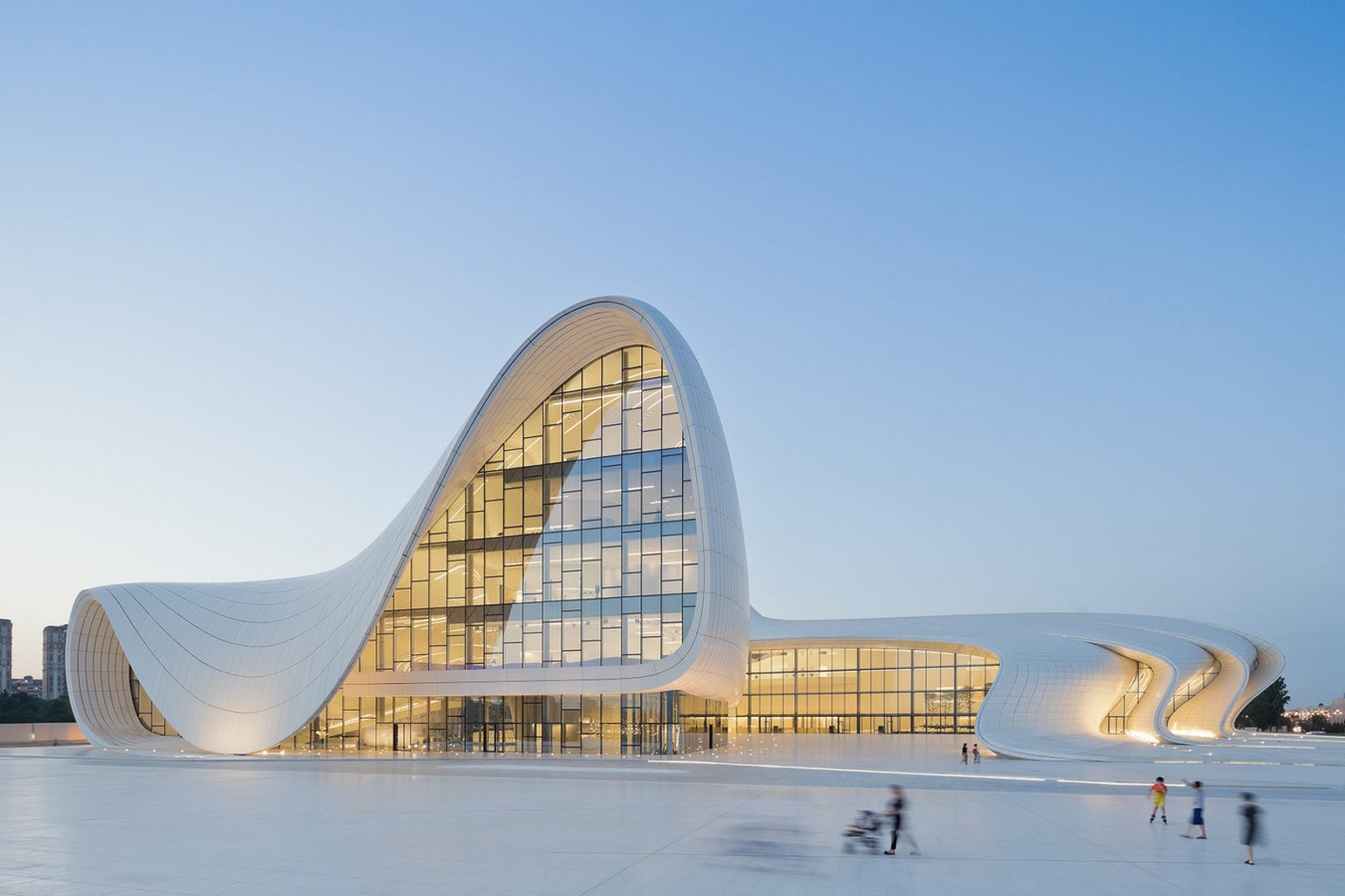
Zaha Hadid:

Approach: Pioneering parametric design and fluid architectural forms.
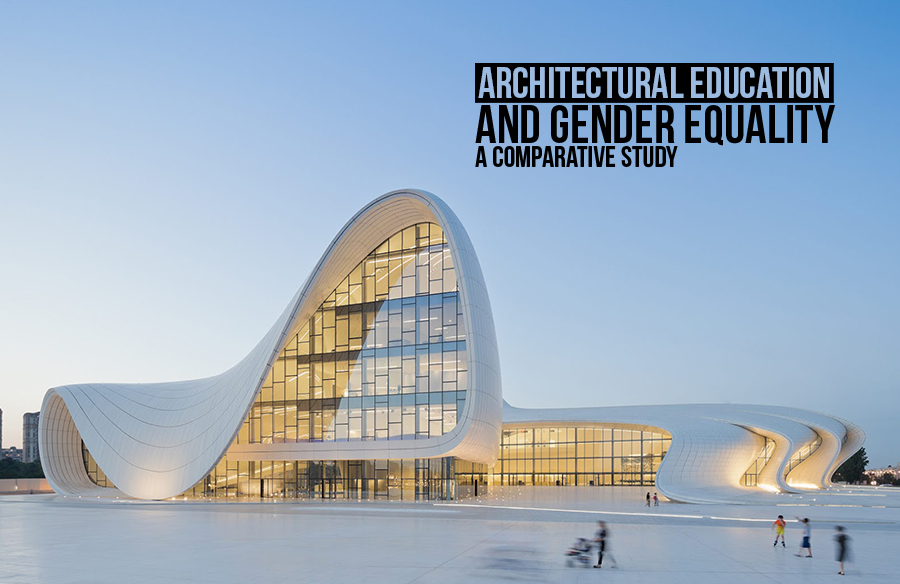
Contributions: Known for her groundbreaking, futuristic designs, including the Guangzhou Opera House and the Heydar Aliyev Center, which pushed the boundaries of architectural innovation.
Jeanne Gang:

Approach: Sustainability, community engagement, and biophilic design.
Contributions: Designed the environmentally innovative Aqua Tower in Chicago and focused on creating architecture that connects people with nature and promotes sustainable living.

Maya Lin:
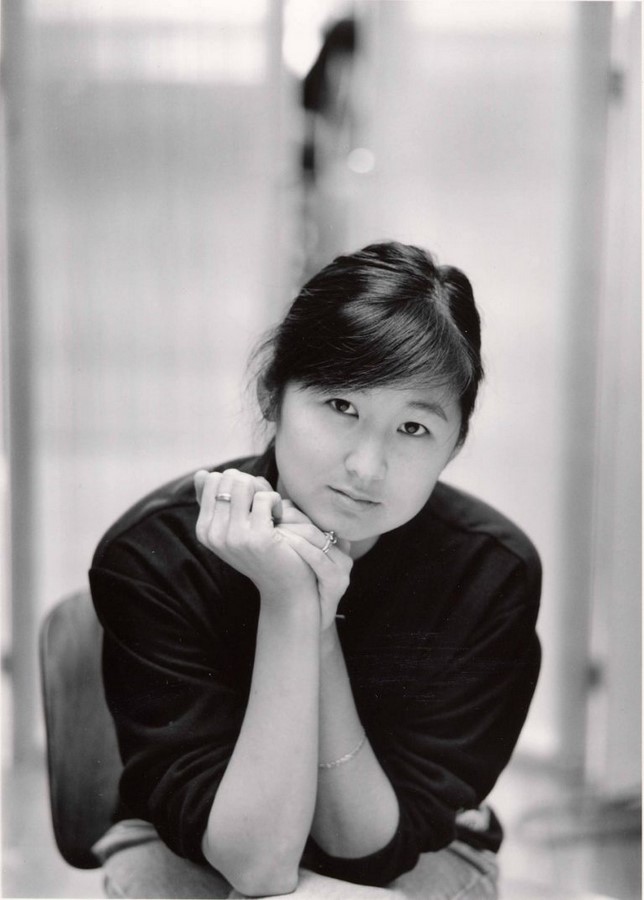
Approach: Environmental sensitivity and minimalist design.
Contributions: Best known for the Vietnam Veterans Memorial in Washington, D.C., Lin’s work often merges art and architecture, highlighting the importance of environmental and social issues.

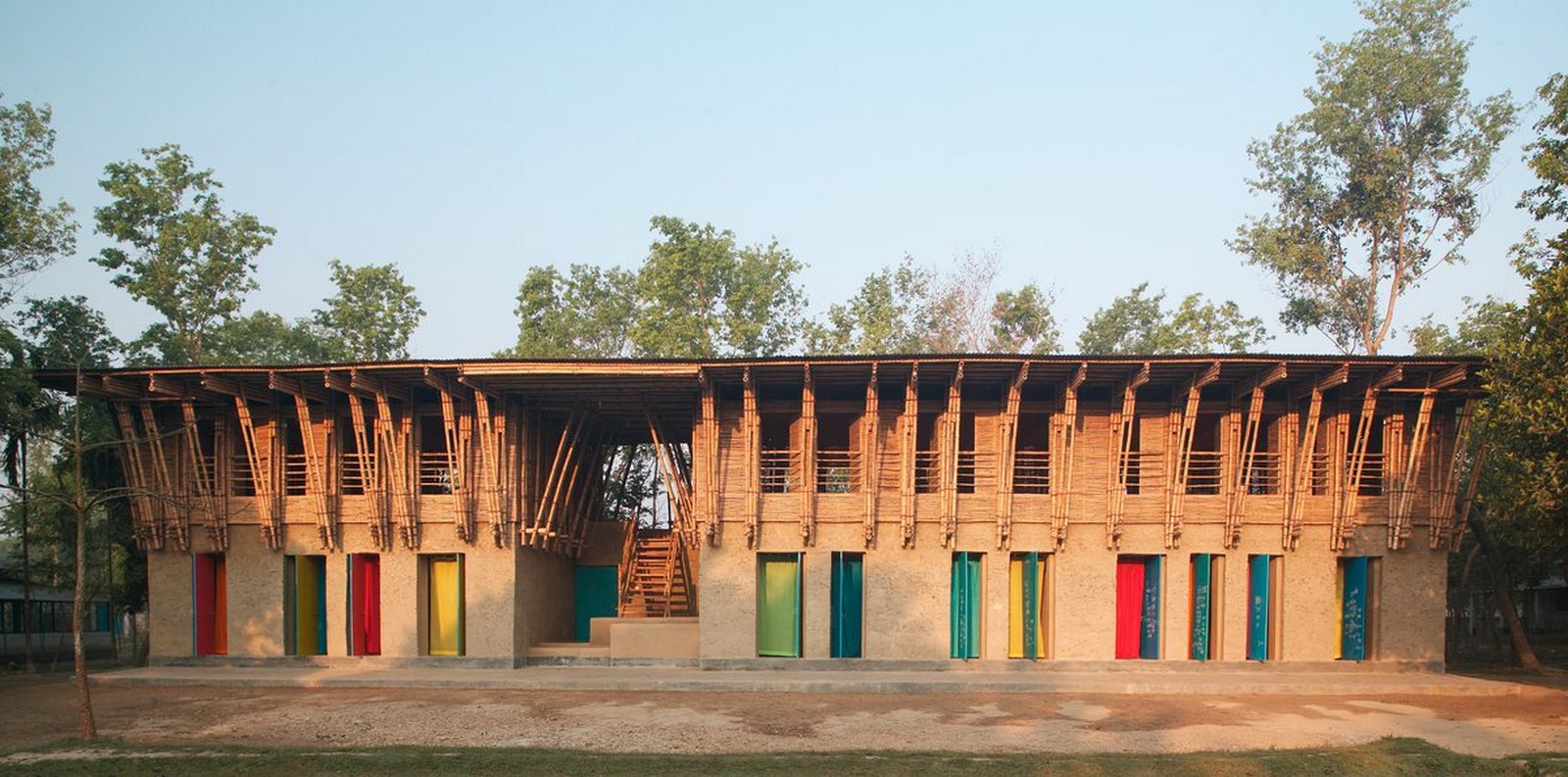
Anna Heringer:

Approach: Sustainable, earth-friendly architecture with a focus on community and craftsmanship.
Contributions: Her work includes the METI Handmade School in Bangladesh, which demonstrates the potential of local materials and vernacular building techniques in sustainable design.
Elizabeth Diller (of Diller Scofidio + Renfro):

Approach: Interdisciplinary design, adaptive reuse, and public space activation.
Contributions: Designed the High Line in New York City, a groundbreaking elevated park created from an abandoned railway track, transforming urban space.

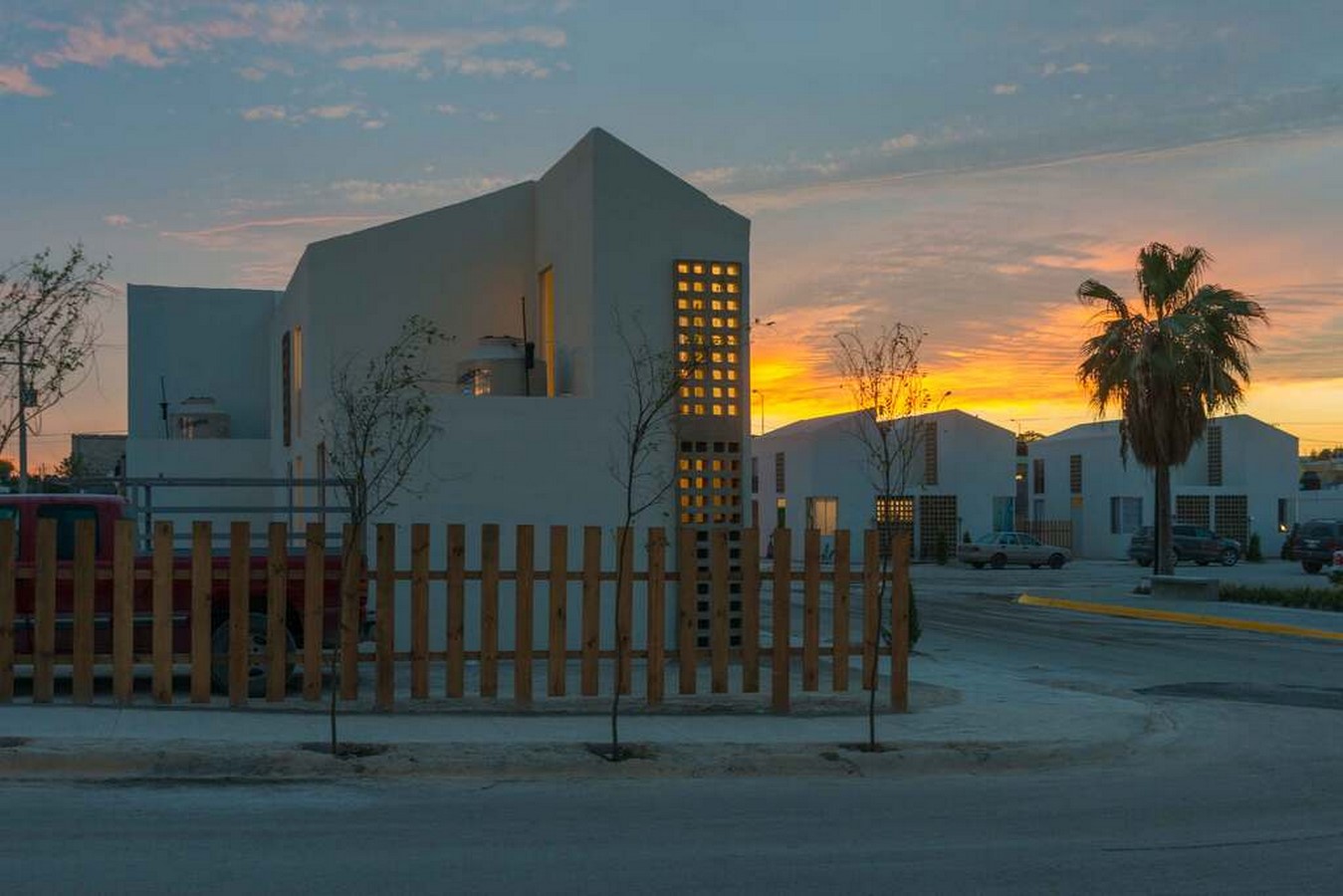
Tatiana Bilbao:

Approach: Contextual architecture rooted in local culture and sustainable design.
Contributions: Notable projects include the Sustainable Housing Prototype in Mexico, exploring affordable and sustainable housing solutions.
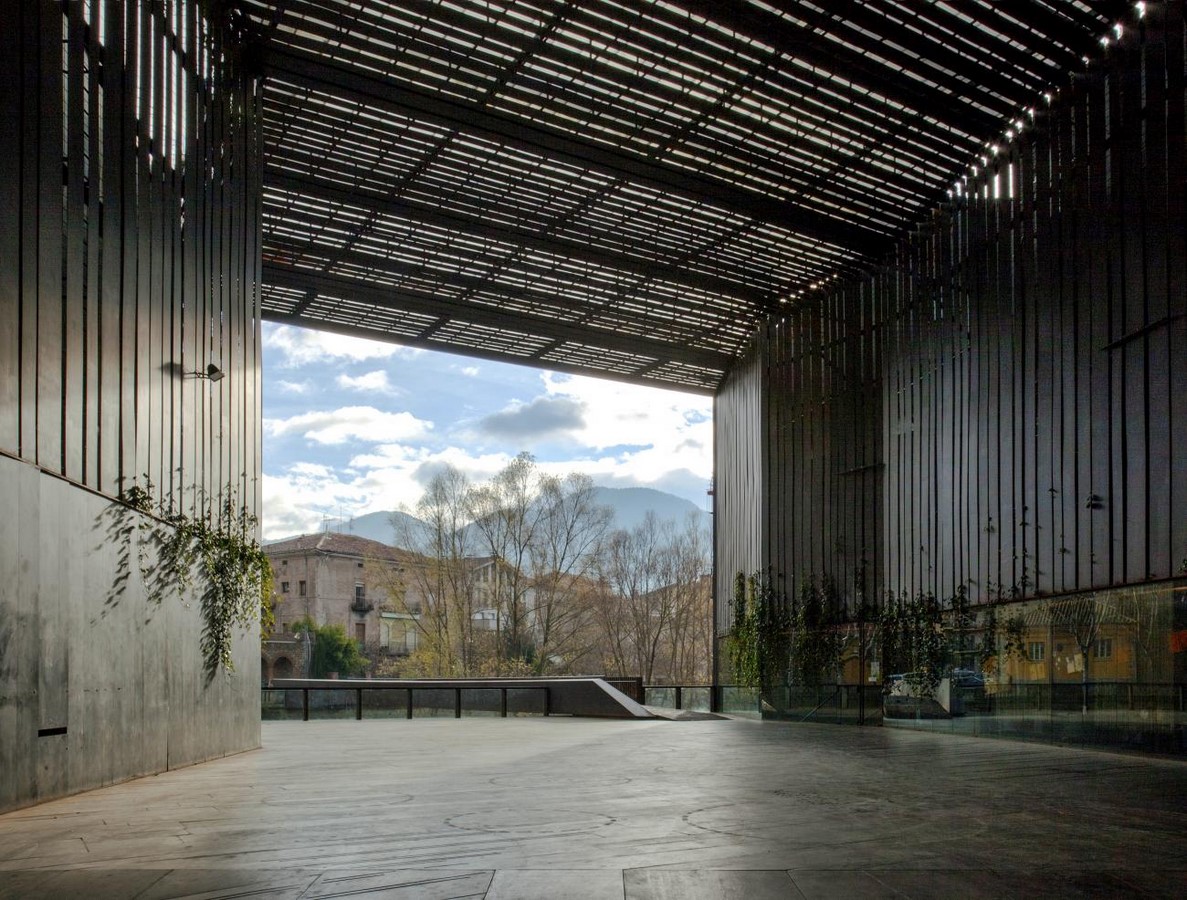
Carme Pigem (of RCR Arquitectes):

Approach: Integration of architecture with the natural landscape and use of materials.
Contributions: Awarded the Pritzker Prize, her work reflects a deep connection to nature and a commitment to creating harmonious spaces.
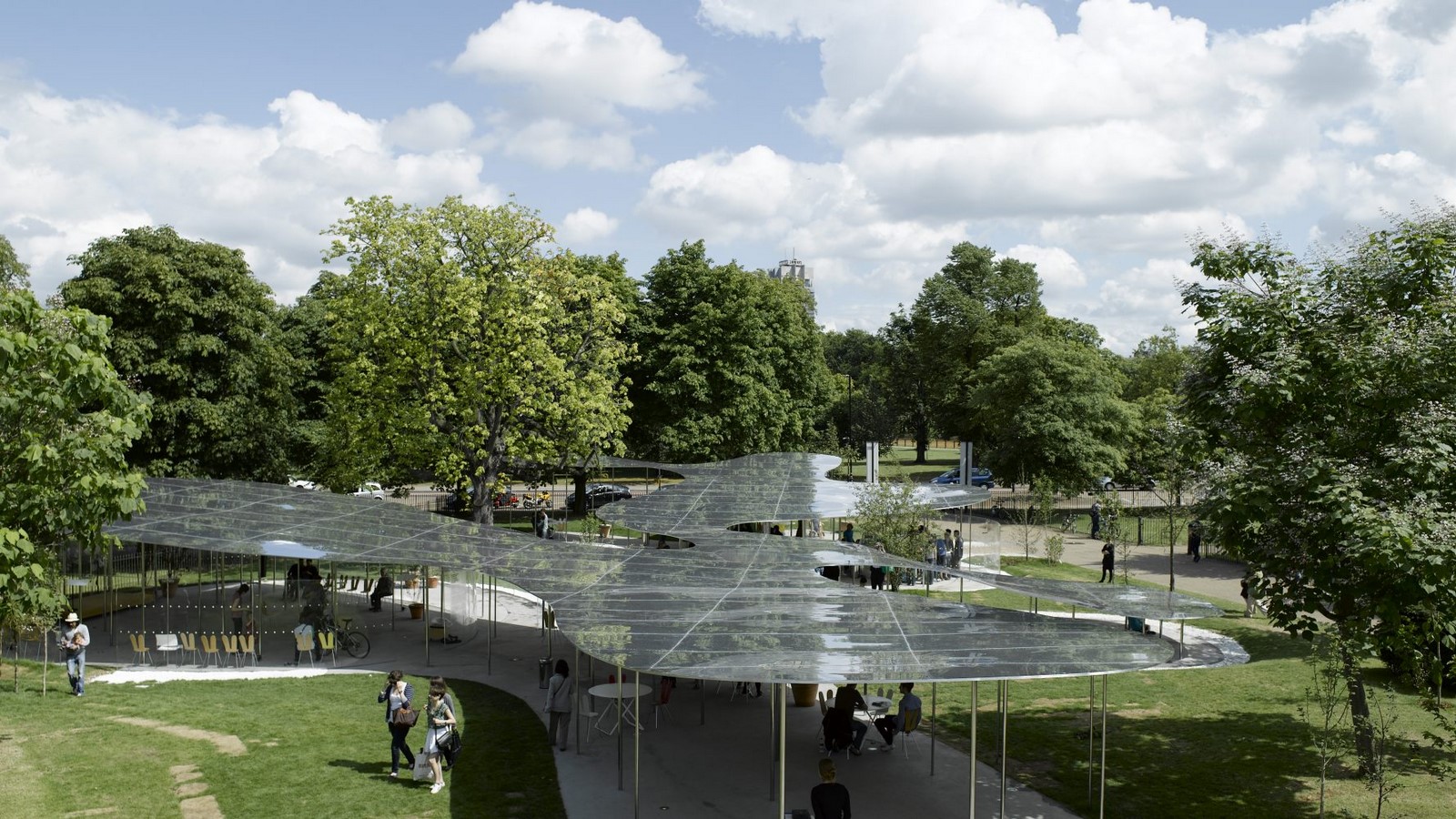
Kazuyo Sejima (of SANAA):

Approach: Minimalist and transparent architectural designs.
Contributions: Known for the Serpentine Pavilion in London and the New Museum in New York, her work emphasizes simplicity and spatial purity.
Odile Decq:

Approach: Experimental and avant-garde design, often incorporating bold geometries.
Contributions: Her work includes the MACRO – Museo d’Arte Contemporanea in Rome, which challenges conventional architectural norms.

Women in architecture have made significant strides in overcoming historical challenges and biases. While progress has been made in increasing their representation and recognition in the field, even though gender disparities and obstacles persist. Their work, their success, and their exposure is the key factor in female representation in the architectural profession. Their input, career background, and history, is a crucial addition to the architectural education curriculum, to relate to young female architects who strive for the recognition presented in those who came before them. In a profession constantly celebrating the works of male architects, it is equally influential and necessary to celebrate their female counterparts.
References
Schioppa, C., 2022. Stories of Women Architects Who Made Their Mark. The Plan Journal. https://doi.org/10.15274/tpj.2022.07.01.13.
Kingsley, K., & Glynn, A., 1992. Women in the Architectural Workplace. Journal of Architectural Education, 46, pp. 14-20. https://doi.org/10.1080/10464883.1992.10734529.
Turpin, J., 2001. Omitted, Devalued, Ignored: Reevaluating the Historical Interpretation of Women in the Interior Design Profession. Journal of Interior Design, 27, pp. 1 – 11. https://doi.org/10.1111/j.1939-1668.2001.tb00361.x.
Sang, K., Dainty, A., & Ison, S., 2007. Gender: a risk factor for occupational stress in the architectural profession?. Construction Management and Economics, 25, pp. 1305 – 1317. https://doi.org/10.1080/01446190701546177.
Sun, E., & Yasar, D., 2022. A Study on the Female Architects’ Approaches to Design in the 21st Century. 5th International Conference of Contemporary Affairs in Architecture and Urbanism. https://doi.org/10.38027/iccaua2022en0044.
Fulani, O., Amole, D., Aderonmu, P., Adewale, B., Babalola, D., & Jegede, F., 2019. Besides Zaha or Adenowo: Investigating the Visibility Status of Female Architects as Role Models for Students of Architecture. International Journal of Innovative Technology and Exploring Engineering. https://doi.org/10.35940/ijitee.i7493.078919.