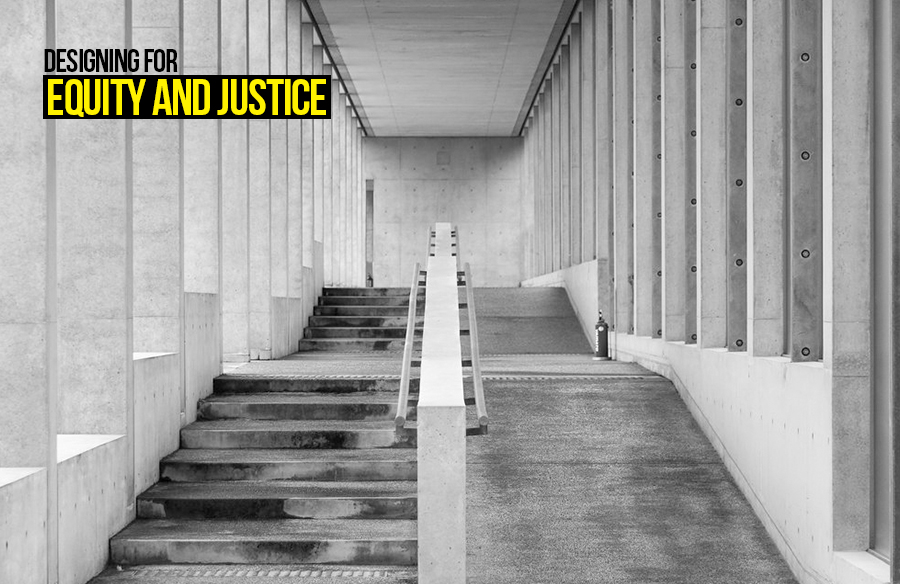
Architecture has a profound impact on society, shaping the physical environment and influencing the lives of individuals and communities. It is essential for architects and designers to recognize their role in promoting equity and justice through their work. Designing for equity and justice entails creating spaces that are inclusive, accessible, and responsive to the diverse needs and experiences of all individuals. This essay explores how architects and designers can prioritize equity and justice in their work and highlights emerging strategies and best practices for designing architecture that promotes social justice and equity.
1. Understanding Equity and Justice in Architecture:
To prioritize equity and justice in architectural design, it is crucial for architects and designers to have a deep understanding of these concepts. Equity refers to fairness and equal access to resources, opportunities, and benefits within a society. Justice, on the other hand, encompasses the notion of fairness, ethics, and the equitable distribution of resources and opportunities. In the context of architecture, it involves considering the social, economic, and environmental impact of design decisions to ensure that they benefit all members of society, especially marginalized and disadvantaged communities. Architects must be aware of the historical and systemic inequalities that exist and strive to address them through their work. This requires examining the social, cultural, and economic context of a project and considering how it can contribute to a more equitable and just society.
2. Incorporating Community Engagement:
Community engagement plays a pivotal role in designing for equity and justice. Architects and designers must actively involve the communities they serve in the design process to ensure that their voices, needs, and aspirations are heard and respected. Community engagement can take various forms, such as public consultations, workshops, and participatory design sessions. By engaging with the community, architects gain valuable insights into the specific challenges and opportunities present in a given context. This approach fosters a sense of ownership and empowerment among community members, as they become active participants in shaping their built environment. It also helps architects to identify and address potential disparities or inequities in the design process. By involving diverse stakeholders, including community leaders, activists, and residents, architects can create spaces that reflect the values and aspirations of the community, fostering a sense of belonging, equity, and social justice.

3. Designing for Accessibility and Inclusion:
In designing for equity and justice, architects must prioritize accessibility and inclusion. This involves creating spaces that are barrier-free and inclusive for people of all abilities. Incorporating universal design principles ensures that spaces can be used by a diverse range of individuals, regardless of their physical or cognitive abilities. Features such as ramps, elevators, wide doorways, tactile signage, and adjustable furniture contribute to an inclusive environment. Moreover, architects should consider the specific needs of marginalized groups, such as individuals with disabilities, the elderly, and parents with young children. By providing equitable access and ensuring that the built environment caters to diverse needs, architects can create inclusive spaces that promote social justice.

4. Addressing Environmental Justice:
Environmental justice is a critical aspect of designing for equity. Architects must consider the environmental impact of their projects, particularly on marginalized communities. Often, disadvantaged communities bear a disproportionate burden of environmental hazards, such as pollution, poor air quality, or lack of green spaces. Architects can address this by designing sustainable and energy-efficient buildings that minimize their ecological footprint. They can also prioritize the equitable distribution of green spaces and access to natural resources, ensuring that all communities have equal opportunities to enjoy and benefit from these resources. By integrating environmental justice into design decisions, architects contribute to a more sustainable and just future.

5. Socially Responsible Material Selection:
The choice of materials used in architectural projects has significant implications for equity and justice. Architects should prioritize socially responsible material selection by considering factors such as sustainability, ethical sourcing, and human health impacts. Sustainable materials, such as recycled or locally sourced materials, reduce the environmental footprint of construction and promote a circular economy. Ethical sourcing ensures that materials are obtained through fair trade practices, avoiding exploitation or harm to local communities. Architects should also consider the lifecycle of materials, including their durability and recyclability, to minimize waste. By making conscious choices in material selection, architects can contribute to social and environmental justice.
6. Engaging in Adaptive Reuse and Preservation:
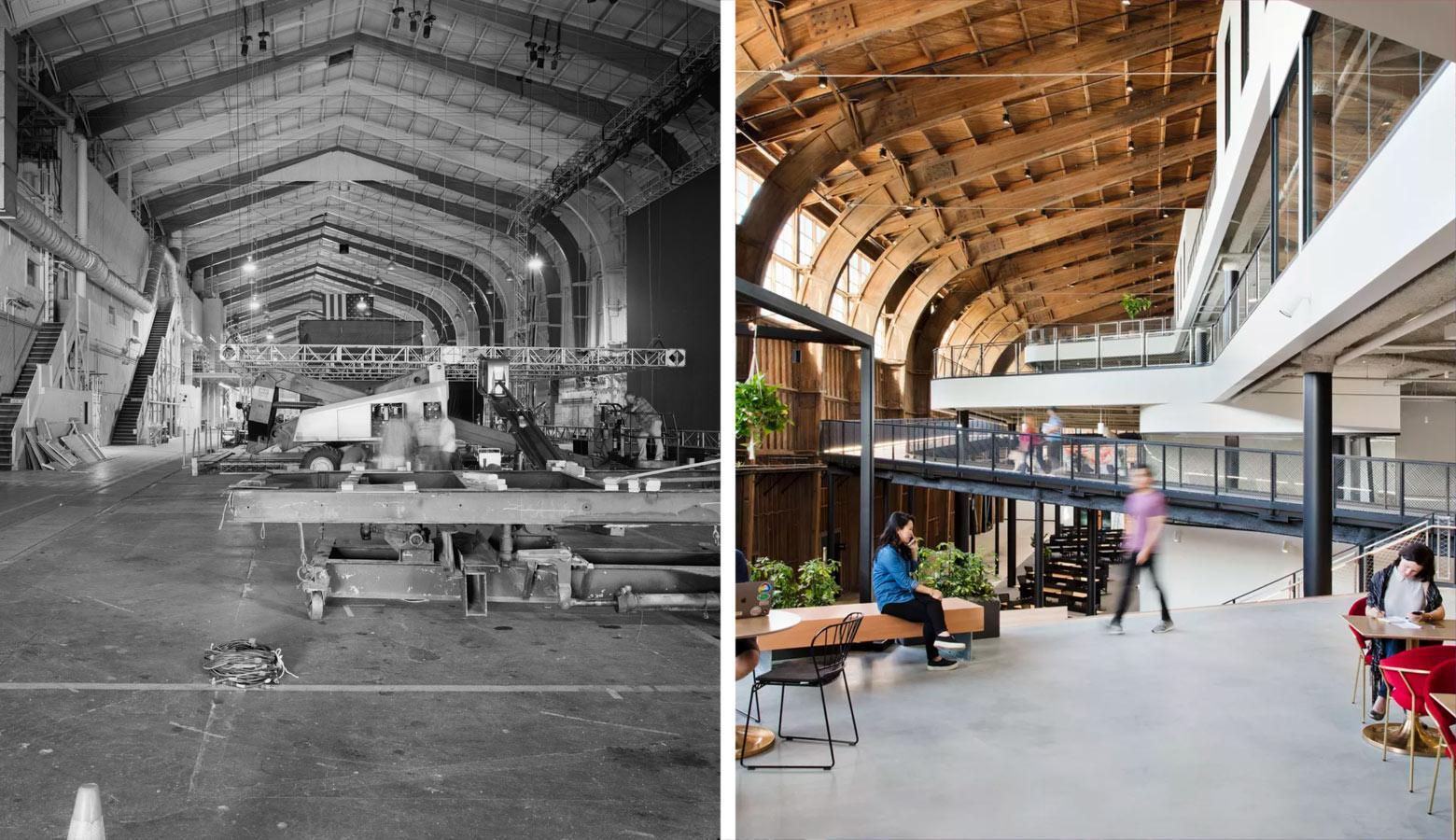
Adaptive reuse and preservation play a crucial role in designing for equity and justice. By preserving historic buildings and cultural heritage sites, architects can maintain the identity and character of communities. Adaptive reuse involves repurposing existing structures to meet the needs of marginalized communities, such as transforming abandoned factories into affordable housing or converting old schools into community centers. This approach allows architects to preserve the historical context and minimize the displacement of communities. By respecting the existing built environment and adapting it to serve contemporary needs, architects contribute to social justice and foster a sense of belonging.
7. Collaboration and Partnerships:
Achieving equity and justice in architectural design requires collaboration and partnerships with various stakeholders. Architects should actively engage with non-profit organizations, community groups, and social justice advocates to gain insights into the specific needs and aspirations of communities. By involving these stakeholders in the design process, architects can ensure that their projects are responsive to the community’s values and priorities. Interdisciplinary partnerships with professionals in fields such as sociology, anthropology, and urban planning can provide valuable perspectives on social issues and help architects develop innovative and inclusive design strategies. Additionally, architects should work closely with policymakers to advocate for regulations and standards that promote equity and justice in architecture.
8. Promoting Economic Equity:
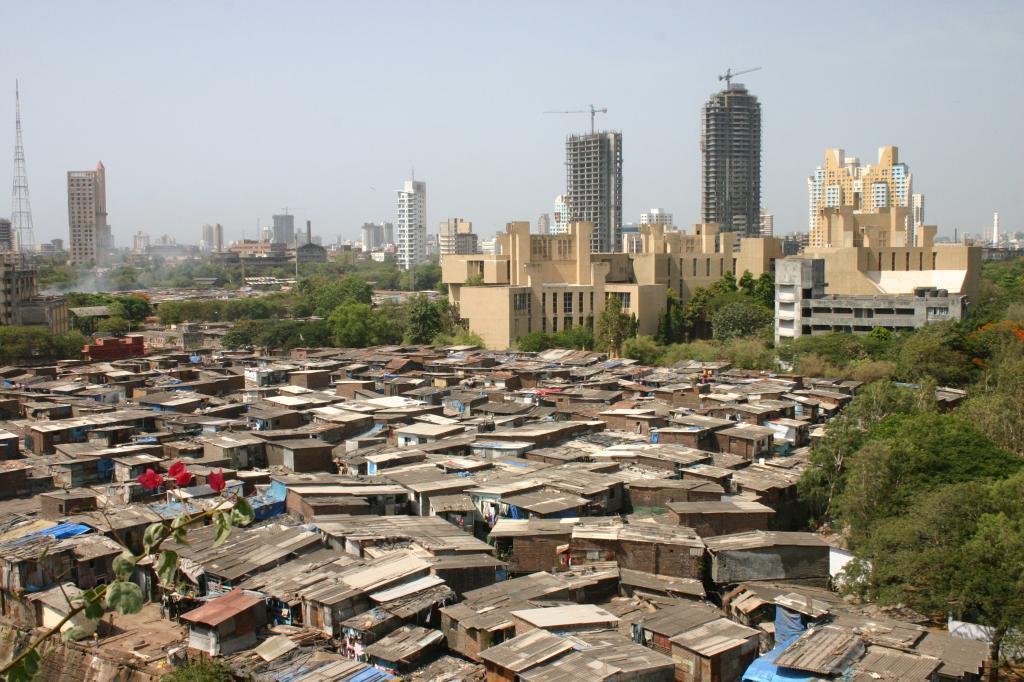
Designing for equity and justice involves considering economic disparities and promoting economic equity through architectural interventions. Architects can contribute to economic equity by designing affordable housing projects, mixed-income developments, and community-oriented spaces that provide opportunities for economic empowerment. By creating spaces that support local businesses and entrepreneurs, architects can foster economic growth and contribute to community development. Additionally, architects can advocate for fair wages and equitable employment practices within the construction industry to ensure that the benefits of architectural projects extend to the workers involved.
9. Education and Awareness:
Architects and designers have the power to raise awareness and educate the public about the importance of equity and justice in architecture. By participating in public forums, giving lectures, and publishing articles, architects can advocate for design practices that prioritize equity and justice. They can share success stories and best practices, inspiring others in the industry to adopt similar approaches. Furthermore, architects can collaborate with educational institutions to integrate social justice principles into architectural curricula, preparing future professionals to be conscious of the social implications of their designs. Through education and awareness initiatives, architects can contribute to a broader cultural shift toward more equitable and just design practices.
Designing for equity and justice is not just an ethical imperative but also a responsibility that architects and designers must embrace. By prioritizing equity and justice in their work, architects can contribute to a more inclusive and equitable society. Through community engagement, inclusive design practices, consideration of environmental justice, responsible material selection, adaptive reuse, and collaboration, architects and designers can create architecture that promotes social justice and equity. It is essential to continually learn, adapt, and engage with stakeholders to ensure that the principles of equity and justice are integrated into every stage of the design process.
References:
Stott, R., 2020. Architectural Photography: Composition, Capture, and Digital Image Processing. London: Routledge.
Maier, J., 2018. The Architecture of Photography: An Essay on Landscape and Architectural Photography. Berlin: Jovis
Lavelle, L., 2016. Shooting Space: Architecture in Contemporary Photography. London: Phaidon Press.
Smith, R., 2009. Building Pictures: Architectural Photography from the Collection. London: Merrell Publishers.