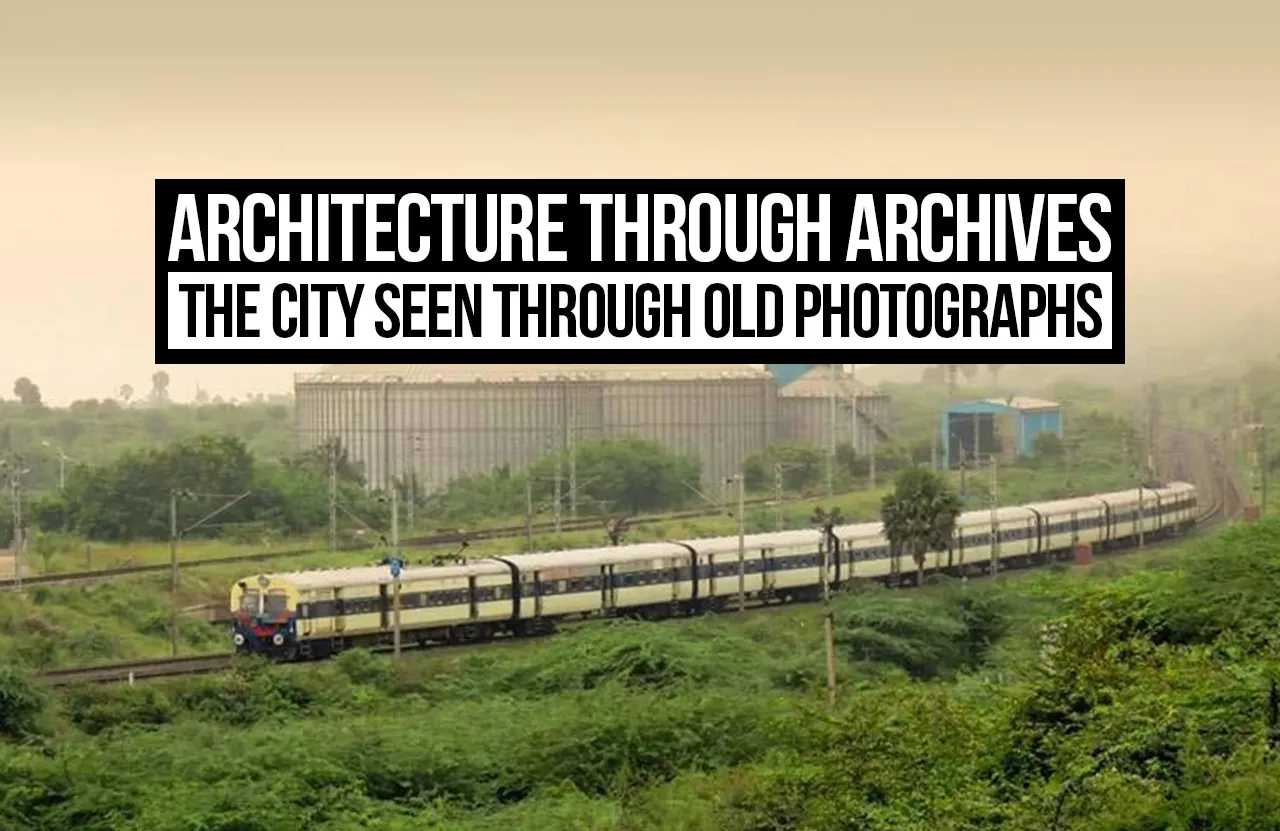
To Record
To archive is to understand what was and why things exist as they currently do. It is to understand a space through the phases, people, and development it has gone through. The formal way of archiving places and things is by collecting physical, social, and cultural data in the form of maps, directories, photographs, etc which, depending on the circumstances, may or may not be biased. Presently, there are various forms of documentation through the administrative, architectural, and artist-led fields.
Archives of metropolitan cities are readily available online or through formal requests, and these help people understand why cities evolved, what socio-political realities influenced them, and how they developed into an urban hub.
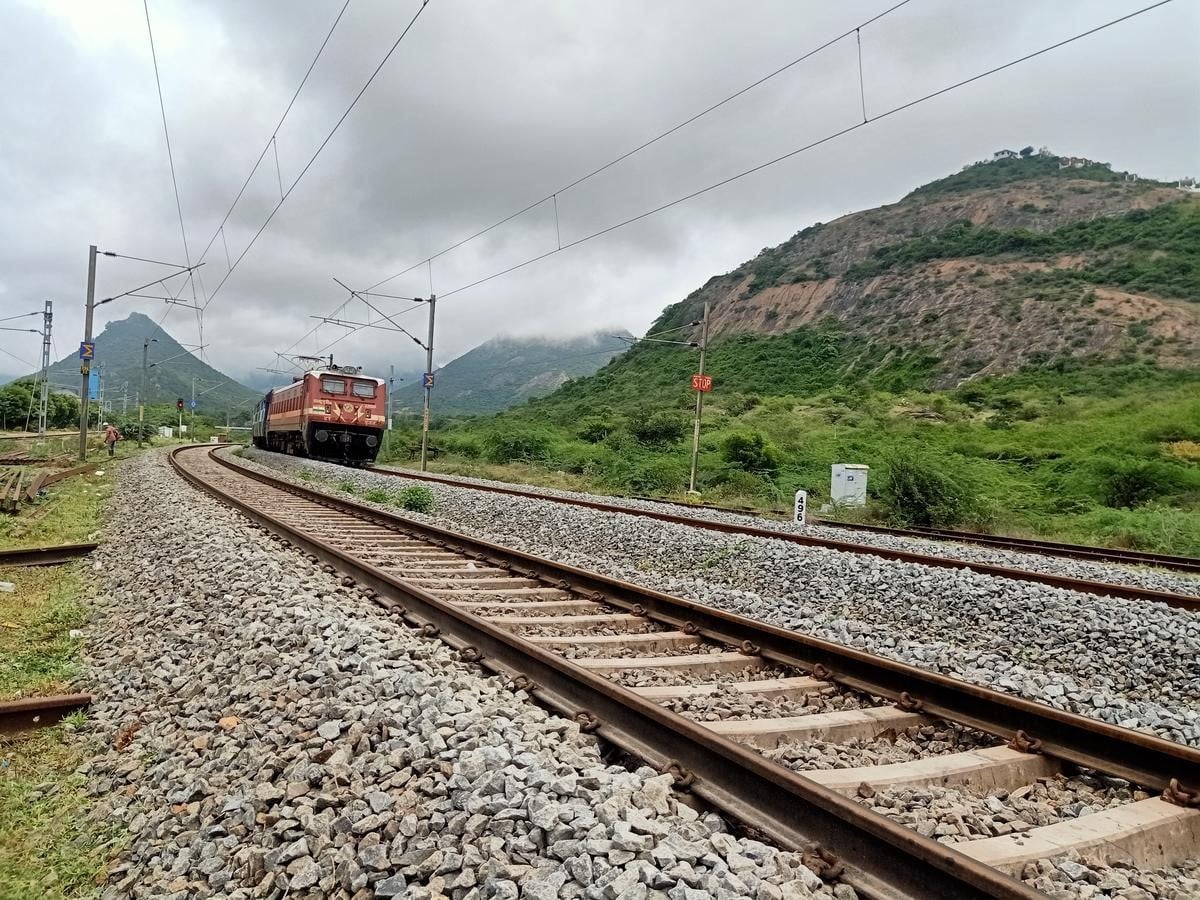
To Experience
People, jobs, and priorities tend to be deciding factors in how much they can archive and understand the city they reside in. Through people archiving photos and objects, it brings a sense of nostalgia to those who continue to live in the same neighbourhoods and a sense of curiosity to people who move for work. The process of archiving through people also gives the flexibility of not curating data. The records are unedited and true to the user.
To Recall
Several regions and cities across India have undergone acceleration due to post-1991 economic liberalization that catalyzed rapid, uneven urbanization, shifting growth from traditional industrial centers to service-driven metropolitan hubs.
Cultural and architectural heritage acts as a vital anchor for psychological grounding, social cohesion, and civic identity, especially during periods of rapid urban transformation. When places undergo sudden economic and demographic shifts, historic spaces, living traditions, and built environments provide continuity between the past and the present.
While the known examples like Mumbai, Bangalore, Hyderabad, and many more are common for understanding cities through formal and personal archives, I would like to look at Madukkarai, a suburb of Coimbatore city, through that lens. Having been a place I’ve heard and seen that has slowly gone through growth that may not mimic what usual metropolitan cities do.
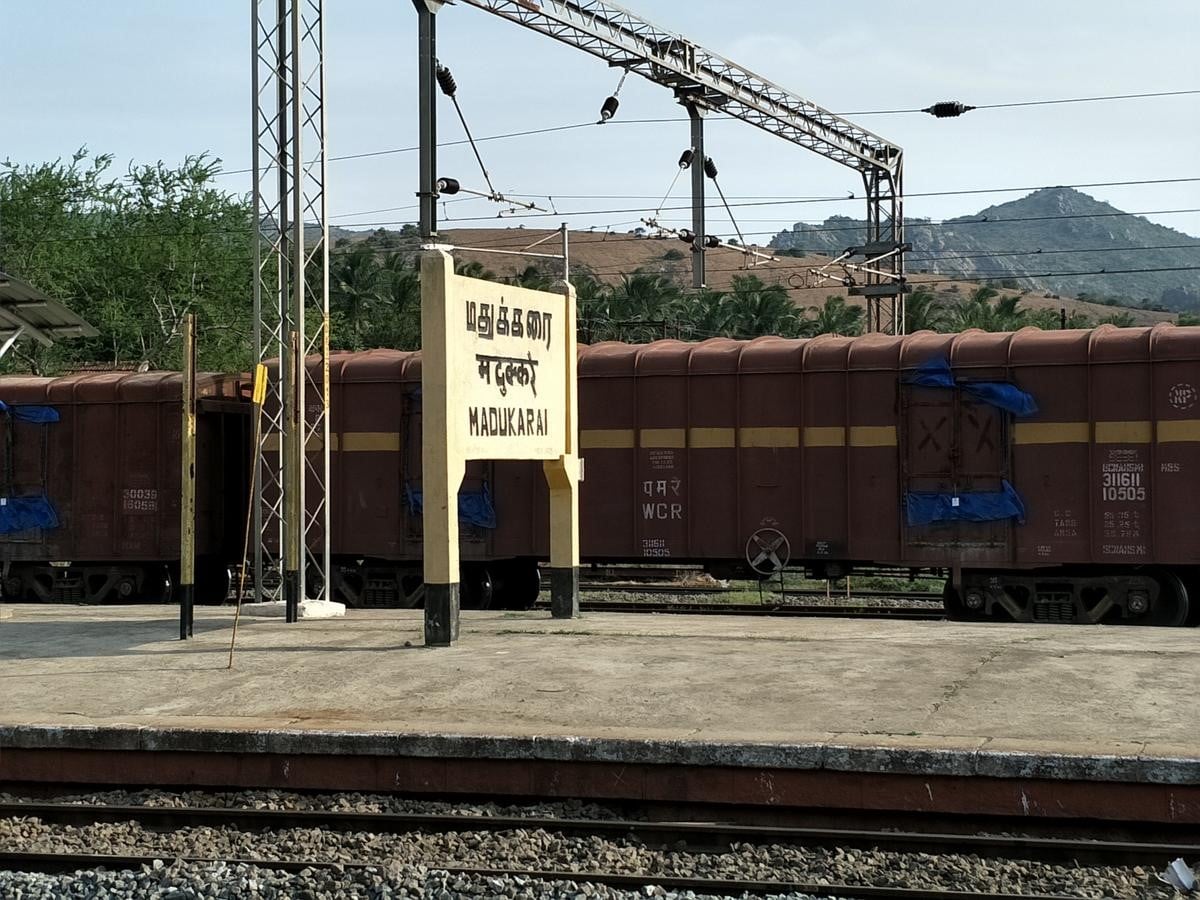
Madukkarai: Reading a Town Through Its Infrastructure
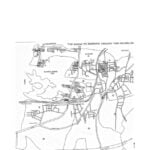
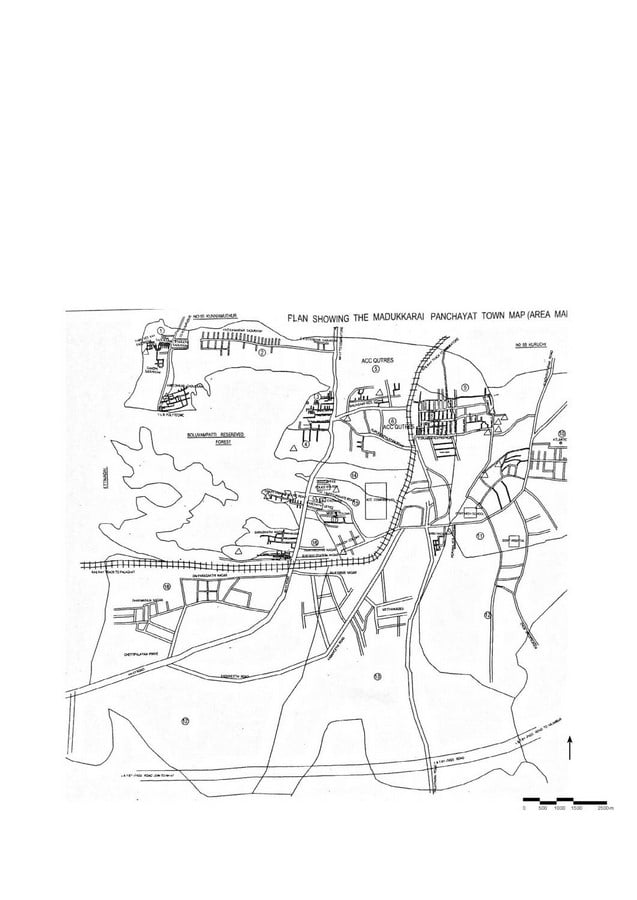
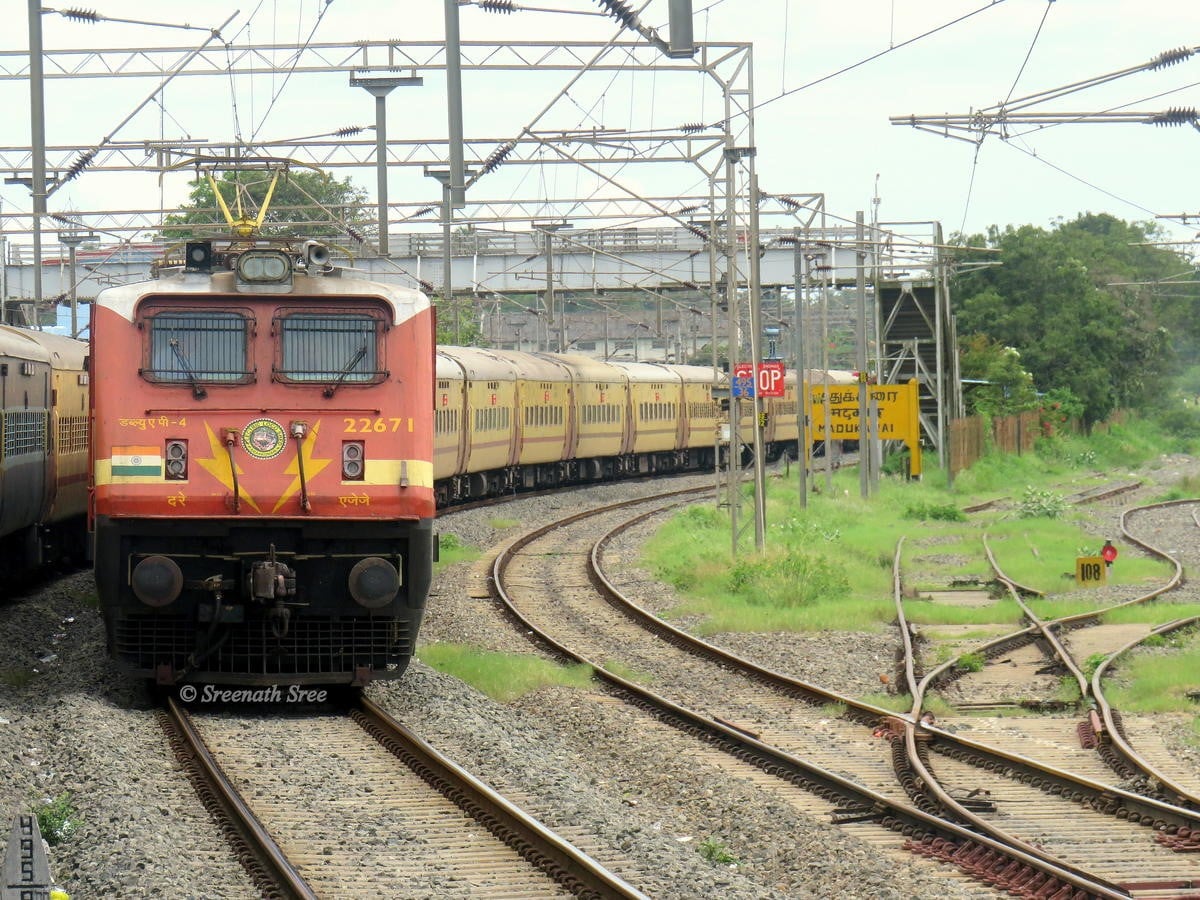
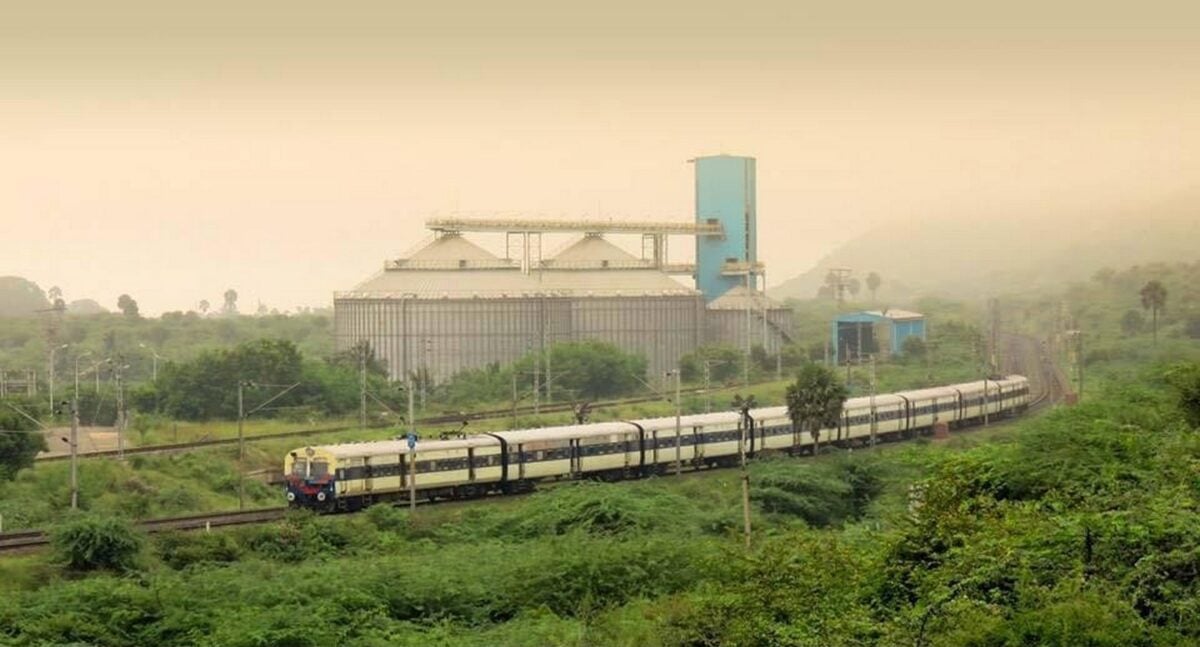
Madukkarai, a suburb of Coimbatore city, offers an interesting perspective on how infrastructure and industry contribute to the development of smaller settlements. Located along the railway corridor connecting Podanur and Palakkad, the town’s relationship with the railway forms an important part of its historical context. The railway line, dating back to the nineteenth century, connected the region to wider networks of transport. The railway and industrial landscape are not simply isolated elements of infrastructure; they are part of the larger processes that have shaped the settlement. Comparing historical maps and railway records with the present-day landscape could help reveal how these connections have influenced the town’s growth and its relationship with neighbouring urban centres.
Railway
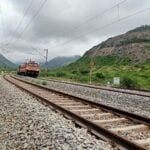
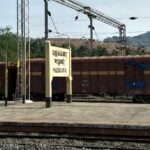
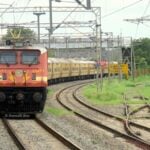
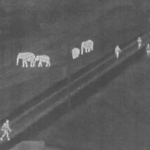
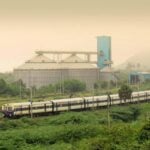
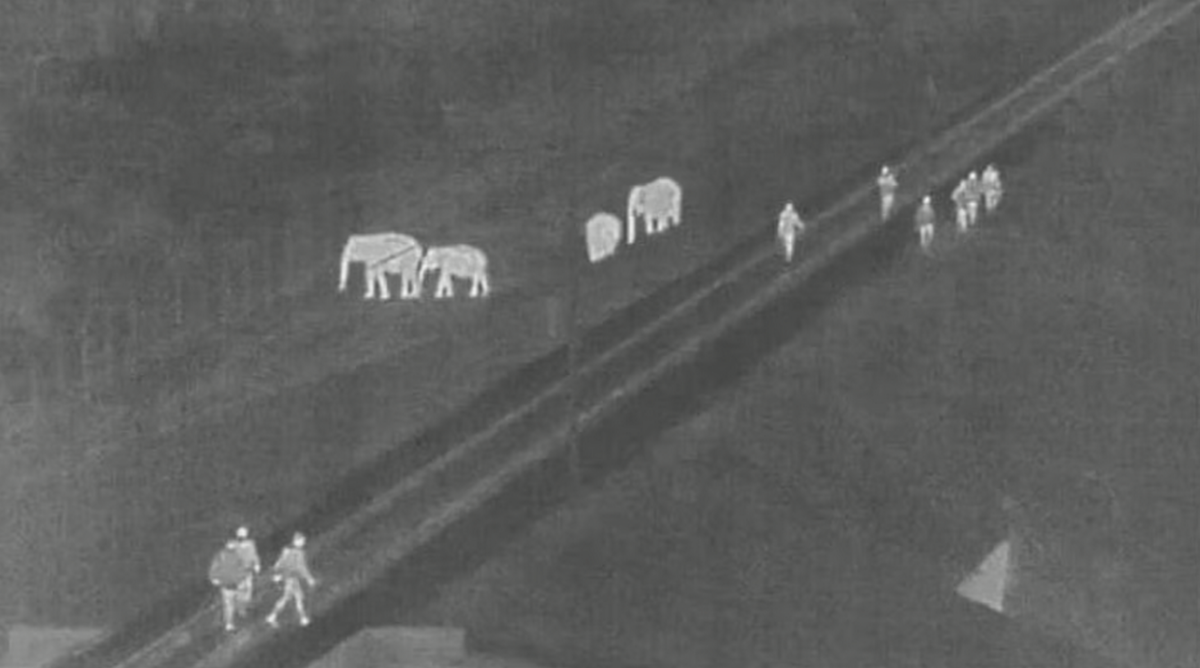
The Madukkari railway sits directly on the Coimbatore–Shoranur main line, linking western Tamil Nadu with Kerala and coastal Karnataka. It served as a small rural stop on the Coimbatore–Palakkad trade route and a private rail siding for the ACC cement factory. Whereas now it functions as a suburban passenger stop and a major freight hub relieving cargo congestion from nearby Coimbatore terminals. Because of its small scale, it initially relied on manual signaling to slow trains, but now it has an electronic interlocking system. The wildlife safeguards were minimal at first despite the railway’s proximity to the forest range, but now they are monitored with AI sensor cameras and dedicated elephant underpasses to prevent train-wildlife collisions along the Western Ghats corridor.
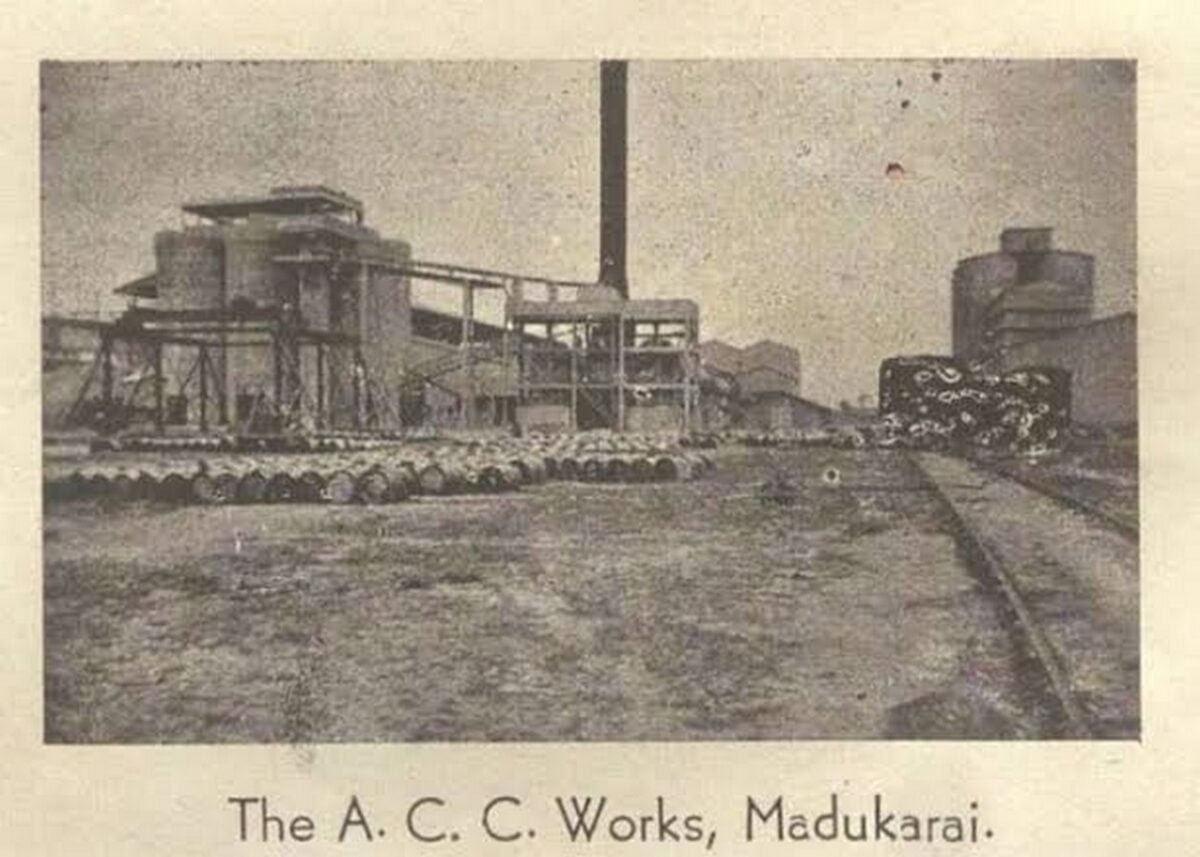
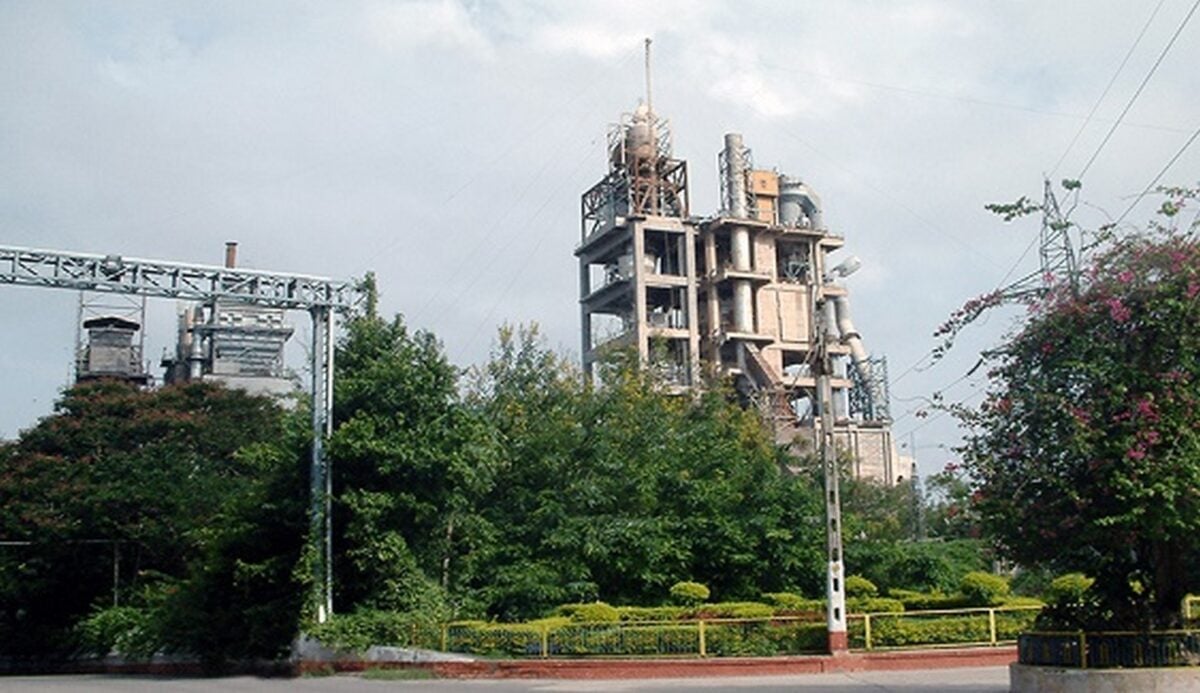
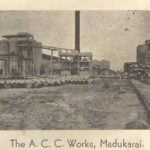
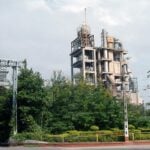
Madukkarai was primarily a farming settlement. The Western Ghats gave way to locals quarrying limestone for buildings and temples. In 1934, ACC Limited set up one of South India‘s earliest integrated cement plants in Madukkarai, drawn by the abundant limestone hills. For decades, the factory’s township, schools, and quarries defined local employment and turned the village into a bustling worker town. As Coimbatore expanded southward as a pump, foundry, and textile machinery powerhouse, manufacturing spilled over into Madukkarai. Today, Madukkarai serves as a strategic logistics gateway between Tamil Nadu and Kerala. While the ACC Madukkarai Cement Plant (now part of Adani Cement) still operates with modern dry-kiln technology, the area now also handles bulk fertilizers, food grains, and automobile cargo diverted from congested inner-city terminals.
However, the physical record of a place does not always capture the experiences of the people who witnessed its development. For older residents, the transformation of a town is often understood through everyday observations: the arrival of new houses, changes in familiar roads, the growth of commercial activity, or the gradual disappearance of places that once formed part of their routines. These memories may not exist in formal archives, but they offer another way of understanding the history of a settlement. Over time, industrial activity, including the presence of the cement industry, became another significant part of the town’s identity.
Unlike metropolitan cities where rapid urbanisation is often visible through expanding skylines and large-scale developments, the transformation of smaller towns can be more gradual and closely tied to specific infrastructural and economic activities. Railway connections, industrial establishments, roads, and residential growth collectively influence how settlements evolve. Looking at Madukkarai today, the expansion in demographics is seen from farming and industrial families to nuclear family sprawl from Coimbatore city. This change can be read as a reflection of different layers of development.
To Takeaway
Formal archives are a way to study cities better based on their physical and historical evolution, whereas archives of cities and spaces through people bring in a sense of understanding of what people experience when these changes or reforms take place in a city.
A city’s development from what it was to what it is cannot depend solely on archives of infrastructure and economic growth; it also depends on the memories, communities, and traditions it affects.
Maybe understanding a city is more than just going through recorded data; it is also about understanding it through personal archives of people who lived through it. As places continue to develop in the name of a better future, maybe the focus should not be solely on what infrastructure comes up, but on who it benefits and who it might overlook.
References:
- (2026), April. Available at: https://www.thehindu.com/news/cities/Coimbatore/madukkarai-goods-shed-upgraded-to-boost-freight-movement/article70888795.ece.
- K.R.V.I.A Urban Design 2021 (2021). Madukkarai neighborhood report | urban design studio semester 7 | KRVIA. [online] Issuu. Available at:https://issuu.com/krviaudsem7/docs/madukkarai_neighbourhood_report [Accessed 21 Nov. 2026].
- TNN (2019). Madukkarai railway station gets advanced signalling system. [online] The Times of India. Available at: https://timesofindia.indiatimes.com/city/coimbatore/madukkarai-railway-station-gets-advanced-signalling-system/articleshow/69315541.cms [Accessed 21 Nov. 2026].
- Project Elephant Division, Ministry of Environment, Forest and Climate Change, Government of India and Wildlife Institute of India (2024). Suggested measures to mitigate Asian elephant – train collisions on vulnerable railway stretches in the state of Tamil Nadu. [Technical report] Available at: https://moef.gov.in/uploads/pdf/Tamil_Nadu_Railway.pdf [Accessed 21 Nov. 2026].