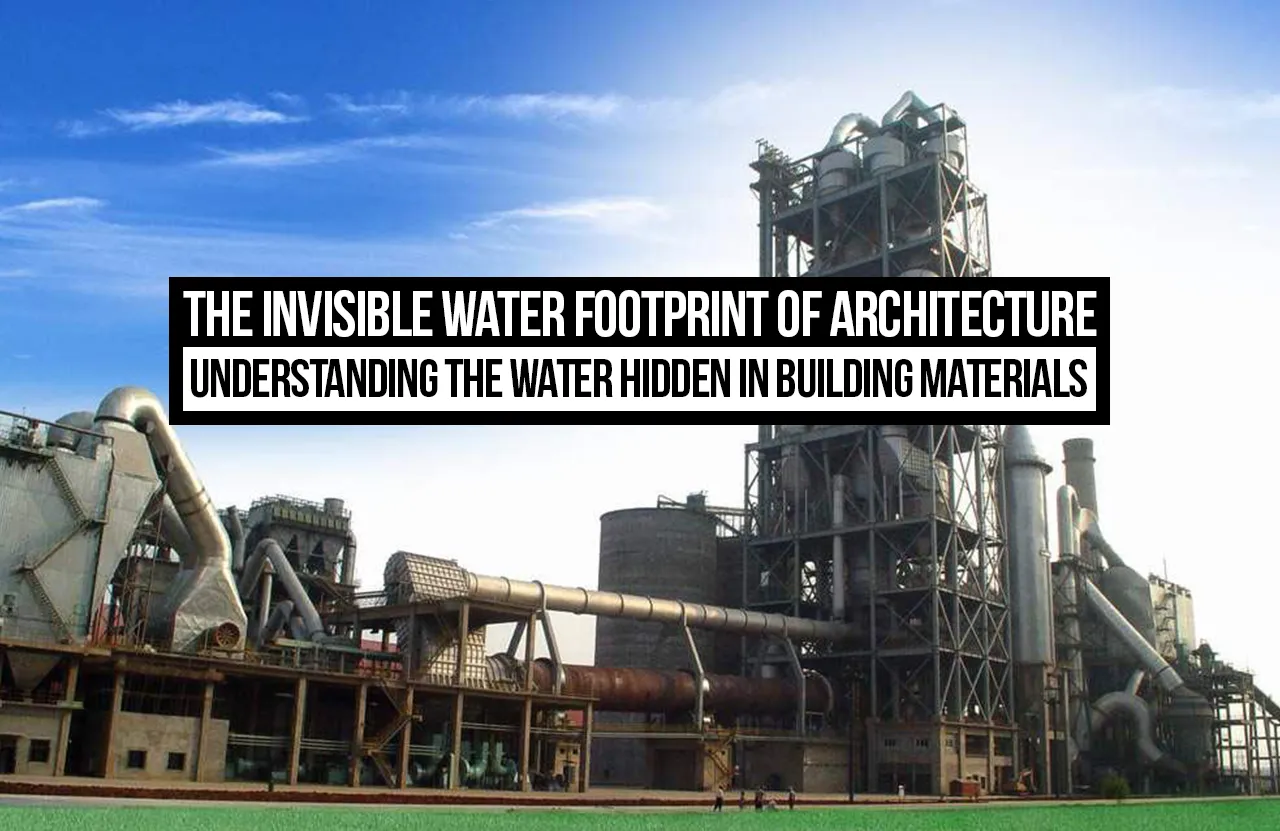
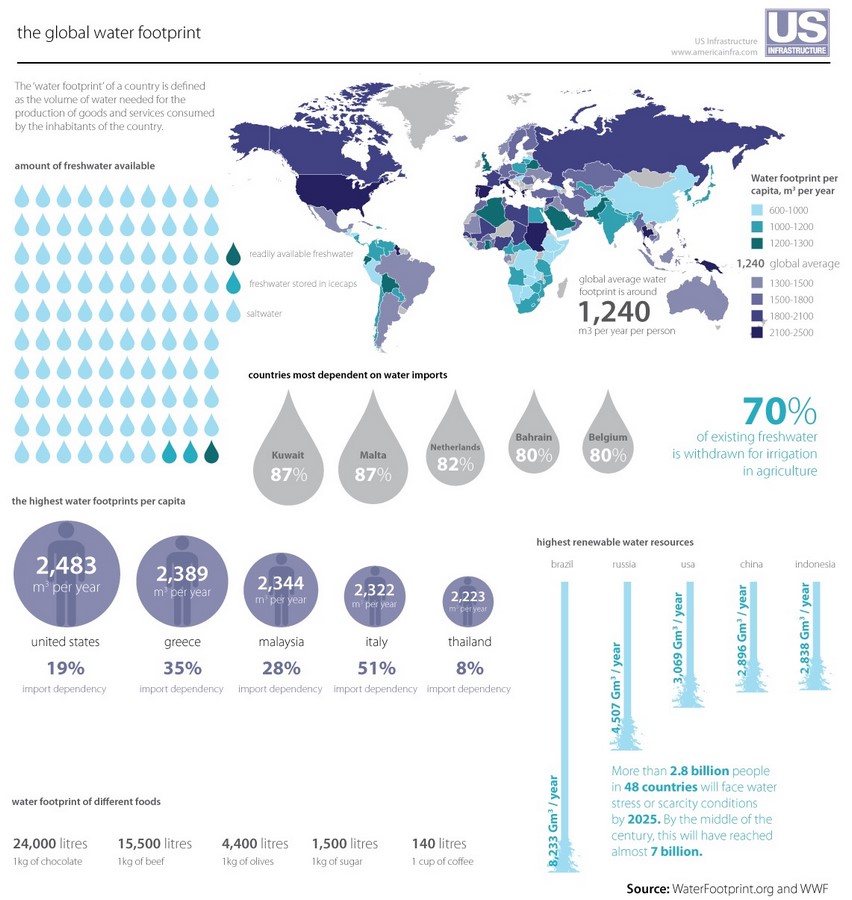
Water sustainability in architecture is often associated with rainwater harvesting, wastewater recycling and efficient plumbing fixtures. However, a building’s relationship with water begins long before its occupants turn on a tap. Every material used in construction carries a history of resource consumption, including the water required for extraction, processing, manufacturing and transportation. The Water Footprint of Architecture brings attention to this less-visible environmental impact, encouraging architects to look beyond operational water consumption and consider the resources embedded in the built environment.
Understanding the Water Footprint of Architecture
The water footprint of a building refers to the freshwater consumed and polluted throughout its life cycle. This includes water used during raw material extraction, manufacturing, construction, building operation, maintenance and eventual demolition. Unlike conventional water audits, which primarily examine consumption within an occupied building, the Water Footprint of Architecture considers the entire chain of activities associated with creating and maintaining a built structure.
Water footprint assessments commonly distinguish between three categories: blue, green and grey water. Blue water refers to freshwater withdrawn from surface water and groundwater sources. Green water represents rainwater stored in soil and used by vegetation or agricultural production. Grey water refers to the freshwater volume required to assimilate pollutants to an acceptable water-quality standard. These categories help identify the different ways in which building-related activities place pressure on water resources.
The Hidden Water Behind Building Materials
A building may appear to be made of concrete, steel, bricks and glass, but the production of these materials involves extensive industrial processes. Water is used for cooling, washing, processing, dust suppression and, in some cases, as an ingredient in manufacturing. Consequently, the environmental impact of a material cannot be understood only through its visible physical properties.
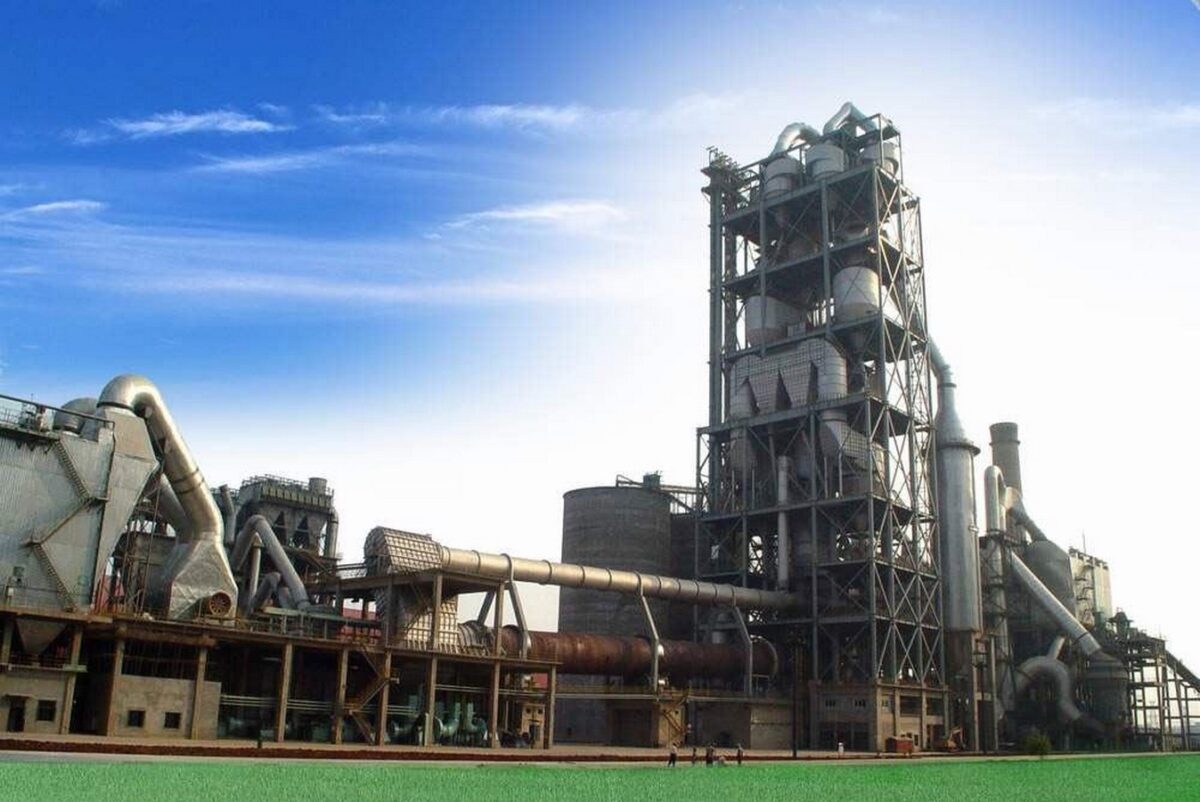
Cement and Concrete
Cement production involves quarrying, grinding, heating and processing raw materials. Water is required at different stages, including cooling and dust management. Concrete manufacturing additionally requires water for mixing, while curing helps maintain moisture and supports the development of strength.
Steel
Steel production involves water-intensive industrial operations, particularly cooling, cleaning and processing. Although water can be circulated and reused within manufacturing facilities, freshwater withdrawals and wastewater generation remain important considerations.
Bricks
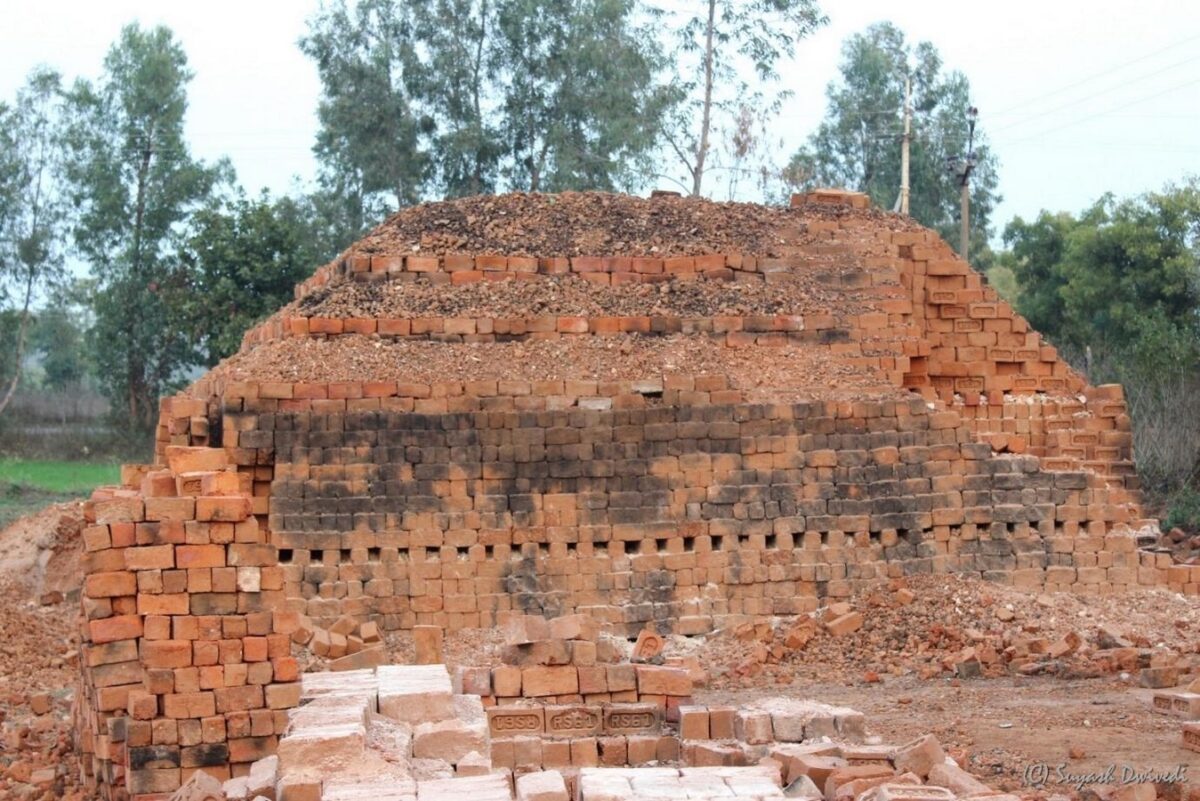
Traditional brick manufacturing requires water for clay preparation and moulding. Water consumption can vary depending on the soil composition, manufacturing method and production technology. The scale of brick production makes its cumulative water demand an important consideration for the construction industry.
Glass
Glass manufacturing involves high-temperature processes and water requirements associated with cooling and industrial operations. Its water footprint also depends on the energy sources and industrial processes involved in production.
Research published in Water Resources and Industry in 2018 assessed the blue and grey water footprints of steel, cement and glass. It found that grey water footprints were substantially higher than blue water footprints for the materials studied, demonstrating that water pollution is an important part of the material-related water impact.
Water Consumption Beyond Material Manufacturing
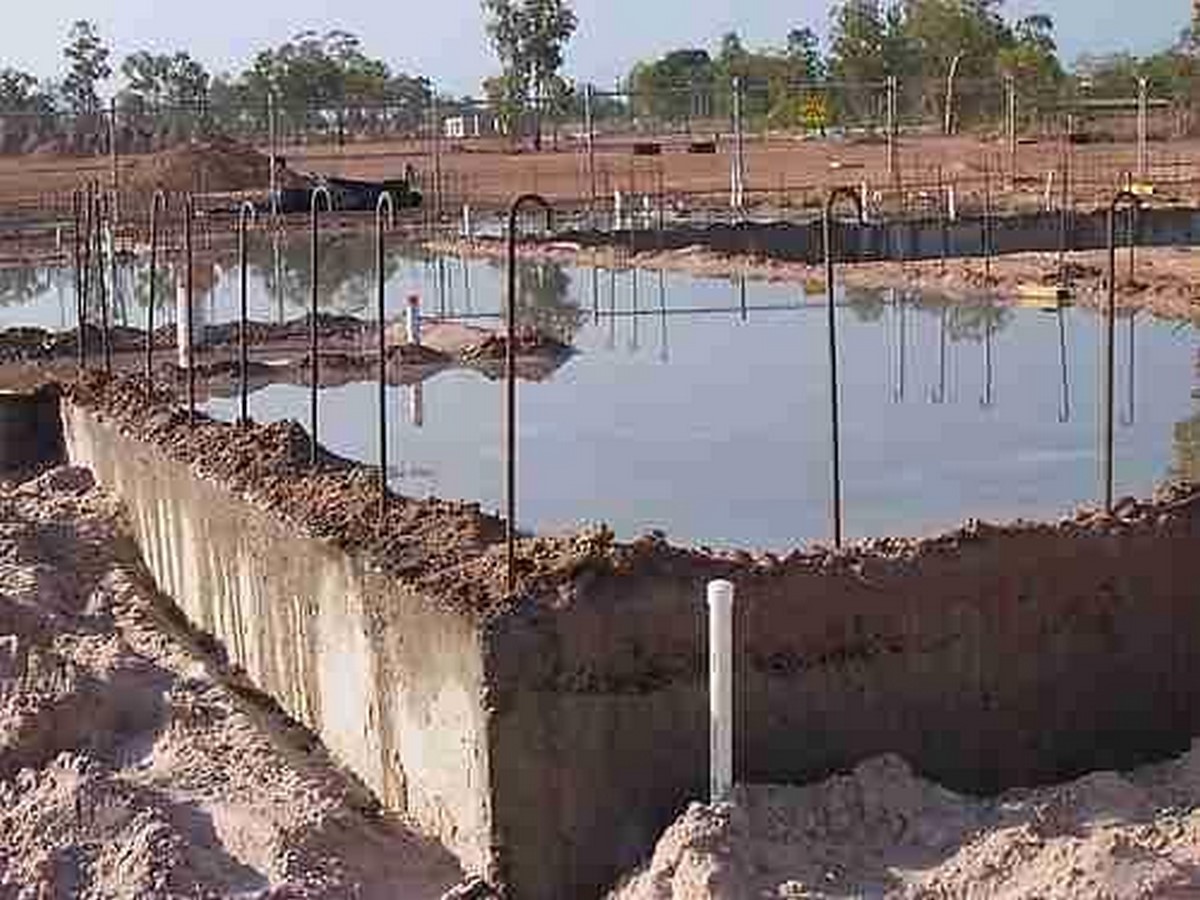
The Water Footprint of Architecture extends beyond the factory and into the construction site. Water is required for concrete mixing, curing, masonry, plastering, flooring, equipment cleaning and dust suppression. Additional consumption occurs through temporary site facilities and worker amenities.
Concrete curing is particularly important because maintaining adequate moisture supports cement hydration and helps concrete achieve its intended properties. However, uncontrolled water application can result in unnecessary wastage. Appropriate curing methods, including controlled sprinkling, wet coverings and suitable curing compounds, can help manage water demand while maintaining construction quality.
Construction activities also generate wastewater containing cement particles, sediments, chemicals and other pollutants. Without proper collection and treatment, this wastewater can affect nearby soil and water bodies. Therefore, construction-site water management must address both consumption and discharge.
Why the Water Footprint Often Goes Unnoticed
Architectural sustainability assessments frequently prioritise operational energy, carbon emissions and indoor water efficiency. Although these indicators are essential, they do not independently represent the complete environmental impact of a building. A building equipped with low-flow fixtures and rainwater harvesting may still depend on materials whose manufacturing processes require significant freshwater resources.
Another challenge is the complexity of material supply chains. Construction materials may be extracted, processed and manufactured in different geographical locations, each with its own water availability and environmental conditions. A material produced in a water-stressed region may have different implications from the same material manufactured where water resources are relatively abundant.
A 2021 study examining construction-sector water, energy and carbon footprints across India, Italy, South Africa and the United Kingdom highlighted the importance of indirect supply-chain impacts. It also demonstrated that water impacts cannot always be understood by examining energy and carbon indicators alone.
Designing Buildings with Lower Water Footprints
Reducing the Water Footprint of Architecture requires decisions at the earliest stages of design. Architects and consultants can influence material selection, structural systems, construction methods and resource management before a project reaches the site.
Prioritising Materials with Lower Water Impacts
Material selection should consider water consumption alongside embodied carbon, durability, availability and recyclability. Locally sourced materials may reduce transportation requirements, although local sourcing alone does not guarantee a lower water footprint. Their actual production processes and geographical water conditions must also be evaluated.
Optimising Structural Design
Efficient structural planning can reduce unnecessary material consumption. Appropriate structural grids, optimised spans, reduced overdesign and suitable construction systems can help limit demand for concrete, steel and other resource-intensive materials.
Reusing and Recycling Water on Construction Sites
Treated wastewater and suitable recycled water can be used for activities such as dust suppression, equipment cleaning and certain construction operations, subject to applicable quality and safety requirements. Rainwater storage can also supplement non-potable construction demands where feasible.
Improving Construction Practices
Accurate material estimation, controlled concrete curing, leakage prevention and organised site water monitoring can reduce avoidable consumption. Water meters and periodic audits can help construction teams identify excessive use and improve accountability.
From Water-Efficient Buildings to Water-Responsible Architecture
The Water Footprint of Architecture offers a broader understanding of what sustainable construction means. It shifts attention from the water consumed inside a completed building to the resources required to produce every material and construct every component.
This approach also encourages greater collaboration between architects, engineers, manufacturers, contractors and sustainability consultants. Environmental Product Declarations, life-cycle assessment and material-specific water footprint data can support more informed decisions. However, comparisons must use consistent system boundaries and account for local water scarcity, because the same volume of water can have different environmental consequences in different regions.
Ultimately, sustainable architecture cannot be evaluated only by how efficiently a building operates. It must also consider the environmental cost of bringing that building into existence. Recognising the Water Footprint of Architecture is an important step towards a construction industry that values water as carefully as it values energy, materials and land. The future of water-responsible design lies not only in saving water within buildings, but also in understanding and reducing the water hidden behind the materials that shape them.