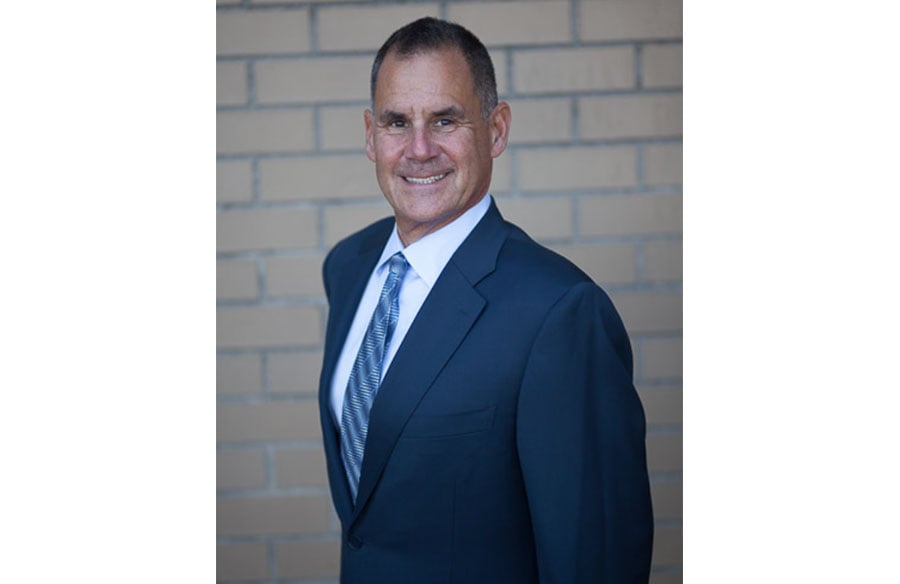
East Rockaway-based Marc Evan Rovner, General Counsel at the multi-state title company Beta Abstract, has watched fraud evolve from inside nearly 18,000 closings across four states. “It seems like the scammers are always a step ahead,” he said.
A survey was published this August, and the numbers back him up. Qualia surveyed more than 800 title and escrow professionals and found nearly 80% had faced a fraud attempt in the past year, enough to rank wire fraud the industry’s top perceived threat for the second year running.
Fraud Shifts From Opportunistic to Organized
Qualia’s report, Wire Fraud Trends in Title & Escrow, 2026: An Ever-Evolving Threat, found firms are getting sharper at stopping attacks before they succeed. Eighty-nine percent of respondents stopped every fraud attempt they faced last year, up from 80% in 2024, as adoption of dedicated wire-fraud mitigation tools grew 36% year over year. Recovery after a breach is moving the opposite direction: only about 14% of victimized firms recovered every dollar they lost in 2025, down from 18.5% the year before.
Prevention is improving. Getting money back once it’s gone is getting harder.
Marc Rovner has watched the same split play out at his own closing tables. The criminals targeting the exact moment a wire transfer happens have gotten more organized, and once funds are moved into a fraudulent account, the odds of recovering them drop fast.
Identity Theft and Check Washing Compound the Threat
Marc Rovner points to more than wire transfers alone. Identity theft shows up constantly in his closings, and so does check washing, criminals who intercept a mailed check and alter the payee or the amount before cashing it. “Wire fraud is more popular than ever,” he said. “You need really good antivirus, anti-spam, and firewall software, especially in our business, plus safekeeping and keeping good records.”
None of that is complicated. It’s also the layer that catches what a title search alone can’t: a criminal who has already compromised an email thread and is waiting for the right moment to send spoofed instructions.
Deed Theft Exploits a Different Weakness
Wire fraud intercepts money mid-transaction. Deed theft works differently: a forged signature or a fraudulent transfer can be recorded in the public record itself, sometimes on a property with no mortgage left to alert a lender, which is why title insurance exists in the first place. A title search is built to catch exactly that, an ownership claim that doesn’t hold up once someone traces it back far enough, before a buyer or a lender ever puts money behind a defective title.
Attorney Representation Closes a Gap
Marc Rovner’s strongest recommendation has nothing to do with software. Not every state requires a buyer to hire an attorney at closing, and he thinks that gap leaves first-time buyers exposed at precisely the transaction where fraud is most likely to strike.
“Any buyer that’s not in an attorney-driven state,” Rovner said, “get an attorney anyway. It’s such a nominal fee compared to the purchase of your home, and there’s just so much that goes on that you don’t know.”
An attorney reviews wire instructions line by line, flags a last-minute change a title company’s search isn’t built to catch, and asks the questions a buyer making the largest purchase of their life might not think to ask.
Federal Numbers Confirm the Pattern
A total of 12,368 real estate fraud complaints were logged with the FBI’s Internet Crime Complaint Center in 2025, totaling $275.1 million in reported losses, up 59% from roughly $173.6 million the year before. The same report puts business email compromise, the tactic criminals use most often to intercept and redirect a closing wire, at $3.05 billion in losses across every industry the FBI tracks, not real estate alone. Those figures sit alongside Qualia’s survey rather than inside it: one measures what title and escrow firms report about their own experience, the other measures complaints filed with federal law enforcement, and both point the same direction. Older homeowners carry more of that exposure than the complaint count alone suggests, too. People 60 and older filed one in five real estate fraud complaints in 2025, yet accounted for 45% of the dollars lost, per the same FBI data.
Buyers Can Prepare Before They Wire Anything
Rovner’s advice hasn’t changed because the newer numbers back it up rather than contradict it: hire an attorney even where the state doesn’t require one, and keep every closing document and fee statement in writing. Treat a last-minute change to wire instructions, however small, as a reason to stop and call the title company using a number pulled from an old statement, not the email that just arrived