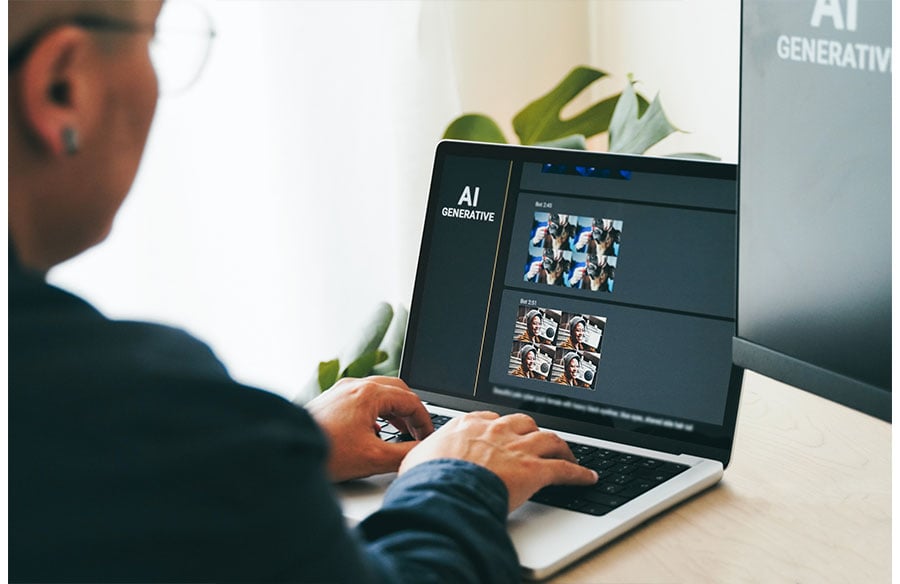
Artificial intelligence is becoming one of the most influential technologies in the digital media industry. From automated video production to intelligent image generation and realistic voice synthesis, AI is changing how individuals and businesses create, manage, and distribute digital content.
As online audiences consume more visual and audio content, creators need faster and more flexible ways to produce engaging material. AI-powered platforms are helping meet this demand by simplifying complex creative processes and making advanced production capabilities accessible to a wider audience.
The Evolution of AI in Creative Industries
Traditional content production often requires multiple tools, technical expertise, and considerable time. Designers create graphics, video editors assemble footage, and audio professionals record and refine voiceovers.
Artificial intelligence is bringing these processes closer together. Modern creative tools can generate images from text descriptions, transform static visuals into videos, and convert written scripts into spoken audio.
This development is particularly valuable for digital marketers, entrepreneurs, social media managers, and independent creators who need to produce content consistently without maintaining large production teams.
Advanced AI Image Generation Is Opening New Creative Possibilities
Visual storytelling is an essential part of digital communication. Whether a company is launching a product or a creator is developing content for social media, compelling images can make a significant difference.
AI image-generation technology allows users to turn written instructions into detailed visual compositions. Instead of manually designing every element, creators can describe their ideas and let AI generate different visual interpretations.
Emerging models such as Seedream 5.5 reflect the continued development of AI-powered visual creation. Advanced image-generation technologies are helping creators explore more sophisticated visual concepts, experiment with artistic styles, and develop creative assets for different applications.
Some common applications include:
- Creating advertising concepts and promotional graphics.
- Designing product images for online stores.
- Generating illustrations for blogs and websites.
- Developing characters and creative environments.
- Producing social media graphics and digital artwork.
These capabilities make visual production more flexible while reducing the time required to experiment with different creative directions.
AI Text to Speech Is Making Audio Content More Accessible
Audio has become an important component of digital experiences. Businesses use narration in advertisements, educators create audio learning materials, and content creators rely on voiceovers to make videos more informative.
However, traditional voice recording can involve scheduling, recording equipment, editing software, and additional production expenses.
An AI text to speech tool simplifies this process by converting written content into spoken audio. Users can enter a script or other text and generate voiceovers without recording their own voices.
This technology offers several advantages:
Automated Narration: Written articles, educational materials, and scripts can be transformed into audio content.
Content Localization: Multiple language options can help businesses reach audiences in different regions.
Faster Production: Creators can generate narration without arranging traditional recording sessions.
Consistent Audio Delivery: Businesses can maintain a consistent narration style across different content formats.
Flexible Applications: Generated speech can support tutorials, presentations, promotional videos, podcasts, and other digital experiences.
As voice-generation technology improves, AI-generated narration is becoming a practical option for creators who need efficient audio production.
AI Video Creation Is Transforming Digital Storytelling
Video continues to dominate many digital platforms because it combines visuals, movement, and sound to communicate information effectively.
AI video-generation tools are making video production more accessible by allowing users to create scenes from text prompts or reference images. This can help creators develop promotional content, educational videos, product demonstrations, and short-form social media videos.
Rather than starting every project with traditional filming, creators can experiment with AI-generated scenes and visual concepts.
Businesses can use these capabilities to test advertising ideas, while independent creators can explore storytelling techniques that would otherwise require more resources.
Integrating Multiple AI Technologies Into One Workflow
The real potential of AI becomes more apparent when different creative technologies are combined.
For example, a marketing team developing a product campaign can use AI image-generation technology to create visual concepts, AI video tools to develop promotional scenes, and AI text to speech to produce narration.
A typical workflow might include:
- Research and planning: Identify the target audience and develop a content concept.
- Script development: Write the message or story that the content needs to communicate.
- Visual generation: Create supporting images using advanced AI models.
- Video production: Transform creative concepts into engaging video sequences.
- Audio production: Generate voiceovers from the written script.
- Final editing: Combine visuals, narration, and other elements into a finished project.
Platforms like OpenArt are contributing to this changing landscape by making AI-powered creative capabilities more accessible through an integrated environment for generating visual content.
Benefits of AI for Modern Businesses
AI creative tools are not limited to professional designers or large production agencies. Organizations of different sizes can use them to improve their content workflows.
Increased Efficiency: Automated creative processes help reduce the time spent on repetitive production activities.
Cost Optimization: Businesses can explore different content formats without depending entirely on traditional production resources.
Creative Experimentation: AI makes it easier to test different visual concepts, styles, and campaign ideas.
Improved Scalability: Marketing teams can develop more content variations for different platforms and audiences.
Greater Accessibility: People without extensive design, video-editing, or audio-production experience can participate in creative projects.
Challenges and Considerations When Using AI
Despite its advantages, AI-generated content also comes with certain challenges. The quality of generated results can vary depending on the model, instructions, and input material.
Creators should carefully review AI-generated images, videos, and audio before publishing them. Copyright considerations, originality, factual accuracy, and appropriate disclosure should also be part of responsible content production.
Human oversight remains important because successful digital content requires more than technical generation. Storytelling, creative judgment, brand consistency, and audience understanding continue to play essential roles.
What the Future Holds for AI Content Creation
The future of digital creativity will likely involve increasingly connected AI technologies. Image-generation models such as Seedream 5.5 and improvements in AI text to speech demonstrate how quickly different areas of content production are evolving.
Future platforms may provide more precise creative controls, improved visual consistency, more natural voice generation, and smoother transitions between image, video, and audio production.
For businesses and individual creators, these developments represent an opportunity to rethink traditional content workflows and explore new forms of digital storytelling.
Conclusion
Artificial intelligence is transforming the way digital content is planned, produced, and delivered. Advanced image-generation models, AI video tools, and voice-generation technologies are helping creators work more efficiently while exploring new creative possibilities.
Whether using Seedream 5.5 to explore visual concepts or AI text to speech to produce professional narration, creators now have access to technologies that simplify different stages of content development.
As these innovations continue to mature, combining AI-powered creative tools with human imagination and strategic direction will become increasingly important for producing meaningful digital experiences.