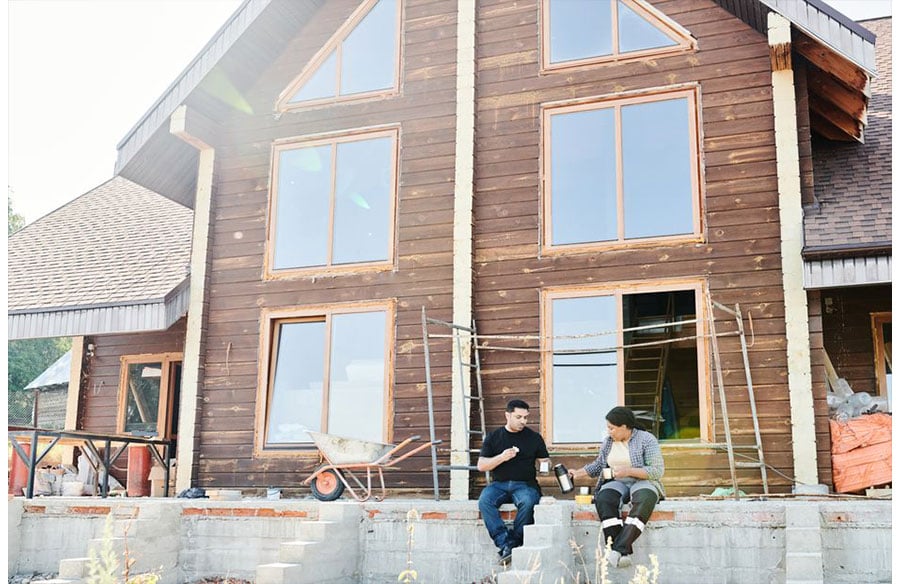
If you’re thinking about updating a home’s exterior, the visible materials are only part of the story. Siding, trim, moisture protection, and climate response all work together, especially in places with long wet seasons like the Pacific Northwest. In Vancouver, Washington, exterior work has to deal with rain exposure, seasonal temperature shifts, and neighborhood expectations at the same time. That makes planning less about picking colors and more about making durable choices you won’t regret two winters later.
Local Climate Should Shape Every Exterior Decision
A generic renovation plan rarely holds up well when local weather patterns are ignored. Vancouver, Washington gets sustained rain for much of the year, along with damp shoulder seasons that keep surfaces wet longer than homeowners expect. That changes how siding ages, how trim joints perform, and how quickly small installation mistakes become visible.
Working with a Vancouver siding contractor can help you evaluate choices through the lens of that local exposure, especially if you’re weighing moisture resistance, fastening methods, and trim detailing for Pacific Northwest conditions. That kind of context matters when one elevation gets hammered by weather while another stays shaded and slow to dry. A product that performs well in a dry inland market may not behave the same way on a rain-facing wall in Clark County.
Start With the Wall Assembly, Not the Color Palette
A lot of exterior projects go sideways because people begin with aesthetics and leave performance questions for later. You’ll get better results if you start with the wall assembly: sheathing, house wrap or weather-resistive barrier, flashing details, insulation strategy, and ventilation. Those components decide how well the building envelope handles water intrusion and thermal movement.
If your siding looks tired, that doesn’t automatically mean the cladding is the only issue. Staining near butt joints, swelling trim, and soft spots around windows can point to drainage failures behind the surface. Before you price profiles and paint, inspect the substrate and transitions where moisture usually gets in. A clean façade means very little if the WRB is compromised.
Moisture Management Is the Detail Most Homeowners Underestimate
Rain doesn’t need a dramatic opening to cause damage. It only needs repeated access and time. That’s what makes moisture management the most important part of exterior renovation planning. In wet climates, the difference between a solid installation and an expensive callback often comes down to kickout flashing, window integration, gap spacing, and whether water has a clear drainage path.
You should pay close attention to roof-to-wall intersections, door pans, and caulk joints that are doing too much work. Sealant is helpful, but it should never be the entire water-control strategy. Good assemblies use layered protection and shingled overlaps so gravity can do its job. If a contractor can’t explain how bulk water is redirected at critical junctions, you’re looking at a cosmetic approach rather than a durable one.
Material Choice Changes Maintenance More Than Most People Expect
Two homes can look nearly identical from the street and behave completely differently over ten years. That usually comes down to material selection. Fiber cement, engineered wood, vinyl, and natural wood all carry different maintenance cycles, installation tolerances, and performance tradeoffs. You’re not only buying appearance; you’re choosing a long-term service model.
Fiber cement tends to appeal to homeowners who want dimensional stability and a more robust feel, but it demands precise cutting, fastening, and clearance details. Engineered wood can offer strong visual warmth with lighter handling, though manufacturer specifications matter a lot. Vinyl remains budget-friendly and low-maintenance for many projects, but it can telegraph installation errors quickly. If you’re comparing bids, ask how each system affects repaint intervals, impact resistance, repairability, and warranty conditions rather than just asking which one costs less today.
Window and Trim Transitions Deserve More Attention Than They Usually Get
People notice siding first, but many exterior failures begin at transitions. Windows, corners, belly bands, soffits, and fascia boards create interruption points in the cladding system, and each one needs a clear integration plan. If those details are sloppy, the nicest siding on the block won’t save the assembly.
You should look for proper head flashing, end dams where needed, and consistent clearances above roofing and hardscape. Trim width and reveal also affect appearance more than people realize. Narrow, uneven trim can make a high-end material look value-engineered, while balanced proportions create a cleaner architectural read. During planning, ask where movement is expected and how the system handles it. Expansion, contraction, and water shedding are technical issues, but they show up as visual problems when ignored.
Bids Are Only Useful When the Scope Is Specific
A low bid often wins attention fast, but exterior renovation pricing means almost nothing without a defined scope of work. If one estimate includes tear-off, rot replacement, upgraded flashing, premium fasteners, site protection, and paint touch-up while another only covers basic installation, you aren’t comparing numbers. You’re comparing assumptions.
Ask for line-item clarity around demolition, disposal, substrate repairs, weather barrier replacement, trim replacement, caulking, and finish work. Find out who handles unforeseen damage once walls are opened. That part matters because hidden deterioration is common in older exteriors. You should also ask about crew supervision and whether the installer follows manufacturer installation standards closely enough to protect warranty eligibility. A sharp scope protects your budget and keeps surprise change orders from driving the final cost far above the original proposal.
Curb Appeal Has Real Value, but Performance Still Leads
It’s easy to frame exterior renovations as resale projects, but that misses the full picture. Better cladding can improve thermal consistency, reduce maintenance headaches, lower the odds of moisture damage, and make the home feel more solid overall. Curb appeal matters, especially if you plan to sell, though buyers are getting better at spotting work that looks fresh but feels superficial.
If you’re updating the exterior, think beyond the listing photo. Ask whether the design fits the home’s architecture, whether the reveals and trim profiles feel intentional, and whether the improvements solve real performance issues. A house with clean lines, durable materials, and properly executed details sends a stronger message than one loaded with trend-driven finishes. Good renovation planning respects style, but it earns trust through execution.
The Best Exterior Projects Balance Design, Durability, and Timing
The smartest exterior upgrades usually come from balanced decision-making rather than one dramatic choice. You want a design that fits the house, materials that make sense for your maintenance tolerance, and installation details that can handle local weather without constant intervention. Timing matters too. Waiting until visible damage becomes severe often turns a manageable siding project into a wider envelope repair.
If you’re planning work this year, document current problem areas, gather photos after heavy rain, and ask detailed questions before signing a contract. Exterior renovation is one of those projects where preparation pays off in very visible ways. When the wall assembly, detailing, and materials all line up, the result doesn’t just look better from the street. It performs better season after season, which is the standard that actually counts.