Do buildings need to give you a reason to go to them, or should they be part of your everyday life?
Why do people go to places in the first instance? They generally have a reason for being there. They go to an office to work, to a shop to buy things, to a hospital to get treated. Those are places with a very clear purpose, which is what brings the people through the door.
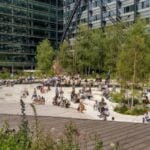
Public parks work a little differently. They’re not simply there to cater to people who have a reason to be there; they’re there to provide people with reasons to be there. A shaded path is an invitation to walk, a bench is an invitation to sit, an open lawn is an invitation to gather, to play, to just be outside. Their success is in the way they invite you to use them as much as in what they provide.
This raises a very pertinent question: is it acceptable for an office block or a commercial complex to be active only on certain hours, certain days or certain seasons and simply left to sit for the rest of the year?
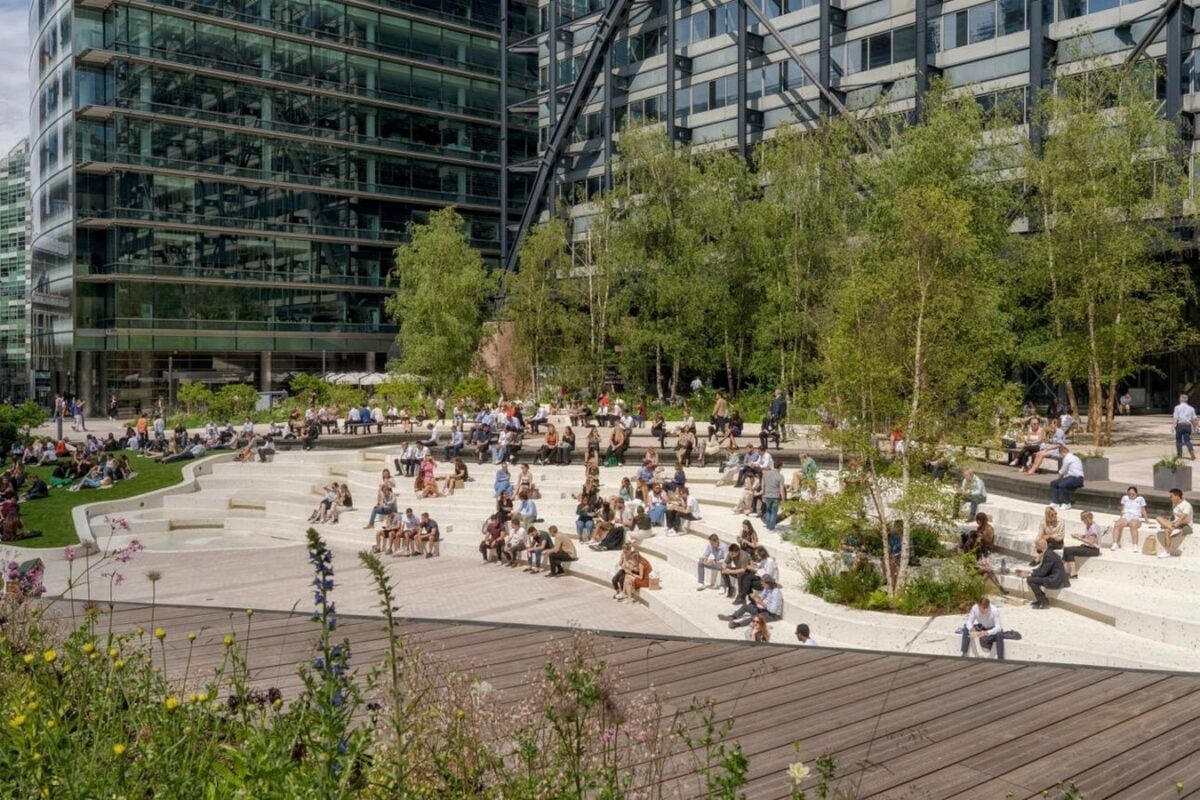
Of course not every building can be open 24 hours a day, and not every space in a building needs to be in use at all times. Security, maintenance, operating costs and the needs of the primary users are all valid considerations. But what if an entire building or a large development is effectively sitting idle for long periods of time? Could those spaces be doing something other than what they were originally designed for?
What if an office block became a public exhibition space after hours? What if a stadium had community events on days when there were no games? What if a seasonal resort provided walks, educational stuff and cultural events outside of its season?
Perhaps the real question isn’t whether every building should be in use all the time, but whether it has to be serving one single function. Can architecture give people a reason to go into a building? Can it give them a reason to come back when the building is no longer serving that primary function?
Perhaps buildings can learn a lesson from seasonal businesses. A ski resort doesn’t have to go completely out of business when the snow melts. It can offer hiking, mountain biking and all sorts of other things to bring people back. A stadium doesn’t have to sit around waiting for the next game to come along, and a concert venue can be used for all sorts of other events throughout the year.
The same applies to offices and commercial buildings, really. Rather than just accepting that evenings, weekends and the off-season are periods of inactivity, you could look at how the existing building might be adapted to suit other uses that are compatible with it.
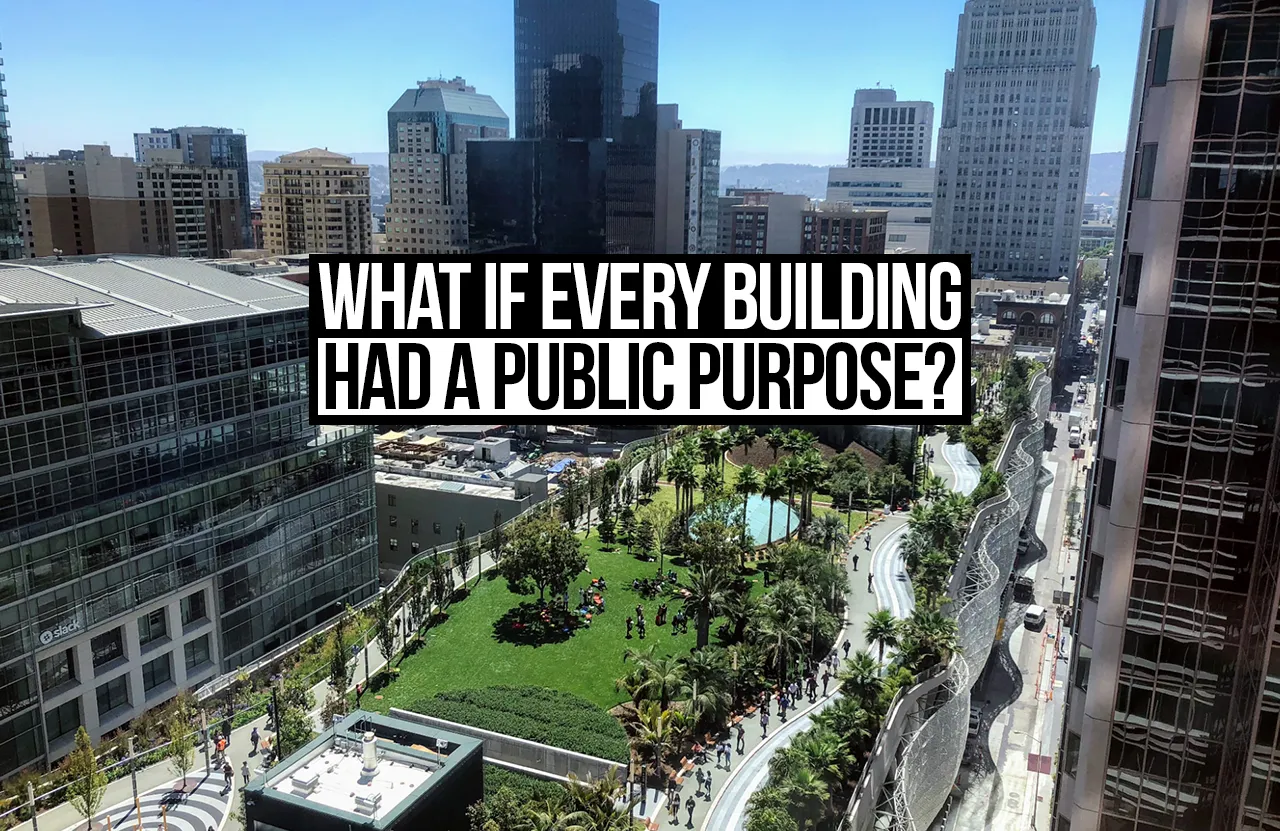
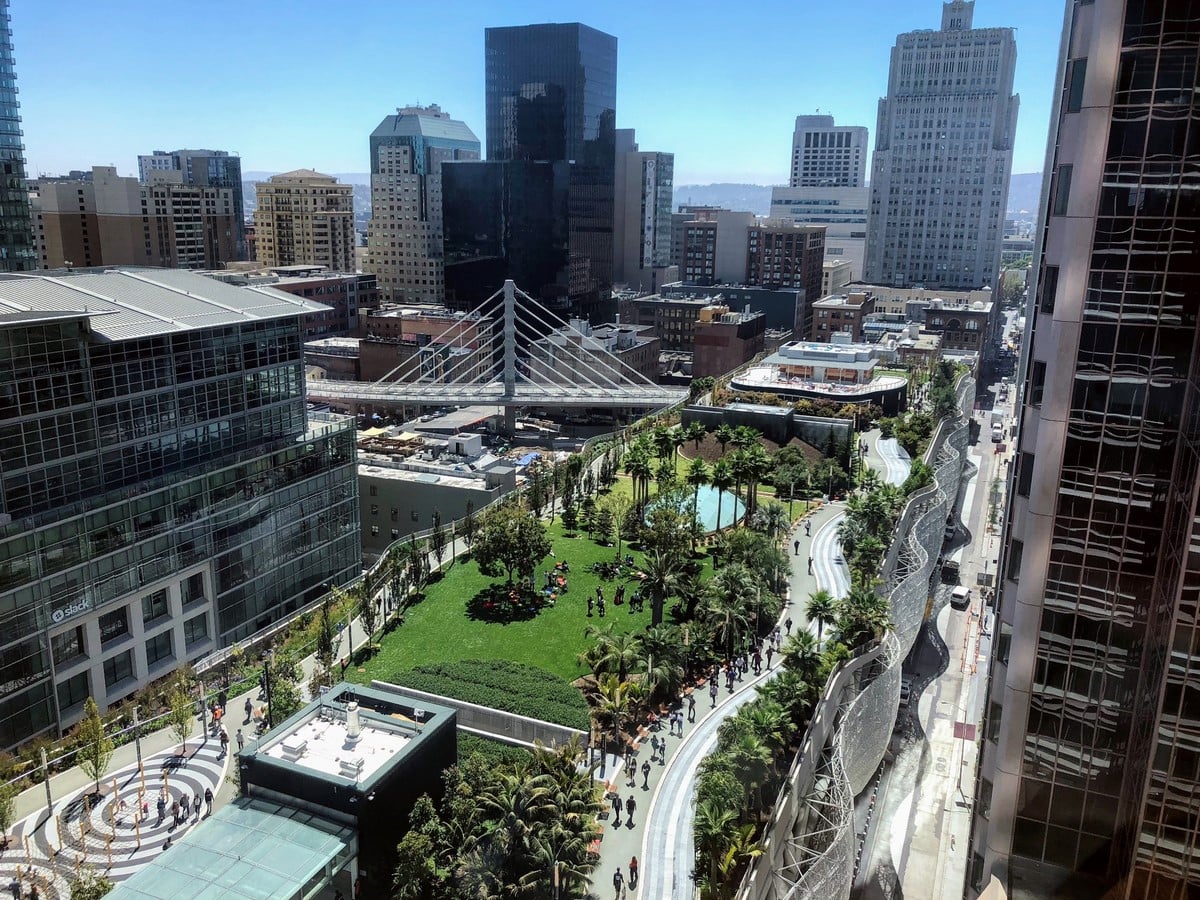
San Francisco‘s Salesforce Transit Centre is a good example of a building which does more than just its basic function. So what was the genesis of that idea?
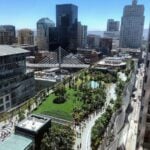
The project was to replace the old Transbay Terminal with a new regional transport hub and in the process, provide a modern transport facility for the Transbay district. Instead of just leaving the roof of a four-block-long transport facility as an inaccessible, unused surface, the design team wanted to create a public park on it. The outcome is Salesforce Park, a 5.4-acre elevated park which provides a green space, recreation and a place for people to come together in a very dense urban context. It also has a number of environmental benefits in terms of cooling the area and providing habitat for plants and wildlife.
The transit centre today is the home of the regional transport services and has a rooftop park which contains gardens, walks, open lawns, children’s play areas and an amphitheatre. You can come in to catch a bus, you can come in to meet up with friends, you can come in to just take a break from the city, you can come in to enjoy some green space. It’s all accessible by lift and escalator as well as a private gondola, which provides a further access route.
What’s so interesting about this project is that the public purpose of it was as much a part of the thinking from the very beginning as its transport function. It wasn’t just a park on the roof after the building was built. It was part of the concept of how the building could serve the city. It demonstrates that the roof of a building doesn’t have to be the end of the story. With some thought, you can turn the space above essential infrastructure into a destination.
But creating further attractions is only one way of keeping a space relevant. Another option is to design it as a transit space linking various destinations. Such a space doesn’t necessarily have to have its own activity to be of value; its worth may simply be in making the journey between places easier, more comfortable and more accessible.
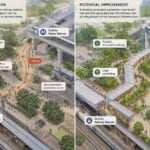
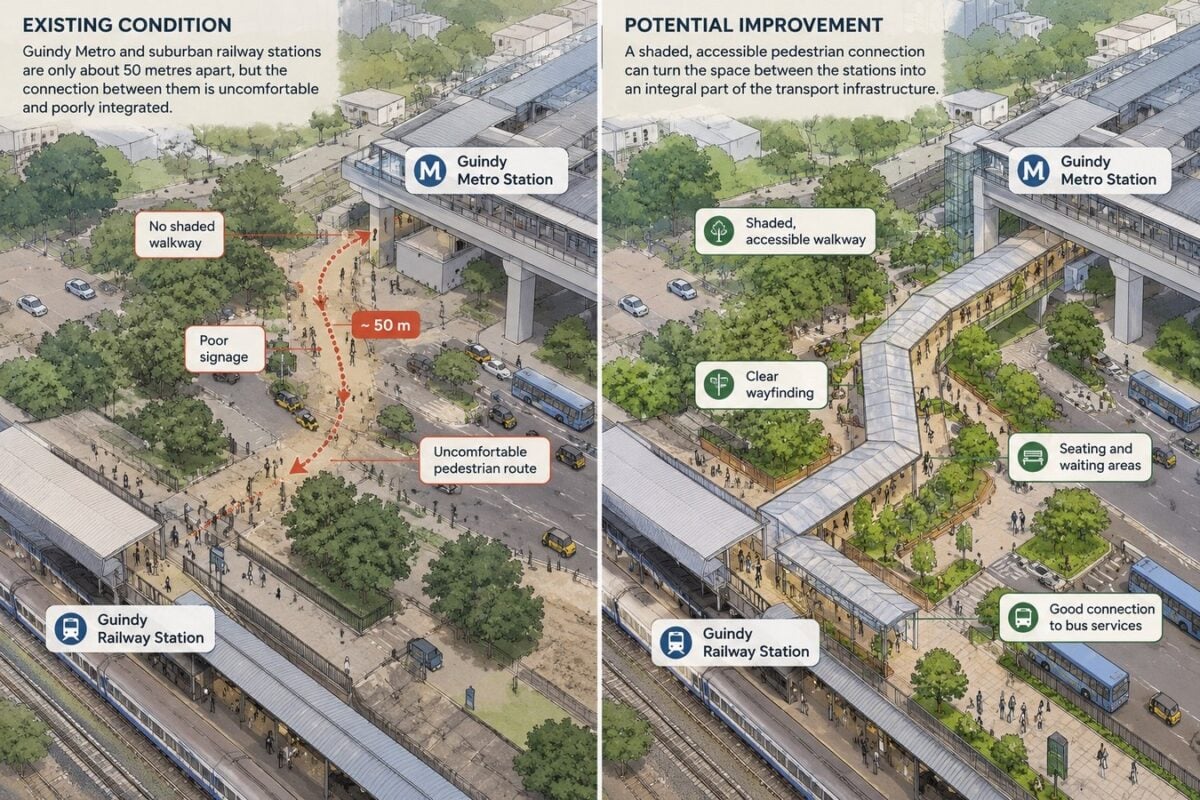
Chennai’s Guindy Metro and suburban rail stations are a case in point. They are literally just 50m apart. The problem is that there is no connecting shaded walkway, and the signage to connect the two is very poor. Proximity in terms of location doesn’t necessarily equate to a good passenger experience. A 2024 analysis by Citizen Consumer and Civic Action Group (CAG) made this very clear.
What if the space between the stations was treated as an integral part of the transport infrastructure rather than just the space between two points? A shaded, accessible pedestrian route, good wayfinding, comfortable waiting areas and good connections to the surrounding bus services could turn the interchange into a much better part of the urban environment. The space would be of value not in that it was a place people could just sit and hang out in, but in that it would make it far easier and more comfortable for people to move between places.
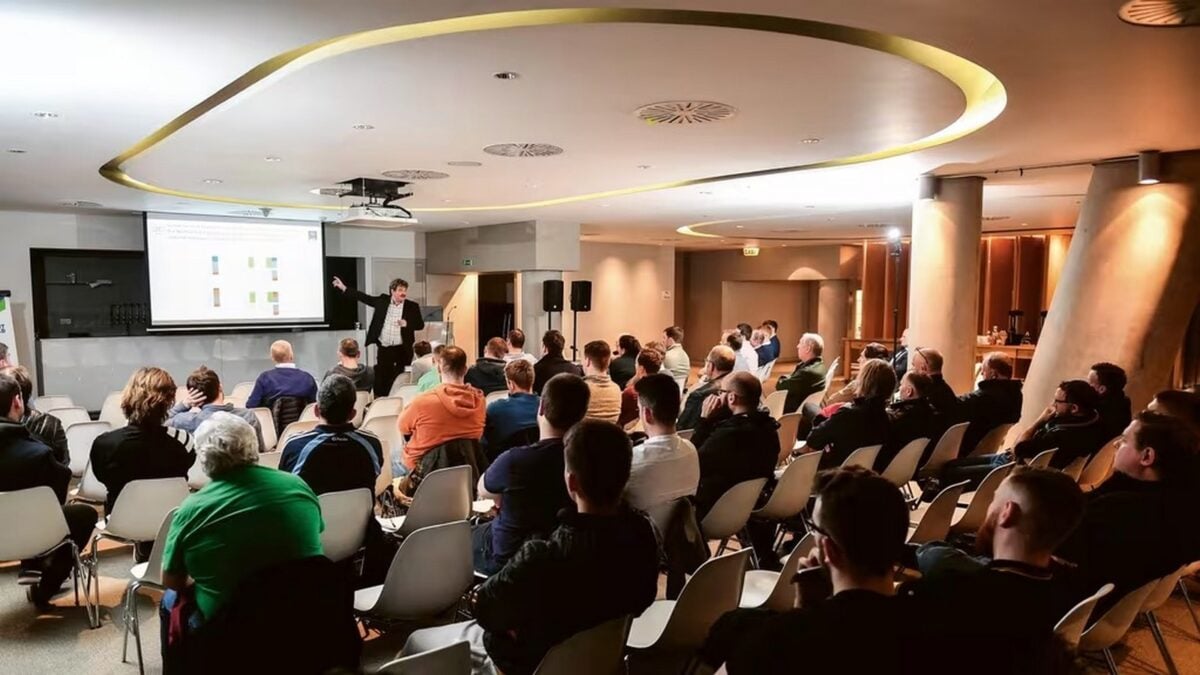
These examples point to two ways in which we might re-think the value of the built environment: it can give people an extra reason to go to a place, or it can make the places they need to go to more accessible. One encourages people to stay; the other enables them to move. Both of these can be a contribution to public life.
This doesn’t mean that every building has to be open and active all the time. Security, maintenance, operating costs and the needs of the primary users are all still very much factors to be taken into account. It also doesn’t mean that every transitional space has to become a destination in itself. The issue is to be able to anticipate the changing patterns of use and to see the opportunities that exist for buildings and infrastructure to be used for multiple purposes.
Ultimately, the question isn’t whether every building can be kept busy all year round. It’s whether we’re prepared to envisage uses other than the original one and whether those other uses (or the connections they create) can in fact be of some benefit to the public.
Source/Credits:
- (2018). Salesforce Transit Center Park. Landscape Performance Series. https://www.landscapeperformance.org/case-study-briefs/salesforce-transit-center-park
- (2026). Guindy Metro Station: Route, Map, Timings & Fare. Guindy Metro Station. https://bharatmetrolocator.com/stations/chennai/guindy