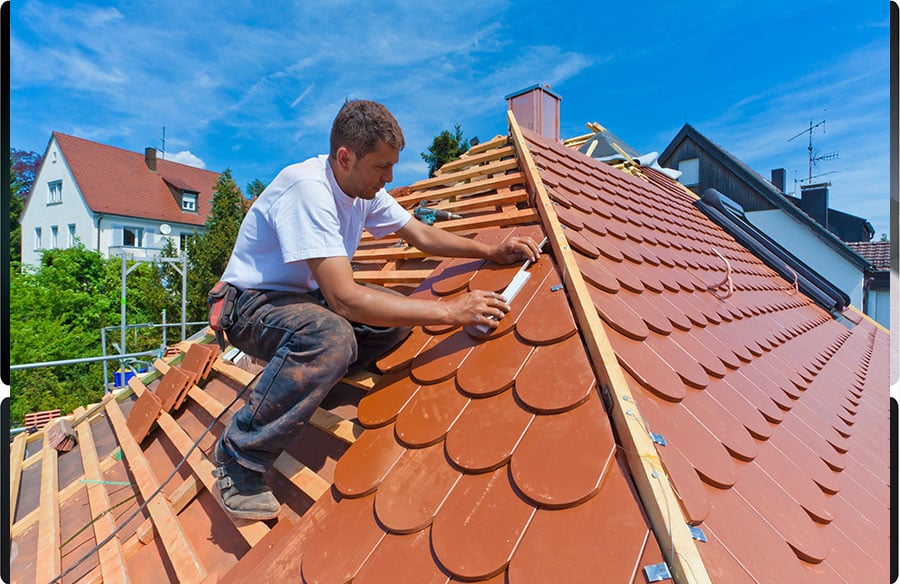
A roof protects your home or commercial property from rain, wind, snow, sunlight, and other environmental conditions. When roofing materials become damaged or reach the end of their useful life, choosing the right professional can make a significant difference in the quality and longevity of the results. Whether you need a minor repair, routine maintenance, or a complete replacement, an experienced roofing contractor can help you protect your property and make informed decisions about your investment.
However, not every roofing company offers the same level of experience, workmanship, or customer service. Understanding what to look for can help you choose a contractor who meets your needs and delivers reliable results.
What Does a Roofing Contractor Do?
A roofing contractor specializes in installing, repairing, inspecting, and maintaining roofing systems. Depending on the company, services may include residential roofing, commercial roofing, emergency repairs, storm damage assessments, and complete roof replacements.
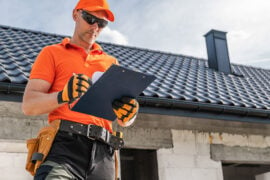
Professional roofing services often begin with an inspection to identify damaged materials, leaks, deteriorating flashing, and other potential problems. Based on the findings, the contractor recommends suitable repairs or replacement options.
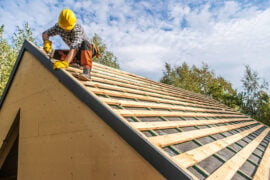
Roofing contractors also help property owners select appropriate materials, understand project costs, and establish realistic installation schedules. Their responsibilities may include removing old roofing materials, repairing the roof deck, installing underlayment, securing new roofing products, and checking the finished system.
Working with an experienced professional helps ensure that these tasks are completed according to applicable building requirements and manufacturer specifications.
Signs You Need a Roofing Contractor
Roofing problems can develop gradually, making them easy to overlook until noticeable damage appears. Recognizing early warning signs can help prevent minor issues from becoming expensive repairs.
Water Leaks and Ceiling Stains
Water stains on ceilings and walls may indicate a roof leak. Moisture can enter through damaged shingles, deteriorated flashing, loose fasteners, or poorly sealed roof penetrations.
Even if the stain appears small, the actual source of the leak may be located elsewhere. A professional roof inspection can help identify the cause and determine whether repairs are needed.
Missing or Damaged Shingles
Strong winds, falling branches, and aging materials can damage shingles or loosen roofing components. Missing shingles expose underlying materials to moisture and weather conditions.
If damage affects only a limited area, repairs may be sufficient. However, widespread deterioration could indicate that a larger roofing project is necessary.
Sagging Roof Sections
A visibly sagging roof may indicate structural problems, prolonged moisture exposure, or damaged supporting materials. This issue requires prompt professional assessment because it can present a safety concern.
Avoid walking on a roof that appears unstable. Contact a qualified contractor to evaluate the structure and recommend appropriate action.
Rising Energy Bills
An aging or poorly installed roof may contribute to unwanted heat transfer and indoor comfort problems. Inadequate attic ventilation, damaged insulation, and air leakage can also affect energy efficiency.
A roofing professional can assess the roofing assembly and identify improvements that may help the building maintain more consistent indoor temperatures.
Choosing the Right Roofing Materials
Roofing materials influence a property’s appearance, durability, maintenance requirements, and overall project cost. A knowledgeable contractor should explain the advantages and limitations of suitable options.
Asphalt Shingles
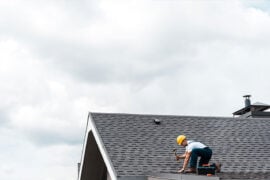
Asphalt shingles are widely used for residential properties because they are available in many colors and styles. They generally offer an accessible initial cost and can provide reliable protection when properly installed and maintained.
Homeowners comparing residential roofing contractors should ask which shingle products are recommended for their roof design and local climate.
Metal Roofing
Metal roofing offers durability and can provide a long service life when correctly installed. Depending on the product, it may also offer resistance to wind, efficient rainwater shedding, and a distinctive architectural appearance.
Installation requires careful attention to panel connections, flashing, fasteners, and thermal movement. Choosing a contractor experienced with metal roofing can help reduce installation-related problems.
Tile Roofing
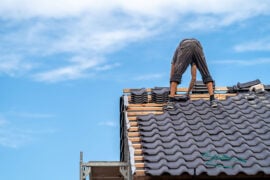
Clay and concrete tiles can create an attractive, durable roofing system. However, their weight and installation requirements must be compatible with the building structure.
A contractor should evaluate structural support, roof slope, underlayment, and flashing before recommending tile roofing.
Flat and Low-Slope Roofing
Commercial buildings often use flat or low-slope roofing systems, including single-ply membranes and modified bitumen. These systems require effective drainage and properly sealed seams to reduce the risk of water intrusion.
When hiring a commercial roofing contractor, confirm that the company has experience with the specific roofing system installed on your building.
Questions to Ask Before Hiring a Roofing Contractor
Choosing a contractor involves more than comparing prices. Asking the right questions helps you understand the company’s qualifications and approach to the project.
First, ask about experience with your roofing material and project type. A contractor who regularly installs asphalt shingles may not have the same expertise in specialized commercial membrane systems.
Second, verify applicable licensing and insurance requirements in your area. Ask for evidence of appropriate coverage and confirm that the company follows local building codes and permitting requirements.
Third, request references or examples of completed projects. These can help you evaluate the contractor’s experience and workmanship.
You should also ask about project timelines, payment terms, cleanup procedures, and how unexpected problems will be handled.
Finally, clarify the available warranties. Manufacturer warranties generally cover specified product-related issues, while workmanship warranties address certain installation-related problems. The terms, exclusions, and duration can vary, so review the documents carefully.
Understanding Roofing Estimates and Costs
The cost of hiring a roofing contractor near me depends on several factors, including roof size, slope, material selection, accessibility, labor requirements, and the condition of the existing roof.
A straightforward repair may cost considerably less than replacing an entire roofing system. Additional expenses can arise if the contractor discovers damaged decking, deteriorated flashing, inadequate ventilation, or other hidden problems.
When requesting estimates, ask for a written breakdown of materials, labor, removal and disposal, permits where applicable, and any anticipated additional work.
Comparing multiple estimates can help you understand pricing differences, but make sure each contractor is quoting a similar scope of work. A lower price may not represent better value if essential materials or installation steps are excluded.
Be cautious of vague proposals, high-pressure sales tactics, and demands for unusually large upfront payments without clear contractual terms.
Why Regular Roof Maintenance Matters
Routine maintenance can extend a roof’s useful life and help identify potential problems before they become serious.
Schedule inspections periodically and after significant storms when conditions allow. Look for damaged shingles, loose flashing, clogged gutters, and debris accumulating around drainage points.
Keep gutters and downspouts clear so rainwater can drain away from the property. Address small leaks promptly and arrange professional assessments when visible damage appears.
Avoid climbing onto steep, wet, or damaged roofs. Roofing work can be dangerous, and trained professionals have the equipment and procedures needed to work at height more safely.
A consistent maintenance plan can also help property owners document the roof’s condition and make better decisions about future repairs or replacement.
Why Professional Roofing Installation Matters
Even high-quality roofing materials can fail prematurely when installed incorrectly. Improper fastening, inadequate underlayment, poorly fitted flashing, and insufficient ventilation can compromise the entire system.
An experienced contractor understands how roofing components work together to protect the building. Professional installation also helps ensure that materials are handled according to manufacturer requirements, supporting performance and applicable warranty conditions.
Choosing a reliable roof repair contractor or installation specialist can reduce the likelihood of recurring issues and unnecessary expenses.
Conclusion
Choosing the right roofing contractor is an important step toward maintaining a safe, durable, and dependable roofing system. From identifying leaks and repairing storm damage to installing new materials, a qualified professional can help protect your property and guide you through important decisions.
Before hiring a contractor, compare detailed estimates, verify qualifications, review warranties, and ask about relevant project experience. Combine professional workmanship with regular maintenance to help extend your roof’s lifespan and avoid preventable problems.
With careful planning and the right roofing professional, you can make a confident investment in your property’s protection, appearance, and long-term value.