A reliable roof is one of the most important investments a homeowner can make. It protects the property from rain, snow, wind, and changing temperatures while contributing to energy efficiency, curb appeal, and overall structural integrity. For homeowners in Hartford, Connecticut, choosing the right roofing materials and installation team is especially important because the region experiences cold winters, humid summers, heavy rainfall, and occasional severe storms.
Planning a Hartford residential roof installation involves more than selecting attractive shingles. Homeowners must consider local weather conditions, material durability, ventilation, insulation, installation quality, and long-term maintenance. Understanding these factors can help you make informed decisions and ensure your new roof provides dependable protection for years to come.
Understanding Hartford’s Roofing Needs
Connecticut’s climate creates several challenges for residential roofing systems. Winter snow and ice can place additional stress on roof structures, while repeated freezing and thawing can contribute to leaks and material deterioration. Summer heat and humidity may also affect roofing materials, attic temperatures, and moisture control.
A properly installed roof should be designed to handle these seasonal changes. This includes selecting suitable roofing products, installing effective flashing, maintaining proper drainage, and ensuring adequate attic ventilation.
When considering residential roof installation in Hartford CT, homeowners should work with a contractor familiar with the area’s weather patterns and building requirements. Local experience can help identify common roofing concerns and determine which installation methods are appropriate for the property.
Choosing the Best Roofing Material for Your Home
Roofing materials differ in appearance, durability, maintenance requirements, and cost. The right choice depends on your budget, architectural style, and expectations for long-term performance.
Asphalt Shingles
Asphalt shingles remain a popular option for residential properties because they are versatile, widely available, and relatively affordable. They come in various colors and styles, making it easier to complement different home designs.
Quality asphalt shingles can provide dependable protection when installed correctly and maintained regularly. Homeowners should compare product specifications, wind ratings, warranties, and expected service life before making a decision.
For many properties, asphalt shingle roof installation in Hartford offers a practical balance between initial cost and performance.
Metal Roofing
Metal roofing is another option for homeowners seeking durability and a distinctive appearance. Depending on the product and installation, metal roofs can offer long service life, resistance to many weather-related problems, and effective shedding of rain and snow.
However, metal roofing generally involves a different initial investment than standard asphalt shingles. Homeowners should also consider panel style, underlayment, fastening systems, and the contractor’s experience with metal roofing installations.
Architectural Shingles
Architectural shingles provide a dimensional appearance that can enhance a home’s exterior. They are typically thicker than traditional three-tab shingles and are available in designs that complement many residential properties.
Their performance depends on the specific product and correct installation. Comparing manufacturer specifications can help homeowners determine whether architectural shingles meet their durability and aesthetic preferences.
When Should You Consider a New Roof Installation?
Not every roofing problem requires complete replacement. However, there are situations when installing a new roof may be more practical than continuing to repair an aging system.
Look for signs such as widespread shingle damage, recurring leaks, significant granule loss, deteriorating flashing, and visible sagging. Water stains inside the home or damp attic insulation may also indicate that the roofing system needs professional attention.
The roof’s age is another consideration, but it should not be the only factor. Different materials have different expected service lives, and installation quality plays a major role in overall performance.
A professional inspection can help determine whether repairs are sufficient or whether a new residential roof installation in Hartford would provide better long-term value.
The Residential Roof Installation Process
Understanding the installation process helps homeowners know what to expect and evaluate the quality of the work.
1. Roof Inspection and Assessment
The contractor begins by evaluating the existing roof, measuring the roof area, examining its structure, and identifying potential problems. This assessment helps establish the scope of work and determine whether damaged decking or other components may need attention.
The contractor should explain the findings and provide a clear estimate before the project begins.
2. Removing the Existing Roofing
When a full tear-off is necessary, the existing roofing materials are removed to expose the underlying roof deck. This allows the installation team to identify hidden damage that might otherwise remain undetected.
In some circumstances, local requirements and the condition of the existing roof may affect whether another roofing layer is permitted. A qualified contractor should explain the appropriate approach for your home.
3. Preparing the Roof Deck
The exposed decking must be inspected for deterioration, moisture damage, and structural concerns. Any necessary repairs should be completed before new roofing materials are installed.
Proper preparation is essential because even high-quality shingles cannot compensate for an unstable or damaged roof deck.
4. Installing Underlayment and Flashing
Underlayment provides an additional protective layer beneath the roofing material. Depending on the roof design and local requirements, specialized leak barriers may also be installed in vulnerable areas.
Flashing protects joints and transitions around chimneys, skylights, vents, valleys, and walls. Incorrectly installed flashing is a common source of roof leaks, so these details deserve careful attention.
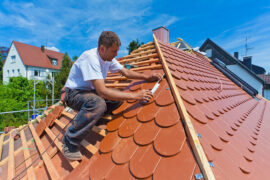
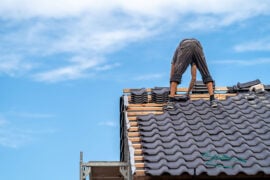
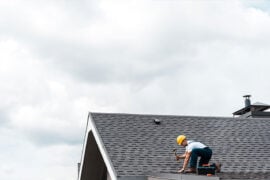
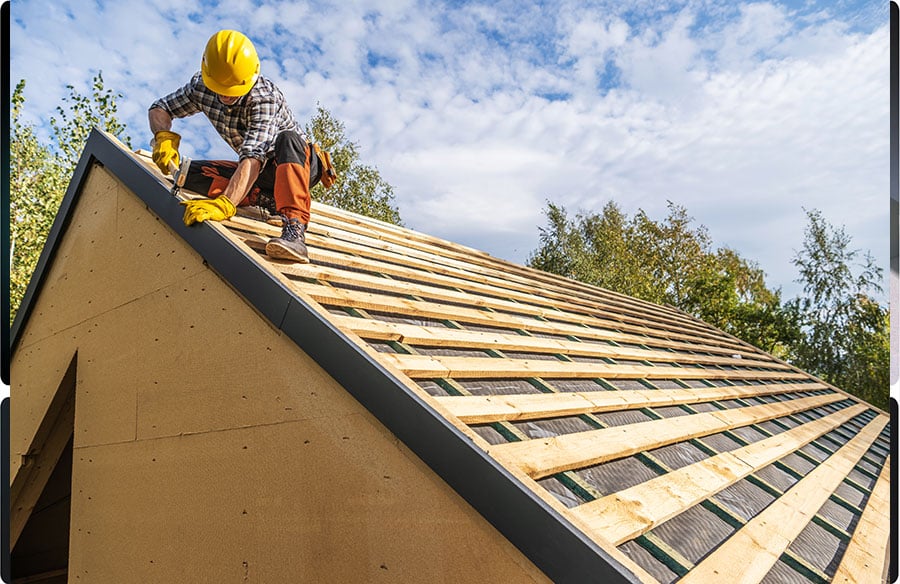
5. Installing the Roofing Materials
The installation team places the selected roofing materials according to the manufacturer’s instructions. Proper fastening, alignment, ventilation, and attention to roof edges help the system perform as intended.
After installation, the contractor should inspect the completed work and remove debris from the property.
Why Roof Ventilation Matters
Ventilation is an essential part of a successful roofing project. An attic with inadequate airflow can experience excessive heat and moisture, potentially contributing to condensation, damaged insulation, and reduced roofing performance.
A balanced ventilation system allows air to move through the attic in accordance with the home’s design. Intake and exhaust ventilation should be evaluated together rather than treating individual vents as isolated components.
During Hartford home roofing installation, ask your contractor to assess existing ventilation and determine whether improvements are needed. Proper ventilation, combined with suitable insulation and air sealing, can support indoor comfort and help manage moisture throughout the year.
Understanding Residential Roof Installation Costs
The cost of a new roof depends on several factors, including roof size, slope, material selection, removal requirements, accessibility, and the condition of the underlying structure.
A simple roof with readily available asphalt shingles may cost less to install than a complex roof with multiple valleys, dormers, and premium materials. Additional expenses may arise if the contractor discovers damaged decking, deteriorated flashing, or ventilation issues.
When requesting a Hartford residential roofing estimate, ask for a written breakdown of labor, materials, removal and disposal, potential additional repairs, and warranty coverage. Make sure the estimate explains which materials will be used and whether unexpected work requires your approval.
Comparing multiple detailed estimates can help you understand the available options. The lowest quote is not always the best value if it excludes important installation steps or uses materials that do not meet your needs.
Choosing a Reliable Hartford Roofing Contractor
Selecting an experienced roofing contractor is one of the most important decisions in the project. Look for a company that understands residential roofing systems, communicates clearly, and provides detailed written proposals.
Verify applicable licensing and insurance requirements, ask about previous projects, and review the manufacturer’s warranty conditions. You should also understand what the contractor’s workmanship warranty covers and how service requests are handled.
A reputable professional will explain the recommended materials, installation timeline, payment schedule, and procedures for handling unexpected repairs. Be cautious of vague estimates, high-pressure sales tactics, and promises that seem unrealistic.
Choosing a qualified Hartford residential roofing contractor helps reduce the risk of installation errors and supports better long-term roof performance.
Maintain Your New Roof for Long-Term Protection
Once the installation is complete, routine maintenance can help preserve your investment. Arrange periodic inspections, particularly after severe weather, and address minor concerns before they develop into more extensive damage.
Keep gutters and downspouts clear, check for visible damage from the ground, and watch for signs of leaks inside the home. Avoid walking on the roof unless necessary work is being performed by a qualified professional.
Homeowners should also retain installation records, product information, and warranty documents for future reference.
Conclusion
A successful Hartford residential roof installation begins with careful planning, suitable material selection, and professional workmanship. By considering Connecticut’s seasonal weather, evaluating ventilation, understanding installation costs, and choosing an experienced contractor, homeowners can make decisions that support lasting roof performance.
Whether you prefer asphalt shingles, architectural shingles, or metal roofing, investing in quality installation helps protect your property, improve its appearance, and provide greater confidence through changing seasons. With proper maintenance and timely professional inspections, your new roof can remain a dependable part of your home’s protection for many years.