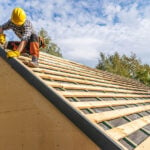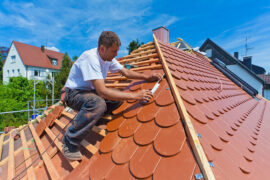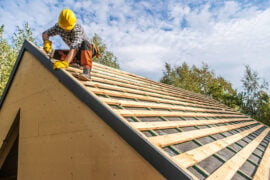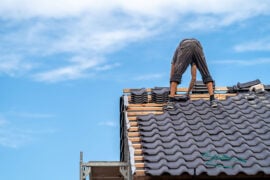
Your roof is one of the most important parts of your property, protecting your family and belongings from rain, wind, sunlight, and changing weather conditions. When your roof develops leaks, loses shingles, or begins showing signs of deterioration, finding a qualified professional becomes essential. Hiring the right roofing contractor can help you protect your investment, prevent recurring problems, and maintain the long-term performance of your roofing system.
However, choosing a contractor involves more than comparing prices. Homeowners should understand the services available, recognize common roofing problems, and evaluate a company’s experience before making a decision. With the right preparation, you can select a professional who meets your needs and provides dependable workmanship.
Understanding What a Roofing Contractor Does
A roofing contractor specializes in installing, repairing, inspecting, and maintaining roofing systems. Depending on the company, services may include residential roof installation, commercial roofing, storm damage repairs, flashing replacement, and complete roof replacement.
Professional roofing services involve more than placing shingles or covering damaged areas. A properly functioning roof depends on several components working together, including underlayment, flashing, ventilation, insulation, and drainage systems.
For example, damaged flashing around a chimney can allow water to enter even when the surrounding shingles appear to be in good condition. Similarly, inadequate attic ventilation may contribute to excessive heat or moisture buildup.
An experienced contractor examines the entire roofing system to identify the source of a problem and recommend an appropriate solution. This approach helps prevent temporary fixes that fail to address underlying issues.
Before hiring a company, confirm that it has experience with your roofing material and the type of project you need.
Signs You Need a Roofing Professional
Roofing problems can develop gradually or appear suddenly following severe weather. Recognizing the warning signs early can help homeowners arrange repairs before the damage spreads.
Missing, cracked, or curling shingles are common indicators that a roof needs attention. Strong winds may loosen roofing materials, while prolonged exposure to sunlight can contribute to deterioration.
Interior warning signs are equally important. Water stains on ceilings, peeling paint, damp insulation, or unexplained moisture may indicate a leak. However, plumbing problems and condensation can produce similar symptoms, so identifying the actual source is essential.
Other concerns include damaged flashing, excessive shingle granules collecting in gutters, and sagging areas along the roofline.
If you notice these issues, scheduling a professional roof inspection can help determine whether repairs are sufficient or replacement should be considered. Avoid climbing onto damaged or steep roofing surfaces yourself. A qualified professional can assess the condition more safely.
How to Choose a Reliable Roofing Contractor
Finding a dependable contractor requires research and careful comparison. Start by identifying companies that regularly complete projects similar to yours.
Customer reviews can provide useful information about workmanship, communication, punctuality, and customer service. Look for consistent patterns across multiple reviews rather than relying on a single positive or negative comment.
Next, verify the contractor’s licensing and insurance requirements for your location. Ask for proof of appropriate coverage and confirm that the company is qualified to perform the proposed work.
Experience is another important consideration. A contractor who regularly installs asphalt shingles may not have the same expertise in metal roofing or commercial membrane systems.
When comparing local roofing contractors, ask about previous projects, material recommendations, and how the company handles unexpected damage discovered during installation.
A reliable professional should explain the problem clearly, answer your questions, and provide a written estimate before work begins.
Comparing Roofing Estimates and Costs
Roofing costs vary depending on the size and slope of the roof, material selection, accessibility, labor requirements, and the extent of existing damage.
A straightforward repair may require limited materials and labor, while replacing an entire roofing system can involve substantial preparation, removal, disposal, and installation work.
When requesting estimates, obtain written proposals from multiple contractors when practical. Each proposal should identify the materials, labor, project scope, expected timeline, and any additional services included.
Ask whether the estimate covers underlayment, flashing, ventilation improvements, and disposal of old roofing materials when applicable. You should also understand how unexpected structural damage will be priced and approved.
Searching for an affordable roofing contractor near me can help you compare local options, but avoid choosing a company based solely on the lowest quote. An unusually low estimate may exclude important work or use materials that do not meet your expectations.
Comparing the complete scope of work helps you understand the value offered by each contractor and reduces the likelihood of unexpected expenses.
Choosing the Best Roofing Materials
The roofing material you select affects durability, appearance, maintenance requirements, and overall cost. The best option depends on your home’s design, local climate, structural requirements, and budget.
Asphalt Shingles
Asphalt shingles are popular for residential properties because they come in various colors and styles. They offer a practical option for many homeowners and are generally straightforward to repair when localized damage occurs.
Metal Roofing
Metal roofing can provide durability and a distinctive appearance. Depending on the product and installation, it may offer strong resistance to weathering and relatively low maintenance requirements.
Tile Roofing
Concrete and clay tiles can provide an attractive finish and long service life. However, they may cost more to install and require a structure capable of supporting their weight.
Flat Roofing Systems
Flat and low-slope roofs commonly use specialized membranes or layered roofing materials. Proper drainage is particularly important because standing water can contribute to leaks and material deterioration.
A qualified contractor should explain the advantages and limitations of each system. Ask about expected service life, maintenance requirements, installation details, and warranty coverage before choosing a material.
Understanding Roofing Warranties
Warranties can provide important protection, but their terms vary. Manufacturer warranties generally cover qualifying defects in roofing products, while workmanship warranties address certain installation-related problems.
Before signing a contract, ask what each warranty covers, how long the coverage lasts, and whether particular maintenance requirements apply.
Request written documentation and keep copies of your contract, invoices, product information, and inspection reports.
Do not assume every roofing problem will be covered automatically. Damage caused by certain weather events, improper maintenance, or unauthorized alterations may be excluded, depending on the warranty terms.
Understanding these details helps you evaluate proposals more accurately and know what protection you can expect after the project is completed.
Why Roof Maintenance Matters
Even a professionally installed roof requires regular maintenance. Periodic inspections can help identify developing problems before they cause extensive damage.
Keep gutters and downspouts clear so rainwater can drain properly. Monitor ceilings and attic spaces for moisture, and check for visible damage from the ground after significant storms.
Trim overhanging branches when appropriate and address loose roofing materials promptly. If you notice repeated leaks or deterioration, arrange a professional assessment instead of relying on temporary solutions.
Working with a trusted roof repair contractor can help you develop a maintenance plan suited to your roofing material and local weather conditions.
Keeping records of previous repairs and inspections also makes it easier to monitor the roof’s condition over time.
Questions to Ask Before Hiring
Before approving a roofing project, ask who will supervise the work, whether subcontractors will be involved, and how the contractor will protect your property during installation.
Confirm the expected start date, project duration, cleanup arrangements, payment schedule, and process for handling additional repairs.
You should also ask how the contractor will inspect the completed work and address any concerns that arise afterward.
Clear answers and a detailed written agreement help establish expectations and reduce misunderstandings.
Protect Your Property With the Right Roofing Contractor
Choosing the right roofing contractor is an important investment in your property’s safety and long-term condition. By checking qualifications, comparing detailed estimates, selecting suitable materials, and understanding warranty coverage, you can make a more informed decision.
Whether you need a small repair, routine maintenance, storm damage assessment, or complete roof replacement, prioritize professional experience, clear communication, and quality workmanship. With the right contractor and consistent maintenance, you can protect your home and maintain a dependable roofing system for years to come.