Architectural ideologies and Core beliefs
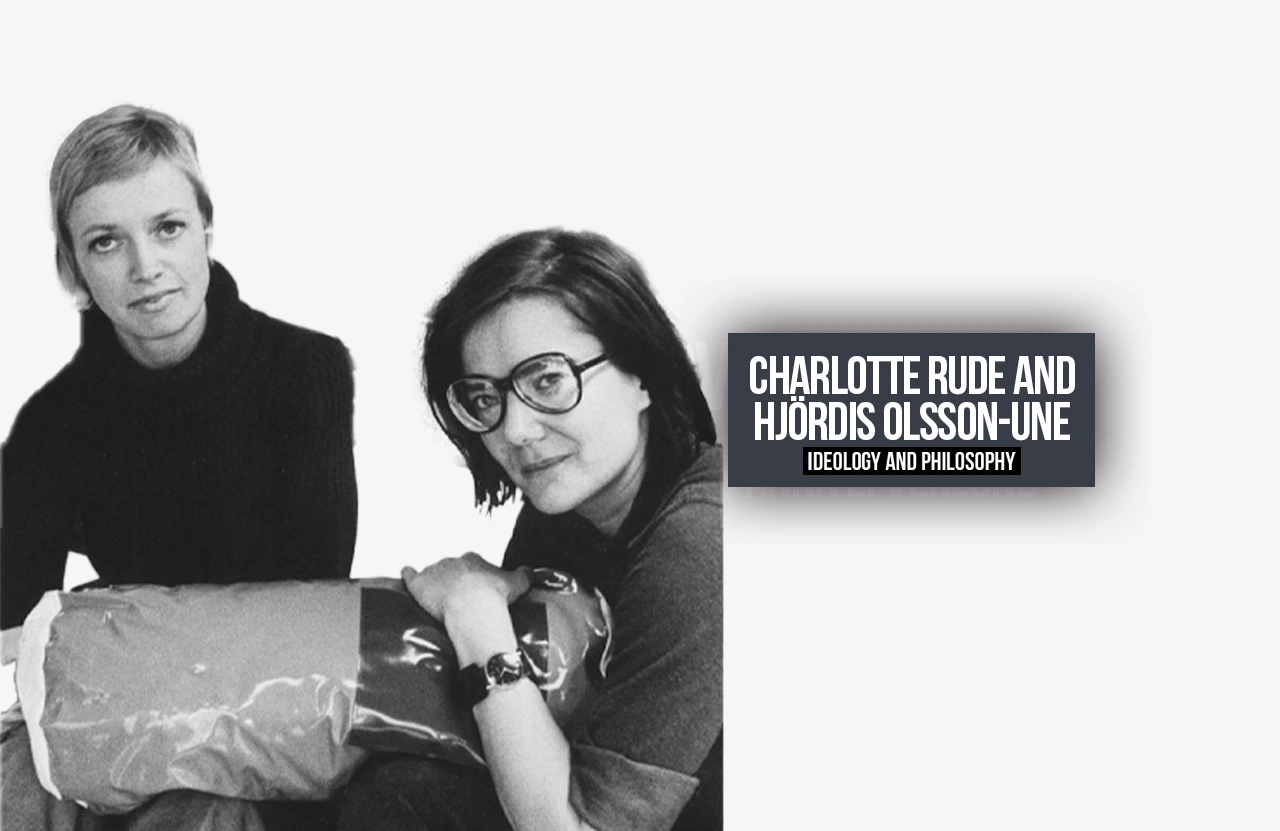
Two true visionaries – Rude and Olsson-Une, though primarily involved in one of the biggest furniture brands known globally, IKEA – also made their mark in the architectural world. Their principles were guided by the idea of accessible, good design serving the whole community rather than just a certain stratum. They focused on democratising design. The creation of their POKUS particleboard system in 1971 was a perfect example of how they favoured universal applicability. As the Ikea Museum notes, it was a ‘production system where modules could be painted by the customer. This system was built on a philosophy that ‘the creative process is more important than the medium’ and a belief that design should be ‘accessible to all’. They designed products to be customised rather than dictated to the customer.
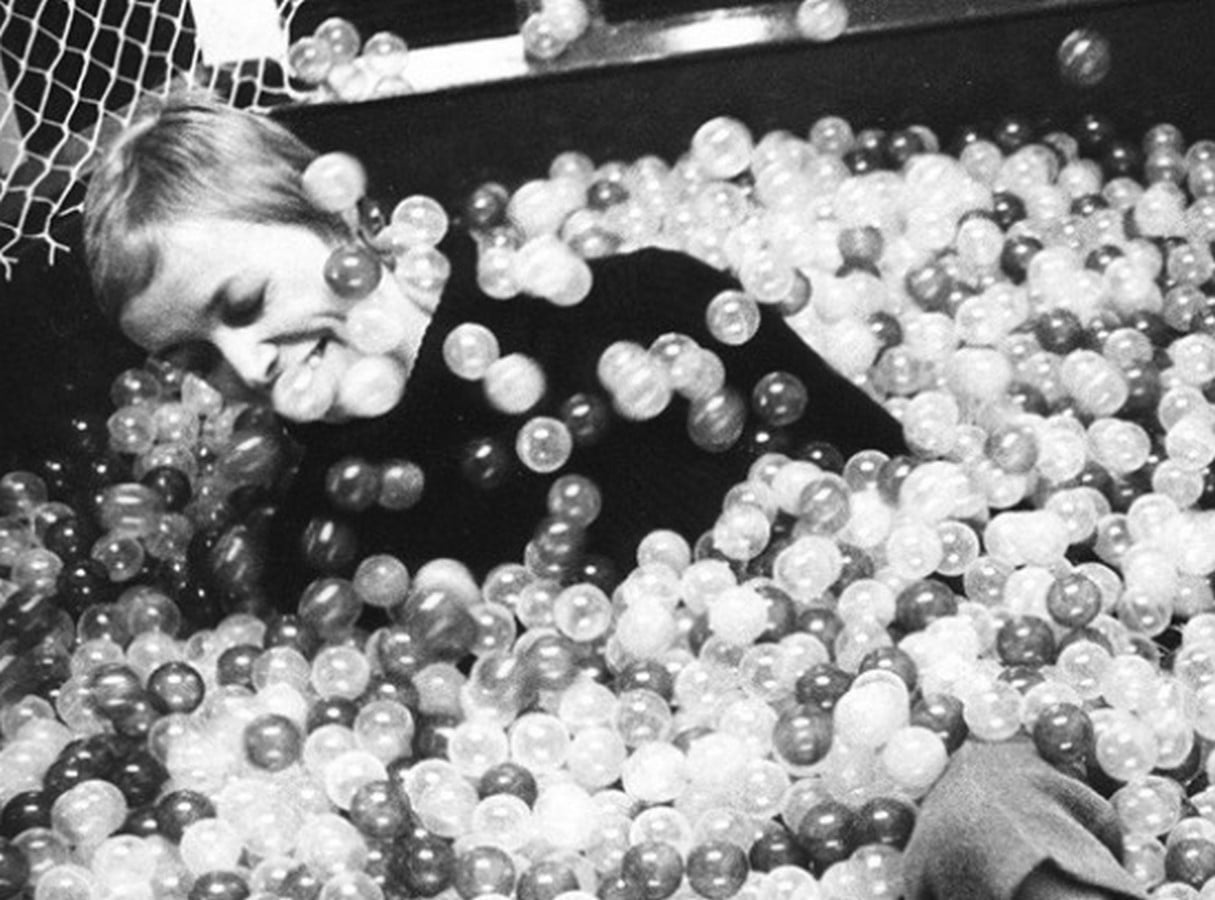
They believed that function could be discovered through play. While modernists aimed to find a reduced, rational form of furniture, these designers experimented with different shapes and playful structures to find functional solutions that appealed to more than just basic needs. The rounded steel frame of the DINO high chair is an example of such an innovative approach, as is the Ikea ball pit, which was also launched in 1971. These designers recognised how important it was for objects to be functional but also exciting and inviting. IKEA-designed items had to be exciting and at the same time calm. But working in the Ikea tradition of furnishing everyone’s home with well-designed, functional, and aesthetically pleasing products, this trio understood that they needed to meet a set of apparently conflicting challenges. The GOGO armchair, also known as the ÖNNESTAD, is a good example of how they responded to these challenges. It was launched in 2006 and re-released in 2024.
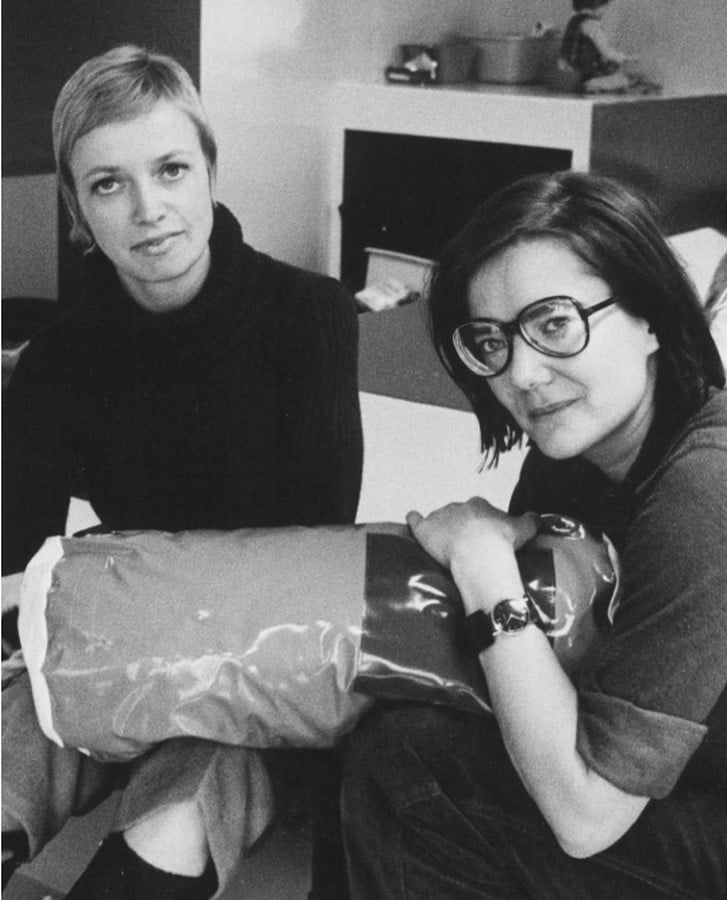
Their teachers at Konstfack, especially the glass artist Bertil Vallien and Stig Lindberg, the great design master, urged “bold and unexpected leaps” in their work. They did not see any fundamental difference between creating something in the corporate world and doing the same in furniture design, glass, ceramics, or architecture. Ingvar Kamprad’s Testament of a Furniture Dealer, which informed the design for Ikea’s “furniture for the many people”, also shaped their path. They practised “radical” product design – making things unfinished, available for tinkering, and therefore realised the democratic design ethos of functionality, form, and quality, and sustainability, affordability, and user freedom. Swedish designers created modern, lightweight furniture with round shapes, making it easier for society to embrace this revolutionary approach. This concept has been transmitted through Rude and his friends, especially Olsson-Une, who emphasised accessibility and humanisation in their work.
Design philosophy and approach
Their POKUS particleboard series was an embodiment of their belief that “nothing is so satisfying as shaping your own environment” and was a deliberate choice to empower the consumer. While many in the industry would have produced an end product, they supplied the raw materials and instructions for customers to assemble and personalise their own furniture. Even their cost-saving design decisions, such as using inexpensive particle board, were informed by their belief that “design should be a collaboration between the designer and the consumer”. Their development of the DINO highchair utilised a “circle within a circle” steel frame construction that represented their conviction that “good design” should seek out elegant structural solutions and eschew weighty additions that would overwhelm the eye at the expense of function.
The recent 2024 re-release of their GOGO armchair utilised “high-strength steel to reduce material use by half, without compromising the design or performance”, but was nevertheless faithful to their original resource-conscious philosophy of only using the material needed and simplifying the construction where possible to utilise thinner tubing and reduce weight. They demonstrated the same conviction when developing their domestic furnishings to utilise IKEA’s in-house manufacturing capabilities and materials, such as using a high-pressure particle board that could be finished directly with paint, without the need for additional putty.
Simple, playful, human-scaled furnishings created by discarding modernist austerity in favour of colour and comfort. As Charlotte recalled, “We wanted to make a chair that was colourful, soft and comfortable.” Their creations, from the POKUS to the GOGO armchair, all featured familiar, accessible silhouettes, with oversized cushions and whimsical steel detailing. While many pieces had strong geometric undercurrents to their forms, none were austere or severe in their appearance. Rounded circles defined the DINO highchair, and modular rectangles composed the POKUS particleboard series, while the GOGO employed curved steel tubes in an equally friendly silhouette.
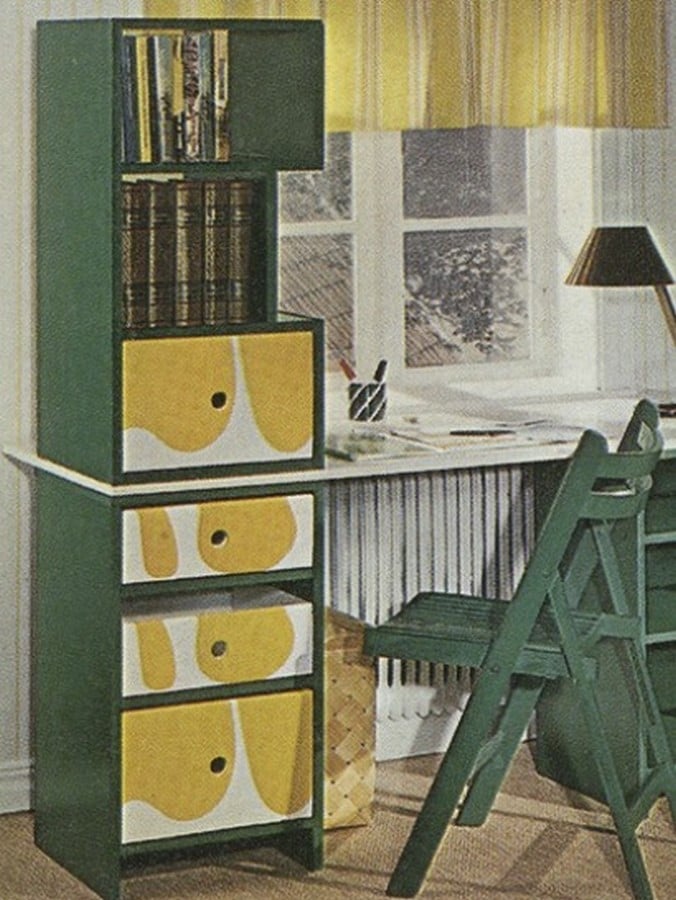
Functionality was discovered through experimentation and iteration, with an emphasis on play as a means of determining the end-use of a given object. Their IKEA ball pit – created with inspiration from bean bags and plastic packing materials – represented their commitment to creating new toys and experiences for children. Likewise, the circular shape of the DINO highchair simultaneously played with traditional ideas of what a highchair should be while also providing greater stability than its contemporaries. Flexible furnishing solutions that could be adapted to the user in the same way their target market of young people wanted to “personally influence the interior, build and combine the furniture themselves”. Their approach to space was one of experimentation and adaptability, seeking to determine how objects and furniture informed the way people lived. Their POKUS series deliberately embraced the consumer’s role in arranging their own home environment.
Social impact and legacy
Charlotte Rude and Hjördis Olsson-Une were pioneers who responded to the social needs of 1970s Sweden by democratising design for “the many people”. Their POKUS particleboard system made bold, experimental furniture accessible to younger people on a limited budget; the DINO highchair and IKEA ball pit transformed childcare spaces into sites of safety and delight. Through their innovative approach to design, the two women anticipated the principles of contemporary participatory design and open-sourcing, creating unfinished pieces for consumers to complete.
While Rude and Olsson-Une worked in furniture, their contributions hold implications for the wider discourse on architecture. Their work has helped to advance discussions of “architecture” to include works that differ in medium, scale, and process but share a commitment to creative exploration. Ikea’s current emphasis on Democratic Design – its commitment to both design excellence and value – was tested and advanced by these early experiments. The two women were also trailblazers in their collaborative approach to design, and their vision continues to resonate in contemporary debates about collective practice and new understandings of authorship. At a time when the figure of the isolated genius continues to dominate the public imagination, “Female traces” highlighted the alternative approaches currently under discussion within the architectural field.
Today, Ikea’s influence can be seen in a range of participatory design initiatives – from OpenDesk and WikiHouse projects that seek to engage a global network of designers to the re-release of the 2024 ÖNNESTAD, which uses high-performance steel to reduce material waste by 50%. Contemporary design and architectural practices, including BIG and Snøhetta, continue to be inspired by the idea of functionalism with a twist. For Ikea’s customers – and the millions of low-income families who have shopped at Ikea stores around the world – the impact of Ikea’s approach on the built environment is immeasurable. Their legacy reminds us that constraints often yield remarkable innovations, that users can be true collaborators, and that the most enduring design solutions often emerge from the smallest details.
Reference list:
[1] Brejzek, T. and Wallen, L.P. (2021). The IKEA x UTS future living lab as a learning laboratory. Interiority, [online] 4(1), pp.117–134. doi:10.7454/in.v4i1.94.
[2] Hem, S. (2022). Tidsresa via digitala IKEA-museum. [online] Stiliga Hem. Available at: https://stiligahem.se/kulturhistoria/tidsresa-via-digitala-ikea-museum/ [Accessed 25 Sept. 2026].
[3] kuleuven.limo.libis.be. (n.d.). Https://Kuleuven.Limo.Libis.Be/discovery/search?Query=any. [online] Available at: https://kuleuven.limo.libis.be/discovery/search?query=any [Accessed 25 Sept. 2026].
[4] Uci.edu. (2026). Democracy by design. [online] Available at: https://www.socsci.uci.edu/newsevents/news/2015/2015-08-24-murphy-swedish-design.php [Accessed 25 Sept. 2026].
[5] IKEA Museum. (2025). Discover Charlotte Rude and Hjördis Olsson-Une – IKEA Museum. [online] Available at: https://ikeamuseum.com/en/explore/designer-portraits/charlotte-rude-and-hjordis-olsson-une/ [Accessed 25 Sept. 2026].