Bank auction properties attract attention from buyers searching for real estate deals priced below market value. These properties are repossessed by banks when borrowers fail to repay secured loans and are later sold through an auction process to recover dues.
A bank auction property may seem like a straightforward investment opportunity, but each listing carries its own legal background, condition issues, and procedural requirements. Buyers need to evaluate these factors before making any financial commitment.
This blog explains what these properties are, the risks involved, and the step-by-step buying process so you can approach decisions with clarity and confidence.
What is a Bank Auction Property?
A bank auction property comes into existence when a borrower defaults on a secured loan. The lending institution then takes possession of the asset and initiates a legal recovery process.
The property is later auctioned to recover the outstanding loan amount. In India, this process is often governed by the Securitisation and Reconstruction of Financial Assets and Enforcement of Security Interest (SARFAESI Act), which allows banks to recover dues without prolonged court proceedings.
Pitfalls of Buying Bank Auction Properties You Should be Aware of
Buying a bank auction property can appear financially attractive, but it involves several risks that buyers often underestimate. Legal clarity, physical condition, and hidden liabilities can significantly impact the real cost of ownership.
1. Legal Complications and Title Uncertainty
Such a property may carry unresolved legal disputes or unclear ownership history. In some cases, litigation or third-party claims can delay possession even after a successful bid. Title verification is essential before participation in any auction process.
2. Physical Condition Risks
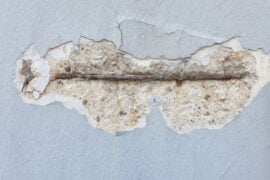
These properties are not inspected or maintained by the bank before sale. Many properties remain vacant for long durations, which can result in damage such as leakage, wiring issues, or structural deterioration. These repair costs are borne entirely by the buyer.
Such neglect often presents a unique challenge and opportunity for architects and designers. Assessing the extent of structural damage or outdated systems requires a keen eye for potential, transforming a distressed asset into a canvas for modern living or adaptive reuse. The initial repair costs, while significant, can be viewed as an investment in a property’s future design potential.
3. Hidden Financial Liabilities
It may include unpaid dues like property tax arrears, electricity bills, water charges, or society maintenance fees. If not cleared before transfer, these liabilities may fall on the buyer and increase the total investment cost.
4. Limited Inspection Access
Such properties often come with restricted or no physical inspection rights. Buyers may have to make decisions based on limited information, which increases uncertainty regarding actual condition and usability.
5. Competitive Bidding Pressure
Such a property can attract multiple bidders in popular locations. Aggressive bidding can push final prices closer to market rates, reducing the expected financial advantage of buying through auction.
6. Strict Payment Timelines
It requires strict adherence to payment deadlines. Missing any installment or timeline can result in cancellation of the bid and loss of the Earnest Money Deposit, which adds financial risk.
Step-by-step Process to Buy a Bank Auction Property Successfully
Each stage must be handled with attention to detail to avoid financial or legal issues.
1. Identify Verified Auction Listings
The first step in buying a bank auction property is locating genuine listings through official bank websites, government auction portals, or authorized public notices. Verification of authenticity is important to avoid misleading or outdated listings.
2. Conduct Detailed Due Diligence
Before bidding on such a property, buyers must carefully check legal documents, ownership records, and outstanding liabilities. If inspection is allowed, the physical condition should also be reviewed to estimate repair and renovation costs.
Beyond mere repairs, this due diligence phase is crucial for envisioning the property’s architectural future. Understanding the existing layout, material integrity, and potential for natural light or spatial reconfiguration allows buyers to estimate not just renovation costs, but also the scope for design-led value creation. This early assessment can guide decisions on whether a property aligns with a specific design brief or a broader vision for sustainable development.
3. Submit Earnest Money Deposit (EMD)
To participate in an auction for one, buyers must submit an Earnest Money Deposit. This amount confirms participation intent and is usually a fixed percentage of the reserve price set by the bank.
4. Participate in the Auction Bidding
Such a property can be purchased through online or physical auctions. Understanding bidding rules, increments, and reserve price structure helps buyers place controlled bids and avoid overpaying.
5. Complete Payment Within Deadlines
After winning, the buyer must complete payment within the timeline set by the bank. Delays or missed payments can result in cancellation of the transaction and loss of deposited funds.
6. Obtain the Sale Certificate from the Bank
Once full payment is completed, the bank issues a sale certificate for the property. This document acts as legal proof of ownership transfer and is required for registration.
7. Register Property and Take Possession
The final step involves registering the property in the buyer’s name and updating land records through mutation. After completion of formalities, physical possession is handed over.
Make Bank Auction Property Decisions With Confidence
A bank auction property can offer meaningful value for buyers who are prepared with proper research and financial planning. Every stage of the process, from identifying listings to taking possession, requires careful attention to legal details, documentation, and payment timelines. Without this preparation, the risks can easily outweigh the benefits of a lower purchase price.
If you are planning to explore, start by shortlisting verified listings and reviewing all legal documents in detail.
Take time to assess risks, understand auction conditions, and align your budget with strict payment schedules.