BIASURGE® Advanced Surgical Solution is a no-rinse irrigation solution from Sanara MedTech intended for mechanical cleansing and removal of debris, including microorganisms, from surgical wounds. It contains an antimicrobial preservative that is effective against a broad spectrum of pathogenic microorganisms within the solution. These two characteristics—mechanical wound cleansing and antimicrobial preservation—are central to understanding the product’s role.
For healthcare professionals, evaluating a surgical irrigation product involves more than reviewing its name or ingredients. Its intended use, application requirements, supporting research, and place within facility protocols all matter. This guide explains BIASURGE’s features and the considerations that help surgical teams assess it.
What Is Surgical Irrigation?
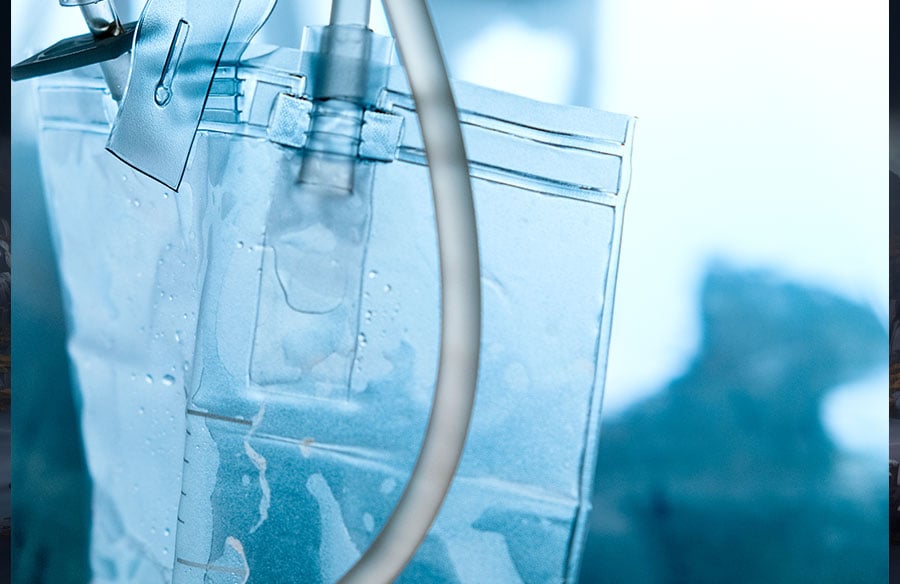
Surgical irrigation involves applying fluid to a surgical site to help remove unwanted material. With BIASURGE, the labeled purpose is mechanical cleansing: irrigation helps carry away debris, dirt, foreign materials, and microorganisms. Its instructions describe application using a manual syringe or powered irrigation device.
The word “mechanical” is important. It identifies the cleansing action associated with irrigation rather than a promise that the wound becomes sterile.
For a surgical team, the relevant question is how an irrigation solution supports the planned procedure. Product selection should account for the intended application, available equipment, current labeling, and the clinician’s assessment.
What Makes BIASURGE a No-Rinse Solution?
Sanara describes BIASURGE as requiring no secondary rinse. This means a separate rinse is not necessary simply to remove the solution following its intended application.
That feature gives teams a specific workflow characteristic to evaluate. When comparing irrigation products, clinicians can review whether each product requires a subsequent rinse and how its instructions fit the procedure.
“No-rinse” does not mean that application technique, equipment selection, or other procedural requirements can be overlooked. The complete instructions still guide use. A clear understanding of the term helps staff explain the product accurately and incorporate it consistently into facility protocols.
Understanding the Formulation
Sanara’s product materials identify PHMB, vicinal diols, EDTAs, and Poloxamer 407 as components of the BIASURGE formulation. The company describes the ingredients as working together in the solution’s cleansing activity.
The instructions for use identify PHMB as a preservative that reduces microbial growth inside the packaging after the sterile seal has been broken.
This distinction supports accurate product education. Preservative activity within a solution and clinical outcomes in a patient are different subjects. Healthcare professionals should evaluate each claim according to its setting and supporting evidence.
Understanding a formulation is useful, but the presence of individual ingredients does not establish that different irrigation products are interchangeable. The finished product and its labeling deserve separate review.
Interpreting Antimicrobial Performance Claims
Sanara reports that BIASURGE eliminates 99.9999% of bacteria within 60 seconds in the solution, based on data on file. The location of that activity is an essential part of the claim.
A laboratory finding about bacteria in a solution should not be rewritten as an equivalent reduction in surgical site infections. It also does not establish that every treated wound will achieve the same bacterial reduction.
When assessing product information, healthcare professionals should ask what was tested, under which conditions, and which outcome was measured. Keeping those questions visible makes comparisons more useful and helps prevent laboratory results from becoming broader clinical promises.
What the Biofilm Research Shows
Sanara has published a research summary examining BIASURGE in laboratory models involving implantable materials. The tested surfaces included stainless steel, cobalt-chromium alloy, titanium alloy, and ultra-high-molecular-weight polyethylene. The research evaluated bacterial attachment and existing biofilm-associated microbial burden.
The summary reports reduced attachment and reduced bioburden under the tested conditions. It also states that preclinical results may not directly correlate with human clinical outcomes.
These findings provide context for evaluating the product’s research. They do not independently establish that BIASURGE prevents implant infections in patients. Clinicians reviewing the evidence should distinguish laboratory performance from results demonstrated in clinical populations.
Application and Handling Considerations
The BIASURGE instructions describe a clear, colorless solution used for irrigation or lavage. They specify room-temperature storage at approximately 25°C or 77°F, prohibit refrigeration or freezing, and direct users to discard bags after the procedure. Cumulative use should not exceed 30 days.
Before introducing the product, facilities can establish how it will be ordered, stored, prepared, and supplied to the surgical team. Staff should have access to the current instructions rather than relying solely on an abbreviated marketing description.
A practical implementation review can also address responsibility for checking packaging, confirming the selected irrigation equipment, and documenting product use. These operational decisions help make the approved workflow clear.
Patient Selection and Safety Information
BIASURGE should not be used when a patient has a history of allergy to any ingredient. Its instructions prohibit intravenous infusion or injection, consumption, and use in the eyes. Federal law restricts sale to, or on the order of, a licensed healthcare practitioner.
These requirements belong in product training and clinical review. Healthcare professionals should consult the full, current instructions for use when determining suitability.
An educational overview can explain product features, but it cannot account for every patient or procedural circumstance. The treating clinician’s assessment remains central to selection and use.
Evaluating BIASURGE for Your Facility
A focused review begins with the product’s intended purpose and then considers practical fit. Surgical teams, purchasing staff, and clinical reviewers can organize their evaluation around several questions:
- Does the planned application align with current labeling?
- How does the no-rinse feature fit existing protocols?
- What staff education is needed?
- Which research findings are relevant to the proposed use?
- What purchasing and inventory requirements need confirmation?
This approach connects product information with specific decisions. It also encourages facilities to request supporting materials when a claim or handling requirement needs further clarification.
Learn More From Sanara MedTech
At Sanara MedTech, our focus includes developing and commercializing technologies for surgical care and tissue repair. BIASURGE Advanced Surgical Solution offers a no-rinse option for mechanical cleansing of surgical wounds.