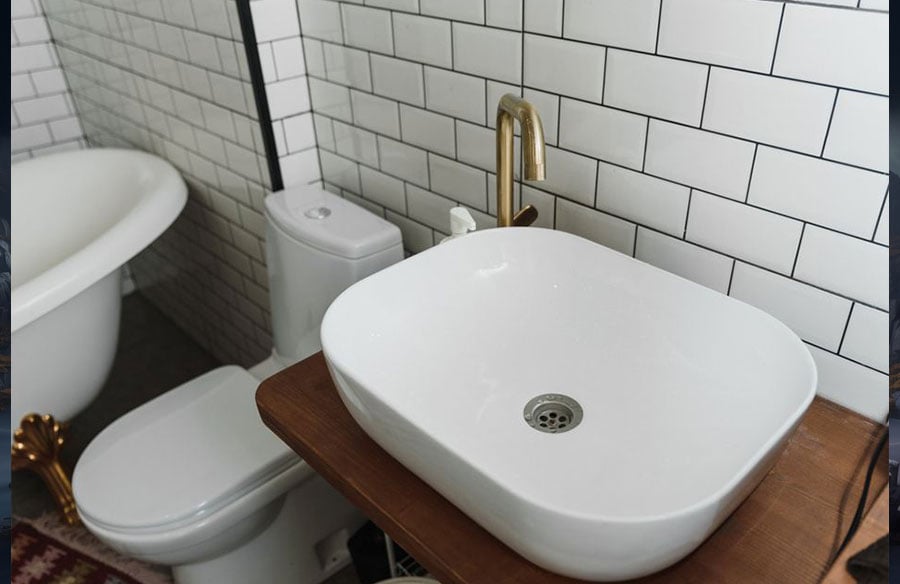
A beautiful home should also make everyday routines easier. In Palm Harbor, Florida, homeowners choosing new bathroom and kitchen fixtures need to think beyond fashionable finishes. Faucets, toilets, sinks, and showers influence water consumption, cleaning, comfort, and the risk of hidden leaks. Poorly chosen or installed fittings can turn small inconveniences into expensive problems. Thoughtful selections, on the other hand, can improve how a home functions without requiring a complete renovation. Successful updates begin with practical needs.
Beyond individual components, the integration of these elements into the broader architectural scheme dictates the long-term success of a design. Architects and interior designers often consider how each fixture contributes to the spatial flow, material palette, and user experience, ensuring that practical choices align with the overarching vision for the built environment.
Look Beyond Appearance When Choosing Fixtures
A polished faucet can catch your eye, but its usefulness becomes clear after weeks of washing dishes, filling containers, and cleaning the sink. Reach, handle movement, clearance, and maintenance requirements all deserve attention before color or finish.
Consider who uses the space. Children may struggle with stiff handles, while someone with limited grip strength might find lever controls more comfortable. A deep sink can accommodate larger items but may reduce accessible space beneath a counter. Faucet positioning also affects splashing.
Good design means checking measurements, habits, and access first. A practical fixture often outperforms a showpiece.
Make Installation Part of the Design Decision
Choosing a suitable component is only half the process. Supply connections, seals, drainage, mounting surfaces, and water pressure must work together. Hidden leaks can damage nearby materials.
Homeowners considering plumbing fixture installation & repair should ask a qualified professional to assess existing connections, fixture compatibility, and signs of deterioration before recommending replacement. Repairing a leaking fitting, updating a worn valve, or installing new bathroom hardware requires attention to the complete system rather than the visible component alone. This helps prevent repeat problems.
Ask what the work includes, whether permits are necessary, and how the installation will be tested before the job is considered complete.
Choose Water Efficiency Without Sacrificing Comfort
Water savings need not require an unpleasant shower or a faucet that makes routine tasks slower. Modern fixtures can reduce water use while meeting defined performance standards. The challenge is distinguishing independently tested efficiency from marketing claims.
The WaterSense explanation of efficient showerheads notes that labeled products use no more than two gallons per minute and must meet performance criteria. Compare performance, not just flow rates.
Think about how each room is used. A bathroom faucet, kitchen sprayer, and showerhead have different purposes and should not be judged using identical specifications. Check compatibility with your plumbing and compare expected performance before purchasing.
Notice the Warnings Hidden in Everyday Use
Fixture problems often begin quietly. A handle becomes difficult to turn. A toilet continues running long after flushing. Water gathers beneath a sink, or a shower changes temperature unexpectedly. Minor changes can indicate wear, faulty connections, or another issue needing investigation.
The home maintenance guidance for water fixtures encourages regular leak checks and prompt attention to defects. Looking under cabinets and around toilet bases can reveal moisture before it spreads into flooring or cabinetry.
Do not assume reduced water pressure always means a failing faucet. Other plumbing problems can cause similar symptoms. Diagnosis prevents unnecessary replacement.
Match Each Fixture to the People Using It
Household routines change over time, and bathrooms or kitchens should accommodate the people who use them. A tall basin may look elegant yet be awkward for smaller children. A shower control positioned out of easy reach can make bathing unnecessarily difficult.
Accessibility deserves consideration even when no one currently needs assistance. Lever handles, suitable clearances, secure mounting, and thoughtfully placed controls can make spaces easier to use across generations. Where mobility or balance is a concern, assess the entire layout rather than assuming a single product will solve the problem.
Comfort also includes cleaning. Choose surfaces and shapes that people can maintain without awkward reaching or specialized products. Practical fixtures stay convenient.
Decide Whether Repair or Replacement Makes Sense
Not every dripping faucet warrants replacement. A worn cartridge, damaged seal, or loose connection may be repairable if the rest of the fitting remains sound. Replacement becomes more reasonable when parts are unavailable, corrosion is extensive, or the same issue keeps returning.
Compare repair costs against the expected life and performance of a replacement. Also consider surrounding plumbing: replacing the visible fitting may not help if deteriorated connections continue to cause leaks.
Avoid making the decision on price alone. A low-cost repair that lasts can be sensible, while repeated temporary fixes can waste money. Ask about options before authorizing work.
Coordinate Fixture Upgrades With Other Renovations
Fixture selection influences cabinet dimensions, countertop openings, wall finishes, and the placement of electrical accessories. Decisions made too late can force compromises or costly rework. Choose critical dimensions early and confirm them before construction or installation begins.
This integrated approach is fundamental to architectural practice, where every detail, from a faucet’s finish to a cabinet’s pull, is weighed against its impact on the overall aesthetic and functionality of a room. Designers meticulously plan these interactions to create cohesive, durable, and visually appealing spaces that stand the test of time.
A bathroom update may require coordinating the shower valve, waterproofing, and wall finishes. In a kitchen, sink depth and faucet reach can affect storage and everyday movement. Discuss these relationships with the people handling the project rather than assuming each trade can work independently.
Keep records of product models and replacement parts. Clear documentation simplifies later servicing and helps avoid ordering items that look similar but will not fit.
Build a Home That Feels Easier to Maintain
The best fixture upgrades improve ordinary routines without demanding constant attention. A reliable faucet should turn smoothly, a toilet should operate efficiently, and a shower should provide comfortable, consistent control. Those simple expectations become valuable when they are met day after day.
Make occasional inspections part of normal home care. Watch for leaks, clean finishes as directed, and address developing problems before water reaches surrounding surfaces. Keep manufacturer information available for future repairs.
A thoughtfully designed home is not defined by expensive hardware. It is shaped by choices that balance appearance, durability, comfort, and long-term upkeep. When those priorities guide fixture selection, the result feels better to live in for homeowners planning their next renovation. Even modest improvements can reduce daily frustrations, protect surrounding materials, and make future maintenance decisions considerably more straightforward.