Architecture is meant to be felt, heard and not just seen. You are taught to look at the buildings, renderings, photographs, facades, sketches until you start believing that is what architecture is all about. But nobody lives inside a color. A person moves through a building with his/her whole body, which hears before it admires, breathes before it judges, touches before it understands. Designing only for the eye is designing for only a part of the person standing there while neglecting scapes like soundscapes and smellscapes.
Excluding Communities
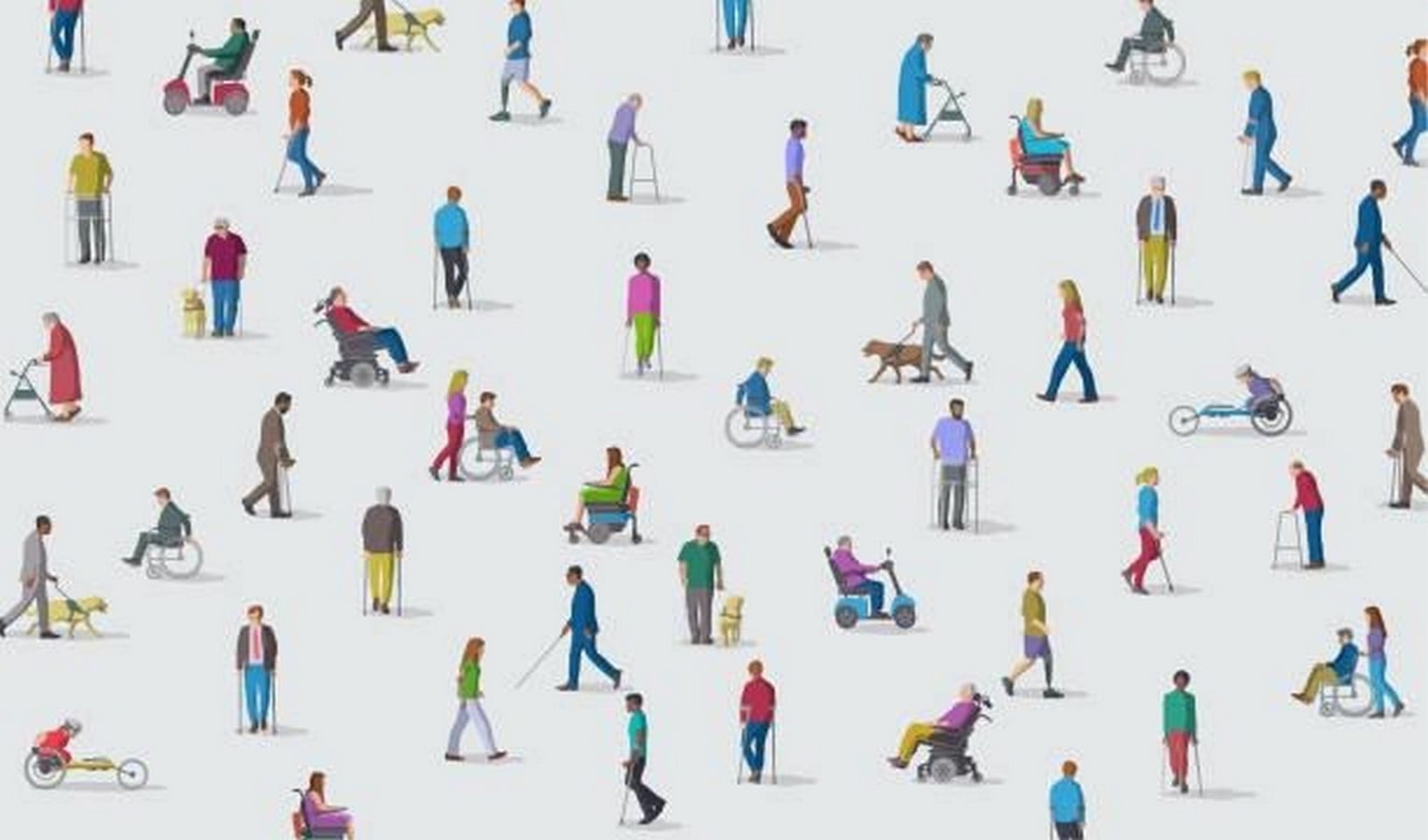
This stops being just a design choice the moment we remember that not everyone sees. Some people are born blind, deaf, non-verbal and disabilities in other ways. They move through buildings that were never really made for them. We call our standards ‘universal’. By adding Braille systems in the footpath, the universal design that only accounts for a part of the problem isn’t universal at all. It’s just the majority omitting someone else in the room. For a blind person, architecture is not something to look at. It is texture under the feet. It is the air changing as a corridor narrows. It is sound bouncing differently off stone than off glass. It is a smell that tells you’ve reached the kitchen before your hand finds the door. They depend on sensescapes like smellscapes and soundscapes to experience architecture.
Smellscapes
The author Juhani Pallasmaa best described it when he stated,
‘A particular smell makes us unknowingly re-enter a space completely forgotten by the retinal memory; the nostrils awaken a forgotten image, and we are enticed to enter a vivid daydream’
And smell is the strangest involuntary experience of all the senses. It doesn’t ask permission to be sensed. A certain smell can pull you straight back into a memory the eyes had already forgotten — not a description of the place, but the place itself, whole and complete, returned to you in an instant.
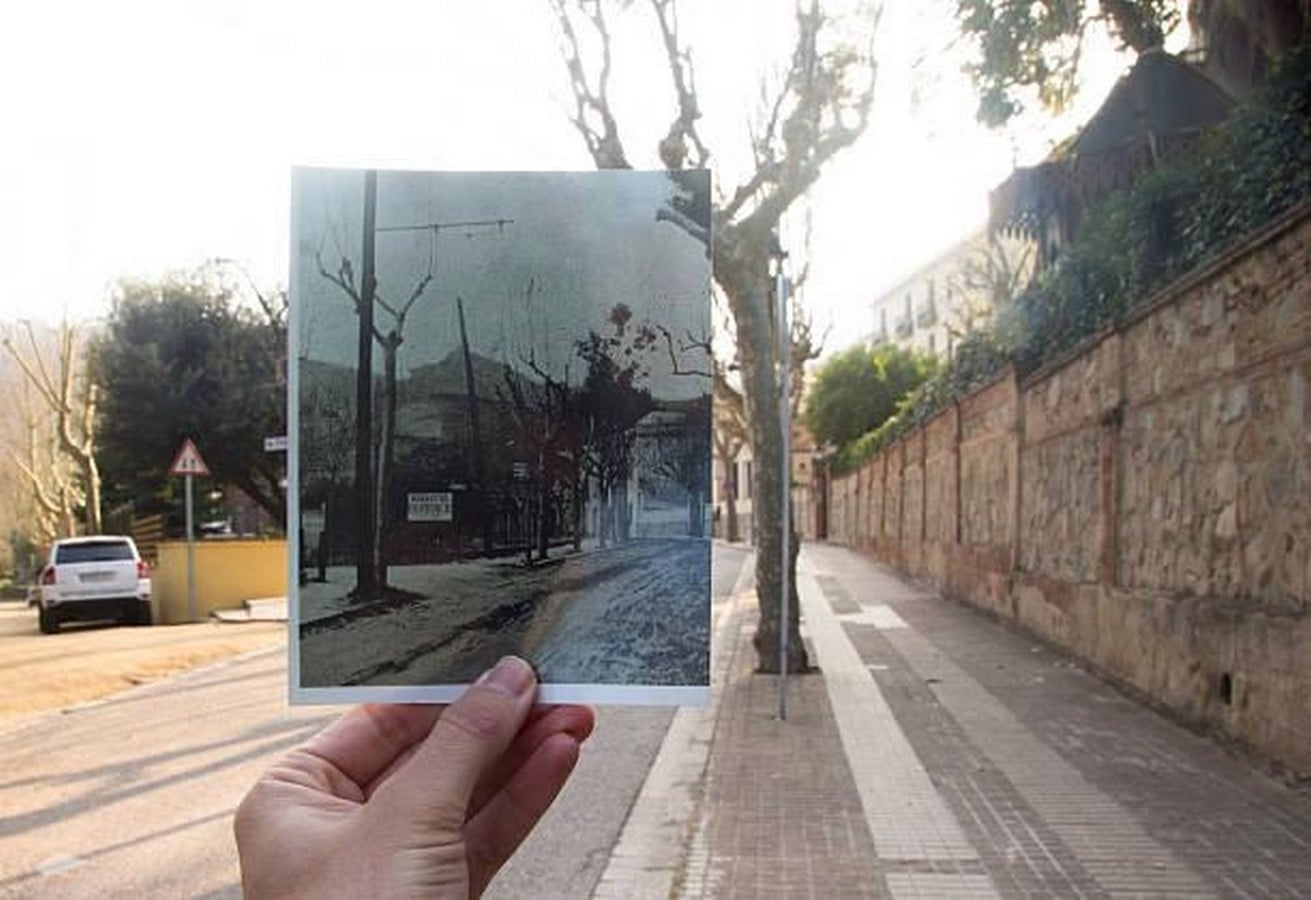

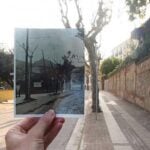
Walk through the narrow lanes and streets of an old town and this happens again and again. The sugary-scented air outside a sweet shop brings back something like childhood. The leathery smell of a cobbler’s shop makes you think of horses and the thrill of riding. A bakery smells like strength and warmth, representing its particular region. A pastry shop smells like comfort, like a softer kind of life lived. In a fishing town, the smell of salt and sand does something a photo never could. It gives you the sea’s actual weight, until the whole harbour starts to feel like something out of a lost city.
Helen Keller said she could recognize an old farmhouse not by how it looked but by its layers of smell left behind by the families who lived there. By plants, by fabric, by years, by time. As if the walls remembered and held onto the weight of every experience it witnessed. In The Notebooks of Malte Laurids Brigge, Rainer Maria Rilke wrote about a demolished house in Paris, how even the bare mark it left on the wall of the building next to it still held everything -from the smell of meals, of sickness, of sweat, of childhood and of old age. A house keeps a kind of memory that has nothing to do with how it looked.
Soundscapes
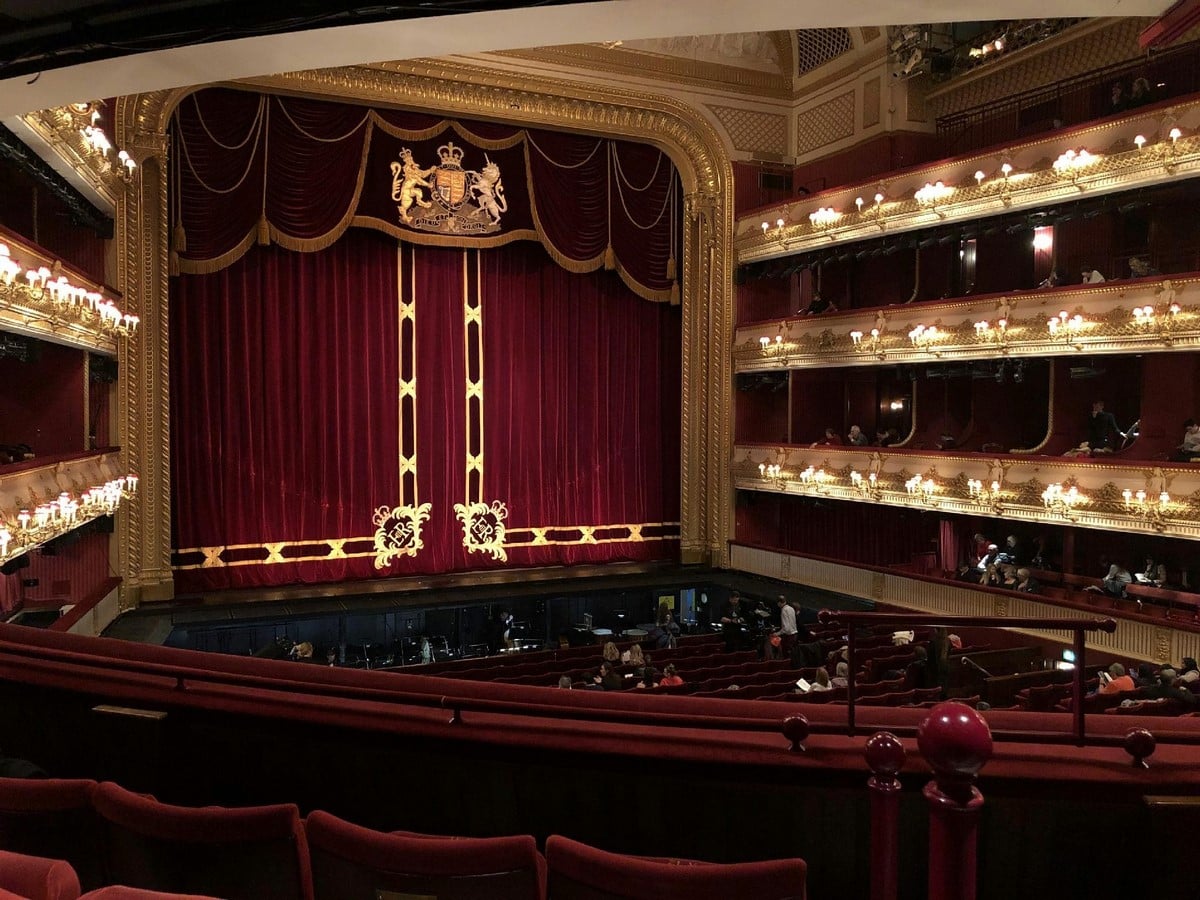
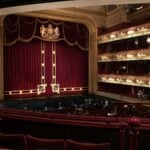
Sound does something just as physical to us. A building cannot look back, but it does give our own sounds back to us, wholly shaped by whatever it’s made of. Marble throws your footstep back sharp and loud. A library swallows that same footstep whole. An Opera Building stretches one note until it feels like it’s still hanging in the air long after the singer has stopped. Walking on the creaks of wooden flooring is used purposely to emphasize the feeling of connection to Mother Nature. None of this happens by accident. Every space is composed and designed with sound by the architect to fulfill the soul of the design.
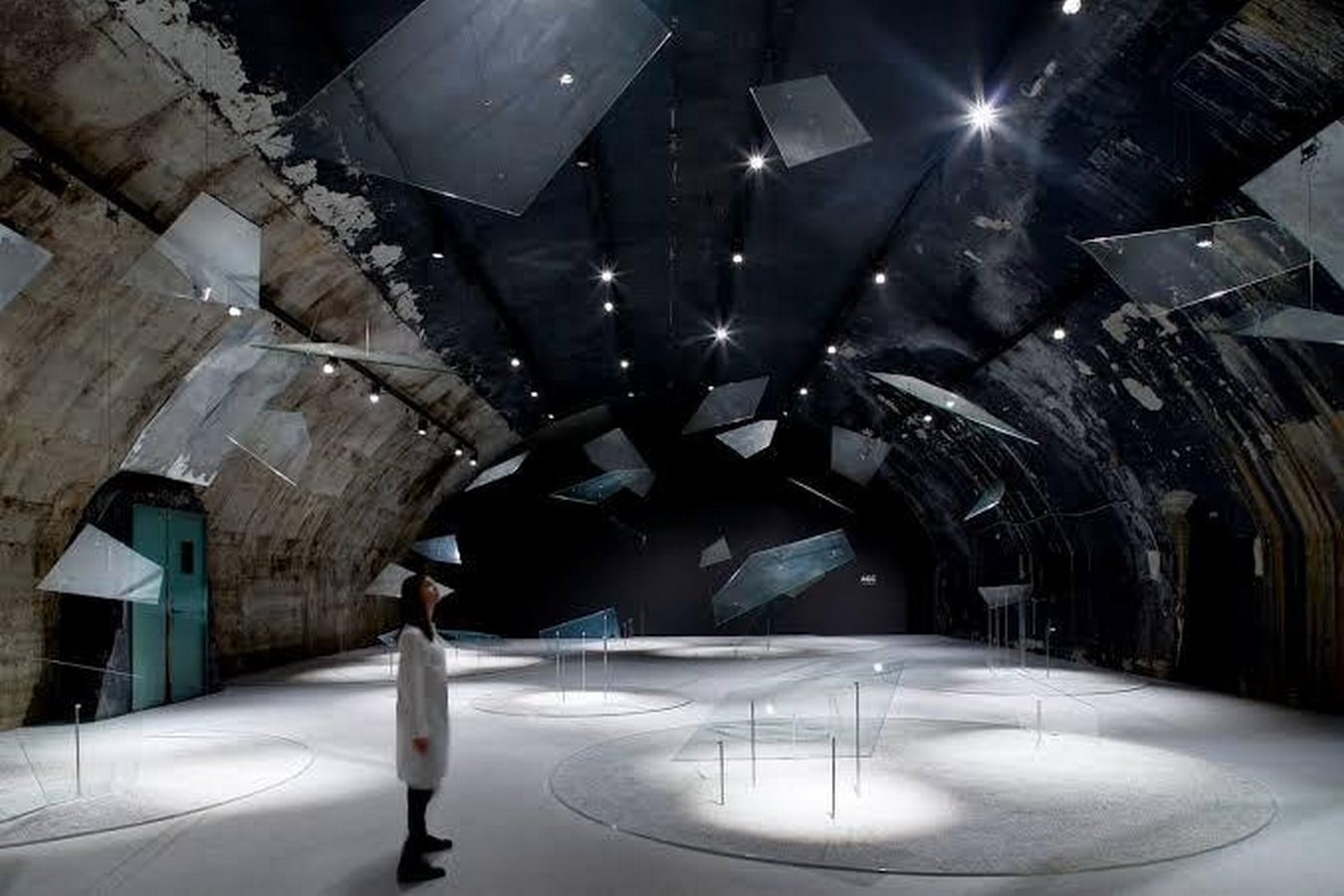
It is proven that great architecture has to address soundscapes and smellscapes simultaneously and fuse our image of self with our experience of the world. Architecture articulates the experiences of being-in-the-present and strengthens our sense of reality. It does not make us inhabit worlds of mere fabrication and fantasy. This is what designing beyond vision truly means. Not treating smell and sound as an afterthought, but understanding that they were part of the experience from the very first space designed. The nose makes the eyes remember. The sound makes the body react before the mind even knows why. A good architect already understands that walking into your grandma’s room years later and noticing her sound is missing, even though nothing looks different, is architecture doing its most honest work. The room looks the same. It doesn’t feel the same. And what’s missing was never something you could have photographed anyway.
References:
Nehra, R. (2026). Helen Keller. [online] Scribd. Available at: https://www.scribd.com/document/36603777/Helen-Keller [Accessed 3 Oct. 2026].
Pallasmaa, J. (1996). The Eyes of the Skin. Chichester Wiley.
Rainer Maria Rilke (2022). Notebooks Of Malte Laurids Brigge. S.L.: W W Norton.
Lupton, E. and Lipps, A. (2019). The Senses: Design Beyond Vision | Institute for Human Centered Design. [online] Humancentereddesign.org. Available at: https://humancentereddesign.org/inclusive-design/library/senses-design-beyond-vision [Accessed 3 Oct. 2026].