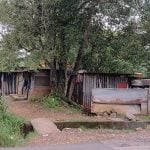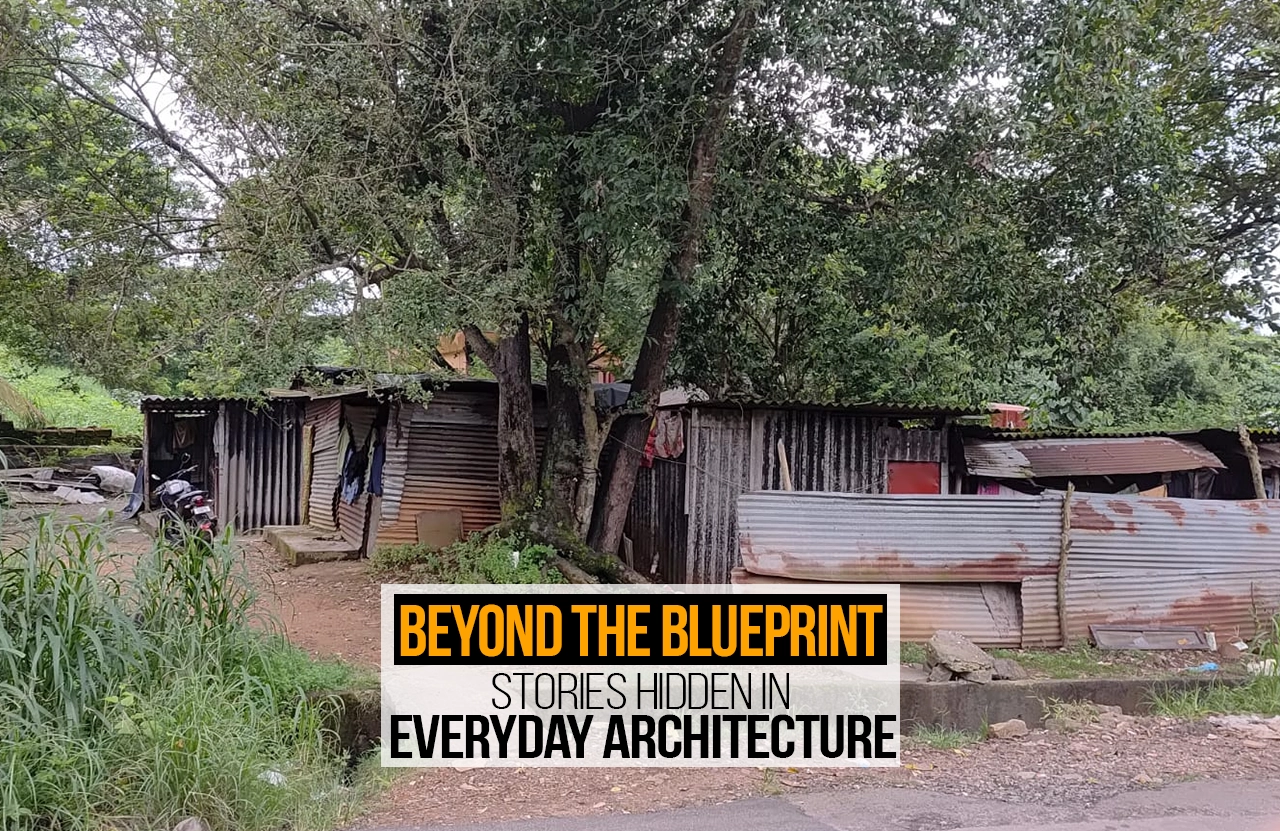
Tree of closeness: it’s the flat, corrugated iron roof welded onto the house to stop the water from leaking through in that one spot they knew about for years and nobody was ever able to repair. It was once a garage and then a living room front; this particular architecture is born out of necessity, has few rules and tells you more of a location’s story than a pre-planned structure built out of its vision. These constructions were created quickly, under duress, out of budget: they speak the true story with a certain honesty without aiming. When I first thought of architecture, I thought of museums, postcards and glossy magazines to which no one I knew ever referred. Of high domes, celebrated towers and buildings so distinguished, one carried them through the world like badges. Only in the many years of my then-dull everyday commute did I truly realise that architecture does have real meaning and a far more profound impact on our lived existence, but that it is not to be found in any of the above-mentioned places. It resides in the skewy step outside my grandmother’s kitchen or the unnecessarily confined passageway to the first flat I ever rented: this is the architecture I grew up with and have engaged with all my life without hearing what it had to say to me.
Buildings We Ceased To Notice
A curious thing that happens to buildings encountered on a daily basis: they tend to fade into the background. Our corner bakery, the water tower painted that exact shade of pale blue for two decades, the grille designs that have cropped up on every house on our street, the author of each, utterly oblivious to every other – these are so ever-present that they are not noticed when walked past, just as one would not notice one’s own face reflected in a shop window.
However, when viewed with the same sort of detailed attention as one would one’s closest loved one, one sees that buildings encountered every day are engaged in immense work. Each one offers information about who built them and the time, about what they could afford and what they feared, and about the objects they respected and what they felt pride in possessing. The deep veranda gives you insight into heat, into long afternoons and a family expecting guests and conversation. Each window barred to all its neighbours is telling you something about safety or a break-in from years ago which nobody ever speaks about anymore, but every architect designs around nevertheless.
As architecture, I began to realise that many of those ordinary buildings are effectively diaries: they were never consciously written or curated, yet they have nevertheless been inscribed with history through renovation after renovation, with cracks in rooms added hastily, with a particular staircase included here or a corner built to incorporate a particular person’s unique height, for instance.
A Stairwell Remembers
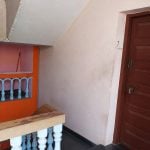
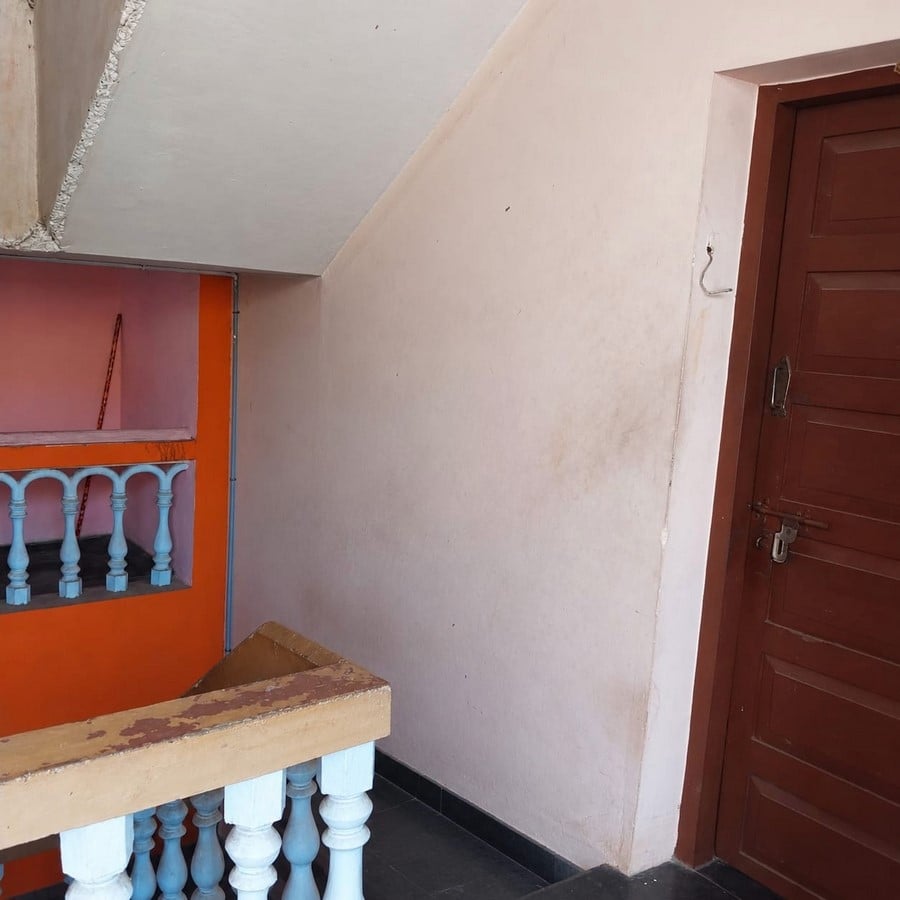
Since no one pays any attention to it, I have come to believe people should make a point to use stairways. My own house had a stairwell which curved in such an awkward, tight manner as required by the odd shape of the plot that the mason that built it 50 years ago made a peculiarity in addition to other demands; each time I enter its front hall and step onto those stairs, my body understands the particular motion involved before I consciously do – I wouldn’t quite label it nostalgia, as I have noted its more physical properties; its structure had informed my muscles of a way of navigating which still exists long after the individuals with whom I shared my life in that hallway are long gone.
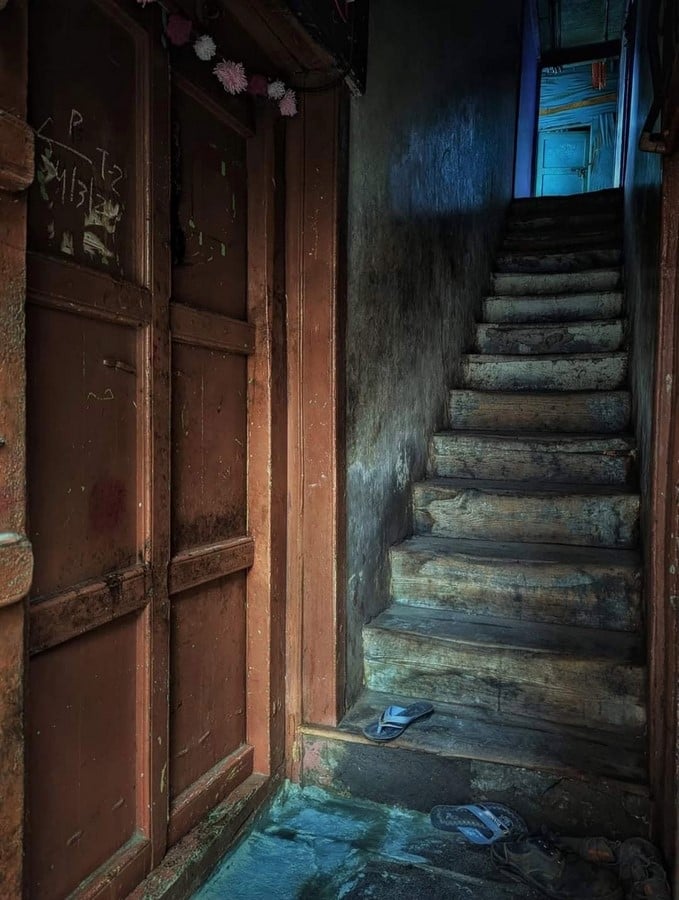
This is what I am referring to when I state that buildings carry meaning just as people do, and just as accents carry meanings of upbringing or regional context do: one never chose how one remembered the doorway one bent down for at six feet high for two decades, or one never chose the specific elevation one would always stub one’s toe against, though after two decades of constant navigation, it became part of you and informed how you navigated the rest of your existence even when you had departed the place. This has nothing to do with taste; whether we do or do not seem to immediately recognise architecture is wholly dependent upon its ease of physical adaptation by the human body and how the tiny, nonornamental qualities – such as a step in the corridor being this height and not another, a low beam the other – seem if they were placed there for me.
The Architecture Of Making Do
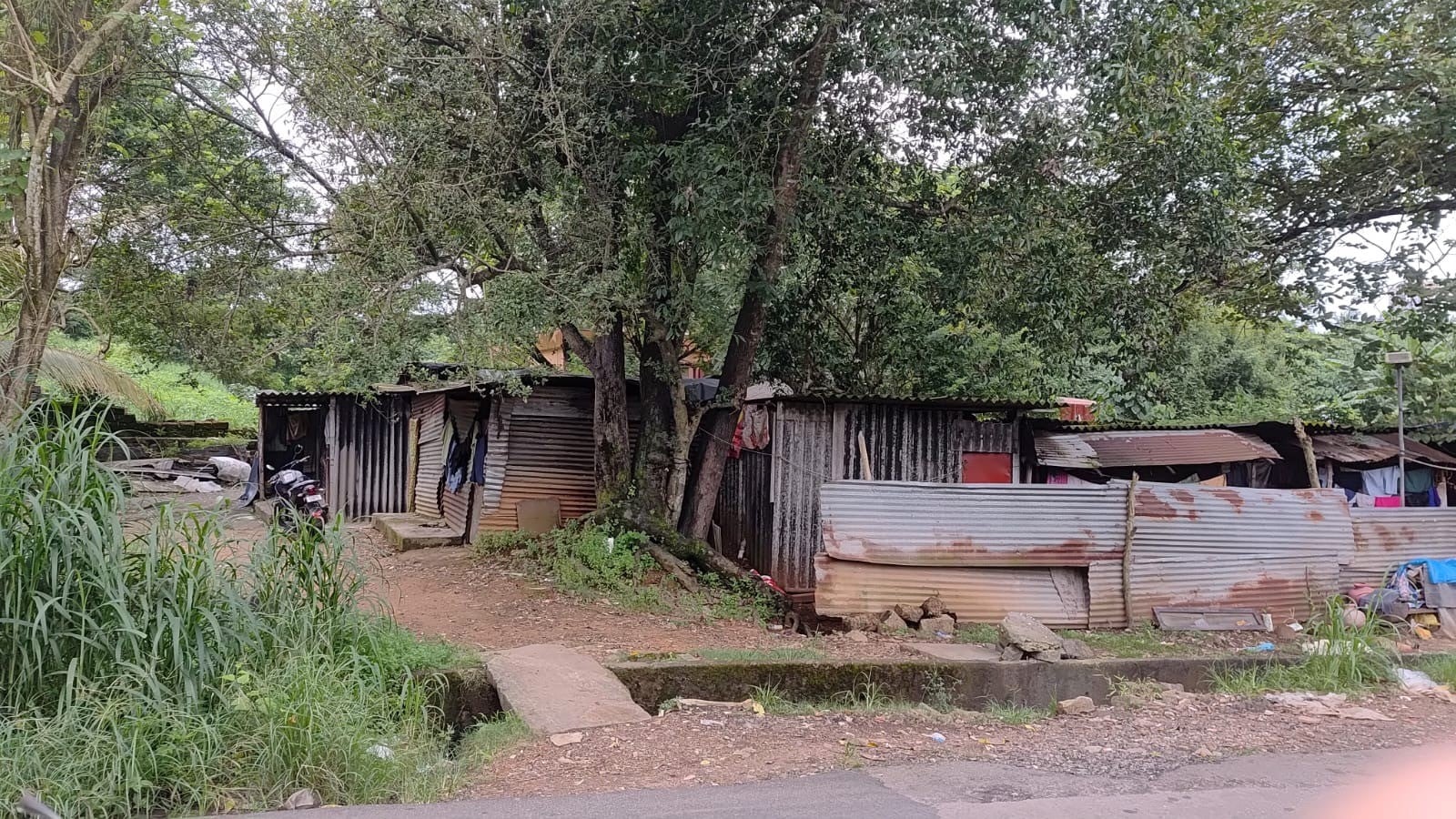
The architecture I admire most is unplanned and never intended; that is the extension one built when his sons started coming home, and it was impossible to go through life enduring that deg for display, a statement, as it were, focused purely on reducing leakage in a room and on finally getting the door shut as tight as required before continuing to the next problem. I find myself, at times while passing through existing urban areas, investigating these additions with the enthusiasm with which one would study a note scribbled at the back of one’s favourite book; someone had been there, someone had wanted something, and somebody had done something.
Why This Matters More Than The Monuments
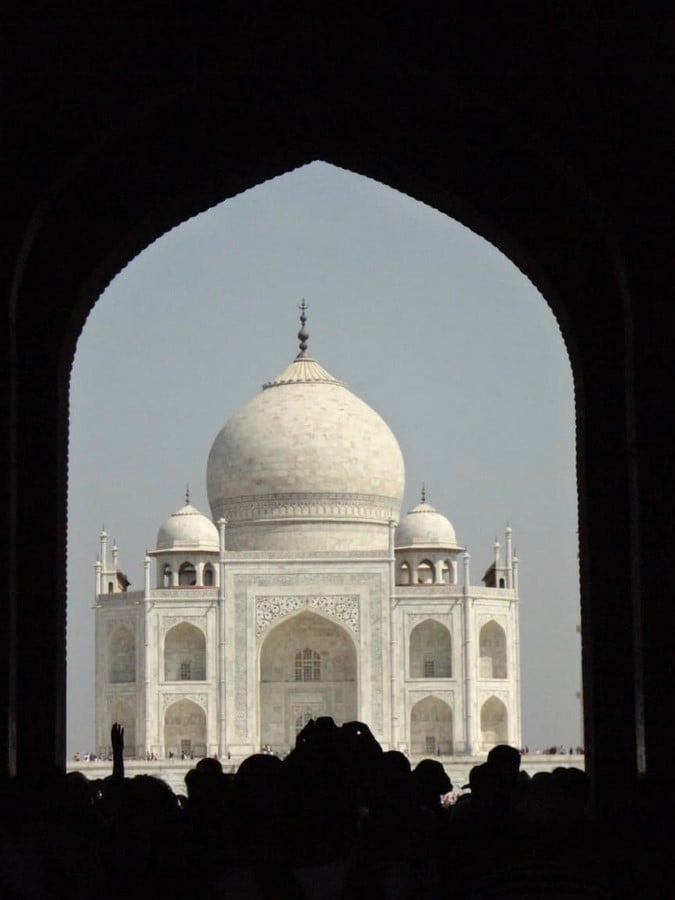
I do not advocate for a complete deconstruction of monument architecture; grand buildings are, of course, important as architecture, and they are built as they are built intentionally so that someone’s story is remembered forever after, and they embody that desired memory above all else. Ordinary architecture doesn’t have that particular benefit or that burden. It merely enshrines the truth, however aesthetically unflattering; wherever you were standing the one time, wherever somebody had put their needs and ideas before anyone else’s: When I stroll through neighbourhoods now, I seek to explore them by foot, moving in closer to one than a tourist at a famous building with his head bowed upward and sideways until he sees something to get his attention, with the result of all that moving: the uneven brick wall separating me from the remainder of the city and the window with its front part-wall and the window painted countless times, so many in fact that the hinged pane no longer aligns as intended; none have been given the honour of being called beautiful, and neither is intended to be monument-worthy, but all of them hold that unique type of truth which no monument ever successfully has. The architectural facts I continue to discover beyond each blueprint are not design per se, but human evidence of cooperation, accommodation and construction at its most fundamental – a testament to life, for I believe that to be the only architecture I really want to meet and not to perform.
References:
- John May. Buildings without Architects: A Global Guide to Everyday Architecture. Rizzoli, 2010 [Accessed: 10 September 2026].
- Thomas Carter and Elizabeth Collins Cromley. Invitation to Vernacular Architecture: A Guide to the Study of Ordinary Buildings and Landscapes. University of Tennessee Press, 2005 [Accessed: 10 September 2026].