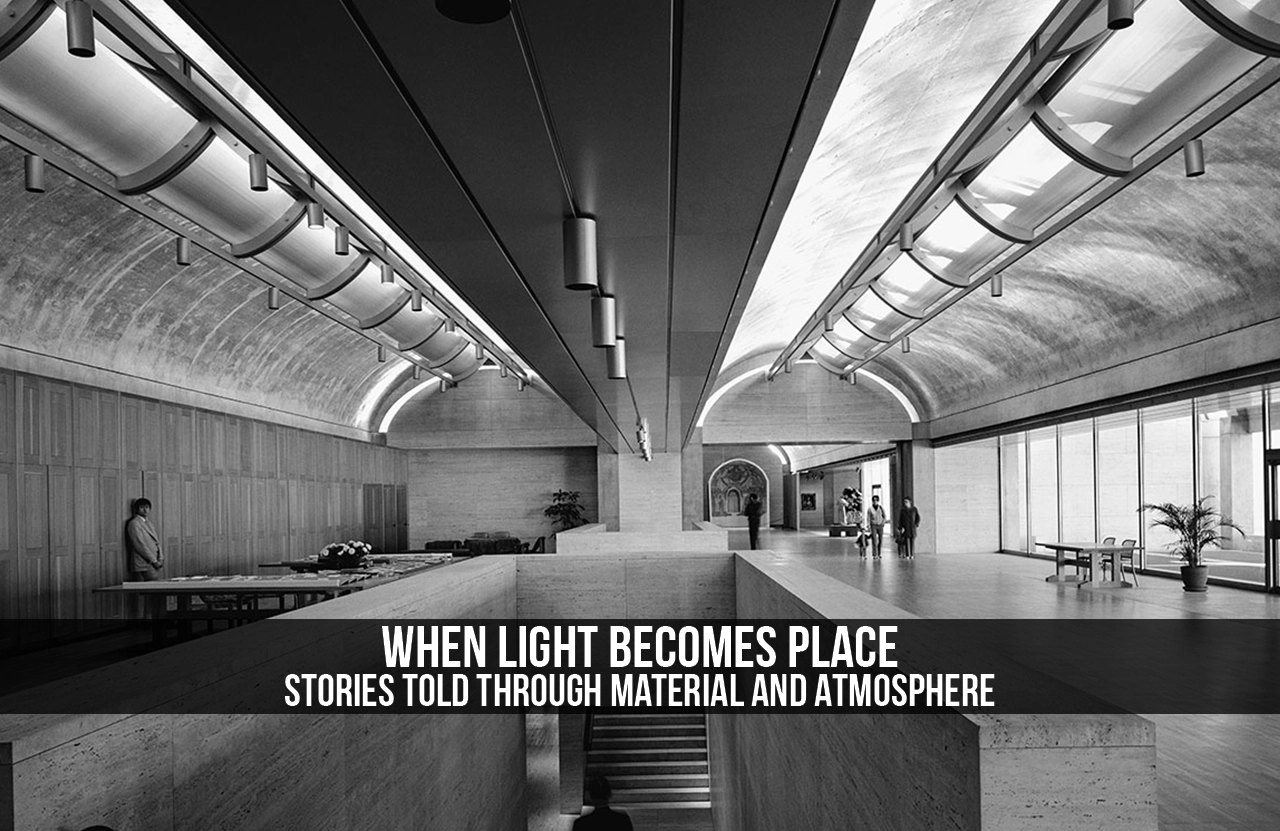
Architecture beyond What We See
Architecture is not often remembered for its volumes, plans, or systems, but for the feelings it engenders. We may forget the square footage, but we recall the glow of the morning sun streaming through the window, the rhythmic tap-tapping of the corridor, or the coolness of the stone wall. What it means is that aside from experiencing a building through its physical form, we experience it too through atmosphere.
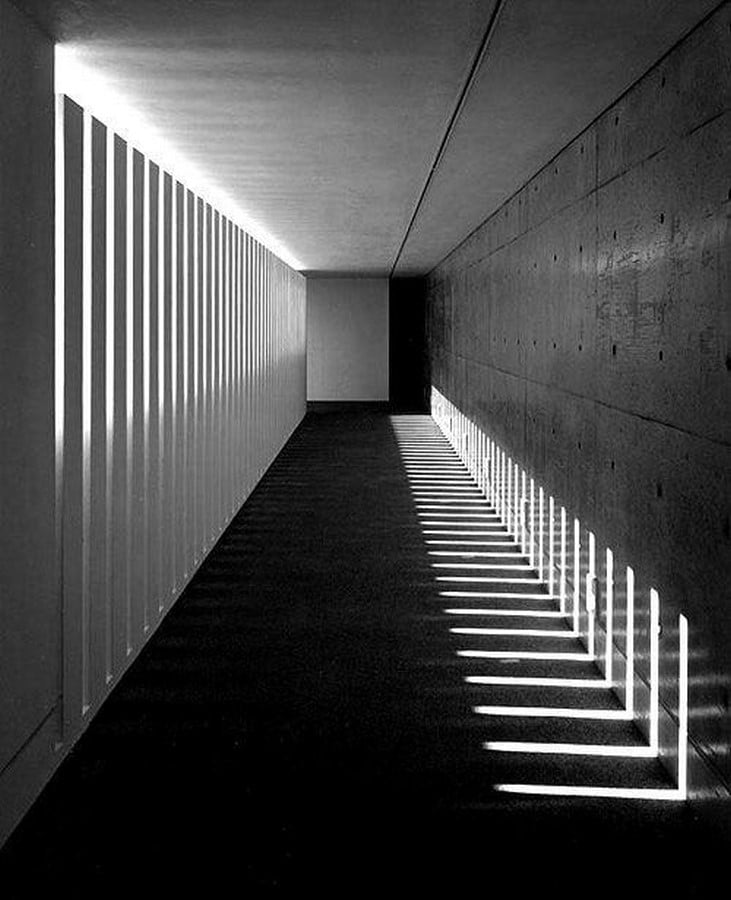
Light, material, texture, colour, and sound contribute towards this atmosphere that makes a building memorable. It is interesting to note the relationship between light and materials in this regard. In fact, light becomes one of the materials used for architecture.
Architecture’s quality is said to be linked to its ability to “move” us: something Zumthor calls atmosphere (see: ‘atmosphere’ in the architecture dictionary). For him, it is not an afterthought, but a key aspect of how architecture is experienced.
Light as a Material of Time
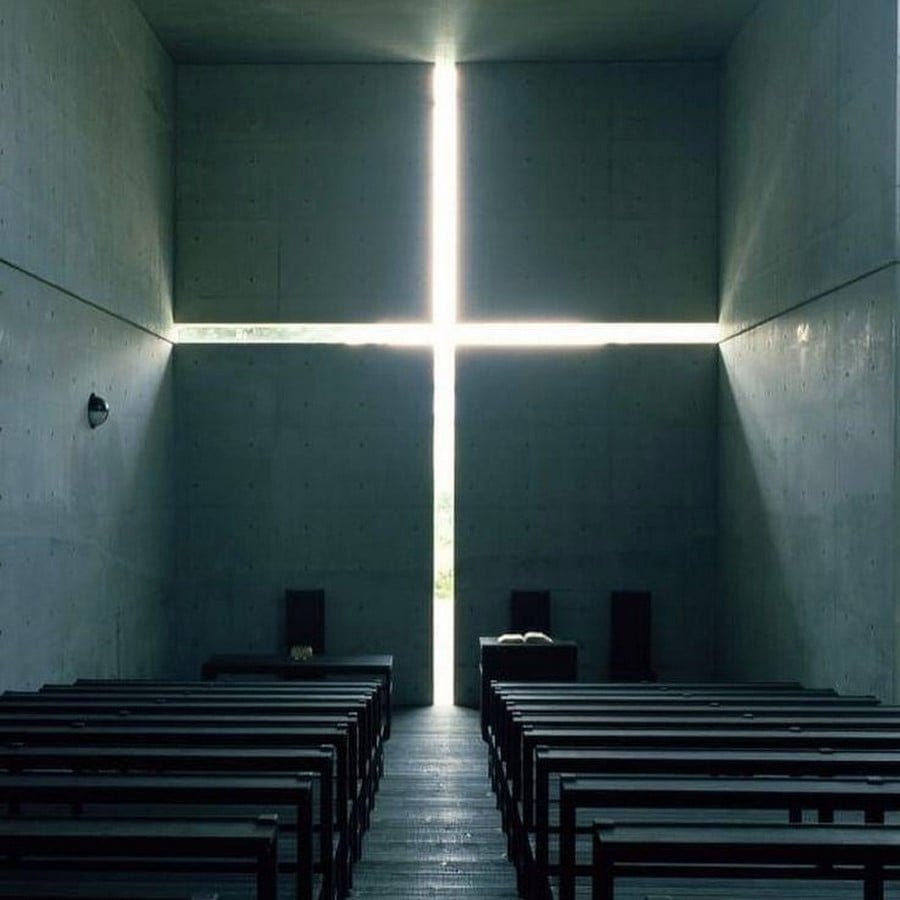
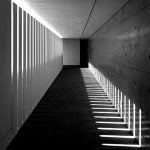
While the other materials used in architecture remain constant, light is the only material that is always changing. Its quality varies constantly based on the time of the day and its position in relation to the sun (and consequently, the observer). Light can transform the feel of a room from bright and happy to moody and introspective. A small opening can create the impression of a moving stripe of light across the floor, marking the passage of time.
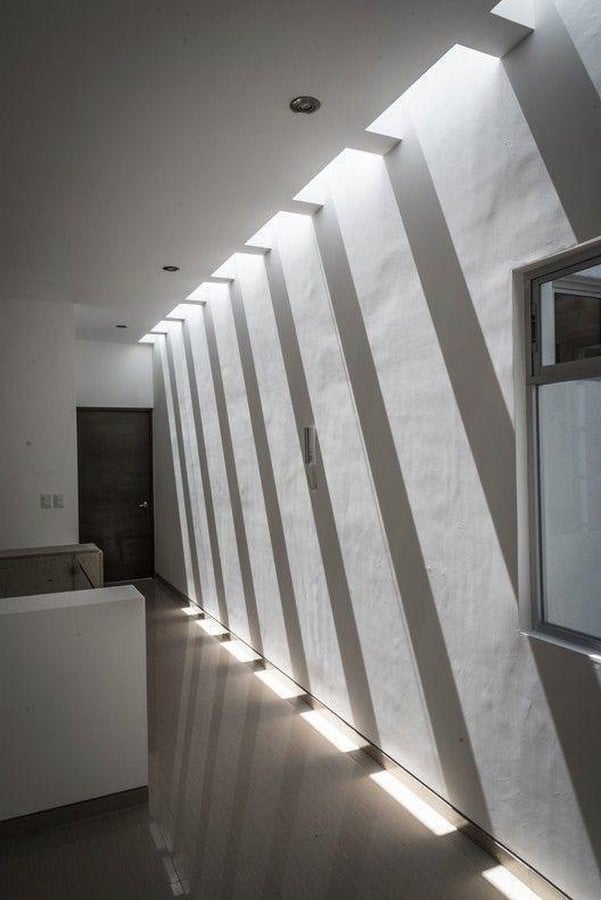
It is through this changing nature that light gives the quality of temporality to architecture. Take an ordinary-looking window: while its main function may be to allow natural light and ventilate the room, it can also define a view; create intricate patterns of shadow and light; and connect the inside with the outside.
Tadao Ando puts it aptly: “…in all my works light is an important controlling factor.”
It is important to note that for him, it is not a factor that is controlled after the architecture is constructed: it is a factor that is incorporated right at the design stage. He demonstrates how an opening, a wall, or a corridor can create a choreography of sunlight and shadow.
When Light Meets Material
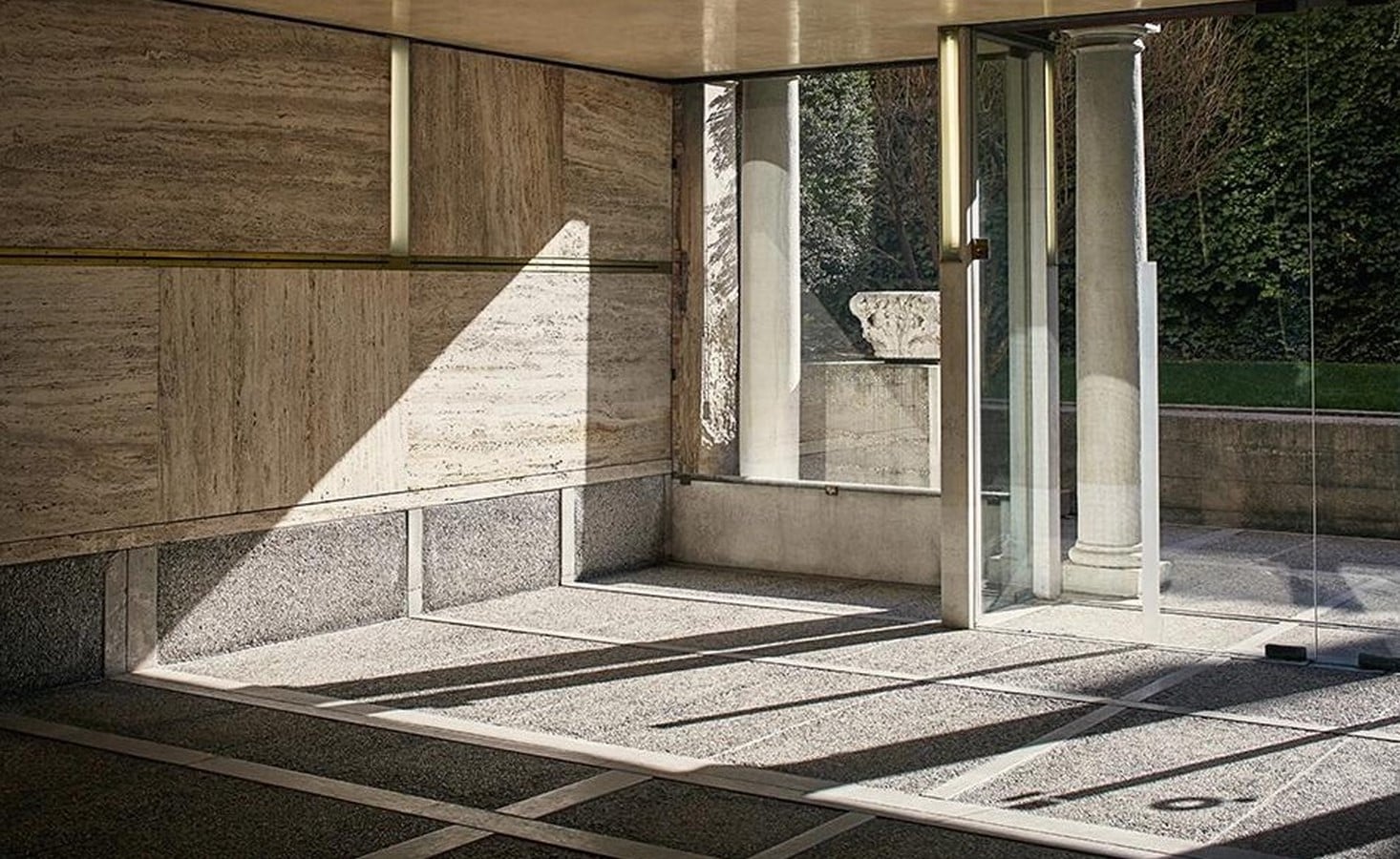
But light is a material that can only reveal another material. Sunlight on polished stone would have a different effect than sunlight on rough concrete or timber. In fact, the material is something light uses to reveal its qualities. This is an interesting observation made by Louis Kahn, who said that “light is the giver of all presences” and that material was its “spent Light.”
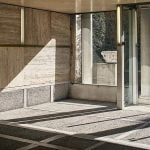
The idea is that material does not simply occupy a space; it receives and reflects light, transforming it. It is the ability of concrete to soften when indirectly lit, or of stone to show its texture under grazing light, or of timber to warm up under the sun, that makes the material inseparable from the quality of the space.
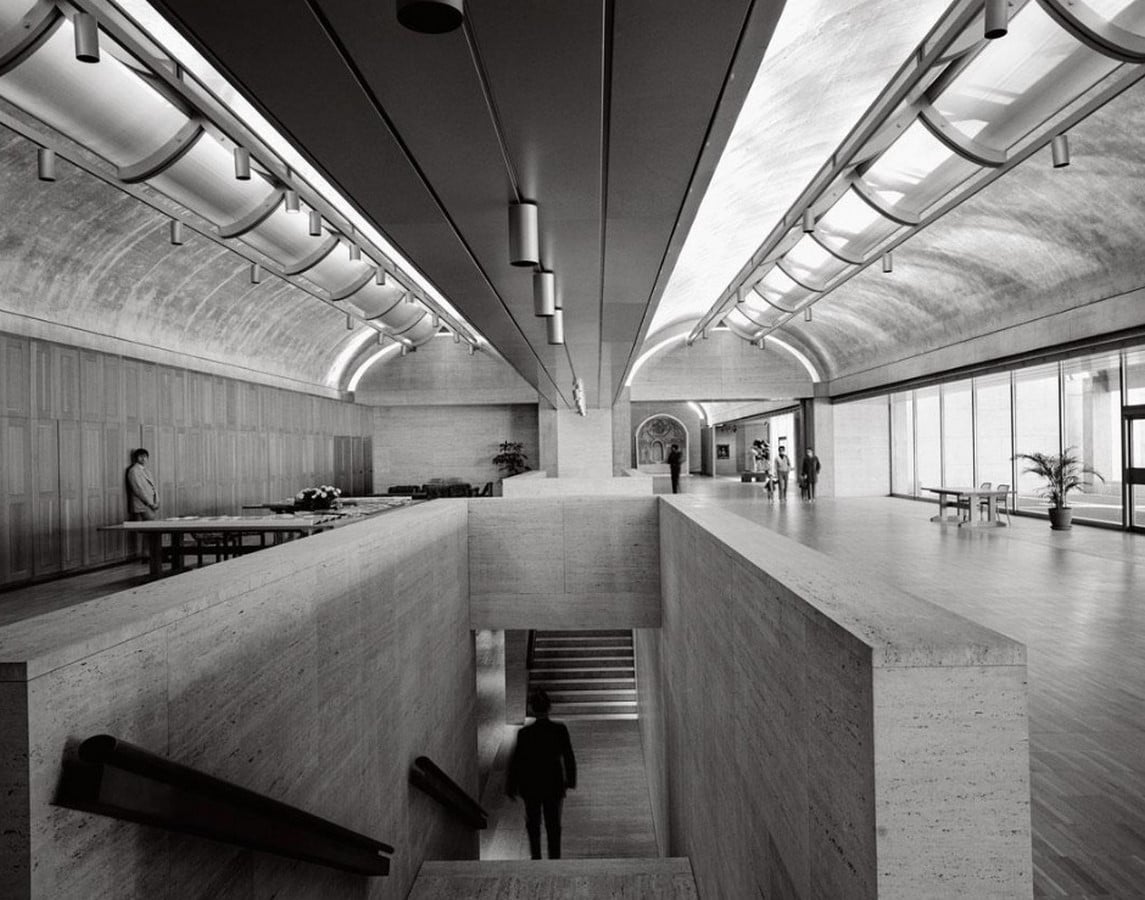
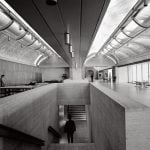
We see this in Kahn’s Kimbell Art Museum, where the concrete and travertine walls interact beautifully with the changing daylight to create an entirely unique spatial experience at any given time of the day.
Texture: The Architecture We Almost Touch
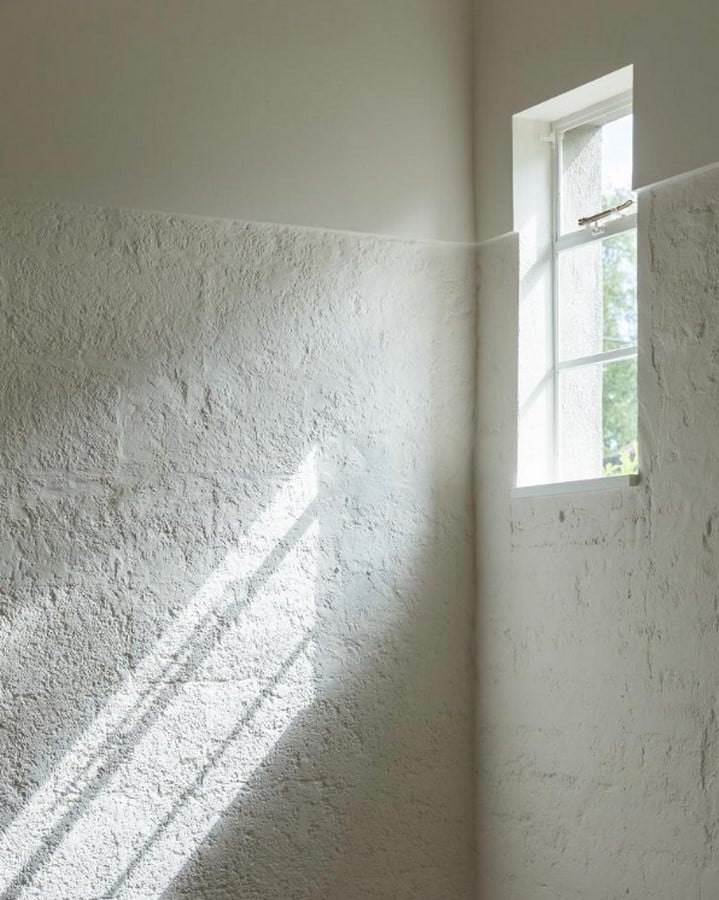
The architecture we experience is not only visual. We may never run our hands over the rough bricks or the uneven handmade plaster, but we often imagine what it would be like.
Light helps us experience this too: imagine how the low afternoon sun accentuates the bumps on a rough wall, creating a constantly changing display of highlights and shadows. Texture becomes a way for us to almost touch the material. It adds another dimension of experience to the space, and the wall becomes more than a boundary or a backdrop.
Light also transforms the texture of the surface depending on the direction from which it approaches the surface. This is why the same piece of timber looks different when placed horizontally as vertically. Similarly, the same concrete block appears rougher when approached from an angle than when seen directly.
Colour and the Emotional Temperature of the Space
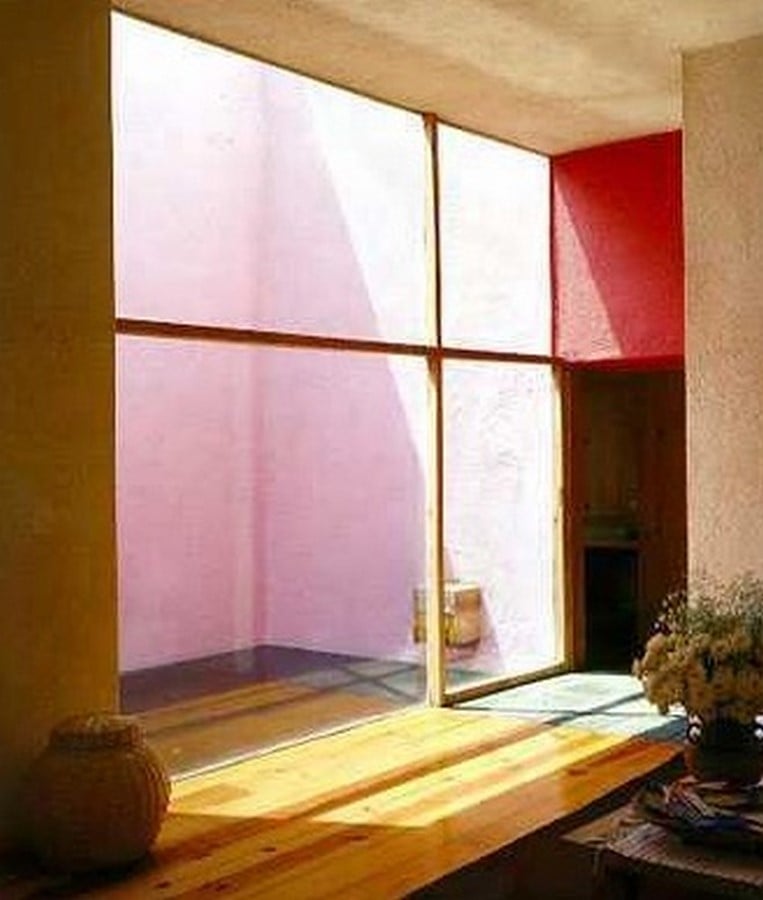
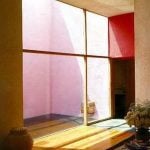
In much the same way, colour influences the emotional temperature of the space. But again, this is not an independent factor because it interacts too with light. The same white wall looks completely different under cool artificial light than it does under warm yellow incandescent bulbs. Earthy material under the afternoon sun looks grounded and warm – but under artificial light, it looks cold and uninviting. Hence, material and colour choices are actually decisions about how the space would interact with light.
Steven Holl similarly thinks of light as more than just a design consideration. He has described his favourite material as being “light”, and related light to architecture’s connection with “spiritual material” and its association with “light, space, and form.”
The Sound of the Space
As much as atmosphere is made of the visual elements mentioned above, sound plays an equally important role in defining a place’s character. Every space has its own sound: a cathedral swells with every footfall and whisper; a library absorbs every noise; a narrow corridor reverberates; and a garden muffles sounds as it stretches out into the horizon.
These qualities have an effect on us: some make us chatter; some make us ponder; some make us feel like we’re part of a larger entity; and some make us feel isolated despite being surrounded by people. Sound can also be attached to memory: the ceiling fan in our childhood bedroom, the patter of the rain on the metal roof, the tap-tapping of the corridor outside, or the distant honking of a car outside our window.
In this way, architecture also creates soundscapes.
From Space to Place
Perhaps the most interesting thing about atmosphere is its ability to transform an ordinary space into a meaningful place. A typical kitchen may not be something monumental, but it could have seen the generations of a family growing up, engaging in endless arguments or sharing life’s joys and sorrows. A simple balcony may have its place in observing the rain, and a staircase may have been the last thing somebody saw as they left their house.
In fact, place is distinguished from space by the fact that place has people in it who create meaning out of the physical framework that is provided by space. Architecture provides this framework, but it is occupation that gives it life and personality.
Designing What People Remember
For architects then, the question is perhaps not so much as to what this space should look like, but what should someone remember about this place?
It could be something as simple as a shaft of sunlight piercing through a narrow opening; or the warmth of timber under one’s hand; or the smell of the earth after the rain; or the silence of the room shaded from the sun; or the echo in a cavernous hall; or the quietness of a shaded room. All of these can be very significant to a person’s recollection of an architectural space. This is what makes these elements inseparable from the fabric of architecture. At any given time, we are experiencing light, material, sound, colour, texture, scale, movement, and time.
When Space Becomes Place
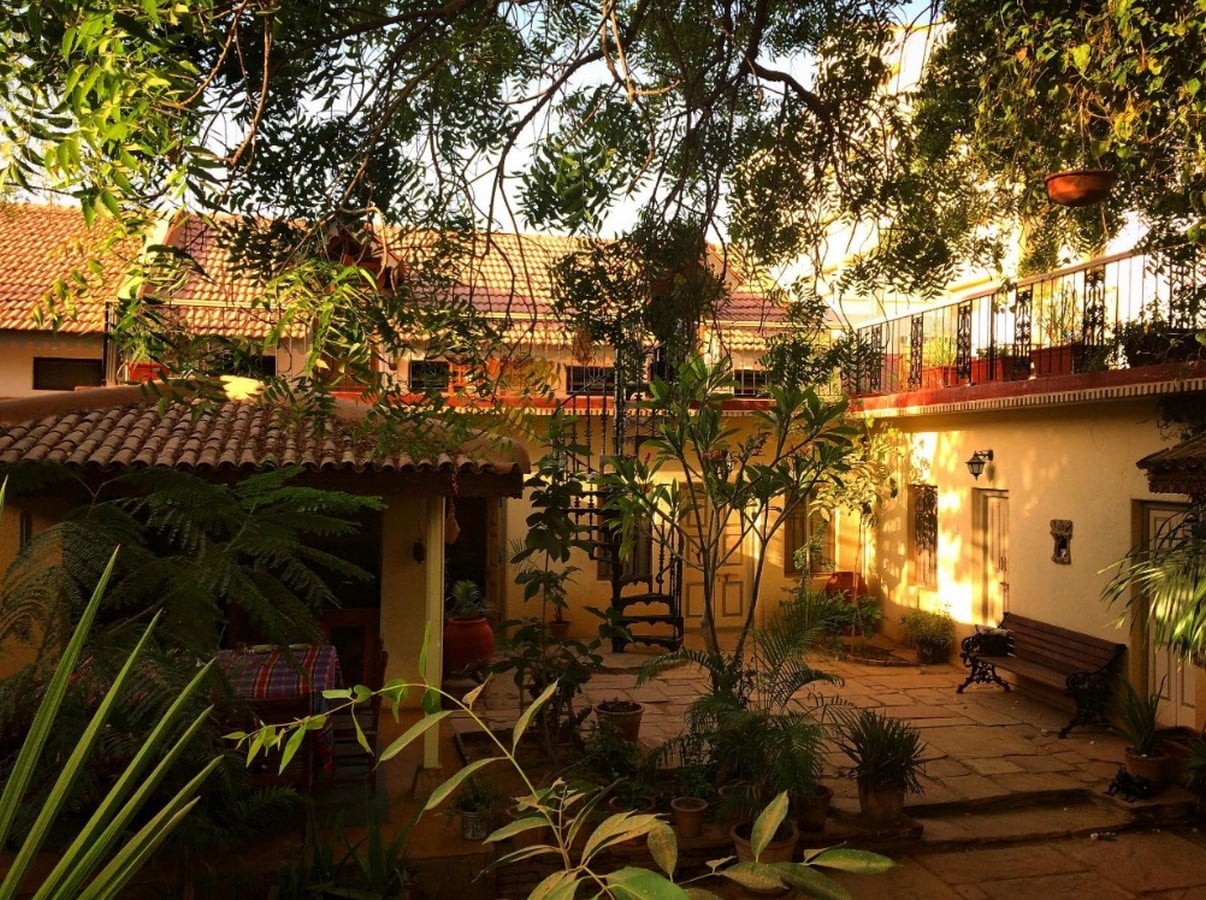
Architecture becomes interesting when it transcends the physical realm and reaches into the domain of human experience and memory. Light reveals material, and material creates texture, and texture invites touch, and colour sets the emotional tone, and sound defines the spatial characteristics, and time continues to transform all of these.
It is this combination of qualities that creates an atmosphere capable of evoking emotions and memories. The most interesting spaces are those that we do not notice for their qualities as space, but which subsequently become memorable places in our lives. We remember them for the things that happened there; or for the people that were there; or for the atmosphere that made us feel a certain way. After all, it’s not the place that changes lives – it’s the atmosphere that it creates.