Cities are often organised around movement, productivity and constant activity, leaving little room for the slower processes of observing, experimenting and simply staying with an idea.
And yet, these slower processes actively shape how people create, connect and understand the places they inhabit.
Artist residencies are emblematic of such environments, offering artists time, space and resources to live, work, research and exchange, away from immediate production pressures.
Yet some residencies are becoming more than temporary spaces for creative practice.
Across cities, residencies are reusing overlooked buildings, activating neglected neighbourhoods, creating cultural networks and supporting local livelihoods.
In doing so, they begin to function as cultural infrastructures – shaping public life and cultural production beyond the boundaries of the residency itself.
From Patrons to Platforms
Artist residencies have evolved from relatively specialised forms of artistic patronage into diverse spaces for creative practice, research and exchange.
The concept has roots in older traditions of artistic patronage, when wealthy patrons such as the Medici in Italy supported artists by providing the resources and environments in which creative work could develop.
Early state-supported models such as the Prix de Rome, established in 1674, formalised this relationship by giving selected artists extended periods of study in Rome, solidifying the residency’s role as a means of artistic training and professional advancement.
By the 19th century, artist colonies connected creative practice with landscape, shared living and observation, while movements associated with the Bauhaus (1919) and Black Mountain College (1933) further linked art with education, design and collective production.
Today, Artist Residencies comprise programmes for artists across various disciplines and stages of practice – from visual artists, painters and sculptors to writers, photographers, musicians, composers and performers – offering diverse combinations of accommodation, studios, technical resources, mentorship and time for focused inquiry.
Across these forms, the residency has remained tied to a place and its conditions – an idea that becomes increasingly significant as cities begin to recognise cultural production as part of urban life.
Leaving the Retreat Behind
The contemporary artist residency is increasingly becoming less a retreat from the city and more a way of entering into it.
While some continue to offer artists distance from urban pressures, others place artistic practice within the social, cultural and political conditions of everyday life.
This shift matters because an artist residency can do much more than simply host artists and provide a setting for creative work.
Residencies are being increasingly curated around specific contexts, themes and objectives, bringing artists into sustained engagement with places and communities while supporting their artistic development. In doing so, they unlock the potential to draw people into overlooked places, connect artists with residents and researchers, build cultural networks, circulate local knowledge and create new forms of public participation.
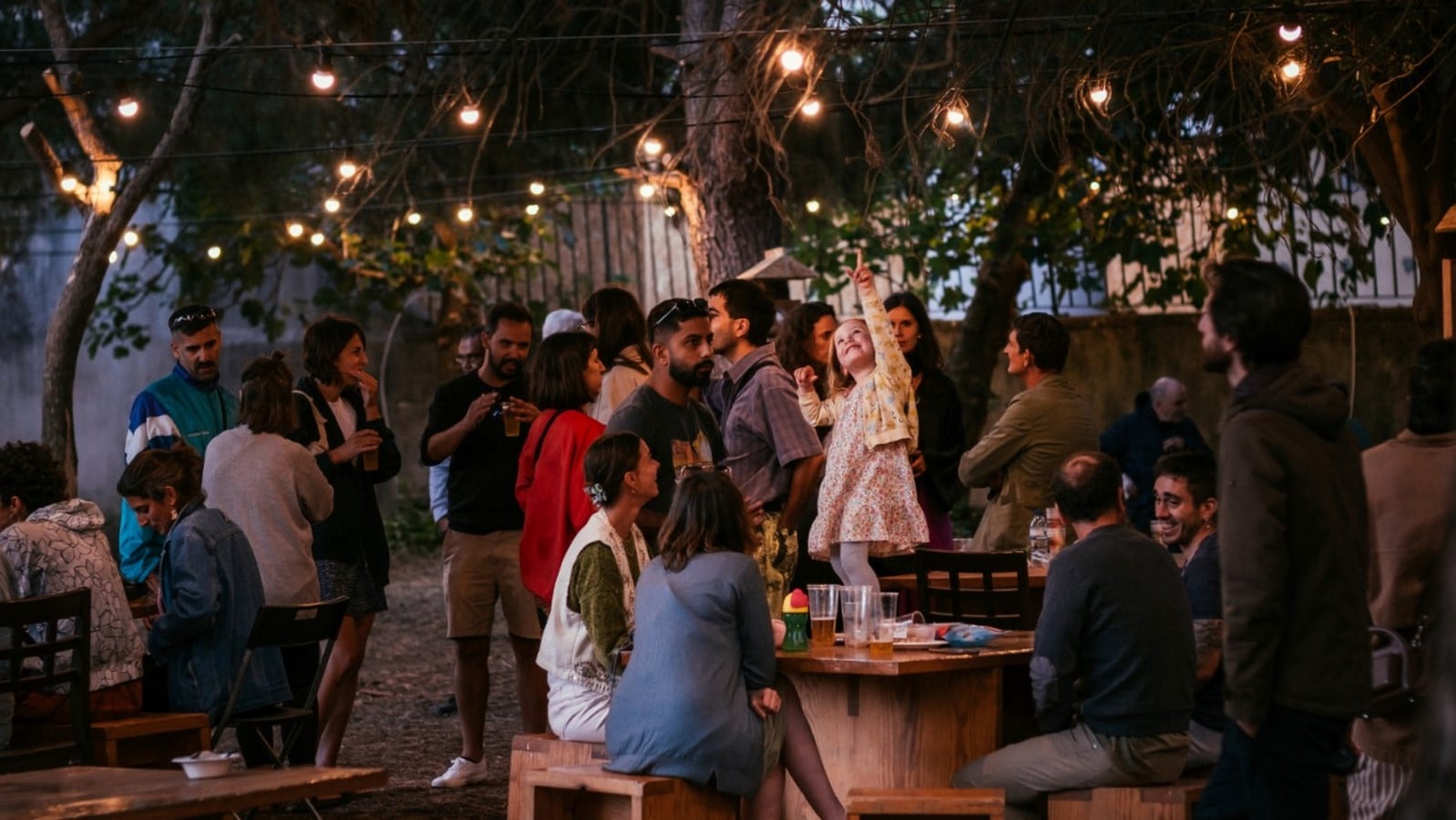
The 2016-17 Cambridge Artistic Residency in São Paulo offers a telling example of this shift.
Set within the occupied former Hotel Cambridge, a vacant building that had been transformed into social housing for more than 100 families, its year-long programme brought artists, researchers and activists into an existing landscape of housing struggle, cultural activity and community organising.
The case demonstrates how building reuse can intersect with cultural and social action, allowing an overlooked structure to acquire renewed civic purpose.
Here, art was not an intervention imposed upon the neighbourhood but part of an evolving social process – suggesting how residencies can move from occupying urban spaces to becoming embedded within them.
Art Gets Around
A residency’s influence can extend beyond the place it occupies through the relationships it sets in motion.
Artist Residencies can bring global artists into dialogue with residents, researchers, craftspeople, educators and institutions, allowing knowledge and perspectives to circulate between local and wider cultural networks.
This exchange can also make art more accessible: exhibitions, workshops, performances and informal encounters bring artistic practice into everyday settings, introducing different age groups and audiences to ways of seeing, questioning and interpreting their surroundings.
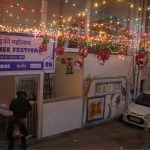
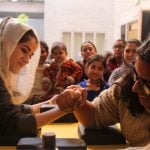
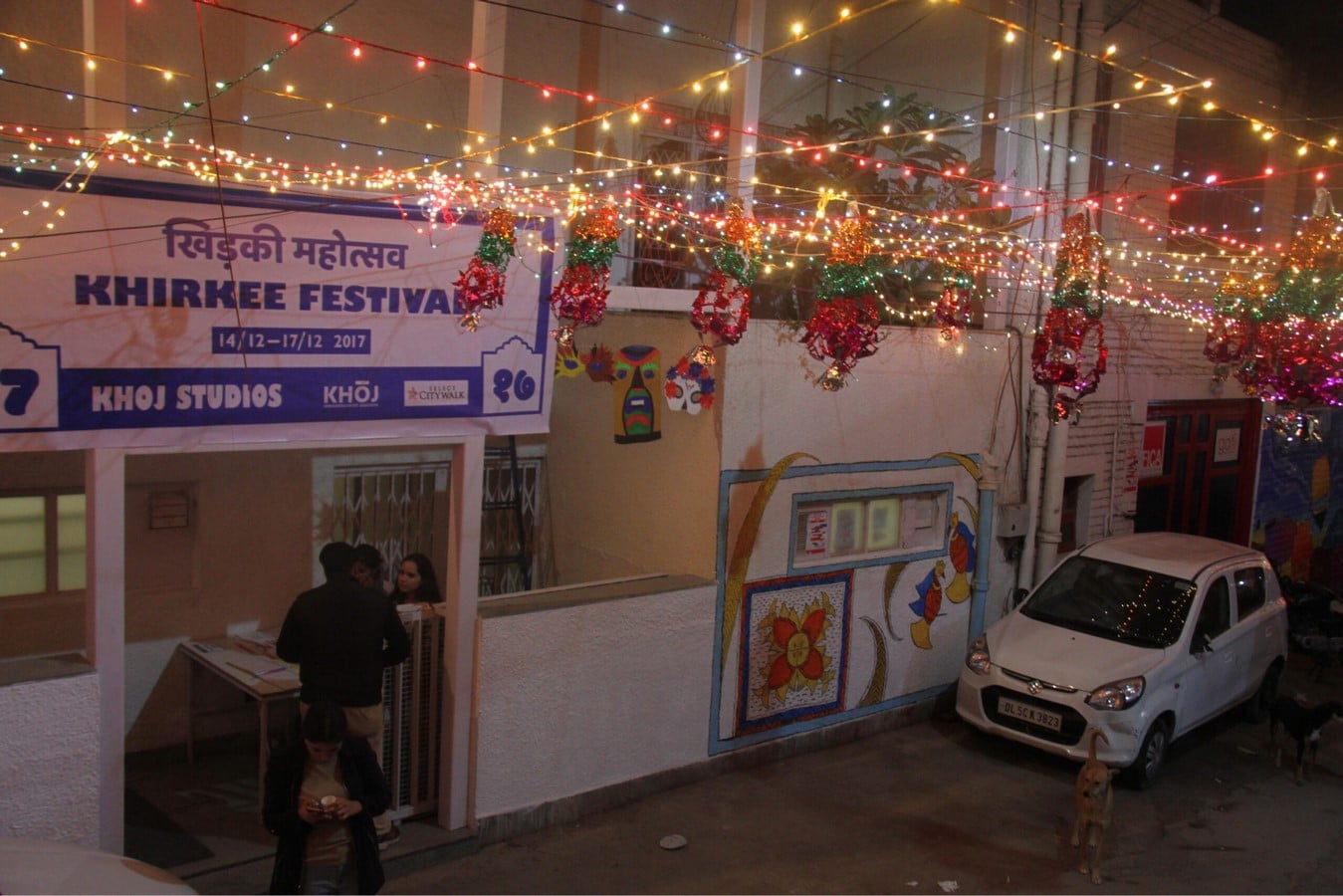
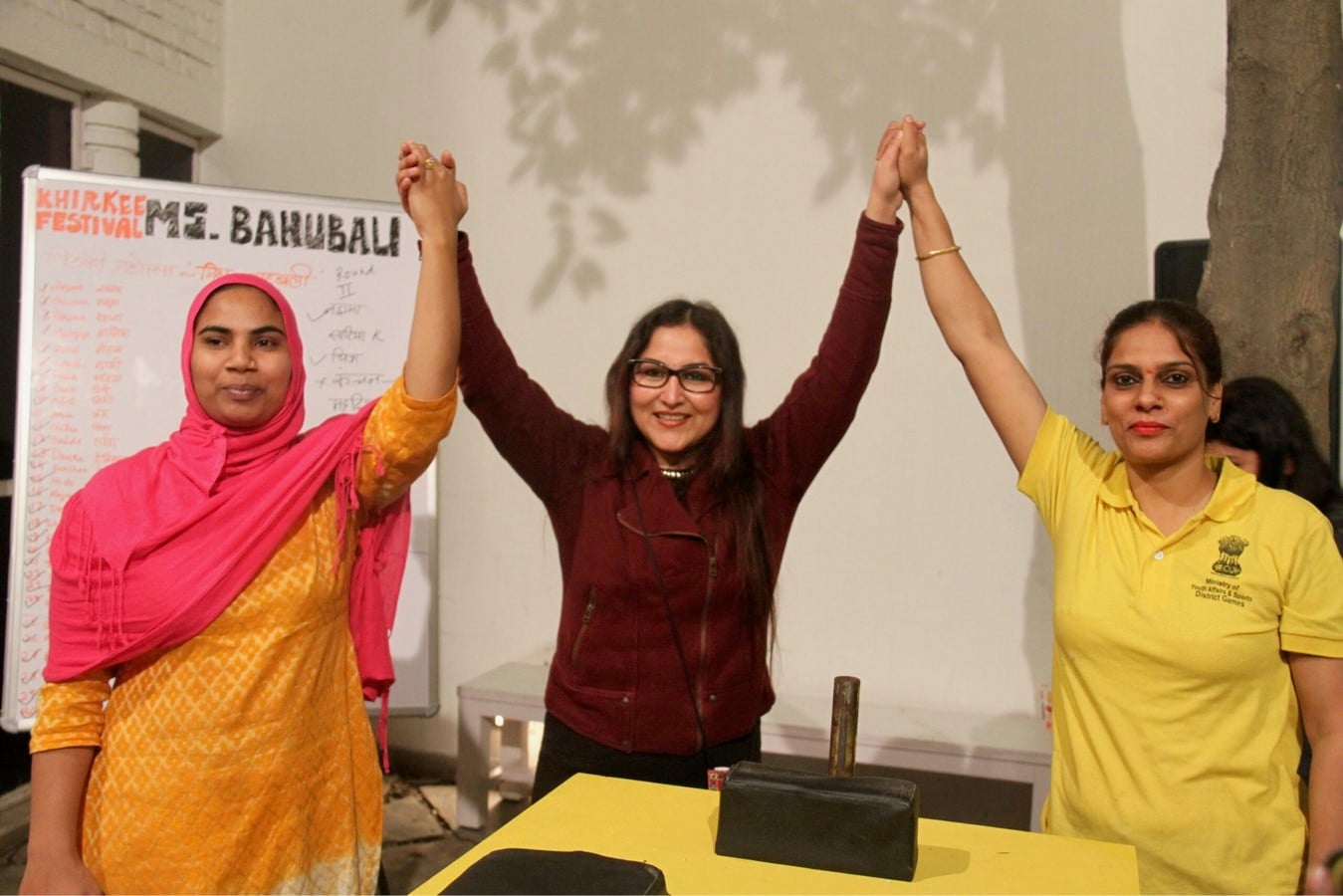
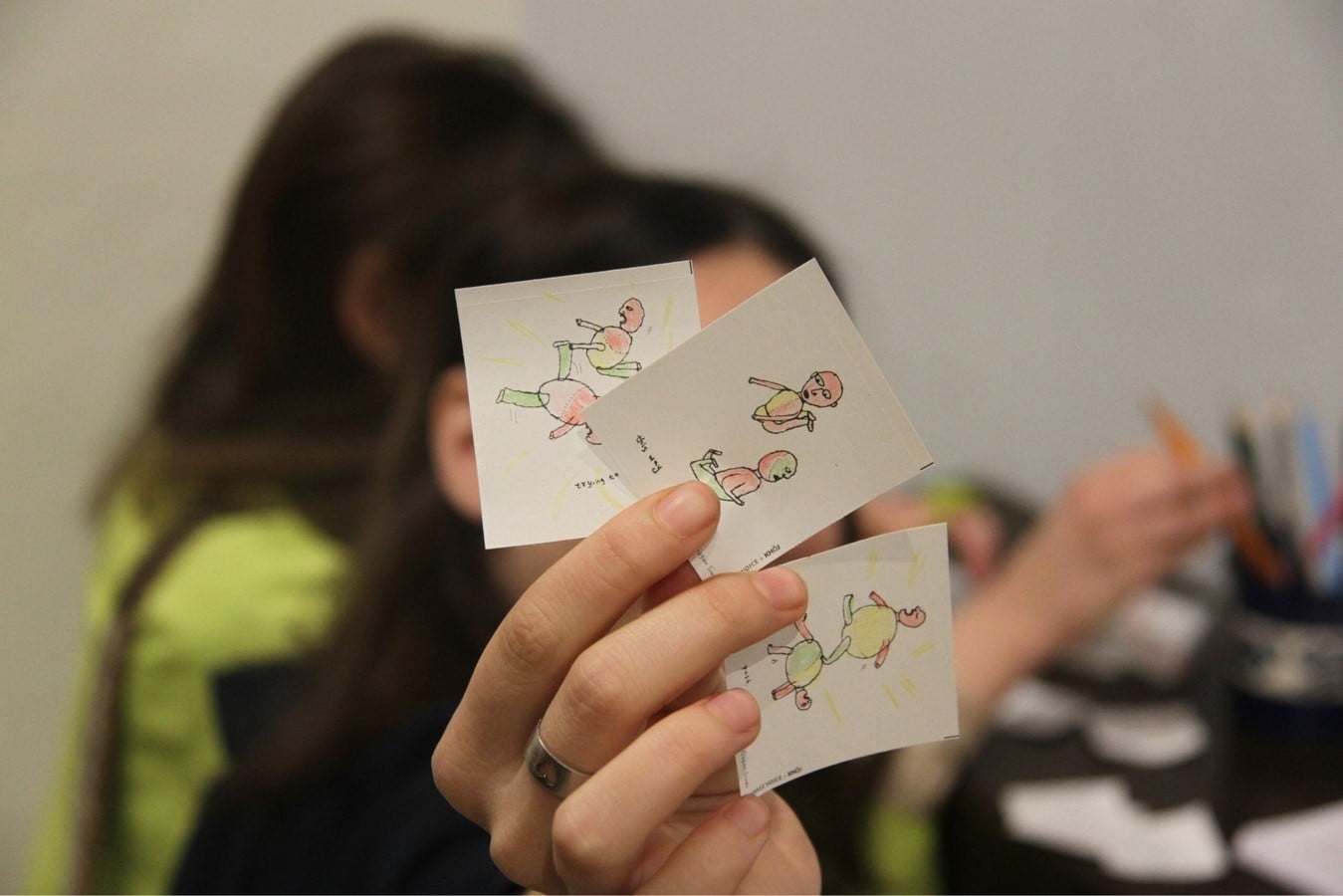
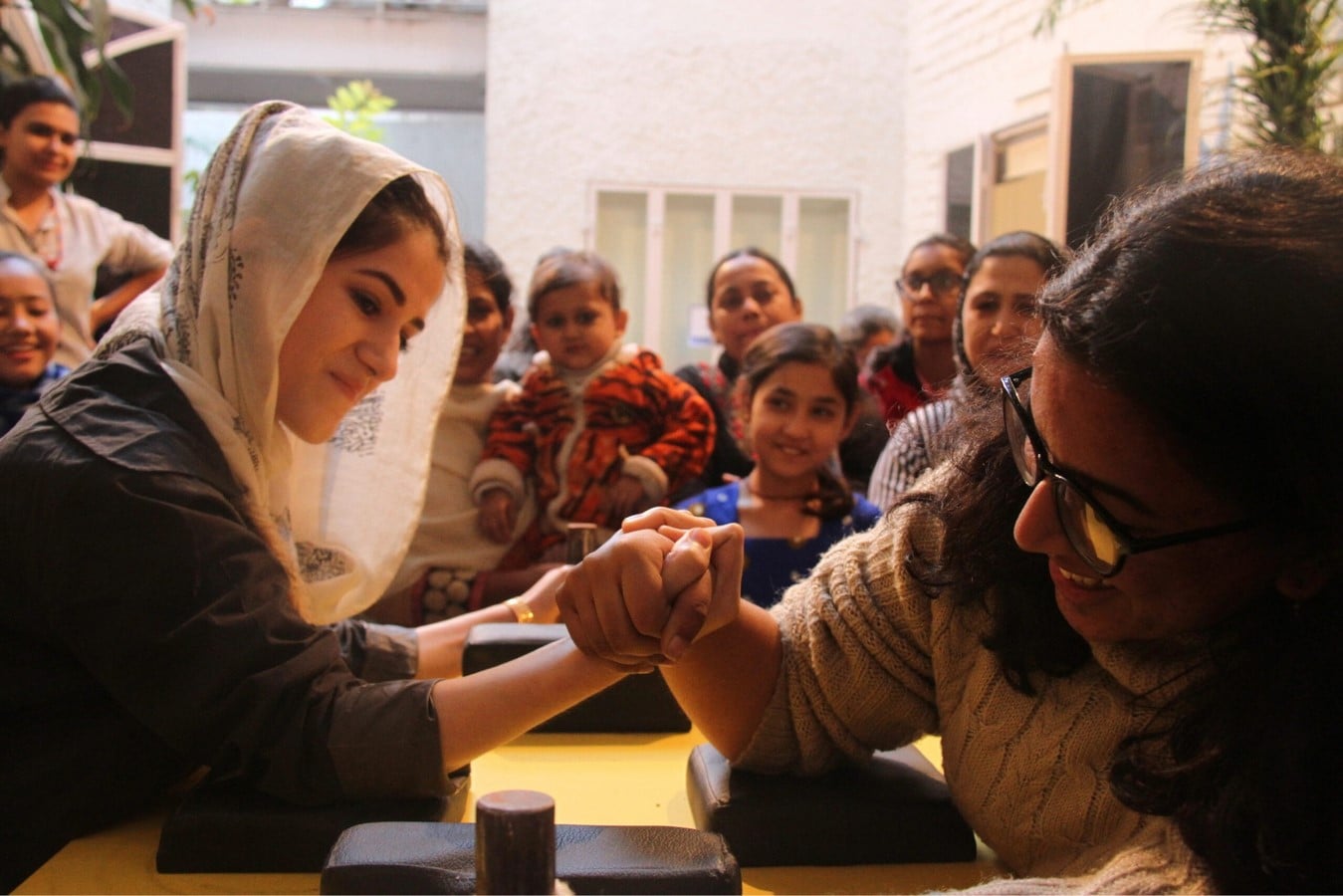
Khoj Studios’ Khirkee Residency illustrates this shift: three artists spent four weeks responding to the neighbourhood, engaging with its Afghan community, food practices, caste and class, sound, migration and urban space, before presenting their work through the Khirkee Festival.
By placing the resulting cultural exchange within the neighbourhood itself, the festival temporarily repositioned a residential area as a public cultural site.
Such interventions can be particularly significant in peripheral or overlooked areas, where cultural activity can bring visibility to local histories and skills while strengthening participation and heritage awareness when communities are actively involved (Pinto et al., 2020).
A residency can therefore become a cultural node where local knowledge meets external perspectives, widening artistic practice while making the city more aware of its own cultural life.
The Unexpected Footprint
As these connections accumulate, Artist Residencies can begin to influence not only a city’s cultural life but also the physical and economic systems built around them.
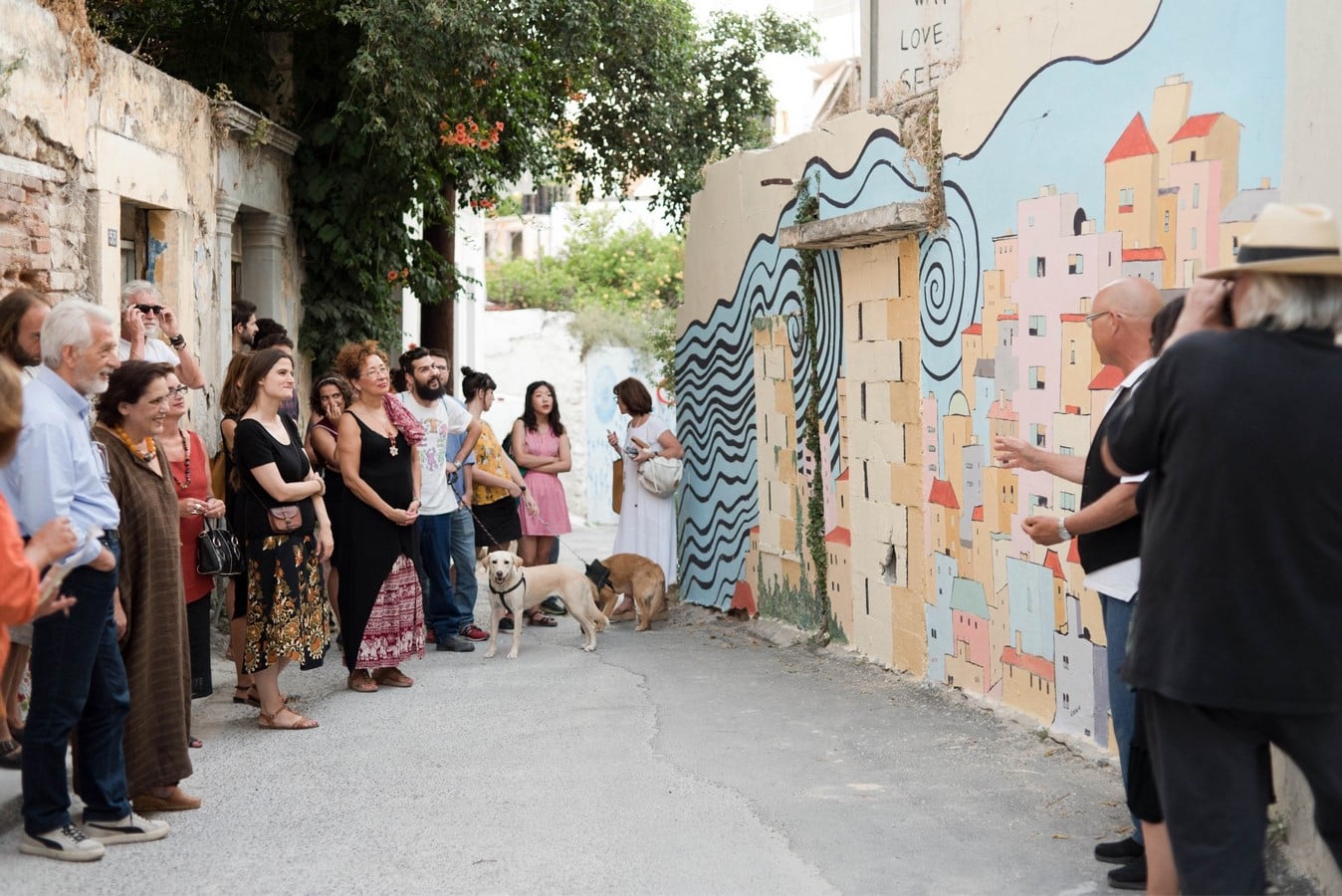
Reusing existing structures can give neglected buildings a new civic role: Farm8 in New Delhi, for instance, transformed an inherited concrete skeleton into a shared artist sanctuary, while residencies such as Lakkos in Greece demonstrate how cultural activity can take root within overlooked urban settings.
Their economic effects can extend through the everyday requirements of artistic production – materials, fabrication, craft, food, accommodation, transport and event-making – creating opportunities for local makers and small enterprises. Research by Pinto et al. (2020) further shows how residency-led cultural activity can generate new economic opportunities through heritage, tourism, creative industries and local entrepreneurship.
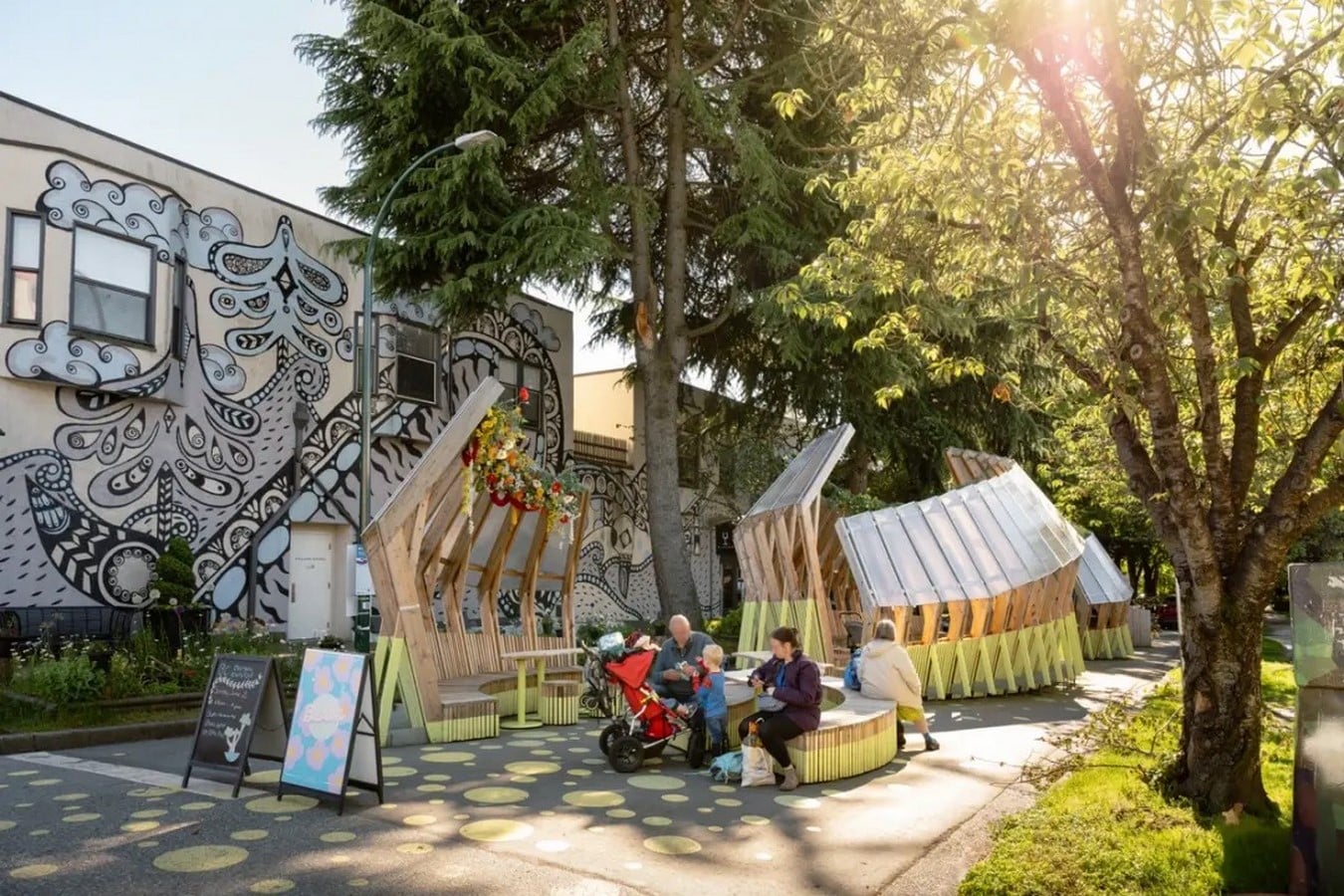
Meanwhile, exhibitions, workshops and performances can alter how streets, courtyards, markets and other shared spaces are occupied and understood. The aim need not be to turn every neighbourhood into a cultural destination; it may simply be to make an existing place more available for gathering, exchange and collective attention.
When residents contribute knowledge, skills, memories or labour, cultural production can become a collective process rather than something delivered to a neighbourhood. The question, then, is whether these encounters leave behind relationships and forms of participation that continue after the residency ends.
The Afterlife of a Residency
Perhaps the real measure of Artist Residencies as urban infrastructure is not how much activity they generate, but what remains when the programme ends.
A vacant structure may be reused, a neglected place may gain visibility, and artists may become co-producers of urban change; yet these gains mean little if the communities that give a place its character are eventually priced out.
Research on artist-led regeneration shows that while artists can contribute to urban change, the value created through culture can also be captured by wider development processes.
The more enduring possibility, therefore, lies in treating cultural production as a vital part of a city’s infrastructure – alongside its physical and economic systems. This means not only providing spaces for artists to work, but also sustaining the relationships, local enterprise, heritage, belonging, and collective imagination that can grow around them and bring positive change across the city.
When artist residencies are sustained in this way, they become urban infrastructure not simply by being present in the city, but by allowing what they create to remain within it.
References:
Nezam, M. (2022). A brief history of artists-in-residence in government. [online] Medium. Available at: https://medium.com/@nezombie/a-brief-history-of-artists-in-residence-in-government-daff1394c840 [Accessed 26 Aug. 2026].
Spaces, Z.E. (2025). The potential of vacant spaces to host artist residencies that contribute to cultural development and neighbourhood sustainability. In cities across the world, the sight of vacant storefronts and darkened offices has become all too familiar. [online] LinkedInEditors. Available at: https://www.linkedin.com/pulse/creating-sustainable-community-through-artist-residencies-kakle/ [Accessed 26 Aug. 2026].
Miao, J.T. and Phelps, N.A. (2024). Art for art’s sake? Artists as partners in urban regeneration. Journal of Urban Affairs, pp.1–18. doi:10.1080/07352166.2024.2390902.
Artsoftheworkingclass.org. (2025). Grassroots Infrastructures that affect each other. [online] Available at: https://artsoftheworkingclass.org/text/grassroots-infrastructures-that-affect-each-other [Accessed 26 Aug. 2026].
Exp.is. (2025). The Evolution and Impact of Artist-in-Residence Programs. [online] Available at: https://exp.is/expression/the-evolution-and-impact-of-artist-in-residence-programs [Accessed 26 Aug. 2026].
Pinto, M.R., Viola, S., Onesti, A. and Ciampa, F. (2020). Artists Residencies, Challenges and Opportunities for Communities’ Empowerment and Heritage Regeneration. Sustainability, 12(22), p.9651. doi:10.3390/su12229651.
Spence, A. (2025). Building Belonging: On Social-Cultural Infrastructures and Community Power. [online] Substack.com. Available at: https://amahraspence.substack.com/p/building-belonging-on-social-cultural [Accessed 27 Aug. 2026].
The Artling. (2026). The Comprehensive Guide to International Art Residencies in 2026. [online] Available at: https://theartling.com/en/sell/learn/the-comprehensive-guide-to-international-art-residencies-in-2026/?srsltid=AfmBOorvetIA74hJStrEw-bdKJPMhzy3rqMqbeWaUDFEpm3fG7E7XwcW [Accessed 27 Aug. 2026].
Lucena, J. (2023). Intersecting the fields of Ecotourism, Artist Residencies, & Indigenous Communities. [online] UNWTO Tourism Academy. Available at: https://www.unwto-tourismacademy.ie.edu/fr/2023/06/intersecting-the-fields-of-ecotourism-artist-residencies-indigenous-communities [Accessed 27 Aug. 2026].
Toro, F. (2026). Local artists take full advantage of the chance to create, research, and reset at Sacatar, but often miss out on other opportunities that the residency provides. [online] LinkedIn. Available at: https://www.linkedin.com/posts/felix-toro-a12466b1_local-artists-take-full-advantage-of-the-share-7493740644964847618-8yaN/ [Accessed 27 Aug. 2026].
ZM (2026). Art Ichol in Madhya Pradesh Brings Contemporary Art, Craft and Rural Heritage into a Residency Setting. [online] EIN News. Available at: https://www.einnews.com/pr_news/936804248/art-ichol-in-madhya-pradesh-brings-contemporary-art-craft-and-rural-heritage-into-a-residency-setting [Accessed 27 Aug. 2026].
Residency, P.P.A. (2026). Palette People Artists Residency. [online] Palette People Artists Residency. Available at: https://palettepeople.org/ [Accessed 27 Aug. 2026].
Miskartinstitute.org. (2026). The Significance of Artist Residencies Within the Cultural Landscape | Blog. [online] Available at: https://miskartinstitute.org/en/blog/the-significance-of-artist-residencies-within-the-cultural-landscape-2 [Accessed 27 Aug. 2026].
Res Artis. (2015). Discover quality arts residencies. [online] Available at: https://resartis.org/ [Accessed 27 Aug. 2026].
Giuliani, F. and Giannini, L. (2026). Artists Residence as Spaces of Resistance and Catalysts for Social Transformation:. Connessioni remote. Artivismo_Teatro_Tecnologia, (10). doi:10.54103/connessioni/30104.
Res Artis. (2019). Lakkos Artist Residency. [online] Available at: https://resartis.org/listings/2-lakkos-artists-residency/ [Accessed 27 Aug. 2026].
Pro Helvetia. (2026). Residencies – Pro Helvetia. [online] Available at: https://prohelvetia.ch/en/our-funding-areas/residencies/ [Accessed 27 Aug. 2026].
Khoj Studios. (2021). Khirkee Residency – Khoj Studios. [online] Available at: https://khojstudios.org/programme/khirkee-residency/ [Accessed 27 Aug. 2026].
DutchCulture. (2023). Why Artist Residencies in the Periphery are Essential. [online] Available at: https://www.transartists.org/en/news/why-artist-residencies-periphery-are-essential [Accessed 27 Aug. 2026].
Drishya (2025). Farm8 Residency: Experience A Creative Sanctuary For Artists In The Heart Of New Delhi. [online] Homegrown. Available at: https://homegrown.co.in/homegrown-explore/farm8-residency-experience-a-creative-sanctuary-for-artists-in-the-heart-of-new-delhi [Accessed 27 Aug. 2026].
Mrinmayee Bhoot (2023). Re-tracing the industrial in contemporary cultural architecture: The best of 2023. [online] stir_world. Available at: https://www.stirworld.com/see-features-re-tracing-the-industrial-in-contemporary-cultural-architecture-the-best-of-2023 [Accessed 27 Aug. 2026].
Fundació Mies van der Rohe. (2019). Artists in Architecture: Re-Activating Modern European Houses – Fundació Mies van der Rohe. [online] Available at: https://miesbcn.com/project/artists-in-architecture-re-activating-modern-european-houses/ [Accessed 27 Aug. 2026].
Moe, J. (2025). Adaptive Reuse: Reimagining a Historic House on Governors Island as an Artist Residency | Masters Design Project. [online] ArchiDiaries. Available at: https://archidiaries.com/academic-projects/adaptive-reuse-reimagining-a-historic-house-on-governors-island-as-an-artist-residency-masters-design-project/ [Accessed 27 Aug. 2026].
Urban Arts Residency / August-December 2026 (2026). Urban Arts Residency / August-December 2026. [online] Res Artis. Available at: https://resartis.org/open-call/urban-arts-residency-august-december-2026-2/ [Accessed 27 Aug. 2026].
Habagallery.art. (2026). Urban spaces for collective action Residency program – Haba Art Lab. [online] Available at: https://habagallery.art/residencia/urban-spaces-for-collective-action-residency-program/ [Accessed 27 Aug. 2026].
Wikipedia Contributors (2024). Artist-in-residence. [online] Wikipedia. Available at: https://en.wikipedia.org/wiki/Artist-in-residence [Accessed 27 Aug. 2026].
DutchCulture. (2023). Living together in precarious times: the role of artist residencies. [online] Available at: https://www.transartists.org/en/news/living-together-precarious-times-role-artist-residencies [Accessed 27 Aug. 2026].
Art Center — Art for Change Foundation (2026). Art for Change Foundation. [online] Art for Change Foundation. Available at: https://artforchange.in/artcenter [Accessed 27 Aug. 2026].
DutchCulture. (2023). The hybridity of artist residencies and its potential. [online] Available at: https://www.transartists.org/en/news/hybridity-of-artist-residencies-and-its-potential [Accessed 27 Aug. 2026].