How does someone actually lock in a furnished apartment in Washington, DC, without wasting weeks on dead-end listings? The short answer: pick a neighborhood, confirm real availability for exact dates, meet the minimum-stay requirement, pass a background check, and sign before move-in day arrives. That sequence rarely changes, whether the building is a luxury high-rise near The Wharf or a modest unit further out. What does change is how long each step takes when someone skips the details below – and that’s usually where the frustration starts.
DC’s rental math also explains why furnished stays matter more here than in most cities. According to GSA federal travel data, government lodging rates in the District run from $183 a night up to $276, depending on the month, with meals and incidentals fixed at $92 daily for fiscal year 2026. Stack a few months of hotel-level pricing against a furnished lease, and the appeal of a real apartment becomes obvious fast.
Why Furnished Apartments Solve a Real Problem, Not Just a Convenience
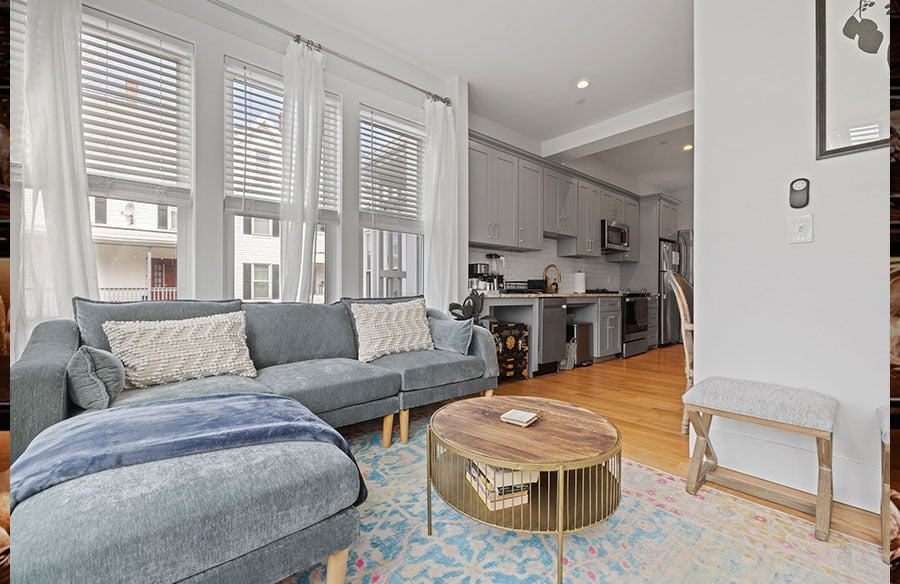
Anyone relocating for a defined stretch of work faces the same math problem: buying furniture for four months doesn’t make financial sense, and living out of a hotel room for that long gets exhausting. Furnished apartments for rent in Washington, DC sit in the gap between those two extremes.
Who Actually Needs This Kind of Housing?
The renter profile is fairly consistent across most providers:
- Federal contractors or agency staff on a short-term detail
- Medical residents completing a hospital rotation
- Households relocating ahead of a home sale or purchase
- Companies placing an employee for a single project or quarter
None of these situations call for a standard 12-month lease, which is exactly why the furnished model exists.
Picking the Right Location Before Anything Else
Note: location decisions shape the entire experience – commute, noise, price – more than almost any other factor in the search.
Which Neighborhoods Come Up Most Often?
Capitol Hill tends to suit renters who want a quieter, walkable feel close to government buildings. Capitol Riverfront draws a younger crowd toward newer construction and waterfront views. The area near The Wharf appeals to anyone who wants restaurants and evening activity within a short walk from home.
A renter working irregular hours might prioritize a calmer block over a livelier one, even if the livelier option sits closer to the office. That trade-off is personal, and it’s worth thinking through before booking anything.
How Long Do You Actually Have to Stay?
Most standard corporate housing in DC requires a minimum stay of around 30 days. That threshold exists largely to align with local residential rental regulations, not to make things harder for short-term renters.
This is also where local rent data becomes a useful context. Census Bureau figures show the Washington-Arlington-Alexandria metro area’s median monthly rent sat near $1,413 during the 2020–2024 survey period, and separate Census estimates put the share of District households that rent, rather than own, at close to sixty percent – one of the highest renter shares of any U.S. jurisdiction. In a market like that, a 30-day furnished option is often more available, and more competitively priced, than renters expect.
Pro tip: shorter stays sometimes exist through alternative booking platforms, but they’re the exception, not the rule, and usually carry a price premium.
What Does the Booking Process Actually Look Like?
Once a neighborhood and timeline are set, the process moves through a fairly predictable sequence. Skipping a step tends to cause delays later, not save time now.
The Core Steps, in Order
- Check real availability by entering exact move-in and move-out dates through the provider’s booking channel
- Complete a guest registration form with identity and contact details
- Submit background check information as required by the property
- Sign the temporary occupancy or rental agreement
- Provide payment for the security deposit and first period of rent
Digital key systems like Latch have made the final step smoother than it used to be – a renter can unlock the unit through a smartphone app instead of waiting on a leasing office. Buildings with staffed lobbies often still use concierge check-in instead, which works just as well.
What Should the Monthly Rate Actually Include?
This is where many renters get caught off guard. Furnished doesn’t automatically mean all-inclusive, and the difference between providers can be significant.
| Item | Typically Included | Sometimes Extra |
| Furniture and linens | Yes | – |
| Kitchen cookware and basics | Yes | Specialty items |
| High-speed internet | Usually | Occasionally billed separately |
| Utilities (electric, water) | Often bundled | Sometimes metered |
| Parking | Varies by building | Common add-on |
| Housekeeping | Rare | Usually optional, extra fee |
Before signing anything, it’s worth asking directly what’s bundled into the rate. A quote that looks lower on paper can end up costing more once utilities and parking show up as separate line items.
Common Mistakes That Slow Down a Booking
A few recurring issues tend to trip up first-time renters searching for furnished apartments in Washington, DC for rent:
- Assuming every listing allows stays shorter than 30 days without checking first
- Skipping the cancellation policy, which can be stricter than a hotel’s
- Not confirming whether utilities are bundled before comparing prices between buildings
- Waiting to start the background check paperwork until days before move-in
None of these mistakes are complicated to avoid. They just require reading the fine print earlier rather than later in the process.
Comparing Providers Before Committing
Not every company offering furnished apartments for rent in Washington DC operates the same way. Some specialize in luxury high-rises with concierge staff and amenity floors. Others focus on more modest, budget-conscious units built for longer stays. Reviewing two or three options side by side – rather than booking the first listing that fits the dates – tends to produce a better rate and fewer surprises after move-in.
Reading recent tenant reviews can also surface details that don’t show up in listing photos, like how quickly a maintenance request actually gets handled.
Finding the right furnished apartments for rent (Washington, DC) comes down to matching a location to daily routines, confirming real availability, and reading the fine print on stay length and included costs. None of it is complicated once broken into stages – most delays come from skipping a step, not from the process itself being difficult.
Frequently Asked Questions
Is a 30-day minimum stay required everywhere in DC?
Most standard corporate housing providers follow the 30-day minimum to comply with local residential rental rules. Some alternative booking platforms offer shorter windows, but those tend to cost more per night and have less consistent availability. Checking the specific provider’s policy before applying saves time later.
Do furnished apartments in Washington, DC for rent include utilities?
It depends on the building and provider. Many bundle electricity, water, and internet into the monthly rate, while others bill some of these separately. Confirming this detail before comparing prices avoids an inaccurate cost comparison between listings.
How far in advance should booking start?
Popular neighborhoods near Capitol Hill or The Wharf can fill quickly during peak relocation seasons, particularly spring and early fall. Starting the search four to six weeks before the intended move-in date generally leaves enough room for background checks and paperwork. Waiting until the final week narrows the available options considerably.
What documents are needed for the application?
Most providers require a government-issued ID, proof of income or an employer letter, and consent for a background check. Some corporate housing arrangements also request a company sponsorship letter if the stay is employer-funded. Having these ready in advance speeds up approval significantly.
Are furnished apartments cheaper than extended hotel stays?
For stays close to a month or longer, furnished apartments usually work out cheaper than hotel rates, especially once nightly hotel taxes and fees are factored in. Federal per diem lodging caps for DC illustrate the comparison well, since even the government-approved hotel rate tops out well above what a furnished monthly lease often costs per night. Shorter stays under two weeks tend to favor hotels instead.
Can the lease be extended after move-in?
Extensions are common and usually straightforward, provided the request comes before the current agreement ends. Availability isn’t guaranteed, particularly in high-demand buildings, so raising the possibility of an extension early in the booking process is worth doing. Waiting until the last week of a lease to ask can limit the options.