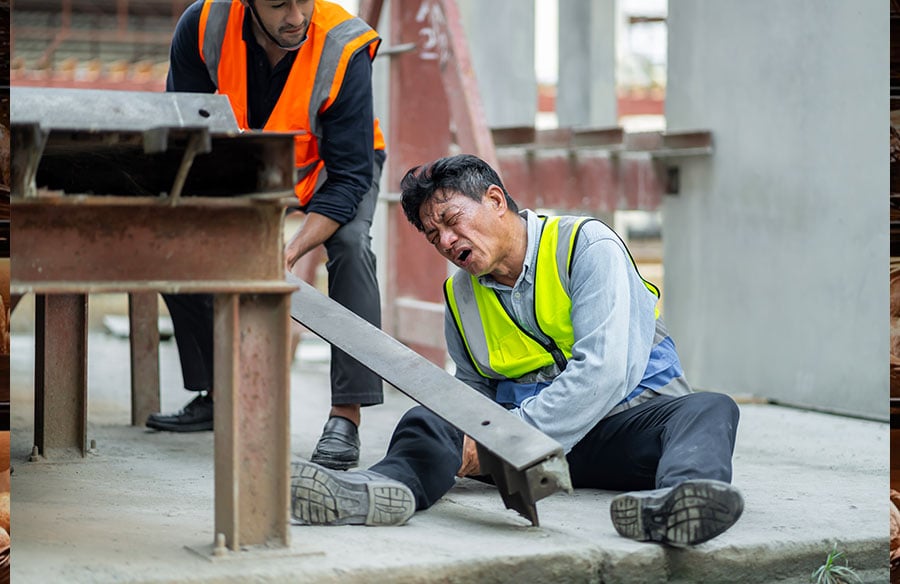
Staten Island, New York, supports constant development, from residential renovations to large commercial projects that keep neighborhoods, schools, healthcare facilities, and transportation infrastructure moving forward. Every active job site carries responsibilities for owners, contractors, supervisors, and workers because one overlooked hazard can change lives within moments. Families facing serious injuries frequently want clear answers about who should be accountable and what evidence supports their claim. Understanding how liability gets examined can make legal decisions less confusing during an already difficult period.
Speaking with a construction accident lawyer in Staten Island may help families understand available legal options, preserve valuable evidence, and prepare for questions surrounding responsibility before critical details disappear. Prompt legal guidance can also reduce uncertainty by identifying records to collect, witnesses to contact, and deadlines that could influence the path ahead. With that foundation, readers can better understand why determining responsibility requires far more than assumptions after a devastating construction incident. This perspective prepares injured families for the discussion ahead today thoughtfully.
Early Review
Early case review centers on control of the work area. A witness may call a construction accident lawyer after seeing missing rails, open holes, or unsafe lifts. That discussion frames fault without turning the claim into an ad. Lawyers compare contracts, daily logs, and photos to identify which company directed tasks and ignored warnings before the incident.
Duty Matters
Fault analysis starts with duty. Owners, contractors, and subcontractors may owe different obligations under labor rules and contract terms on active projects today. One firm may supply equipment. Another may supervise schedules. A third may control cleanup. If the injured worker was sent into a risky area without protection, the party with authority over that condition can face serious exposure.
Control of the Site
Site control often decides who answers for a defect. A general contractor may coordinate trades, approve methods, and inspect progress. That role can create responsibility for hazards left by others. If a scaffold lacked bracing for days, proof that supervisors walked past it matters. Repeated notice can show a dangerous condition was visible, persistent, and preventable. Charts help too.
Safety Rules
Safety rules provide a practical measure of careless conduct. Federal regulations, state labor laws, company manuals, and permit terms can all shape the standard of care for every trade onsite. A missing harness policy, broken ladder tag, or ignored lockout procedure may support fault. Rule violations do not end the inquiry, yet they often give juries a concrete path for assigning blame.
Paper Trail
Records can make or break the case. Incident reports, inspection sheets, text messages from phones or tablets, payroll data, and shift assignments help place people at the scene. Photos taken minutes later may reveal debris, missing guards, or poor lighting. Video can be stronger still. These materials often expose whether a hazard appeared suddenly or had existed long enough for corrective action.
Witness Proof
Witness accounts matter because construction sites change by the hour. Co-workers may recall rushed instructions, disabled alarms, or pressure to finish before inspection. Their details can confirm timing during that same shift that documents miss. Strong testimony usually sounds plain and specific. Courts tend to trust statements that match physical proof, rather than broad claims shaped after a lawsuit begins.
Shared Fault
Defense lawyers often argue that the injured person caused the event. They may cite misuse of tools, failure to follow directions, or refusal to wear gear at all times. That point can reduce damages in some cases, yet it does not erase every duty. If a site lacked basic safeguards, shared fault may still leave major liability with companies controlling conditions.
Multiple Defendants
Severe injury claims often involve several defendants. An owner may blame the contractor. The contractor may point at a subcontractor on site. Equipment suppliers may face claims if a product failed during normal use. Fault is established by separating each role, each duty, and each missed step. That process helps courts assign percentages of responsibility without turning every dispute into one vague accusation.
Medical Records
Medical timing can affect fault proof, even though treatment mainly concerns damages. Emergency notes may describe where the fall happened, which machine failed, or what a supervisor said. Early entries tend to carry weight because they are made before litigation strategy forms. Gaps, inconsistent descriptions, or delayed reporting can give the defense room to challenge causation and credibility.
Building Causation
Experienced investigators build fault by linking duty, notice, control, and causation. They test every claim against records, physical evidence, and witness detail. Minor facts can carry surprising force. A missing inspection signature may show neglect. A radio call may place a supervisor nearby. Piece by piece, that chain turns a tragic accident into a provable legal case.
Conclusion
Establishing fault in a serious construction accident claim requires more than sympathy for a harmed worker. The strongest cases show control of the area, clear prior notice of danger, and a failure to act with reasonable care. Contracts, safety rules, records, and witness accounts all play a part. When those pieces align, courts can move past blame-shifting and reach a fair measure of legal responsibility for injured families and responsible employers alike.