There is a strange thing that happens the first time you walk into a well designed room. You do not clock every detail at once.
You notice the light first, then the texture of a rug underfoot, then maybe a week later you realize the shelving was built at exactly the right height for how you actually stand in that spot. Good design reveals itself over time instead of shouting for attention.
That idea runs against almost everything in how homes get marketed today. Photos are built for a single glance. A room has to read as impressive in a thumbnail, which pushes design toward bold statements rather than quiet decisions that only make sense once you live with them.
The Problem With Instant Impact
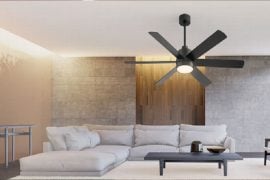
Walk through enough new builds or freshly staged rentals and a pattern starts to show up. Big statement walls, oversized light fixtures, furniture chosen because it photographs well from one specific angle.
None of that is wrong on its own. The issue is when impact becomes the only goal. A space designed purely to impress on first sight often falls apart under daily use.
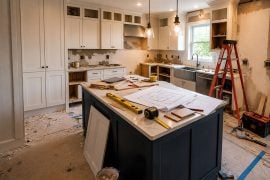
The armchair that looks sculptural in a listing photo turns out to be uncomfortable after twenty minutes. The kitchen island that anchors every photo blocks the exact path people naturally walk between the fridge and the stove.
Designers who have spent real time studying how people actually live in their homes tend to push back against this instinct. Studios like Arcaya, whose work leans toward interiors that hold up over years rather than seasons, talk about designing for the version of a room that exists after the newness wears off. That is a different discipline than designing for a single photograph.
What Slow Design Actually Looks Like
Slow design is not about muted colors or minimalism, even though people often assume that is what it means. It is about sequencing. What do you notice on day one, what reveals itself on day thirty, and what only becomes obvious after a full year of seasons passing through the windows.
A well planned home office might look plain at first glance. No dramatic bookshelf, no bold accent wall.
But six months in, the desk placement means you are never squinting into a screen glare in the afternoon, and the storage solves a problem you did not even know you had when you moved in.
That kind of design takes longer to appreciate, and it takes longer to plan for as well. It requires actually understanding how someone spends their day rather than defaulting to whatever trend is currently trending on design feeds.
Materials That Age Instead of Wear Out
One of the clearest signals of slow design is how materials are chosen. Fast design chases whatever finish looks freshest in a photo. Slow design asks how a material behaves after five years of actual use.
Solid wood develops a patina. Natural stone shows its history rather than hiding it. Even textiles chosen with longevity in mind tend to soften and improve with use instead of looking tired.
This is where a lot of budget conversations get complicated. Materials built to age well often cost more upfront, and the payoff is not visible in a before and after photo. It shows up years later, in a home that still feels considered instead of dated.
Designing for the Person, Not the Photo
The most useful question a designer can ask is not what will look good, but who is actually going to live here and how. That sounds obvious, but it gets skipped constantly in the rush to finish a project.
A family with young kids needs different sightlines than a couple who works from home. Someone who cooks every night needs a kitchen layout that supports that habit, not one that just photographs well with the cabinets closed.
This is part of why more homeowners are seeking out design partners who spend real time on discovery before ever proposing a layout. It takes longer at the start, but it avoids the expensive cycle of redoing a space two years later because it never actually fit how people lived in it.
The Long View on Value
There is also a financial argument for slow design, even though it rarely gets discussed alongside the aesthetic one. Homes designed for daily function rather than instant impact tend to need fewer renovations down the line.
Furniture chosen for comfort and durability gets replaced less often. Layouts that solve real problems do not need to be reworked when the initial excitement fades.
Buyers are also starting to notice the difference when they walk through a resale home. A space that was clearly lived in and thought through tends to read as more valuable than one that was staged purely for a listing, even if the finishes on paper look similar.
Letting a Home Reveal Itself
Maybe the simplest way to think about all this is patience, both from the person designing the space and the person living in it. A home does not have to say everything on day one.
The best ones tend to hold something back, a detail you only notice once you have used the space enough times to understand why it was placed there. That kind of design rewards attention instead of demanding it upfront.
It is a slower way to build a home, and a slower way to fall in love with one. But it tends to last, which is more than most first impressions can claim.