Retailers are rethinking what a physical store needs to do.
For years, stores were designed mainly around products: shelves, racks, displays, fitting rooms, and checkout areas. But shoppers now arrive with expectations shaped by digital retail. They are used to instant information, personalization, easy comparison, and access to a much wider assortment.
That means physical retail has to offer more than product presentation. It has to help customers discover, try, compare, decide, and interact.
This is where smart mirrors for retail become especially relevant.
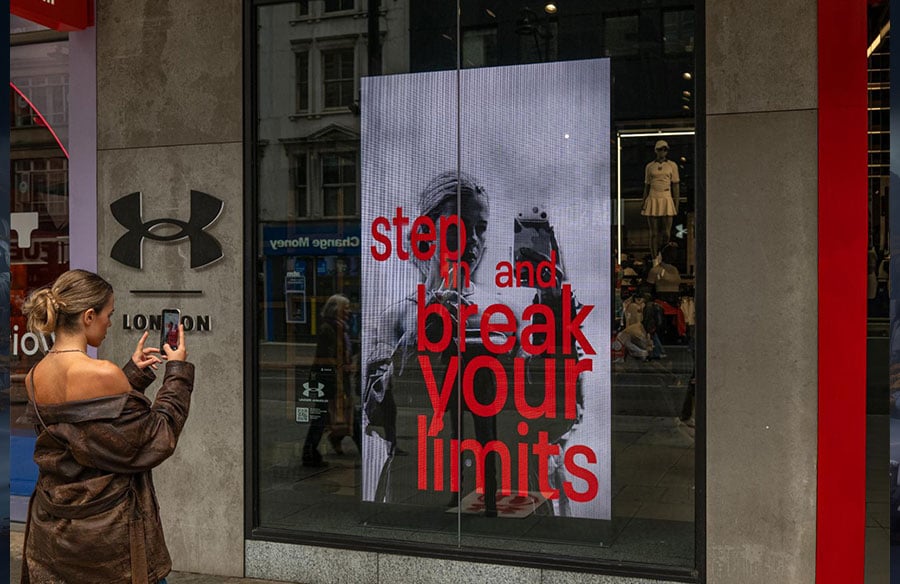
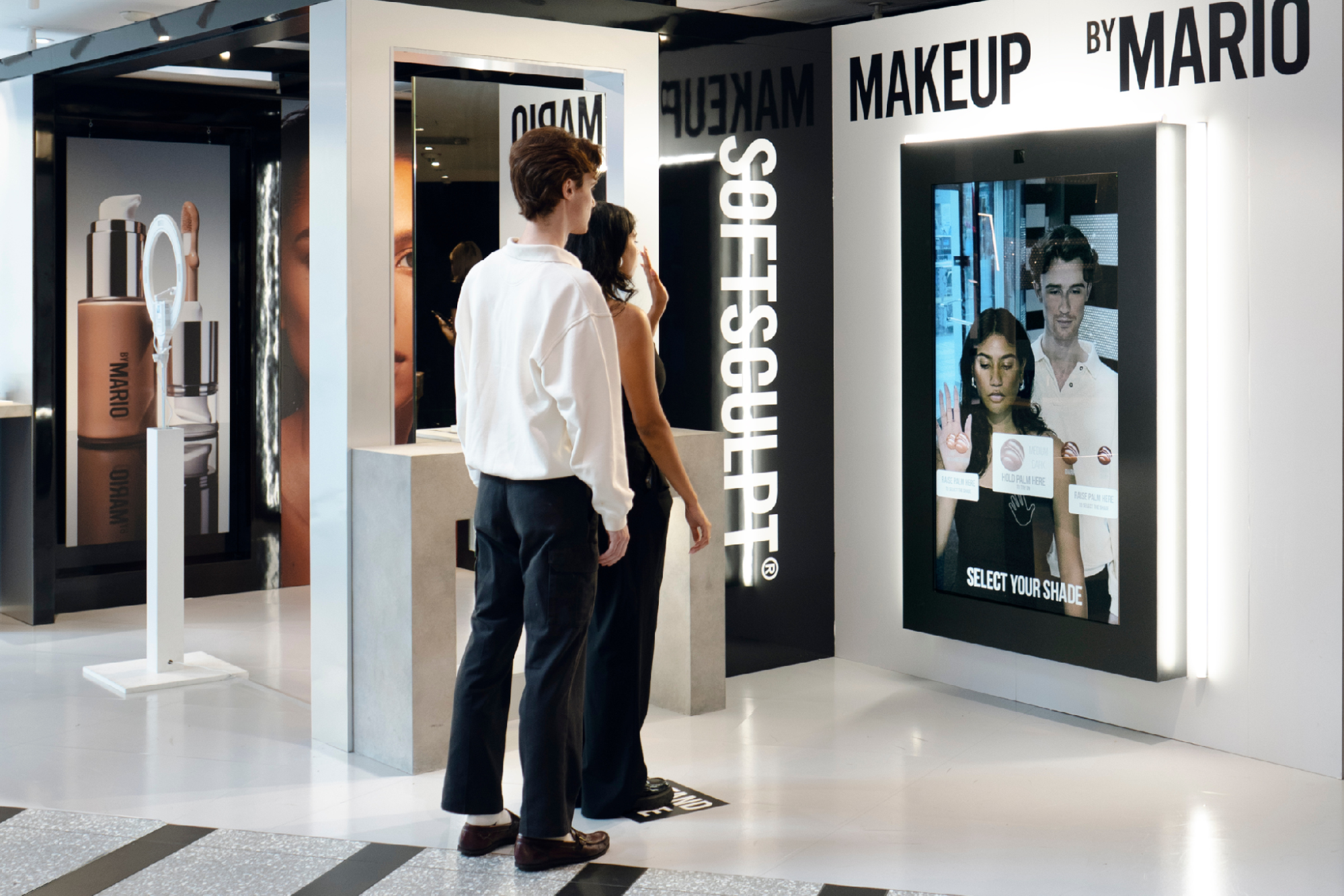
A smart mirror can combine AR, AI, virtual try-on, product recommendations, interactive content, and analytics in one familiar retail surface. Platforms such as LOOOK.AI are built around this idea, turning existing screens and mirrors into interactive customer touchpoints across stores, storefronts, fitting rooms, beauty counters, and retail activations.
The bigger opportunity is not simply adding a smart mirror to a store. It is using the technology to rethink how shoppers move through and interact with the entire retail space.
From Passive Browsing to Active Product Discovery
Traditional retail often relies on customers doing most of the discovery work themselves.
They browse shelves, search through racks, compare products manually, or wait for assistance from a sales associate. This can become difficult when assortments are large or when shoppers are unsure where to start.
A retail smart mirror can become a new discovery point inside the store.
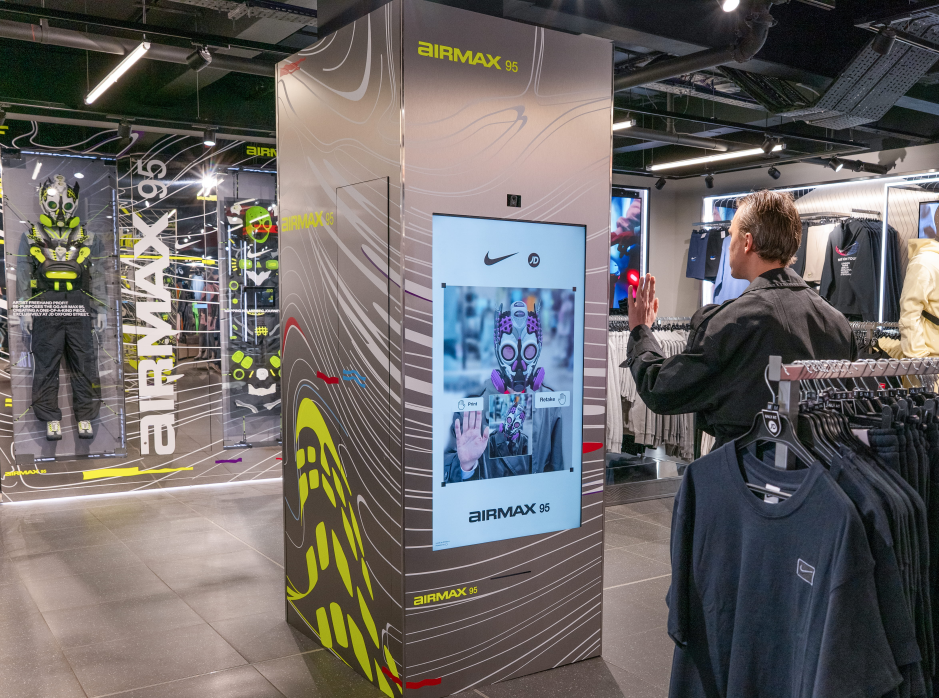
Customers can use it to explore products, compare styles, try different colors or shades virtually, discover complementary items, or receive recommendations based on their interaction.
 For retailers, this changes how the store journey can be designed.
A smart mirror near the entrance can introduce a new collection. A mirror beside a product category can help shoppers navigate options. A fitting-room mirror can continue the discovery process when purchase intent is already high.
Instead of simply arranging products around the customer, retailers can begin designing the space around moments of interaction and discovery.
From Limited Shelf Space to Digital Assortment
Physical retail will always have one limitation that e-commerce does not: space.
A store cannot display every size, shade, color, style, or product variation at the same time.
Smart mirrors can help extend the assortment without requiring more floor space.
Depending on the category, shoppers could use a mirror to explore additional fashion items, beauty shades, eyewear, accessories, or products that are not physically displayed nearby.
This gives retailers more flexibility in how they use the store.
Not every product needs to occupy permanent display space. A retailer can keep the physical assortment more curated while using digital experiences to expose customers to a broader catalogue.
That can free up space for other purposes: consultations, launches, events, storytelling, or more comfortable customer flow.
The smart mirror becomes a digital extension of the sales floor.
From Fitting Room to Conversion Space
The fitting room is one of the most important areas in many retail environments because it is where customers move closer to a purchase decision.
Yet the experience is still often highly functional. Shoppers take products inside, try them, leave to look for alternatives, and repeat the process.
A smart mirror can make that moment more useful.
Customers could compare different products, explore additional colors, discover complementary items, save favorites, or virtually try options without immediately leaving the fitting room.
 For retailers, this creates a stronger conversion opportunity.
The customer is already engaged with the product, so recommendations and additional discovery happen at a moment of high intent.
A shopper trying on a jacket could discover matching trousers or accessories. A beauty customer could compare multiple shades or finishes without going back to the shelf.
The fitting room therefore becomes more than a place to check fit. It becomes an interactive decision-making space.
From Generic Store Experience to Personalization
Personalization is now standard online.
E-commerce platforms recommend products, surface relevant categories, and adapt the experience based on customer behavior.
Physical retail has traditionally found this harder to deliver at scale.
AI-powered smart mirrors can bring some of that personalization into the store.
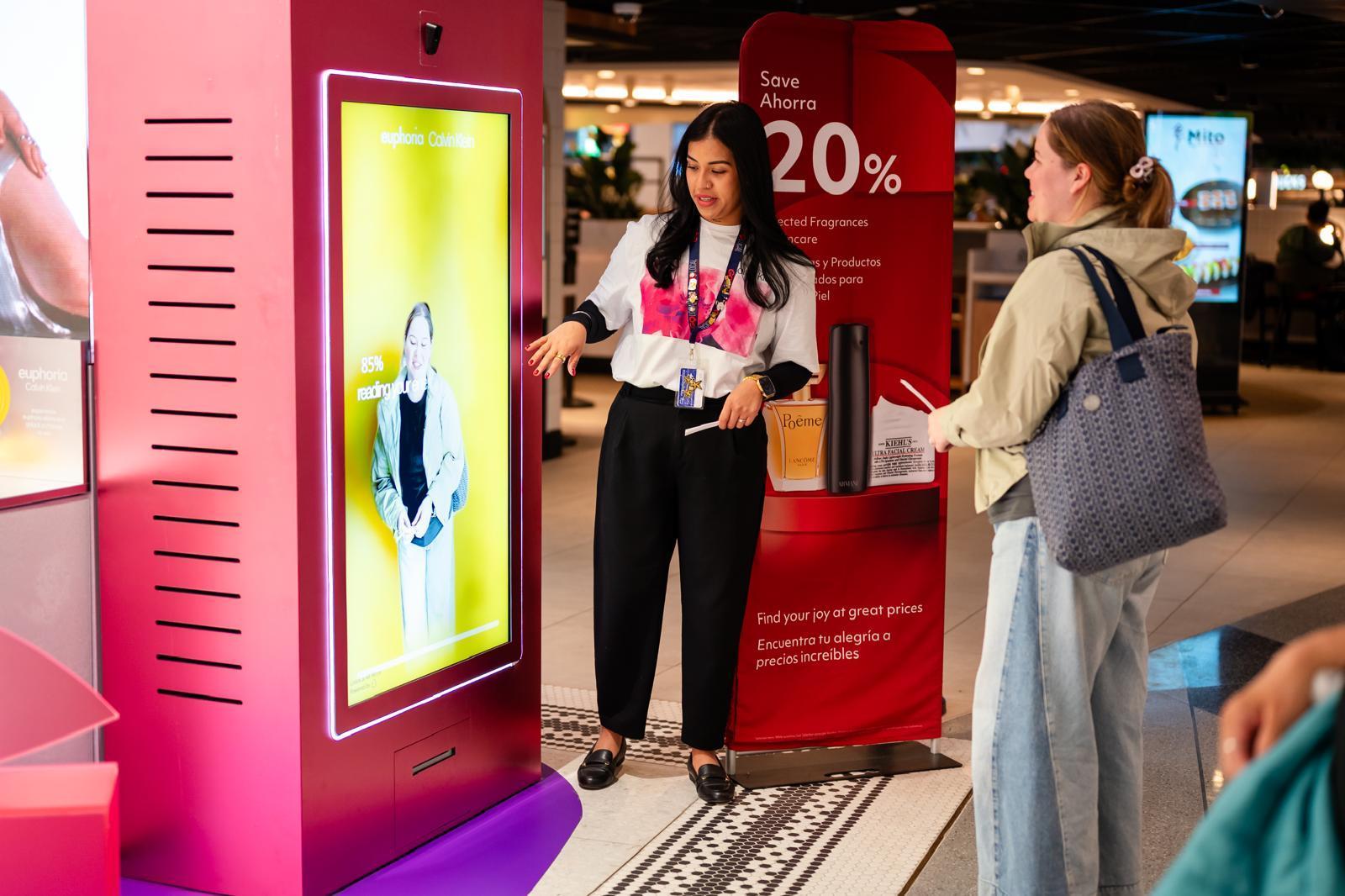
In beauty retail, a mirror can support facial analysis, visualize skin concerns, recommend products, or enable virtual makeup try-on. In fashion, it can help customers explore looks, compare items, or discover products that match their preferences.
The technology can also support staff rather than replace them.
A stylist, beauty advisor, or sales associate can use the smart mirror as another consultation tool, combining human expertise with visual information, product recommendations, and digital try-on.
For retailers, this creates a more personalized experience without forcing customers to download an app or move the interaction onto their own phones.
The personalization happens directly inside the shopping space.
From Store Visit to Measurable Interaction
Retailers usually know far more about what customers do online than what they do inside a physical store.
Online, it is possible to track product views, clicks, searches, conversions, and abandoned journeys. In-store behavior is much harder to measure.
Smart mirrors can create new measurable interaction points.
Depending on the setup, retailers can track metrics such as:
- Number of activations
- Interaction time
- Products or shades explored
- Most-used features
- Content shares
- Popular recommendations
- Engagement by location or campaign
That information can help retailers understand how customers are using the space.
If one product receives significantly more virtual try-ons, it may deserve stronger physical visibility. If a particular smart mirror scenario performs well, it can be rolled out across more stores. If customers ignore a certain feature, the experience can be adjusted.
 This makes the smart mirror more than a customer-facing tool.
It can also become part of the retailer’s feedback loop, supporting merchandising, campaign planning, product launches, and future store design.
Designing Shopping Spaces Around Interaction
The most important change may be how retailers think about the store itself.
Traditional retail spaces are organized around functions: entrance, display, fitting room, checkout.
Interactive technology adds another layer.
Retailers can begin asking different questions:
Where do customers need more information?
Where does product discovery become difficult?
Where does the shopper lose momentum?
Where would personalization be most useful?
Where could digital inventory reduce pressure on physical space?
Where should customers stop and interact?
Smart mirrors can then be positioned around specific customer needs.
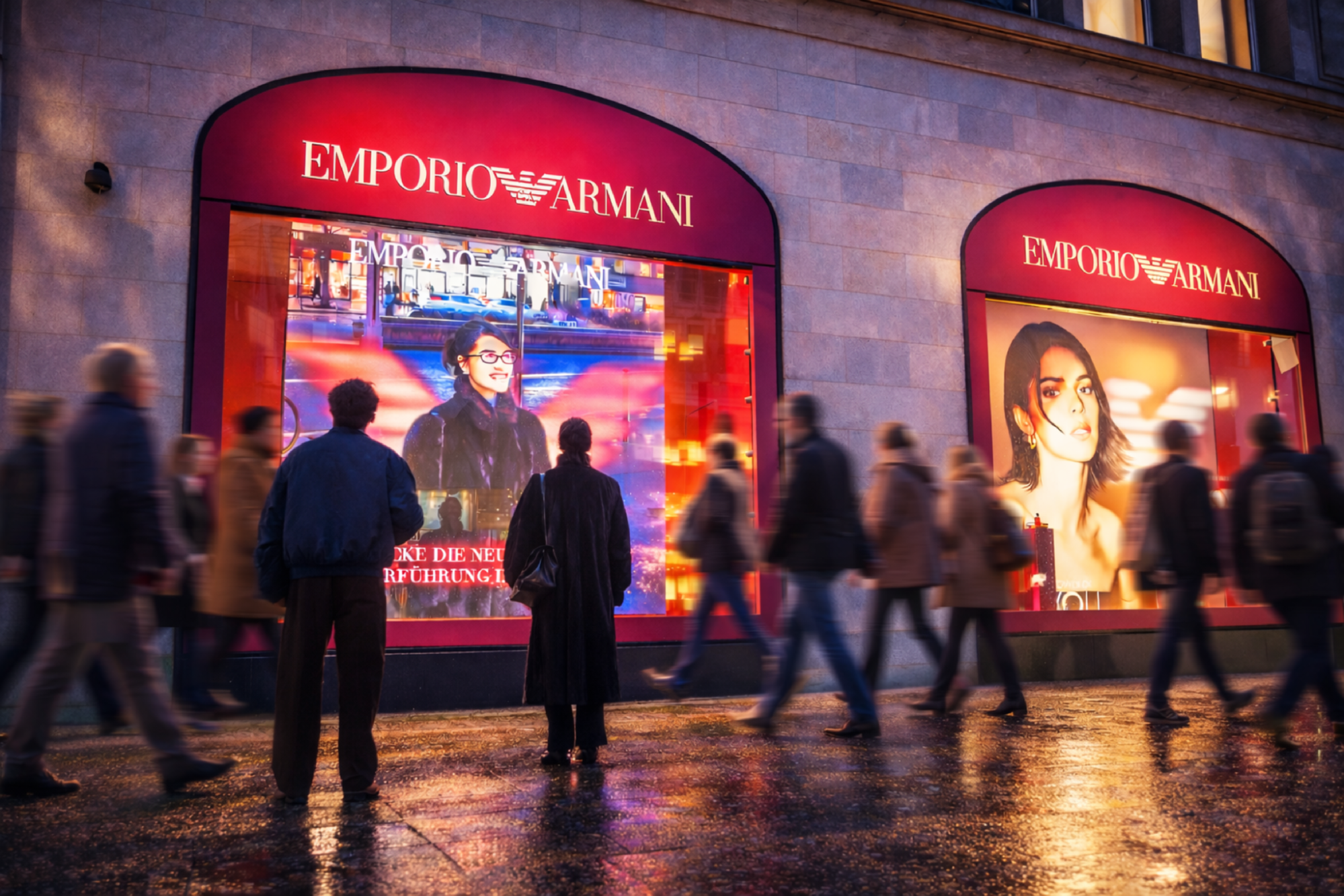
A storefront mirror can help attract attention. An in-store mirror can support product discovery. A fitting-room mirror can help customers make decisions. A beauty counter mirror can support consultations. A pop-up mirror can focus on engagement and content creation.
The same smart mirror technology can serve very different roles depending on where it is placed and what problem it is designed to solve.
Smart Mirrors Should Solve Retail Problems, Not Add Screens
The future of retail is unlikely to be a store filled with technology for its own sake.
Shoppers do not need more digital interfaces unless those interfaces make the experience easier, faster, or more relevant.
For retailers considering a smart mirror, the starting point should therefore be the customer journey.
What should the technology improve?
It might help customers find the right product faster. It might expose them to a broader assortment. It might reduce friction in the fitting room. It might support a sales associate. It might improve product education or make a storefront more engaging.
The strongest smart mirror experiences are the ones where the technology feels like a natural part of the space rather than another screen added to it.
 The Future Shopping Space Is More Responsive
Physical stores still offer something e-commerce cannot fully reproduce: a real environment where customers can see, touch, try, explore, and interact with products.
Smart mirror technology can build on that strength.
It can connect physical products with digital inventory, human service with AI-powered recommendations, mirrors with virtual try-on, and in-store engagement with measurable data.
For retailers, the opportunity is to create shopping spaces that respond more intelligently to the people inside them.
The mirror is no longer only something customers look into.
It can become a place where the store helps them decide what to discover next.