
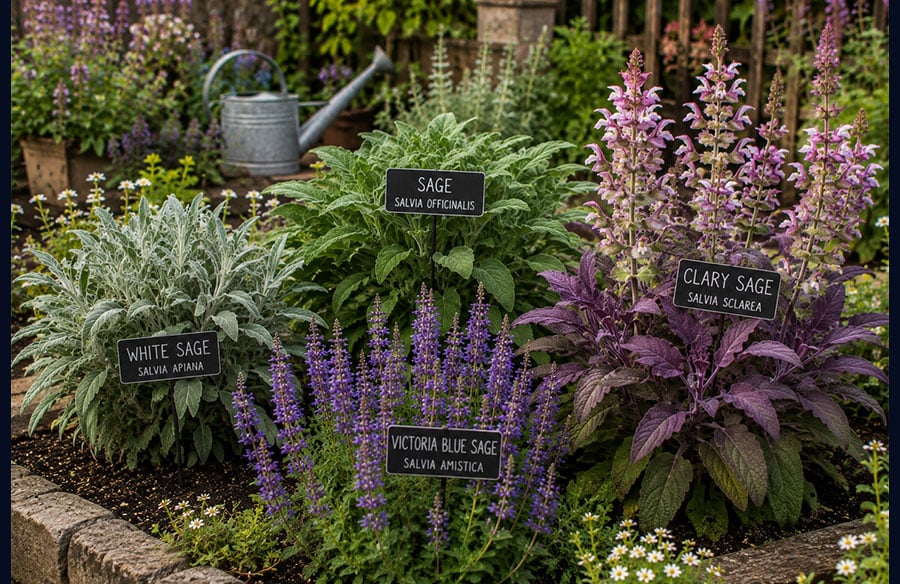
Walk into almost any herb garden, and you’ll likely spot a few familiar favorites growing side by side. Basil, rosemary, thyme, and mint often steal the spotlight, but one herb has quietly earned its place in gardens for centuries.
Although sage has long been associated with traditional herb gardens, it offers much more than culinary appeal. Sage leaves continue to be appreciated for their beauty, fragrance, and versatility, making sage one of the most rewarding herbs a gardener can grow. Its attractive foliage, long growing season, and easy-going nature have helped it remain a favorite among beginners and experienced gardeners alike. Whether planted in a vegetable bed, a dedicated herb garden, or a decorative border, sage leaves bring lasting value throughout the season.
Why Sage Leaves Continue to Be a Garden Favorite
Some herbs become popular for a few years before fading from attention. Others remain reliable favorites because they consistently perform well and fit into many different gardening styles.
Sage belongs to the second group. It is one of those dependable herbs that gardeners continue recommending generation after generation.
Beautiful From Spring Through Fall
Many herbs are appreciated mainly for their harvest, but sage offers ornamental value as well. Its soft, textured leaves add color and structure even when the plant is not flowering.
This dependable appearance helps keep herb gardens attractive throughout the growing season. Sage often looks just as appealing in the landscape as it does in the kitchen.
A Herb That Fits Almost Anywhere
One reason gardeners enjoy growing sage is its versatility. It blends naturally into vegetable gardens, raised beds, herb gardens, and ornamental borders.
Because it complements so many planting styles, finding a place for sage rarely feels difficult. Even a single plant can add texture and color to a growing space.
Its tidy growth habit also makes it useful in gardens where space is limited. Whether planted along a pathway or tucked between other herbs, sage settles comfortably into its surroundings without dominating the planting bed.
Easy to Appreciate at Every Experience Level
Beginning gardeners often look for herbs that are rewarding without feeling complicated. Experienced gardeners appreciate plants that continue performing reliably year after year.
Sage appeals to both groups. It is familiar enough to feel approachable while still offering plenty to enjoy throughout the season.
What Makes Sage Leaves So Distinctive?
Every herb has characteristics that make it recognizable. Sage leaves stand out because of their unique appearance, pleasant fragrance, and soft texture.
Together, these qualities help explain why sage remains one of the most recognizable herbs in the garden.
Soft Texture That Stands Out
The leaves of sage have a velvety texture that immediately sets them apart from many other herbs. Their slightly fuzzy surface gives the plant a distinctive appearance.
This texture also creates contrast among smoother leaves found on nearby vegetables and herbs. Small differences like these make gardens feel more interesting.
Attractive Silver-Green Color
Sage leaves display a soft gray-green color that pairs beautifully with almost every other plant in the garden. The gentle tones provide a calming balance among brighter flowers and deep green vegetables.
This subtle coloring allows sage to work equally well in decorative landscapes and productive growing spaces.
A Fragrance Gardeners Recognize Instantly
Many herbs are known for their scent, and sage is no exception. Brushing against the leaves releases a pleasant aroma that reminds many gardeners why they enjoy spending time outdoors.
These small sensory experiences become part of everyday gardening. They help turn ordinary maintenance into something much more enjoyable.
Finding the Best Place for Sage
Sage adapts well to many different garden styles, making it easy to include whether you’re starting a new garden or adding to an existing one.
With a little planning, it can become both a practical herb and an attractive landscape plant.
A Natural Fit for Herb Gardens
Herb gardens often combine plants with different fragrances, textures, and colors. Sage contributes all three, helping create a space that feels balanced and inviting.
Its compact growth allows it to sit comfortably alongside many familiar herbs without overpowering neighboring plants.
Blending Into Vegetable Gardens
Vegetables benefit from being surrounded by a variety of plants that add interest throughout the season. Sage introduces soft foliage that contrasts beautifully with leafy greens and taller crops.
The result is a vegetable garden that feels more complete while offering a pleasant mix of shapes and colors.
Adding Beauty to Flower Borders
Sage is not limited to herb gardens. Its attractive foliage allows it to blend naturally into ornamental beds as well.
The silver-green leaves pair well with flowers in almost any color, giving gardeners another option for creating attractive mixed borders.
This combination of ornamental beauty and practical value makes sage especially appealing. Gardeners can enjoy a landscape that looks beautiful while still including plants with everyday uses.
The Little Details That Make Sage Special
Some plants become favorites because of dramatic flowers or large harvests. Sage earns its reputation through smaller qualities that gardeners notice as the season progresses.
These simple characteristics often become the reasons people continue growing it year after year.
A Plant That Changes With the Seasons
Sage looks slightly different as new growth appears throughout the year. Fresh leaves gradually mature while older foliage continues providing texture and color.
Watching those subtle changes reminds gardeners that even familiar herbs continue evolving as the season unfolds.
Consistent Beauty Throughout the Garden
Some plants have short periods when they look their best. Sage remains attractive for much of the growing season.
Its dependable appearance helps create continuity throughout the garden. Even when nearby plants change, sage continues providing structure and color.
Always Rewarding to Visit
Every walk through the garden offers small moments to appreciate. Sage contributes through its appearance, texture, and unmistakable fragrance.
Those everyday experiences often become some of the most memorable parts of maintaining a home garden.
Why Every Garden Benefits From Variety
A garden filled with many different plants often feels healthier, more balanced, and more enjoyable to spend time in. Different herbs, vegetables, and flowers all contribute something unique.
Adding sage helps increase that diversity while introducing another dependable plant to the landscape.
Different Plants Create Different Experiences
Some plants are grown for colorful blooms, while others are appreciated for interesting foliage. Together they create a garden that changes naturally throughout the year.
Sage contributes soft leaves, gentle color, and lasting structure. These qualities complement many other plants without competing for attention.
A More Interesting Garden to Explore
Gardens become more rewarding when they encourage people to slow down and notice small details. Different leaf textures, scents, and colors all contribute to that experience.
Sage invites gardeners to appreciate these quieter moments. Its familiar presence often becomes one of the most comforting parts of the landscape.
Learning Through Familiar Plants
Not every gardening lesson comes from growing unusual crops. Sometimes familiar herbs teach the most valuable observations because gardeners spend so much time around them.
Sage encourages people to notice seasonal changes, plant growth, and the relationships between different herbs in the garden. Those observations help build confidence over time.
Interesting Facts About Sage Leaves
Many people recognize sage long before they grow it themselves. Learning a little more about the plant helps explain why it has remained such a popular herb across generations.
Its combination of beauty and practicality continues attracting gardeners every year.
A Herb With a Long History
Sage has been cultivated in gardens for centuries and continues to be appreciated around the world. Its lasting popularity reflects how adaptable and dependable it has always been.
Growing a plant with such a rich history creates a meaningful connection to generations of gardeners who came before us.
Easy to Recognize at a Glance
Few herbs have leaves that look quite like sage. Their soft texture and gray-green color make the plant easy to identify even among many neighboring herbs.
That distinctive appearance helps make sage one of the first herbs visitors recognize in the garden.
A Plant That Keeps Earning Its Place
Many gardeners begin growing sage because it is considered a classic herb. They continue growing it because it consistently proves its value season after season.
Its dependable appearance, pleasant fragrance, and versatility explain why it remains one of the most trusted herbs in home gardens.
As gardening trends continue to change, sage remains one of those reliable plants that never feels outdated. It continues earning its place by offering beauty, familiarity, and lasting garden appeal year after year.
Why Sage Leaves Remain a Timeless Garden Favorite
Some garden plants come and go with changing trends, while others remain dependable companions year after year. Sage belongs firmly in the second group. It combines attractive foliage, familiar fragrance, and lasting beauty in a way that continues to appeal to gardeners of every experience level.
Whether growing in a dedicated herb bed, beside vegetables, or among colorful flowers, sage leaves bring character to every part of the garden. Their quiet beauty and dependable nature remind us that some of the simplest plants are often the ones we appreciate the most.