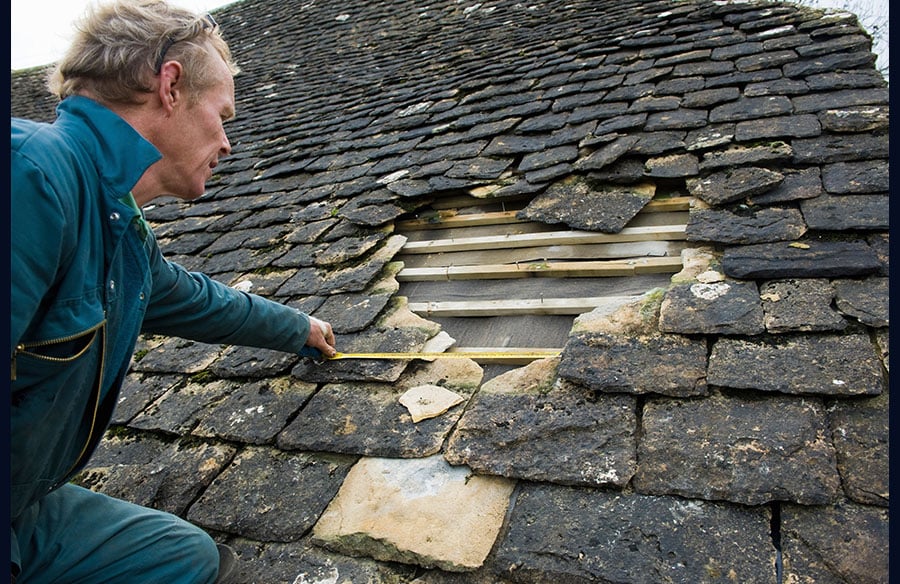
Winter is hard on Massachusetts roofs, and ice dam damage consistently ranks among the top causes of homeowner insurance claims filed in the state during the winter months. Whether the damage comes from ice, wind, or a fallen tree limb, how you document and file a claim has a direct effect on whether it gets approved – and for how much.
What’s Usually Covered
Standard homeowners insurance policies generally cover sudden, accidental roof damage – wind uplift, a tree branch through the deck, or water intrusion from an ice dam that forms faster than gutters can handle. What most policies exclude is damage from gradual wear, like a 25-year-old shingle roof that simply reached the end of its service life. Insurers distinguish carefully between “storm damage” and “deferred maintenance,” and that distinction is where a lot of claims get denied.
Document Before You Repair
Before any tarp goes up or any repair begins, photograph the damage from multiple angles, both from the ground and, if it’s safe, from an attic or window vantage point showing interior water stains. Insurers frequently send an adjuster days after the initial report, and damage that’s already been cleaned up or covered is much harder to substantiate.
Get a Written Estimate From a Licensed Contractor
Insurance adjusters work from their own damage assessment, but a written estimate from a licensed, insured roofing contractor gives you a second, independent figure to negotiate from if the adjuster’s number seems low. This is also where hiring properly licensed roofing contractors in Massachusetts matters for the claim itself – insurers are far more likely to question an estimate from an unlicensed or unverifiable contractor.
Understand the Claims Timeline
Most Massachusetts insurers are required to acknowledge a claim within a set number of business days and to provide a coverage decision in writing. If a claim is delayed or denied without clear explanation, homeowners can request a formal review – the Insurance Information Institute publishes plain-language guides on how the homeowners’ claims process typically works and what to do if you disagree with an insurer’s decision, which is a useful independent reference before you sign anything an adjuster hands you.
Preventing the Next Claim
Ice dams form when heat escapes from the attic, melts snow on the upper roof, and refreezes at the colder eaves – a cycle that repeats through every freeze-thaw stretch of a New England winter. Improving attic insulation and ventilation reduces the heat loss that causes ice dams in the first place, which is often a cheaper long-term fix than repeatedly repairing the same section of roof and gutter line.
Filing a claim after roof damage isn’t complicated, but it rewards homeowners who document early, get an independent estimate, and understand what their policy actually covers before the adjuster’s visit.