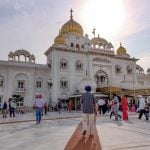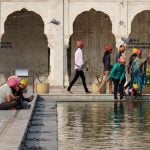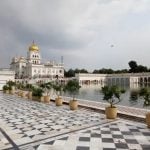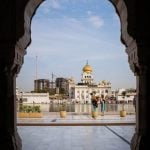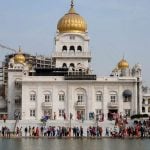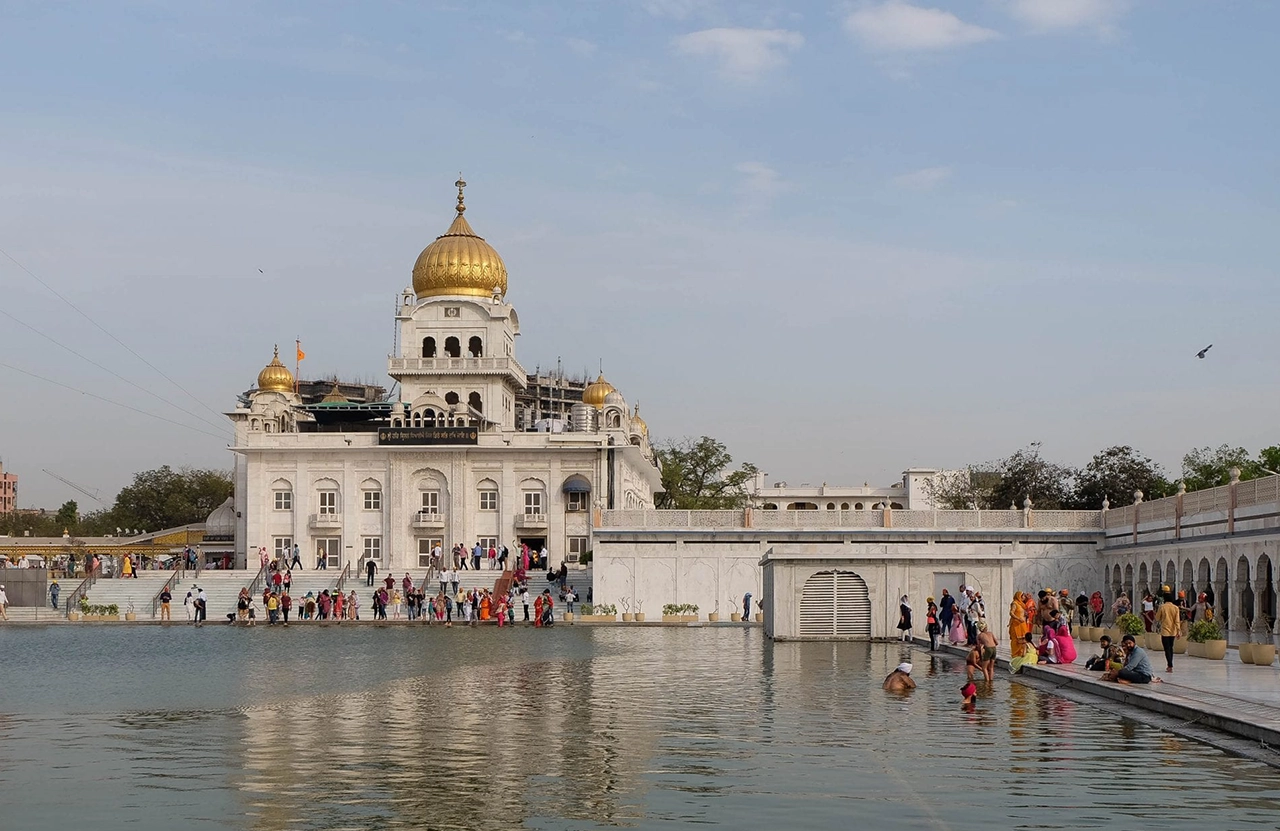
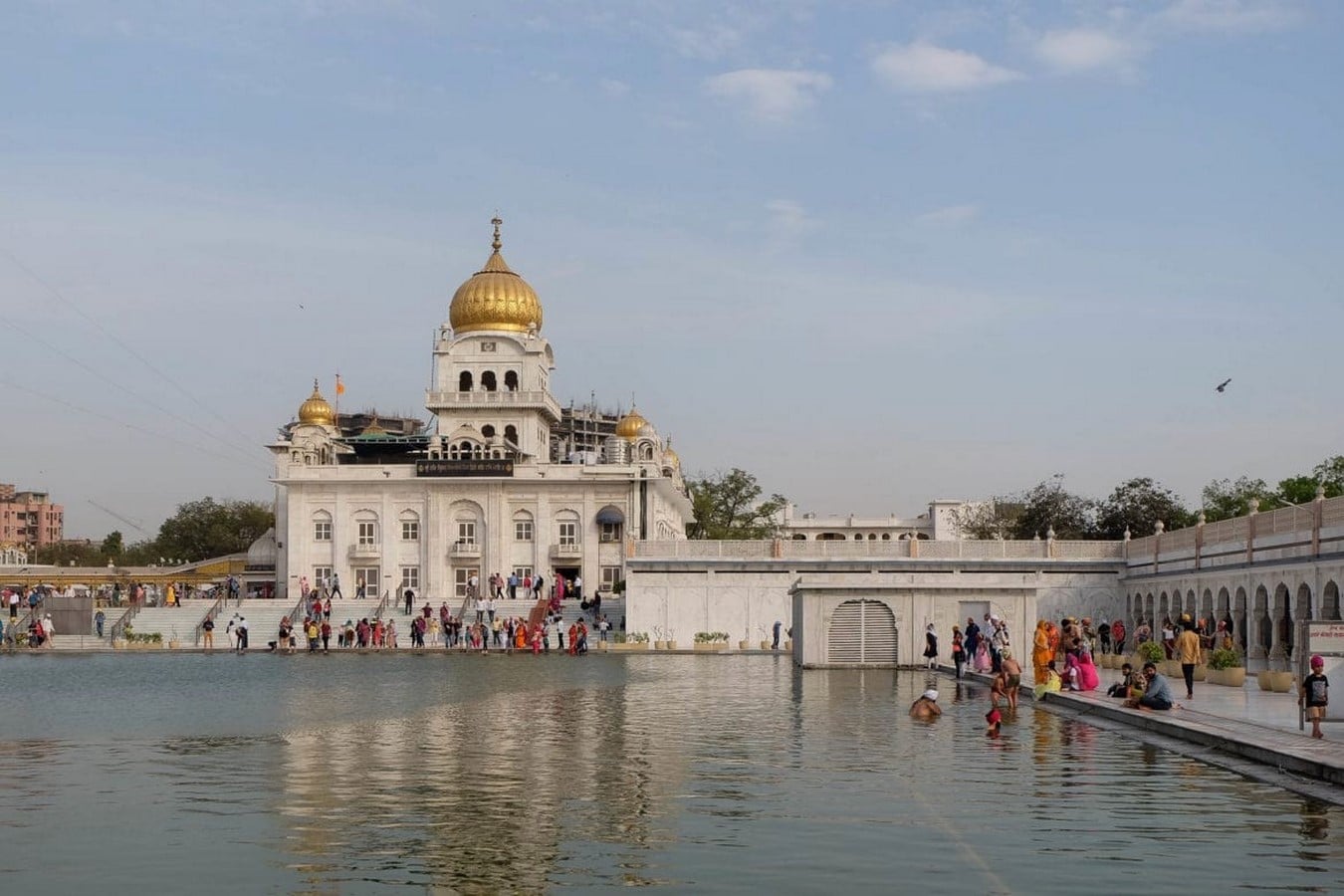
Gurudwara Bangla Sahib, a revered Sikh shrine, is a peaceful oasis in the bustling city of Delhi. Its iconic golden dome shines brightly, drawing visitors from all over the world. This sacred place offers solace, service, and a glimpse into the rich Sikh culture. Inside, you’ll find a serene atmosphere, beautiful architecture, and a sense of spiritual connection. The Gurdwara’s free kitchen, or Langar, serves thousands of meals daily, embodying the Sikh principle of selfless service.
A Brief History
Gurudwara Bangla Sahib, a revered Sikh shrine, stands as a beacon of spirituality and service in the heart of Delhi. Its golden dome and serene atmosphere attract devotees and tourists alike.
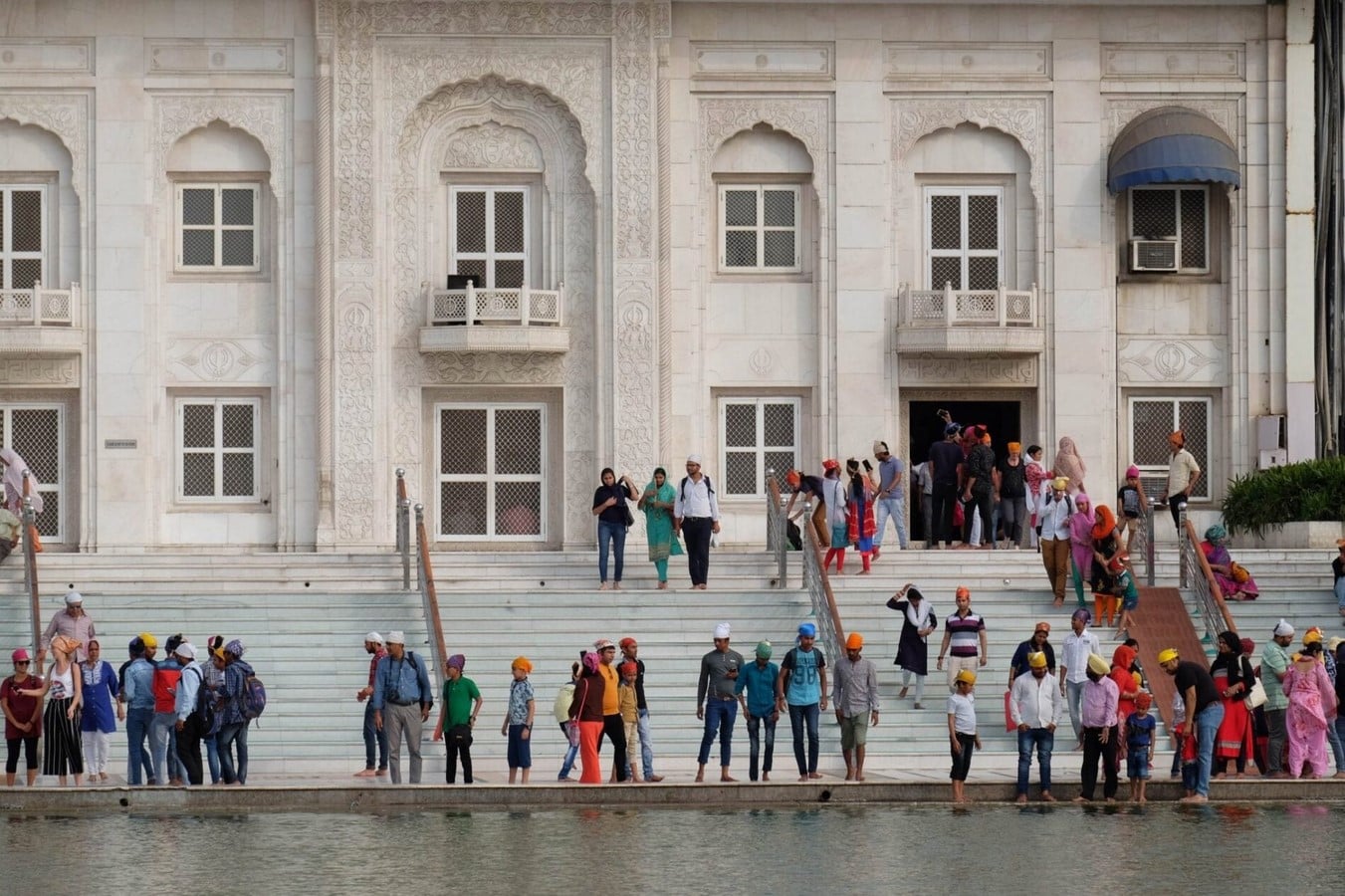
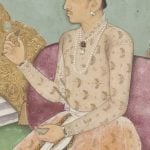
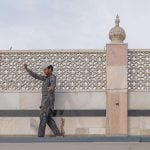
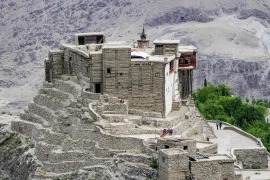
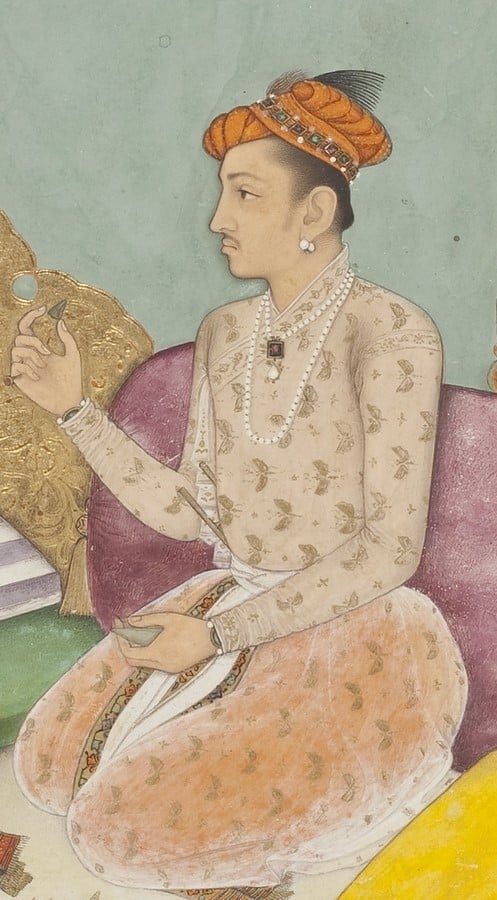
Originally a bungalow belonging to Raja Jai Singh, a 17th-century Indian ruler, Gurudwara Bangla Sahib was once known as Jaisinghpura Palace, situated in the historic neighbourhood of Jaisinghpura, which was later demolished to make way for Connaught Place.
The eighth Sikh Guru, Guru Har Krishan, resided here during his stay in Delhi in 1664. At that time, a smallpox and cholera epidemic ravaged the city. Guru Har Krishan aided the suffering by providing aid and fresh water from the well on the property. Sadly, he too contracted the illness and passed away on March 30, 1664.
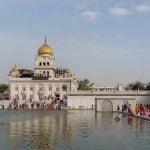
Later, Raja Jai Singh constructed a small tank over the well, and its water is now revered for its healing properties. Sikhs worldwide often take this holy water back to their homes.
The Gurdwara and its Sarovar have become a place of great reverence for Sikhs, especially during Guru Har Krishan’s birth anniversary.
A Glimpse into Sikh Architecture
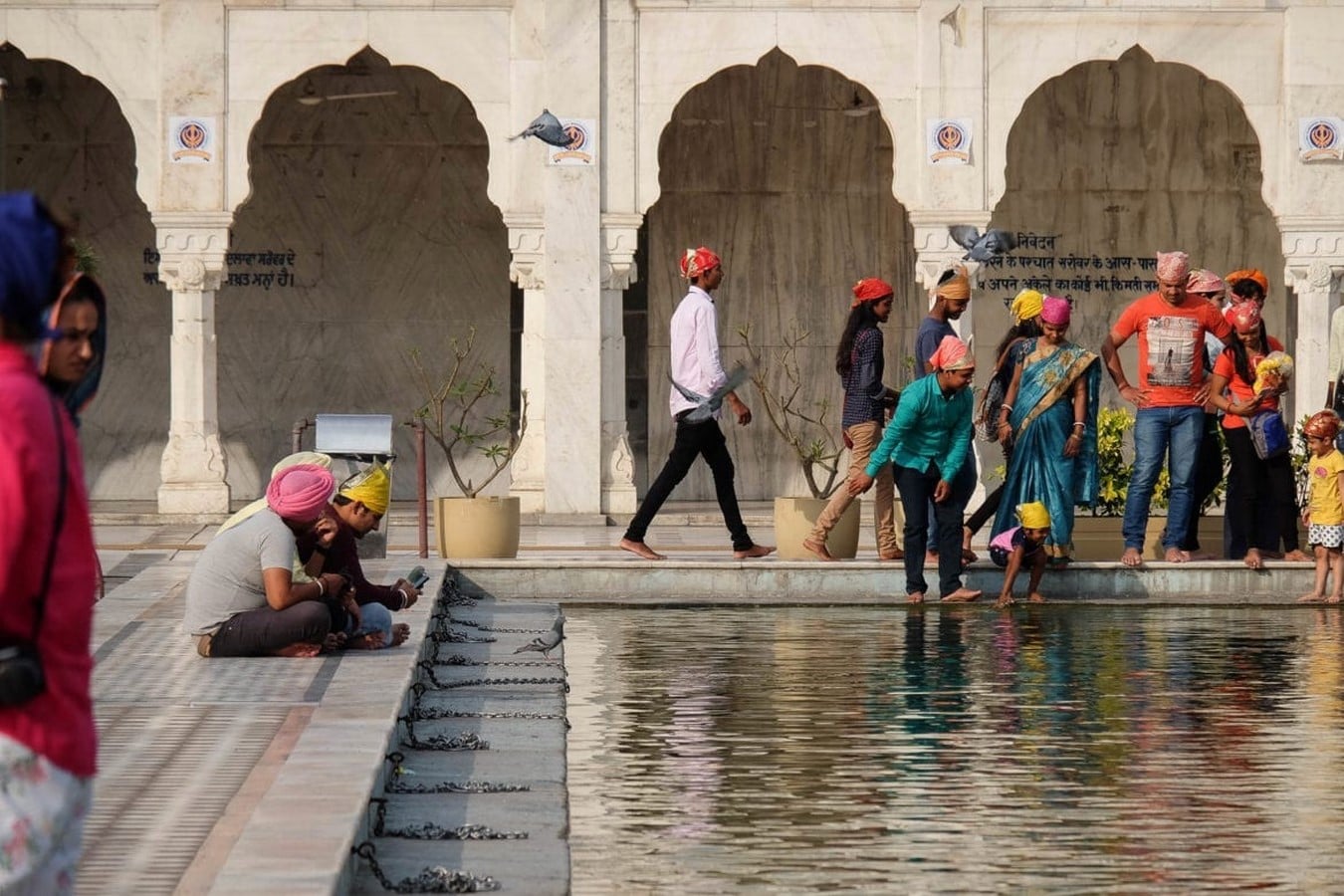
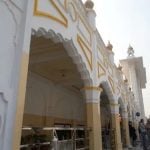
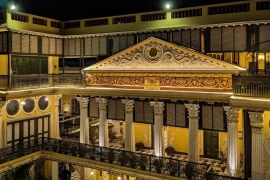
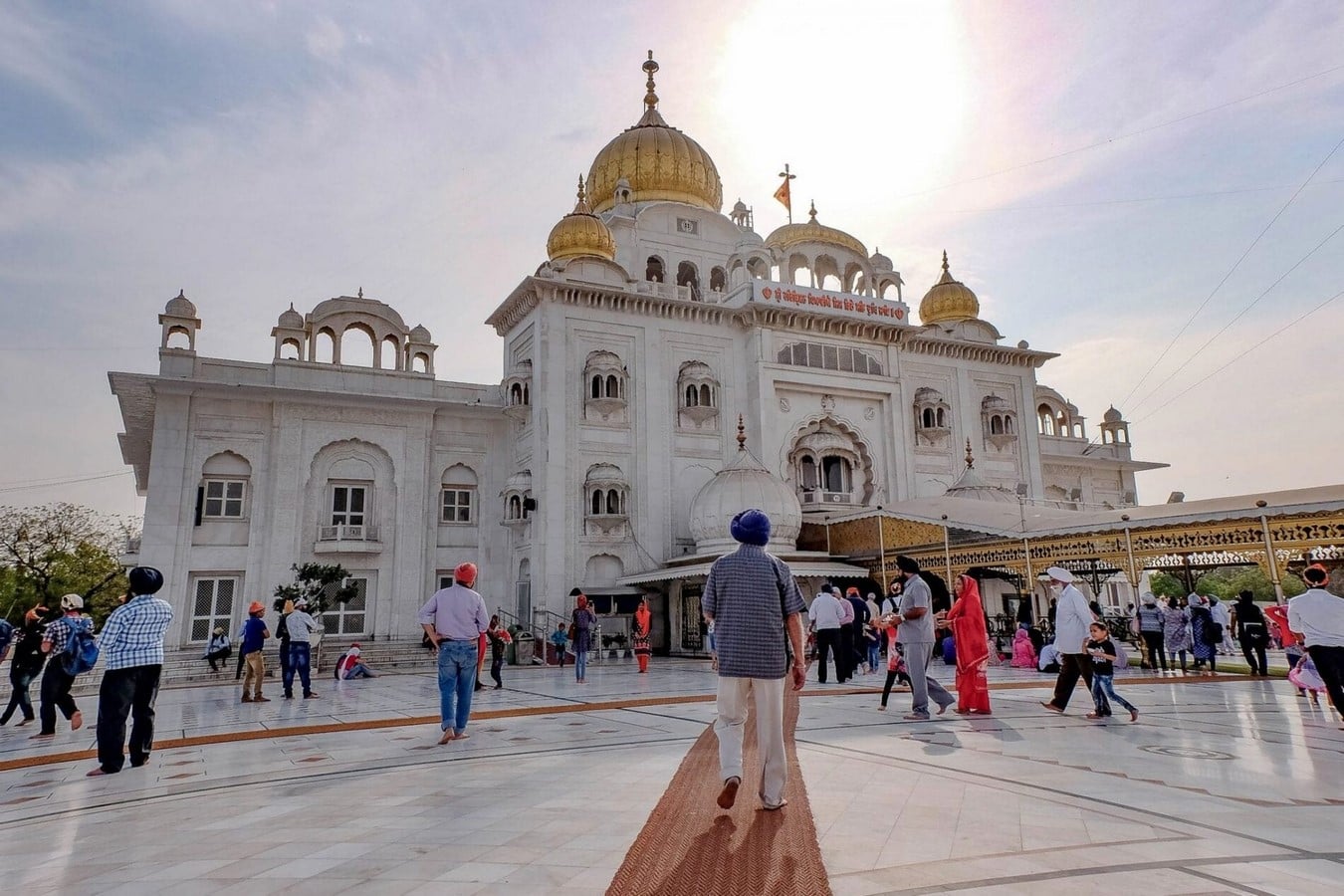
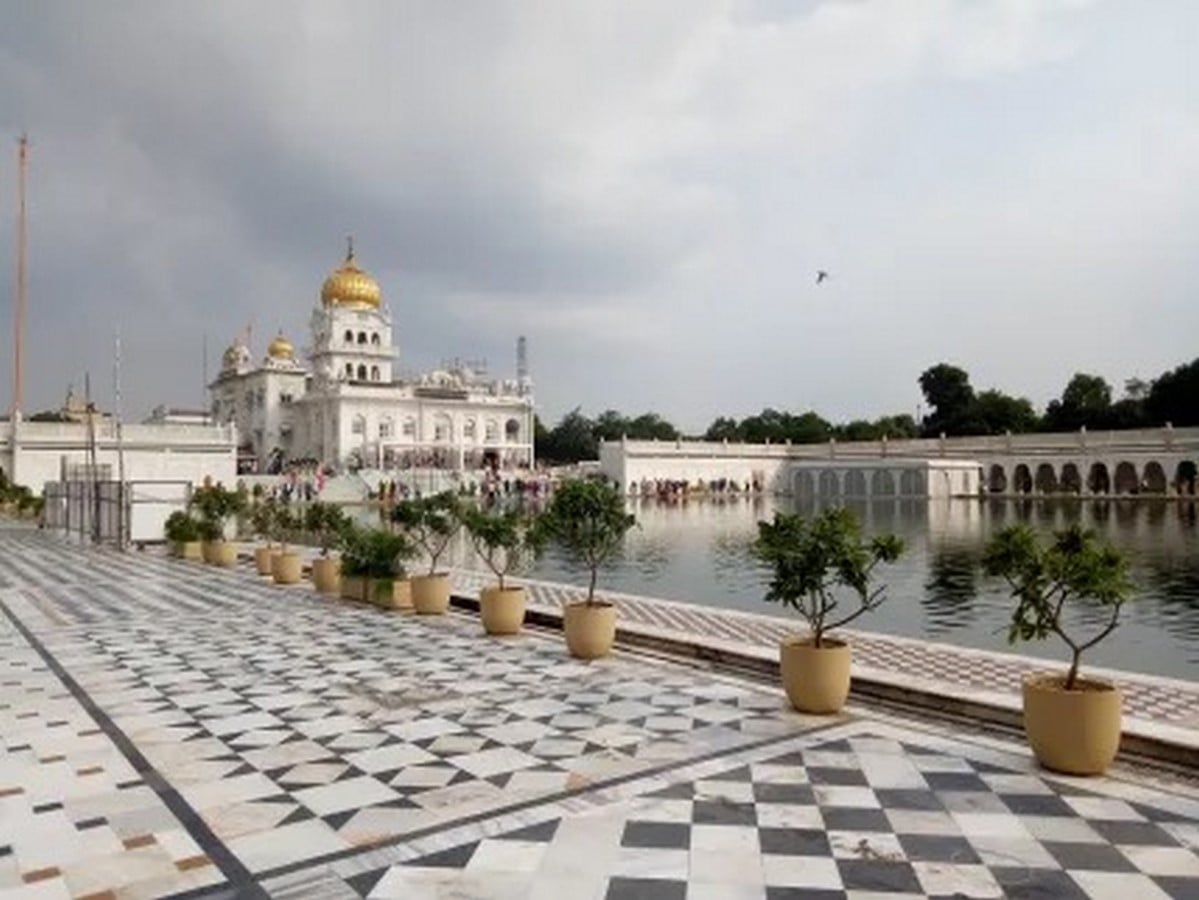
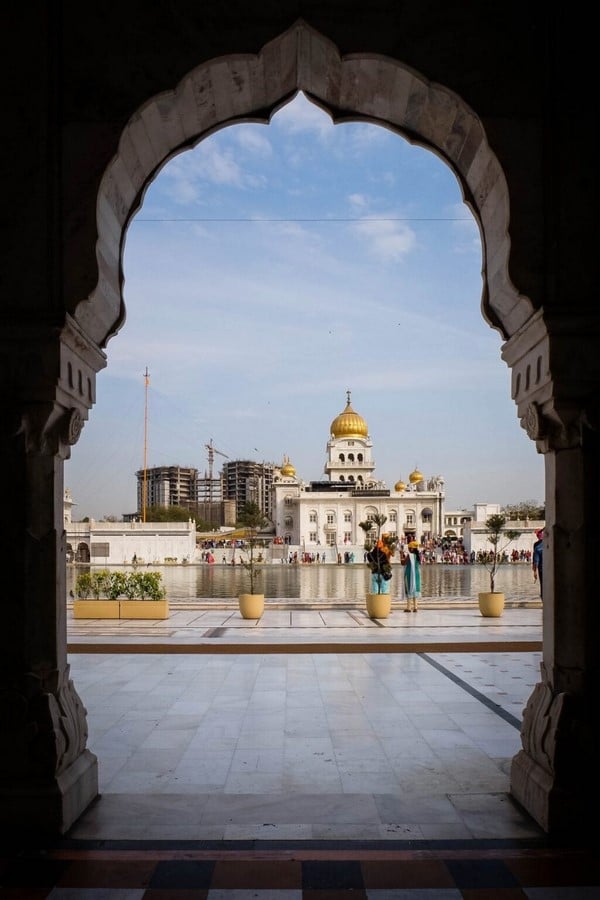
Sikh architecture, a harmonious blend of Mughal, Islamic, and Hindu influences, has evolved into a distinct style that graces Sikh places of worship, known as gurdwaras. Gurdwaras are renowned for their grandeur, intricate details, and spiritual significance
Key Architectural Elements of Sikh Gurdwaras:
- Deori (Gateway): The main entrance, often imposing and adorned with intricate carvings.
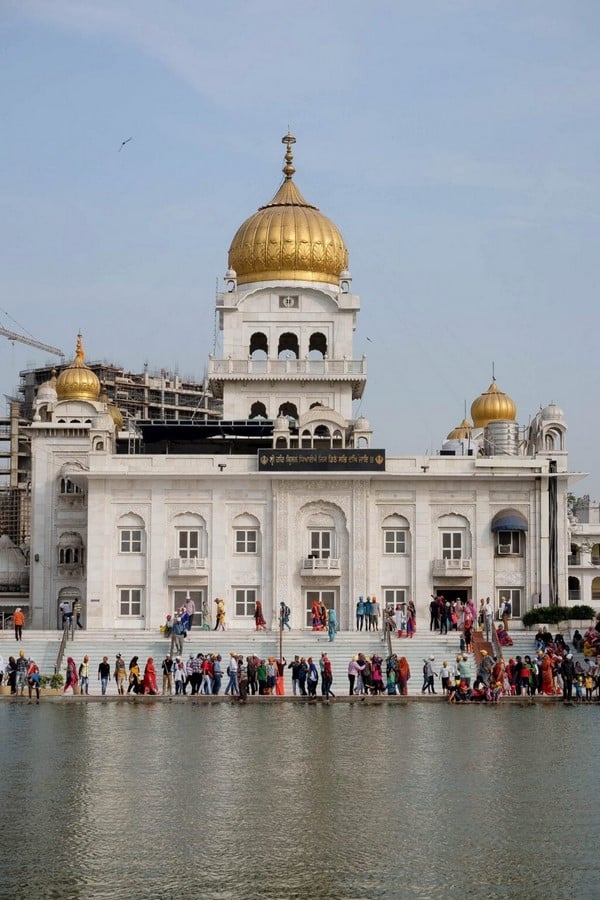
- Gumbad (Dome): A prominent feature, typically white or gilded, often surrounded by smaller cupolas.
- Two-Storey Structure: A common design element, providing elevation to the shrine.
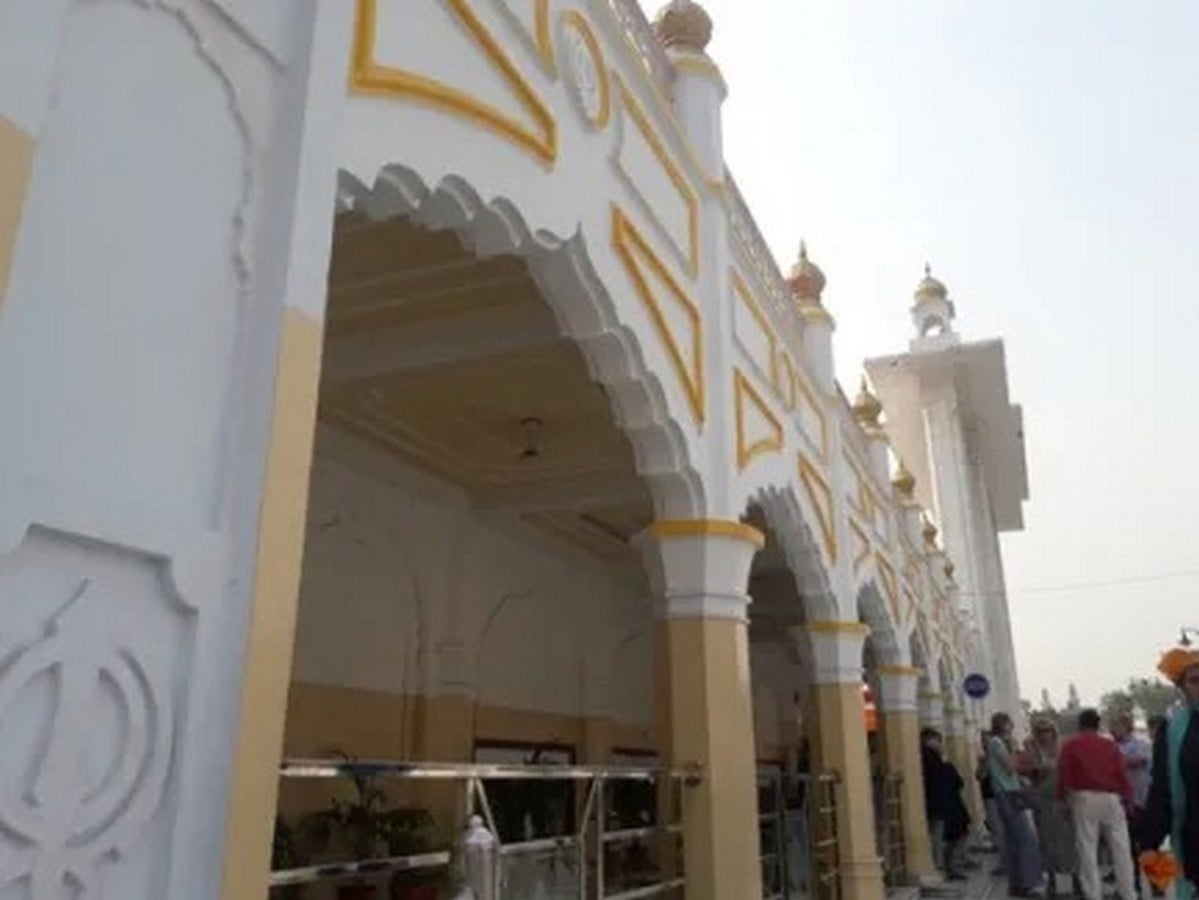
- Arches: Varied types of arches, including pointed, semicircular, elliptical, and ogee, are used extensively.
Decorative Techniques:
- Jarakari (Inlay Work): Intricate patterns created using materials like plaster of Paris, marble, and precious stones.
- Tuer Work: A type of stucco work involving geometric and floral motifs.
- Fresco Painting: Murals depicting religious scenes and historical events.
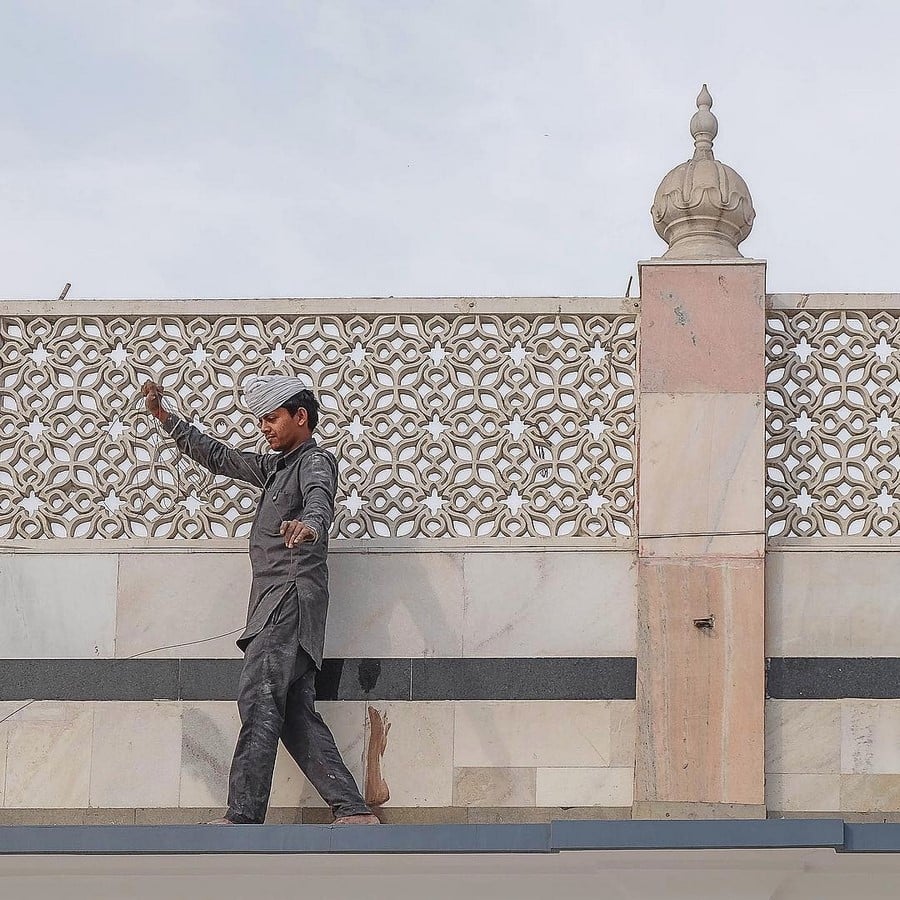
- Pinjra (Lattice Work): Delicate screens made of wood or stone, often used for ventilation and decoration.
- Gach Work: A plaster technique involving intricate carvings and gilded details.
Interior Features:
- Main Hall: Ornate interiors with gold leaf-covered walls, crystal chandeliers, and beautiful carvings.
- Healing Pool: A sacred pool believed to have healing properties, often inhabited by fish.
A Place of Service and Devotion
Gurudwara Bangla Sahib is more than just a religious site; it’s a hub of community service. The Langar, a free communal kitchen, serves thousands of meals daily, regardless of caste, creed, or religion. The Sarovar, believed to have healing properties, attracts devotees who seek blessings and spiritual purification.
The Sacred Sarovar
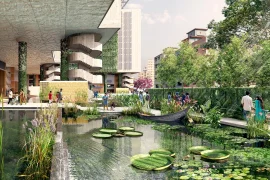
The Sarovar, a holy pool within the complex, holds immense significance for Sikhs. It is believed to have healing properties, and devotees often take a dip in its waters or collect holy water to take home. The Sarovar is surrounded by beautiful gardens and is a serene place to meditate and contemplate.
The Langar: A Symbol of Sikh Hospitality
The Langar, a free community kitchen, is a cornerstone of Sikh tradition. At Gurudwara Bangla Sahib, the Langar serves thousands of meals daily, offering a sumptuous vegetarian feast to all visitors, regardless of their religion or social status.
Daily Rituals and Celebrations
The Gurdwara follows a daily routine of prayers, hymns, and readings from the holy scriptures. Special prayers and celebrations are held at important Sikh festivals like Guru Nanak Jayanti, Diwali, and Baisakhi.
Issues and Improvements
Issues:
- Overcrowding: During peak times, especially on weekends and festivals, the Gurdwara can become overcrowded, leading to long queues and inconvenience for visitors.
- Traffic Congestion: The surrounding areas often experience traffic congestion, making it difficult to reach the Gurdwara, especially during peak hours.
- Pollution: Air and noise pollution can impact the serene atmosphere of the Gurdwara.
- Commercialization: Increased commercial activities in the vicinity can sometimes detract from the spiritual ambiance.
Improvements:
- Better Crowd Management: Implementing effective crowd control measures, such as timed entry or online ticketing, can help alleviate overcrowding.
- Improved Infrastructure: Expanding parking facilities, improving public transportation access, and creating dedicated pedestrian zones can help reduce traffic congestion and enhance visitor experience.
- Environmental Initiatives: Promoting eco-friendly practices, such as reducing plastic usage and planting more trees, can help mitigate pollution and create a greener environment.
- Preserving Spiritual Ambiance: Stricter regulations on commercial activities can help maintain the spiritual atmosphere of the Gurdwara.
By addressing these issues and implementing these improvements, Gurudwara Bangla Sahib can continue to be a spiritual haven in Delhi, offering solace, service, and spiritual enlightenment to millions of visitors.
Gurudwara Bangla Sahib stands as a testament to the enduring spirit of Sikhism, offering a serene sanctuary amidst the bustling city of Delhi. Its rich history, stunning architecture, and unwavering commitment to service make it a significant pilgrimage site for Sikhs and a popular tourist destination. While the Gurdwara faces challenges such as overcrowding and pollution, ongoing efforts to improve infrastructure and maintain its spiritual ambience are essential. By preserving its cultural and historical significance, Gurudwara Bangla Sahib can continue to inspire and uplift generations to come.
References:
Rawat, A. (2024). BANGLA SAHIB. [online] Scribd. Available at: https://www.scribd.com/document/406623176/BANGLA-SAHIB [Accessed 2 Dec. 2024].
McClane, D. (2018). Gurudwara Bangla Sahib Temple: A Tranquil Haven in the Centre of Delhi – Man Vs Globe. [online] Man Vs Globe. Available at: https://www.manvsglobe.com/gurudwara-bangla-sahib-sikh-temple-delhi/.
Dr. Hamad Rizwi (2021). Gurdwara Bangla Sahib-Sikh House of Worship-History & facts. [online] History To Heritage. Available at: https://www.historytoheritage.com/gurdwara-bangla-sahib-facts-and-history/amp/ [Accessed 2 Dec. 2024].
Image References:
McClane, D. (2018). Gurudwara Bangla Sahib Temple: A Tranquil Haven in the Centre of Delhi – Man Vs Globe. [online] Man Vs Globe. Available at: https://www.manvsglobe.com/gurudwara-bangla-sahib-sikh-temple-delhi/
to, C. (2024). Maharaja of Jaipur (1611-1667). [online] Wikipedia.org. Available at: https://simple.wikipedia.org/wiki/Jai_Singh_I [Accessed 2 Dec. 2024].
Dr. Hamad Rizwi (2021). Gurdwara Bangla Sahib-Sikh House of Worship-History & facts. [online] History To Heritage. Available at: https://www.historytoheritage.com/gurdwara-bangla-sahib-facts-and-history/[Accessed 2 Dec. 2024].