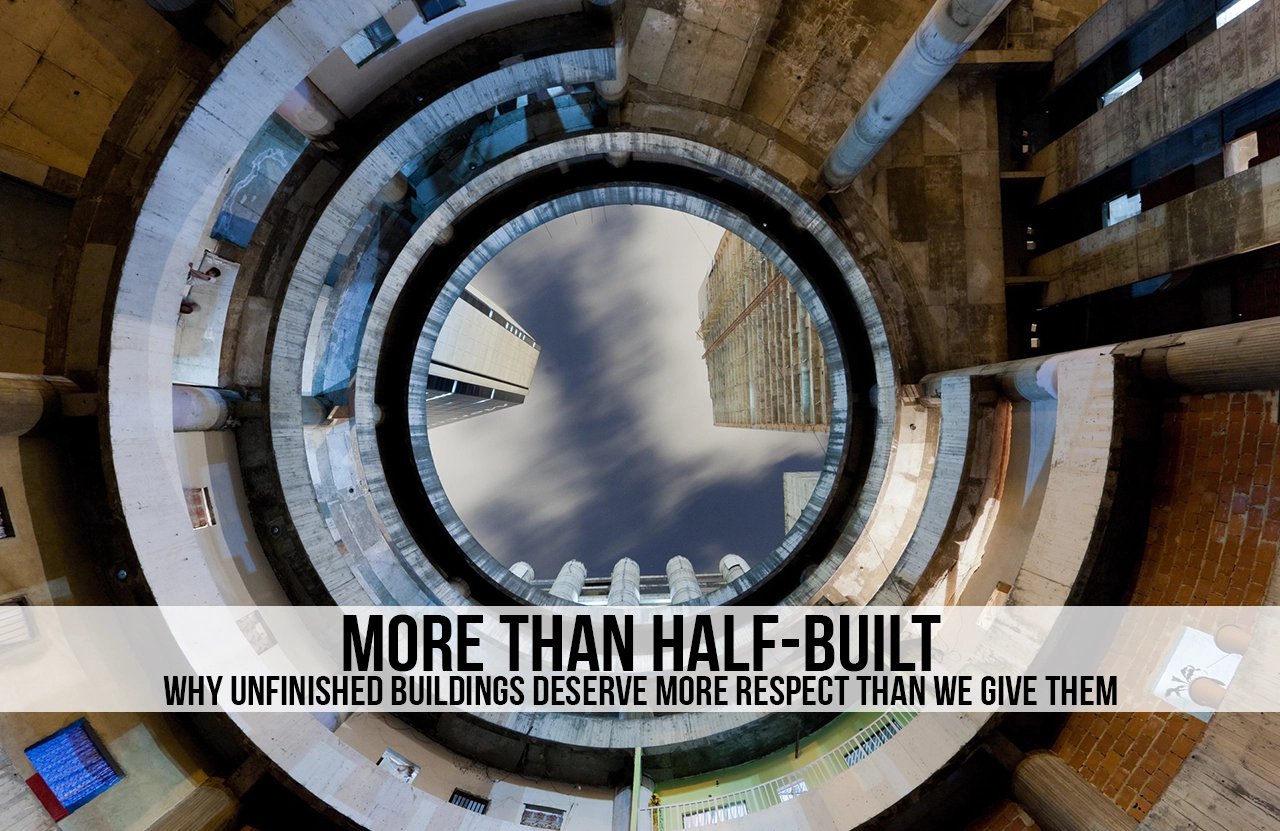
A concrete frame standing against the sky is often dismissed as an eyesore. Exposed columns, incomplete staircases and weathered scaffolding quickly become symbols of failure, abandoned ambition or stalled development. People pass these structures every day without giving them a second thought. Yet unfinished buildings tell stories that finished ones often cannot. They capture moments when economies changed, communities shifted, funding disappeared, or priorities were rewritten.
In many ways, architecture is usually judged only when it reaches completion. Buildings that remain unfinished are seen as mistakes rather than as records of the complex processes behind construction. Looking beyond their incomplete appearance reveals that these structures are not simply empty shells. They are physical evidence of changing cities, interrupted dreams and the realities that shape the built environment.
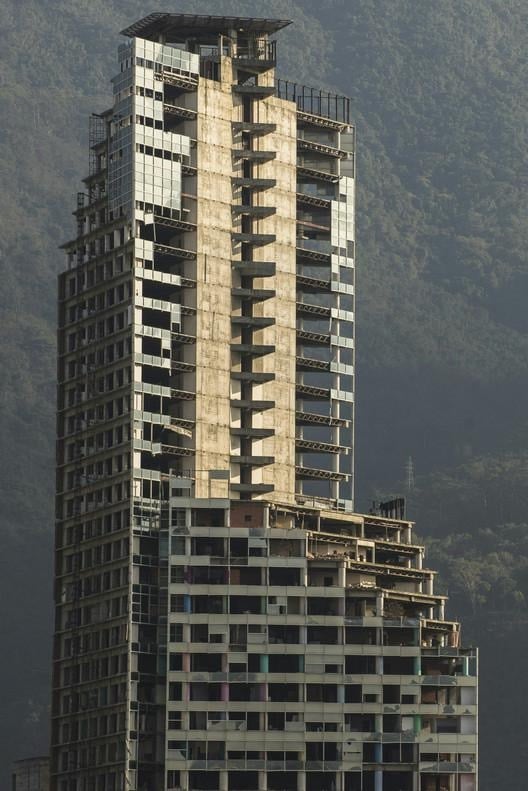
Every Building Has a Story, Even If It Never Opens
Architectural discussions often celebrate completed projects. Awards recognise finished buildings, photographs showcase polished façades and case studies highlight successful outcomes. Rarely does attention turn towards projects that never reached the finish line.
Yet an unfinished building represents years of planning, design decisions and labour. Architects, engineers, contractors and workers all leave traces of their efforts within its exposed structure. Although the intended programme may never become reality, the building still documents a chapter in the life of a place.
Seen this way, incomplete architecture becomes part of a city’s memory rather than an absence within it.
Unfinished Buildings Reveal How Cities Really Grow
Cities rarely develop in neat, predictable stages. Economic downturns, political changes, legal disputes and environmental events frequently interrupt construction. These interruptions become visible through half-built towers, abandoned housing projects and incomplete public buildings.
Rather than viewing them only as failures, they can also be understood as evidence of urban change. Each unfinished structure reflects the conditions of its time. Some halted because industries declined. Others paused when populations shifted or priorities changed.
These buildings remind us that urban development is not a perfectly controlled process. It is shaped by uncertainty, negotiation and constant adaptation.
Beauty Does Not Always Depend on Completion
There is something unexpectedly compelling about an unfinished structure. Bare concrete reveals how loads are carried. Exposed steel shows the logic behind the building’s frame. Without cladding or decoration, the structure becomes honest about how it stands.
Architects often speak about celebrating construction rather than hiding it. Unfinished buildings unintentionally do exactly that. They expose the skeleton that completed projects usually conceal.
This does not mean every abandoned building should remain untouched. Instead, it encourages a different way of looking—one that recognises beauty in process as well as in perfection.
New Possibilities Hidden Inside Old Structures
An unfinished building is not always the end of a project. In many cities, incomplete structures have found new lives through adaptive reuse.
Former industrial buildings have become cultural centres, warehouses have been transformed into galleries, and abandoned commercial projects have been reimagined as housing, schools or community spaces. These transformations reduce demolition waste while making use of existing resources.
For architecture, this represents an important lesson. Designing sustainably is not only about creating new buildings but also about recognising the potential already standing within our cities.
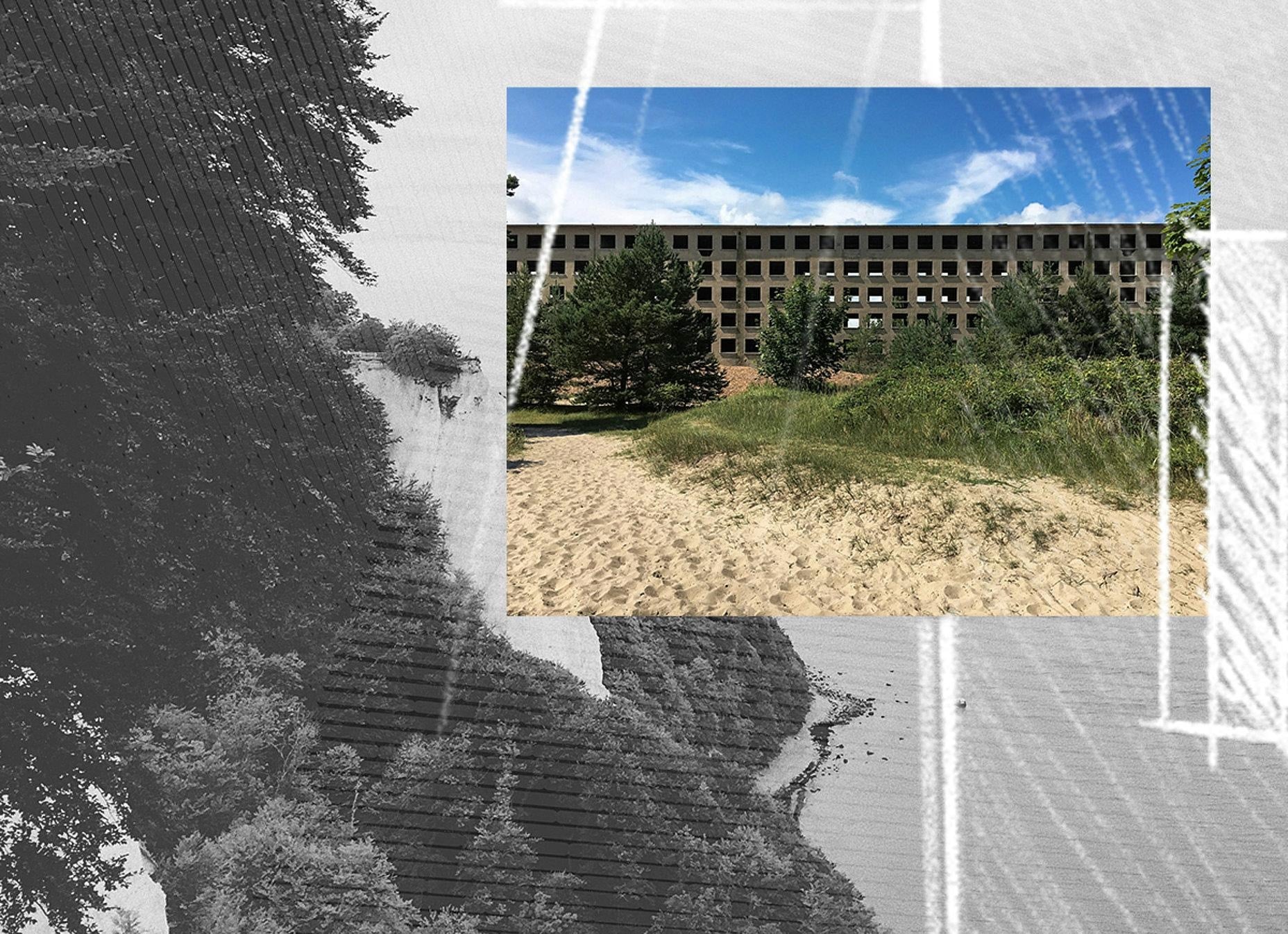
The Human Side of Incompletion
Behind every unfinished building are people whose plans changed. A family waiting to move into a new home, workers whose employment ended unexpectedly, or communities that anticipated new schools, hospitals or public spaces all become part of the building’s story.
Remembering this human dimension changes the way these structures are viewed. They are no longer anonymous concrete frames but places connected to real aspirations and real disappointments.
Respecting unfinished architecture therefore also means acknowledging the lives intertwined with it.
Rethinking What Success Looks Like
Architecture is often measured by completion dates, awards or iconic images. While these achievements matter, they should not become the only way of understanding the built environment.
Unfinished buildings ask different questions. What happens when ambitious projects meet economic reality? How should cities respond to changing needs? Can existing structures be adapted instead of erased?
These questions are becoming increasingly relevant as architects confront climate change, resource scarcity and rapid urban transformation. Sometimes the most responsible decision is not to begin again, but to work thoughtfully with what already exists.
Unfinished buildings may never appear on postcards or architectural award lists, yet they deserve more attention than they usually receive. They reveal the uncertainties behind development, preserve traces of collective effort and remind us that architecture is a process as much as it is a finished object.
Perhaps the real value of these structures lies in their ability to challenge expectations. They encourage people to see cities not as collections of perfect buildings but as places constantly evolving through ambition, compromise and change.
The next time an unfinished building appears along a familiar street, it may be worth pausing before calling it a failure. Sometimes the most meaningful architecture is not the building that reaches completion, but the one that quietly reveals everything that happened along the way.