Immersing oneself in art seen in a museum is a lost art. In today’s day and age, when digital media and technology have taken over, one art collective has utilised it by combining the forgotten art of losing yourself in an artwork with their pioneering sensory technology.
About the Artist
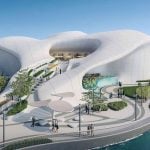
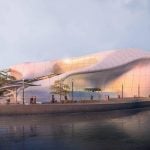
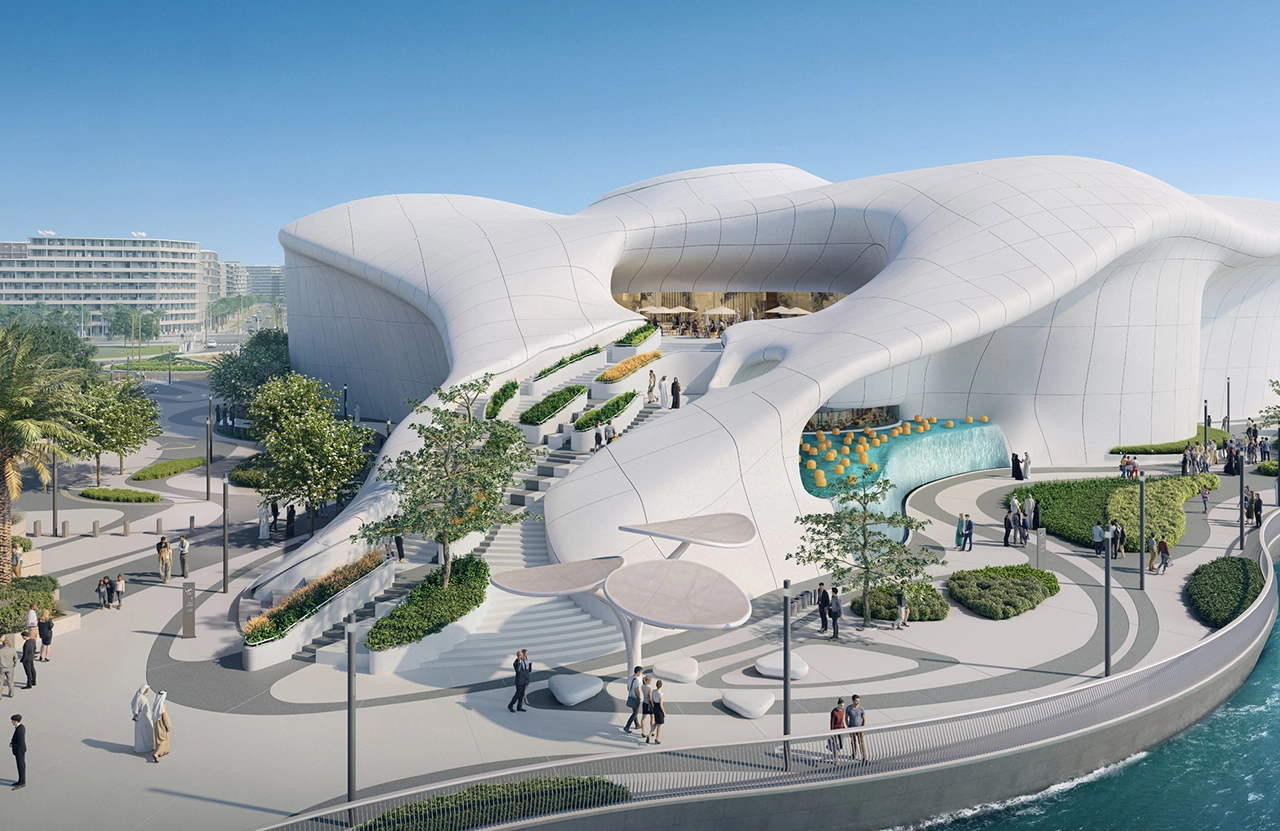
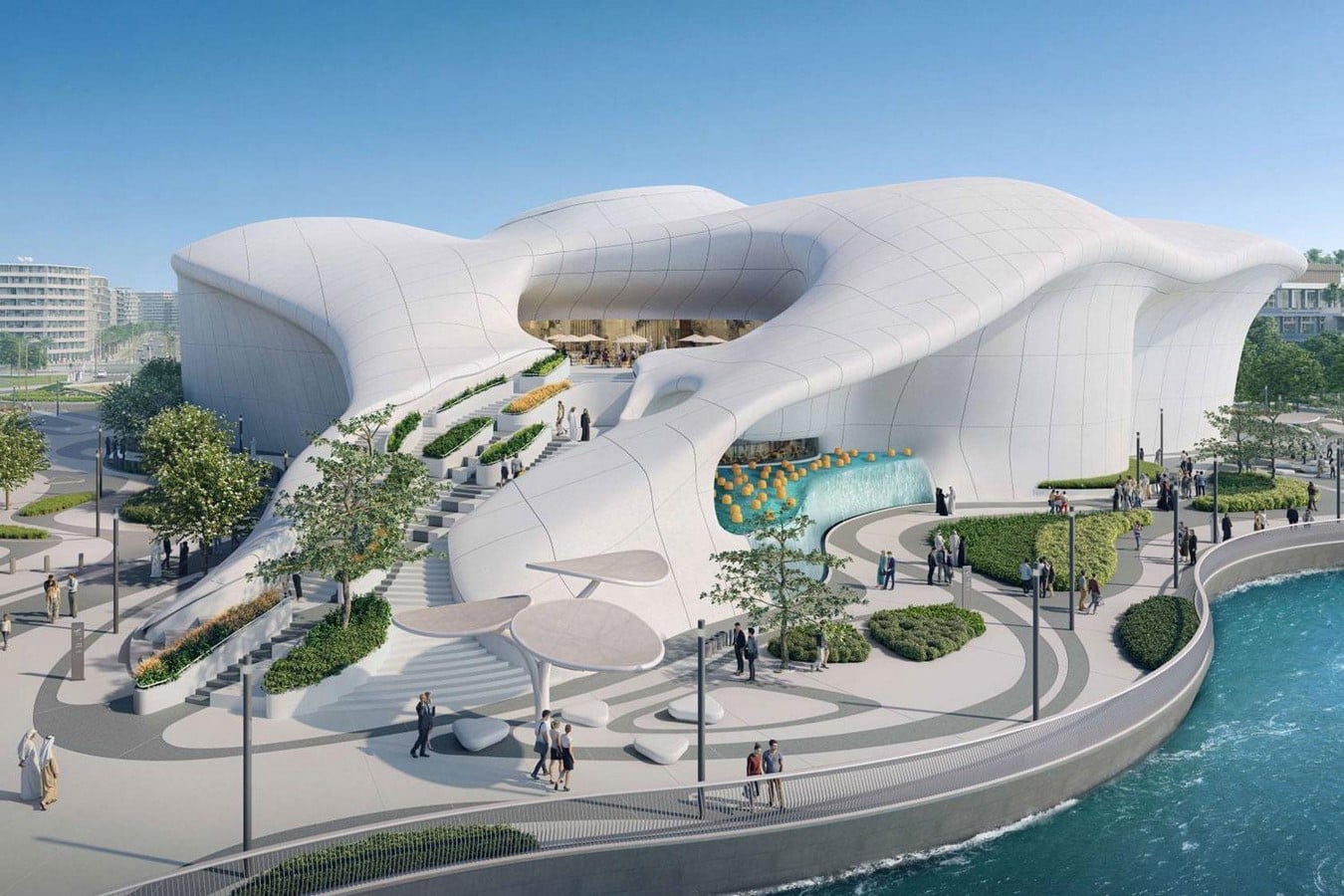
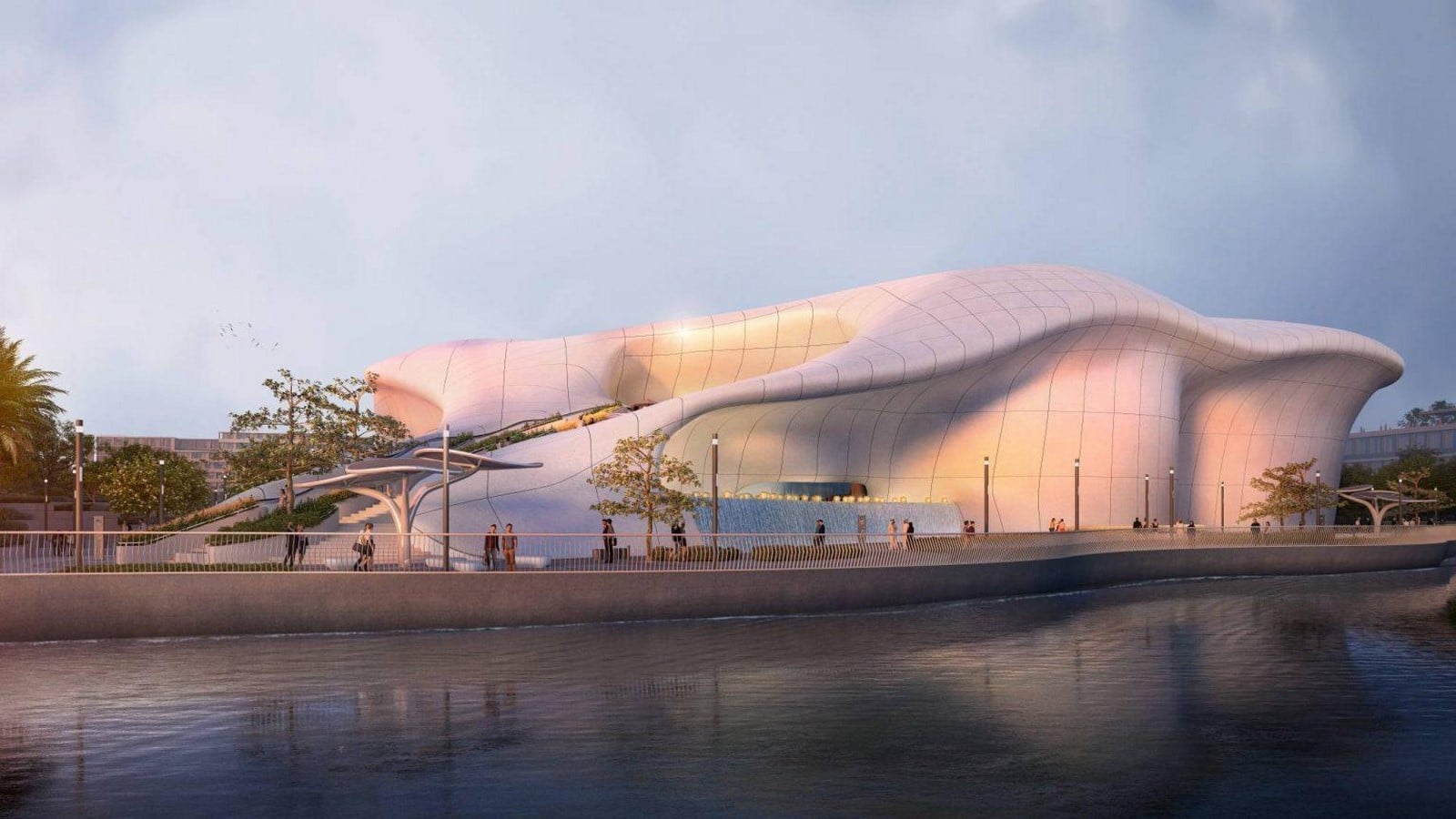
TeamLab is an international art collective, formed in 2001. Its collaborative practice focuses on navigating the confluence of art, science, technology and the natural world. This interdisciplinary group of specialists include artists, programmers, engineers, CG animators, mathematicians and architects who explore the primal relationships between man and the world, through new forms of perception. The building, designed by teamLab Architects in collaboration with MZ Architects, takes the form of a low-profile, flowing white structure with an organic geometry. Its continuous, fluid design serves as a physical extension of the immersive and interactive experiences housed within. Each exhibit is living and evolving, shaped not only by natural forces but also by the user’s interaction and engagement. The feeling of every user experiences the exhibit as their own, ultimately creating truly unique art. (“inside teamLab phenomena abu dhabi,” n.d.)
TeamLab Phenomena Abu Dhabi showcases groundbreaking artworks by the international art collective teamLab. The balance between nature, the manufactured world and the environment inspires the installations. (“teamLab Phenomena Abu Dhabi – A Multi-Sensory Art Experience,” n.d.)
The Artworks
Using countless interacting particles and lines, butterflies, cloud formations, and more, the artists invite the visitors to play, explore, and change their perspective on life around them.
Located on Saadiyat Island, Abu Dhabi’s cultural epicentre, teamLab Phenomena is not just a museum, but a journey. The installations come alive in their environment, and the user becomes the catalyst through their interactions. Toshiyuki Inoko, teamLab’s founder, believes the phenomenon isn’t just art manifesting itself; it’s life blending with its surroundings. (“teamLab Phenomena Abu Dhabi – A Multi-Sensory Art Experience,” n.d.)
He explains it beautifully:
“Unlike a stone, a vortex does not sustain itself; it evolves with the surrounding currents… The boundaries of its existence are ambiguous, and there is no material distinction between the vortex and its surroundings.”(“TeamLab Phenomena Abu Dhabi: Art Meets Science | Alike,” n.d.)
The floor is quite ambiguous in nature, sculpted in three dimensions and encouraging visitors to experience each exhibit by giving in to the artwork’s sentient nature. The collective calls this the ‘spontaneous order’, where every exhibit is charged with light, scent and sound. As each imprint shapes how others perceive the art, it becomes a space where the audience joins the artists themselves. Some of the standout artworks are as follows:
- Morphing Continuum
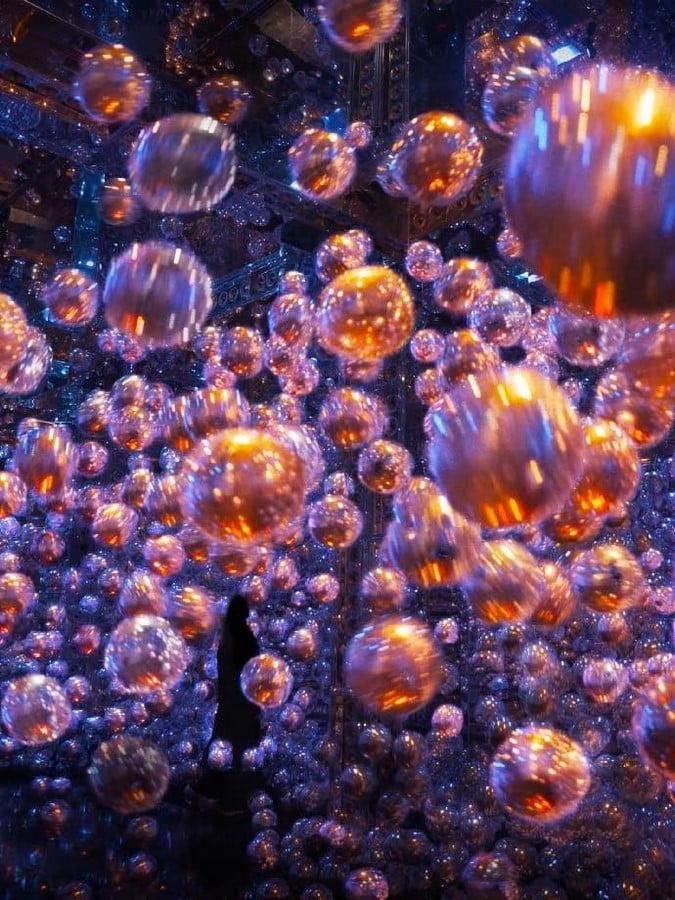
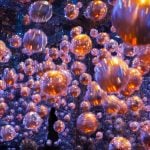
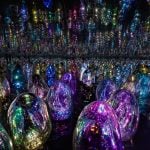
This exhibit houses floating, moving sculptural elements that exist in a dynamic field propelled by wind and user activity. Composed of glowing spheres suspended in space, the installation blurs the boundaries between object, environment, and visitor. As people move through the work, the individual elements shift and even appear to break apart. Yet, the sculpture naturally re-forms, demonstrating a resilient spatial order rather than a dependence on a fixed physical form.
2. Levitation Void
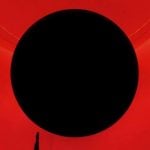
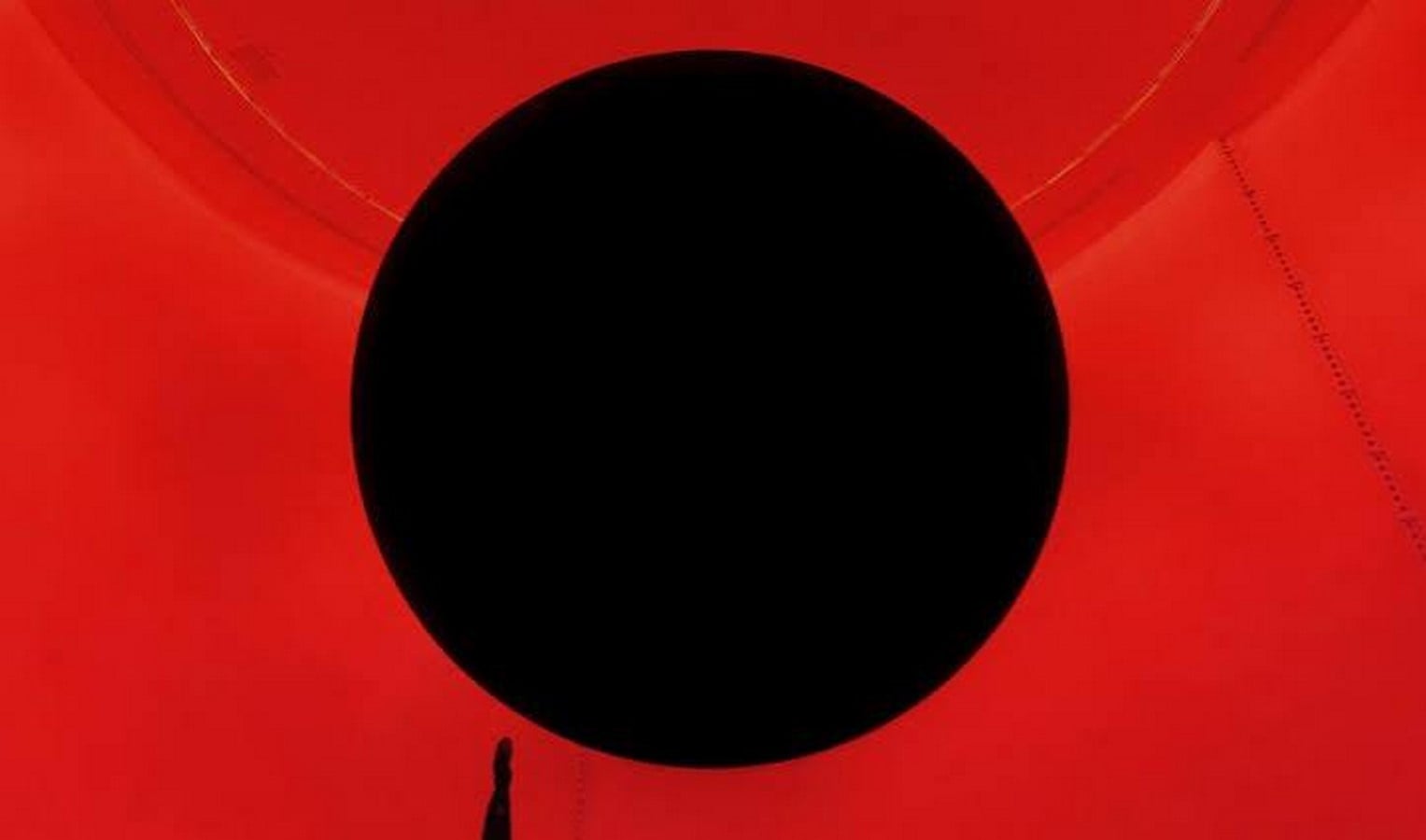
Levitation Void reimagines sculpture as an intangible, ever-changing presence rather than a static. The installation features a dark, floating form that hovers effortlessly in mid-air, neither supported from above nor anchored to the ground, which is the primal point of focus. Its position shifts as it gently rises, descends, or even collapses before gradually restoring itself, creating the impression of the inevitable cycle of life – how every living thing is governed not by any mechanical source but simply by its surroundings.
- Light Vortex
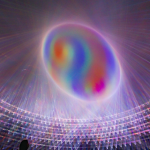
Inspired by the natural phenomenon of an ocean vortex, the installation uses streams of light to create a dynamic structure emerging from its surroundings. Although the light inside and outside the vortex is identical, its organised movement creates the illusion of two different patterns, and how these relationships can define space.
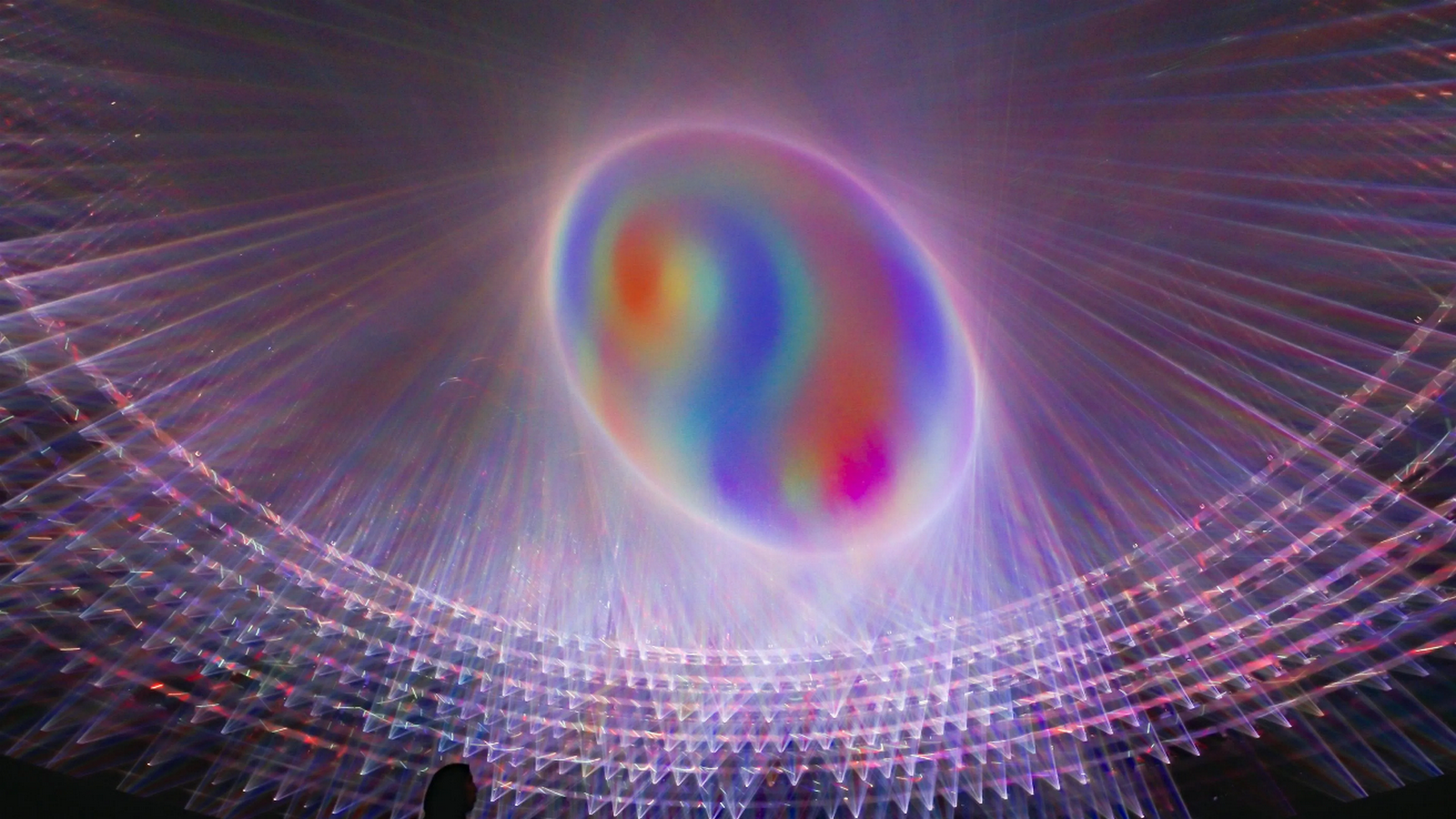
It draws on the idea of a bio cosmos, in which individual elements come together through an invisible spatial order to form a unified whole. By replacing the solid elements typically used, the exhibit focuses on laser-pointed light beams to experience space as semi-transparent. It aims to challenge conventional views of permanence and to push people to experience space as an evolving phenomenon.
4. Order in Chaos
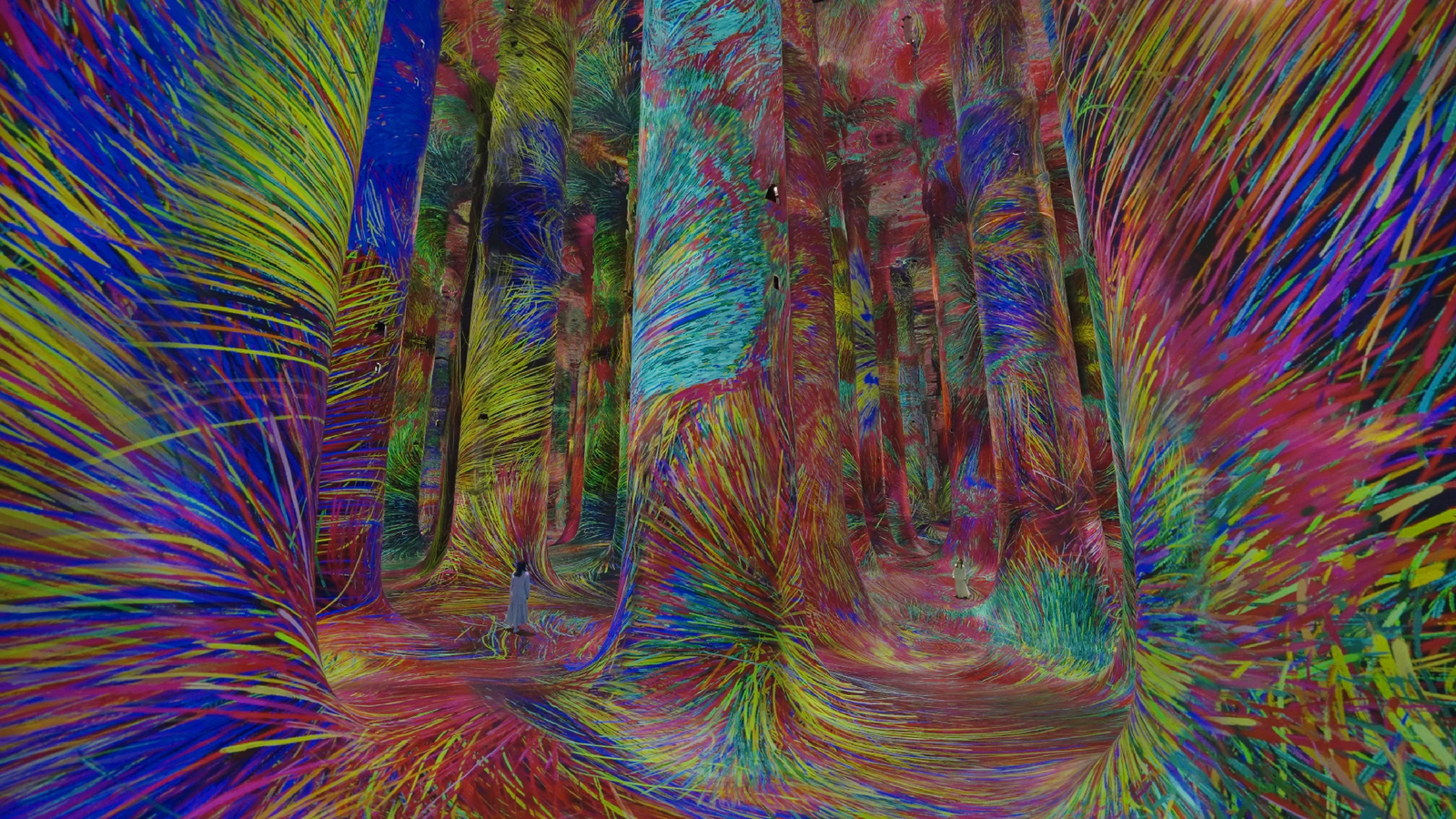
Order in Chaos explores how simple interactions can give rise to complex and ever-evolving patterns. Each element exchanges colour with the other upon human interaction, and the installation continuously generates spontaneous order from apparent disorder. Although the individual strokes are constantly changing and being replaced, they collectively maintain a unified identity, depicting how real relationships and patterns share a common meeting point that defines existence.
Unlike conventional visual art that creates the illusion of depth on a flat surface, Order in Chaos dissolves the boundary between artwork and observer. The digital environment occupies the same physical space as the visitor, allowing the artwork to extend across walls and floors while responding to human presence.
Materials
At teamLab Phenomena Abu Dhabi, artworks are not constructed from traditional physical building materials. Instead, the art is made of “phenomena”—the dynamic interactions of light, air, water, temperature, and sound.
While the exhibits have no static physical “material” themselves, the underlying technical materials and media used to manifest these phenomena include:
Light & Shadows: Glowing/dark spheres and laser projections that adapt in real-time to your presence and touch.
Water: Immersive, barefoot environments where projected digital water flows, ripples, and cascades, responding to visitors’ movements in shallow pools.
Air & Fog: Installations where invisible air currents (wind), fog effects, and dense clouds of physical soap bubbles take shape.
Mirrors & Glass: Reflective surfaces used to fragment and expand the light particles, creating the illusion of infinite, continuous voids.
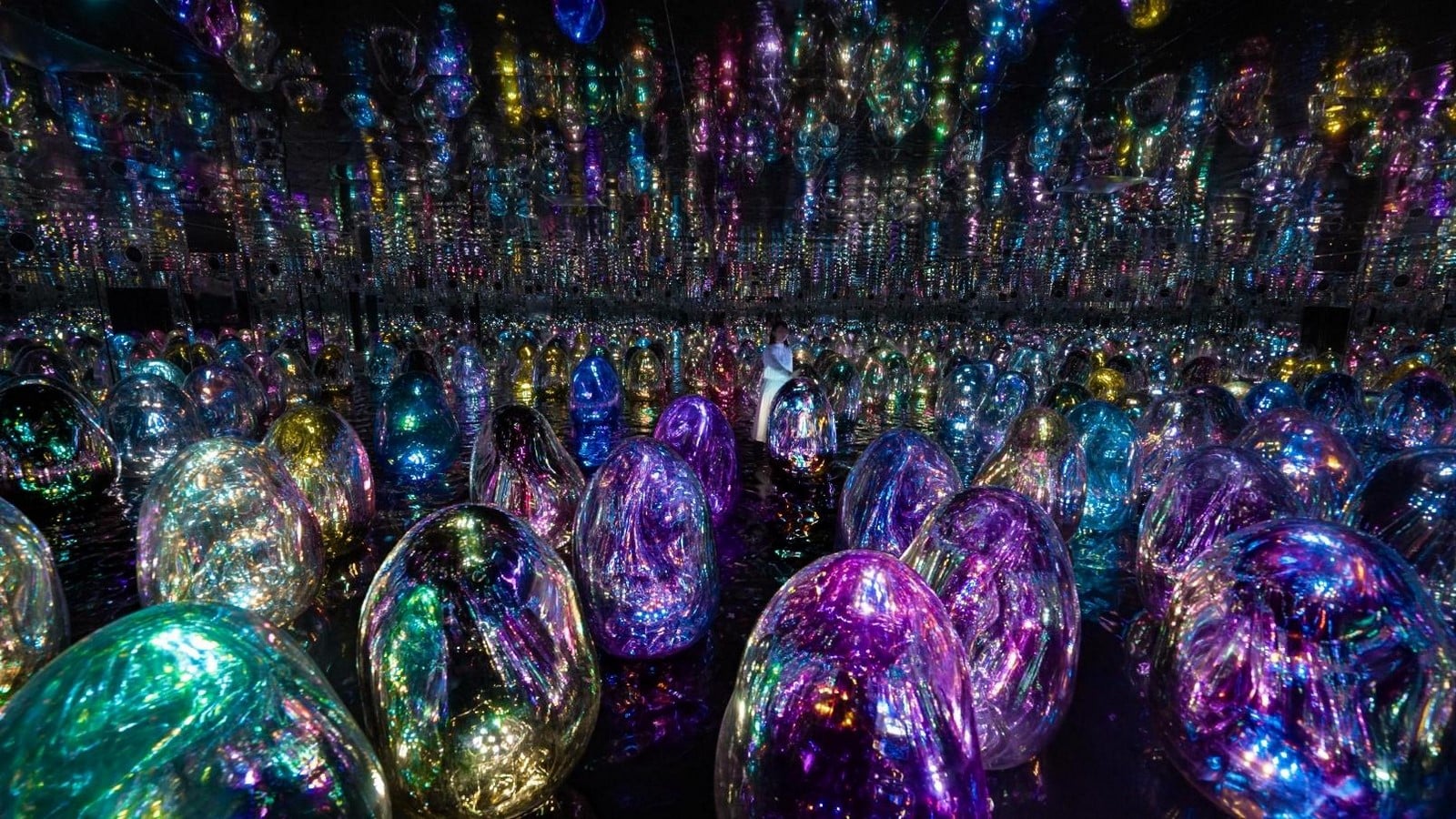
Rather than technology taking over in a space heavily reliant on digital media, it simply enhances it. It serves as a medium for redefining how we, as humans, perceive spatial experience. Through these constantly evolving environments, across light, movement, and sound, it’s human interaction that weaves them. Each exhibit, allowing the user to participate rather than being a passive explorer, manages to fixate the user’s attention on the art itself. Collectively, they challenge our conventional notions of permanence and offer a vision of how architecture can truly blend with the surroundings.
References:
inside teamLab phenomena abu dhabi [WWW Document], n.d. URL https://www.designboom.com/art/inside-a-museum-light-energy-natural-order-monumental-teamlab-phenomena-abu-dhabi-open-04-11-2025/ (accessed 7.20.26).
teamLab Phenomena Abu Dhabi – A Multi-Sensory Art Experience [WWW Document], n.d. URL https://www.teamlababudhabi.com/ (accessed 7.19.26).
TeamLab Phenomena Abu Dhabi: Art Meets Science | Alike [WWW Document], n.d. URL https://alike.io/blog/teamlab-phenomena-abu-dhabi (accessed 7.20.26).