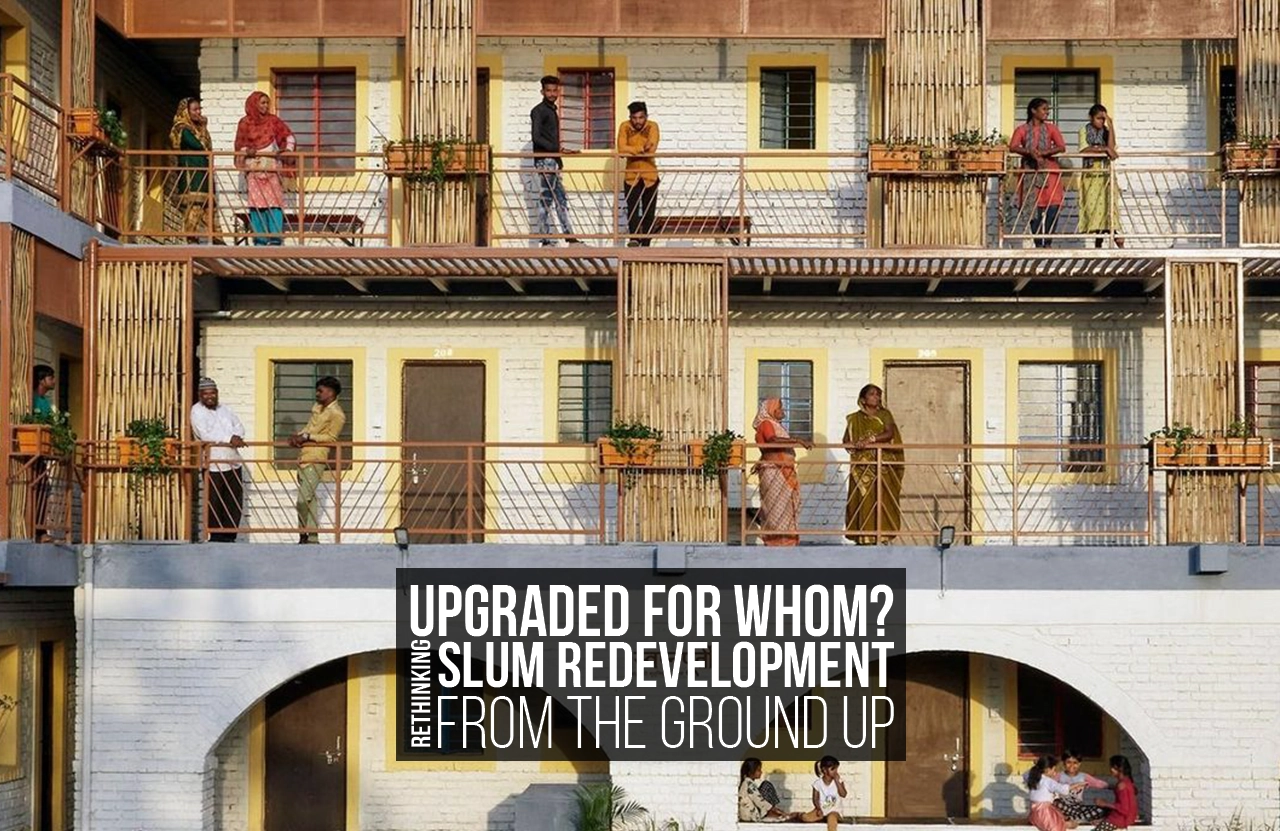
There’s a very common perception that slum inhabitants who have been shifted to high-rise buildings under policies and yojanas rent out their pucca houses and move back to the slum. There is some truth to this claim. But there’s nuance to why this is the case. This article examines how slum redevelopment often fails to involve the very people it wishes to uplift. Why are the same people who build up urban landscapes left behind?
Why Are Slums A Problem?
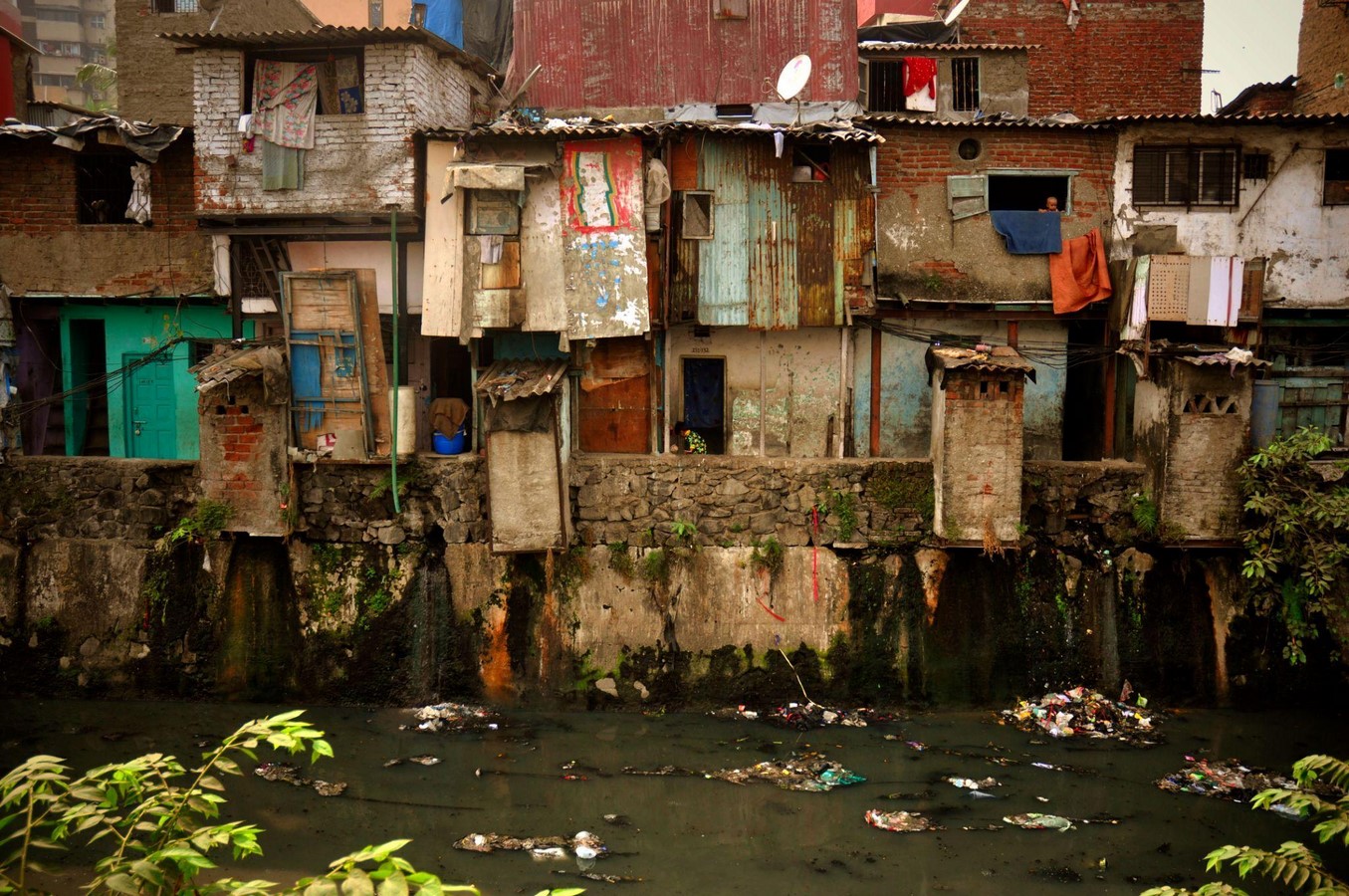
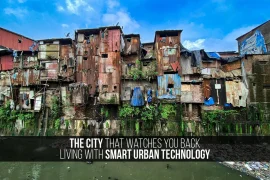
UN-HABITAT defines a slum by what they lack: durable housing, sufficient living space, access to safe water, access to adequate sanitation and security from forced eviction. It fails to consider slums as dense, built by the people who build their own economic system through informal industries and neighbourhood economies. This is where the planning goes wrong. Slums are looked at as a “housing problem” when they are functional communities. Slums are only a challenge when the goal of the city is beautification and rapid urbanisation. This is further accelerated by the City Beauty Competitions and the Smart Cities Mission.
Slum Redevelopment policies are often expert-led and rarely centre around the people who inhabit those spaces. Here, it becomes critical to assess the difference between slum upgradation and slum clearance.
Slum Upgradation and Slum Clearance
To put it simply, slum clearance involves displacement and destruction, building from the ground up. While slum upgradation provides infrastructure and support without displacing the people.
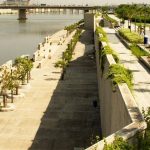
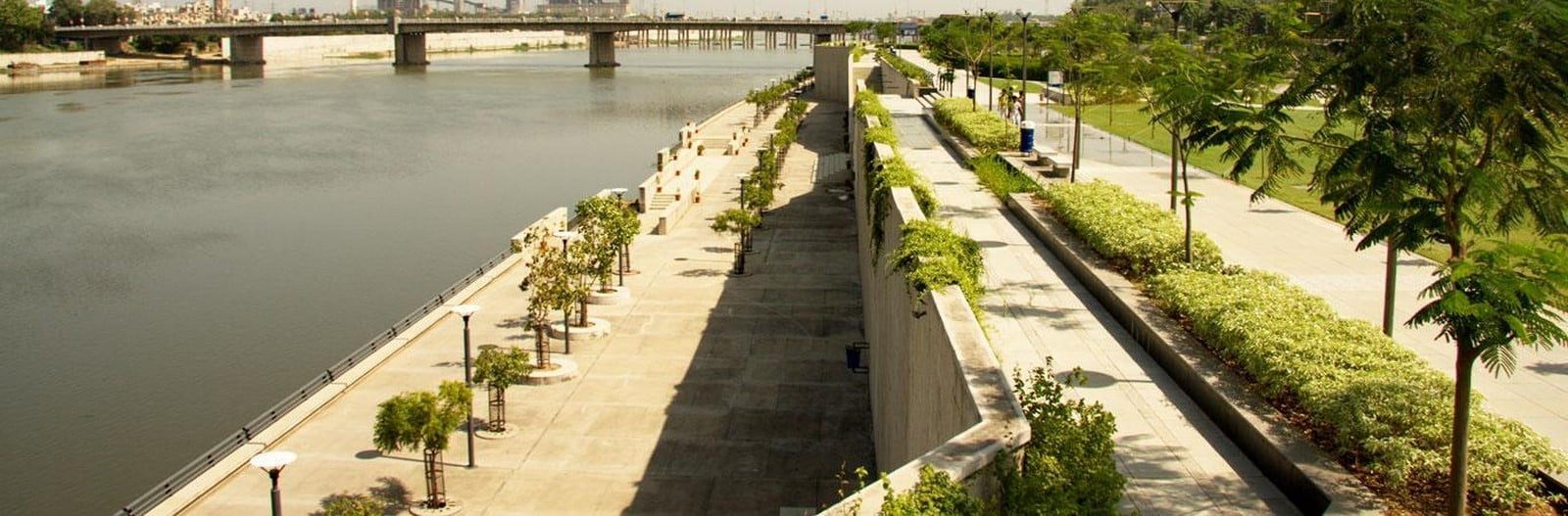
In 2011, Ahmedabad, the metro city of Gujarat, beautified its river Sabarmati’s riverfront. In the process, the slum dwellers around the river were relocated to housing colonies on the outskirts of the city (Santosh Nagar and Sikander Bakt Nagar). This resulted in loss of employment and livelihoods. As reported by Anuj Behal for the Frontline, many occupants have resorted to selling their blood to afford basic rations and amenities. But the post-occupancy issues don’t end here.
There’s a lack of parking space, especially as residents hold carts and rickshaws. There is no adequate fire safety in place, with unaware residents who regularly use the fire hose to clean the streets. Residents reported an increase in expenses. Lifts in the building account for 15% of electricity consumption. It is also well documented that the cramped housing results in a temperature increase inside the resident houses by a margin of ten degrees.
These design failures reflect how slum redevelopment is conceived in India. They are in line with the city’s master plan but aren’t designed for its citizens.
Consequences Of Designing Without Community
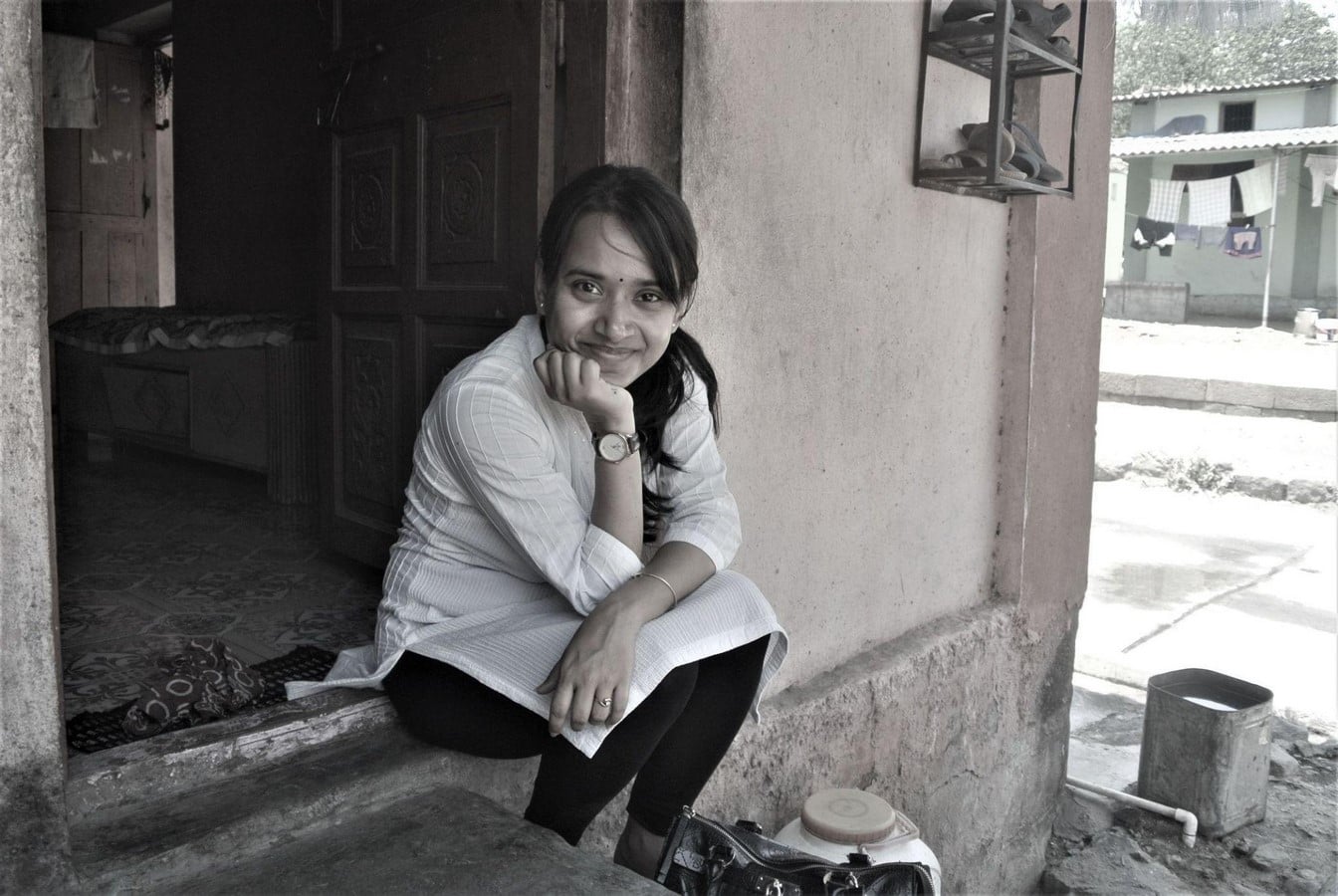
Ronita Bardhan is an architect and a Professor of Sustainable Built Environment & Health at the University of Cambridge. Her research on post-occupancy conditions reveals how design failures compound displacement.
In her research article: How does slum rehabilitation influence appliance ownership? A structural model of non-income drivers. She has found that people who used to cook together in open spaces in the slums were now forced to cook individually in their homes, leading to a significant increase in their fuel consumption.
Bardhan has also worked on a year-long state-funded investigation into the rise of tuberculosis in Mumbai in slum rehabilitation housing (SRH). Cramped spaces and lack of daylight and ventilation led to the spread of the virus.
Bardhan also shares how women and children are more affected by SRH. Many women express how they don’t know their neighbours anymore and can’t trust them with childcare.
Bardhan’s research makes it clear that the failures of slum redevelopment are the predictable outcome of designing without the community. The question then becomes: what does it look like when architects get it right?
Case for In-Situ Slum Redevelopment
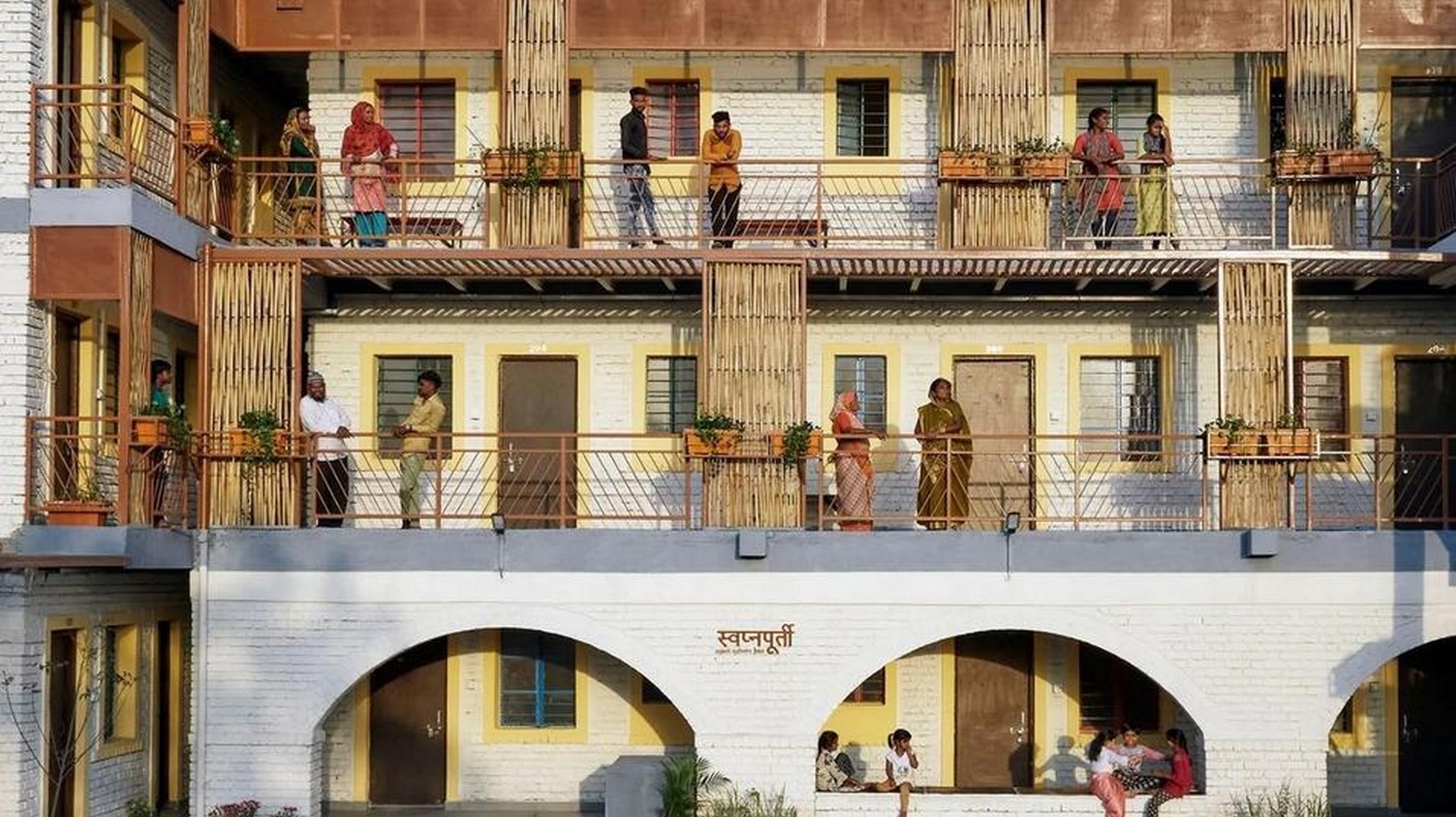
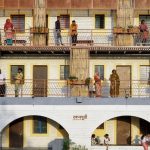
Formal housing is especially efficient against the extreme weather conditions in India. The Community Design Agency (CDA) has been working with residents of Sanjaynagar slum in Maharashtra. Sanjaynagar, a slum in Ahmednagar city, is home to 298 families. The project was initiated in November 2018, and the construction of the first building, comprising 33 homes, was completed in March 2022.
The residents of Sanjaynagar have contributed to design decisions at all scales, from the neighbourhood level to the customisations in their individual homes. For example, a mother of three sons, each with their own family, was allowed to connect their houses with ladders.
CDA also conducted a baseline survey of the health of children. They realised that children were thinner and smaller than the national average. This was partly because access to vegetables was limited. To address this, they will be introducing edible gardens on the terrace and awareness programs for mothers and children. They will also be installing solar panels to save on electricity and percolation pits for rainwater harvesting.
Sanjaynagar offers a replicable model for slum redevelopment that begins not with a master plan but with a question: what do you need? The answer to why slum dwellers rent out their pucca house and return to slums is not ingratitude but that the buildings built for them were never really built with them. When communities are involved in design decisions, from the neighbourhood scale down to a ladder connecting a mother to her sons, the result is not just better housing. It is housing people actually want to live in.
References:
Behal, A. (2025). Ahmedabad’s Sabarmati Project Fallout: Santosh Nagar’s Struggle for Survival amid a Thriving Illegal Blood Market. [online] Frontline. Available at: https://frontline.thehindu.com/the-nation/human-rights/ahmedabad-sabarmati-riverfront-displacement-santosh-nagar-evictions-illegal-blood-trade/article69329141.ece
Debnath, R., Bardhan, R. and Sunikka-Blank, M. (2019). How does slum rehabilitation influence appliance ownership? A structural model of non-income drivers. Energy Policy, 132, pp.418–428.https://doi.org/10.1016/j.enpol.2019.06.005 [Accessed 12 July 2026]
Janardhan, S. (2020). Impact Review 2020 Report. [online] Community Design Agency. Available at: https://communitydesignagency.com/wp-content/uploads/2021/03/Sanjaynagar_Impact_Review_2020.pdf [Accessed 12 July 2026]