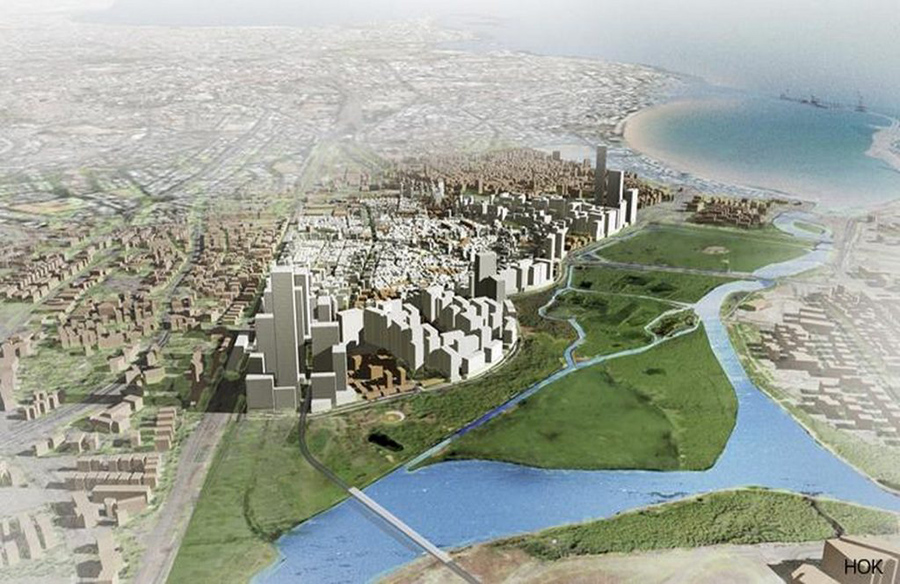
Redevelopment of Slums – Topics related to Sustainable Architecture
In the realm of sustainable architecture, the redevelopment of slums marks a profound paradigm shift in urban development strategies. This article delves into the multifaceted dimensions of sustainable slum redevelopment, exploring innovative architectural approaches that uplift communities while addressing the complex challenges associated with informal settlements.
Global Slum Statistics: A Harsh Reality
A stark reality is unveiled through global slum statistics. According to the United Nations, approximately 1 billion people worldwide reside in slums, lacking access to adequate housing, sanitation, and basic infrastructure. Architects engaged in sustainable slum redevelopment acknowledge the urgency to transform these conditions, contributing to global efforts to improve living standards.
The Socio-Economic Impact: Breaking the Cycle of Poverty
Understanding the socio-economic impact of slum redevelopment is crucial. Research indicates that sustainable architectural interventions have the potential to break the cycle of poverty. By providing improved living conditions, access to education, and opportunities for economic development, architects become catalysts for positive change, fostering resilient and empowered communities.
Architectural Innovation in Slum Redevelopment: A Holistic Approach
Architectural innovation takes center stage in slum redevelopment, requiring a holistic approach that addresses various facets of community life. Case studies showcase projects that integrate sustainable housing designs, community spaces, and infrastructure improvements. The architectural vision extends beyond bricks and mortar to embrace the social, economic, and environmental dimensions of slum rehabilitation.
Sustainable Housing Solutions: Beyond Shelter
Sustainable housing solutions form the backbone of slum redevelopment projects. Architects explore alternative construction materials, innovative design principles, and energy-efficient technologies to create resilient and affordable housing. Studies reveal that these sustainable housing solutions not only improve living conditions but also contribute to long-term environmental sustainability.
Infrastructure Upgrades: Bridging Gaps in Urban Services
Bridging gaps in urban services is a critical aspect of sustainable slum redevelopment. Architectural designs encompass infrastructure upgrades, including water supply, sanitation, and waste management systems. Research emphasizes that these interventions not only enhance the quality of life but also contribute to the overall health and well-being of slum residents.
Community Participation: Empowering Residents
Empowering residents through community participation is a hallmark of successful slum redevelopment. Architects engage with local communities to understand their needs, preferences, and cultural nuances. Case studies highlight projects where community involvement in the design and decision-making processes leads to a sense of ownership and pride, ensuring the sustainability and success of redevelopment initiatives.
Green Spaces in Urban Renewal: Enhancing Quality of Life
Integrating green spaces into urban renewal projects enhances the quality of life for slum residents. Architectural designs prioritize the creation of parks, communal gardens, and recreational areas. Studies show that access to green spaces not only improves mental and physical well-being but also contributes to environmental conservation, creating harmonious and sustainable urban environments.
Economic Empowerment: The Role of Mixed-Use Development
The role of mixed-use development in slum redevelopment goes beyond providing shelter. Architects envision projects that incorporate commercial spaces, educational facilities, and healthcare centers. Research indicates that this mixed-use approach contributes to economic empowerment, creating job opportunities, supporting local businesses, and fostering a vibrant and self-sufficient community.
Challenges and Solutions: Navigating the Complex Landscape
Sustainable slum redevelopment faces various challenges, from land tenure issues to limited resources. Architects actively seek solutions, collaborating with governments, NGOs, and local communities. Case studies showcase innovative approaches to overcoming challenges, highlighting the resilience and adaptability of sustainable architectural solutions in navigating the complex landscape of slum redevelopment.
Conclusion: A Vision for Inclusive Urban Futures
In conclusion, the sustainable redevelopment of slums represents a visionary pursuit for inclusive urban futures. Architects, as champions of this cause, leverage their expertise to transform informal settlements into thriving, sustainable communities. The impact extends far beyond physical structures, reaching into the social fabric and economic vitality of these areas. The journey towards sustainable slum redevelopment is an architectural odyssey that envisions cities where every resident, regardless of socio-economic background, can enjoy a dignified and resilient urban life.