Most small holes and cracks need repair, not replacement. Full drywall replacement makes sense only when water damage, mold, or major structural cracks take over a wall. That’s the short answer.
But the real decision depends on the size of the damage, the cause, and your budget. This article breaks down both options with real 2026 pricing, so you know exactly what to expect before you call anyone.
What’s the Difference Between Repair and Replacement?
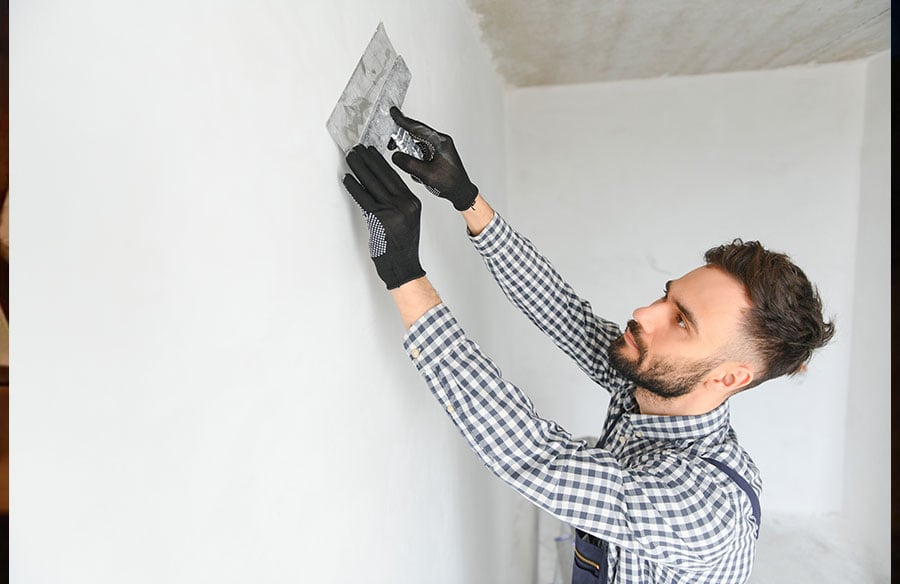
Drywall repair patches a small section. A contractor cuts out the bad spot, adds a patch, and blends it with joint compound.
Drywall replacement removes an entire sheet or wall section and installs new drywall from scratch.
Repair costs less. Replacement takes more time and money but fixes the root problem on bigger jobs.
When Repair Makes the Most Sense
Small Holes and Dents
Nail holes, doorknob dents, and small dings need only a patch and sand job. The national average for drywall repair sits at $612, with jobs ranging from $150 to $2,000, per Angi’s 2026 cost data.
Small holes alone often cost between $300 and $500, according to HomeGuide.
Hairline Cracks
Cracks from settling or seasonal humidity changes rarely signal a structural problem. A patch, tape, and paint job usually solves it. Skip replacement here. Save the money.
One or Two Isolated Spots
Scattered small marks across a wall still count as repair work, not replacement, if the drywall stays solid behind the surface.
When Replacement Is the Better Call
Water Damage and Mold
Wet drywall loses its strength and grows mold within 24 to 48 hours. A patch over a water stain hides the problem for a short time only, and the damage returns. Full replacement removes the risk and stops mold from spreading behind the wall.
Large Sections of Damage
Damage that spans more than a few square feet costs less to replace than to patch piece by piece. Installation runs $1.50 to $3 per square foot, per Angi’s installation data, which often beats several repair visits stacked together. Homewyse pricing puts full replacement at $5.38 to $6.52 per square foot.
Structural Cracks
Cracks wider than a quarter inch, cracks that run diagonally from doors or windows, or cracks paired with sticking doors point to foundation movement. A patch will not fix this. Call a structural engineer first, then plan for replacement.
Cost Comparison Table
| Factor | Drywall Repair | Drywall Replacement |
|---|---|---|
| Average cost | $300 to $925 per job | $5.38 to $6.52 per sq ft |
| Typical timeline | 1 to 3 days | 3 to 7 days |
| Best for | Small holes, cracks, dents | Water damage, mold, large holes |
| 500 sq ft room cost | Not applicable, priced as spot repair | $2,690 to $3,260 |
| Skill level needed | Moderate, DIY possible | High, hire a contractor |
Professional Services vs. DIY
A small patch job sits within reach for most homeowners with basic tools. Plenty of online tutorials cover the steps well.
Bigger jobs change the math. Professional services bring texture matching, framing checks, and mold testing that DIY kits skip. Labor makes up 50% to 70% of total drywall costs, per HomeGuide’s pricing breakdown, and that labor pays for a finish that blends into the wall instead of standing out.
I lean toward hiring professional services for anything past a dinner-plate-sized hole. A bad DIY patch shows under certain light, and fixing a failed patch costs more than doing it right the first time.
Watch for Hidden Costs
Get a written quote before work starts. Ask if paint, texture matching, and debris removal sit inside the price or count as extras. A cheap quote that skips these steps often costs more once the final bill arrives.
A Simple Checklist to Decide
- Hole smaller than a fist: repair.
- Hole bigger than a laptop: replacement.
- Water stain on the ceiling or wall: replacement.
- Musty smell near the damage: replacement, plus a mold check.
- Crack under a quarter inch wide: repair.
- Crack wider than a quarter inch, growing over weeks: call an engineer first.
My Take on the Decision
Homeowners often patch damage that needs full replacement, just to save money upfront. That choice backfires. A cheap patch over water damage costs more later, once mold spreads and the wall needs a full tear-out anyway.
My advice: spend the extra money on replacement now if water or structural issues sit behind the wall. Small cosmetic damage, though, never needs a full sheet swap. Save that budget for paint or furniture instead.
Quick Answers
Can I repair drywall myself?
Yes, for small holes and cracks. Buy a patch kit, joint compound, and sandpaper. Skip DIY for water damage or large sections.
How long does drywall replacement take?
Most rooms take 3 to 7 days, counting drying time between compound coats.
Does insurance cover drywall replacement?
Home insurance often covers replacement from sudden water damage, such as a burst pipe. It rarely covers repair from wear and tear or old leaks.
What is the cheapest way to fix drywall?
Small holes cost the least to patch. A basic kit from a hardware store runs about $8 to $15 for materials alone.
Bottom Line
Repair fits small, cosmetic damage. Replacement fits water, mold, and structural problems. Match the fix to the cause, not just the size of the hole, and the wall will stay solid for years.