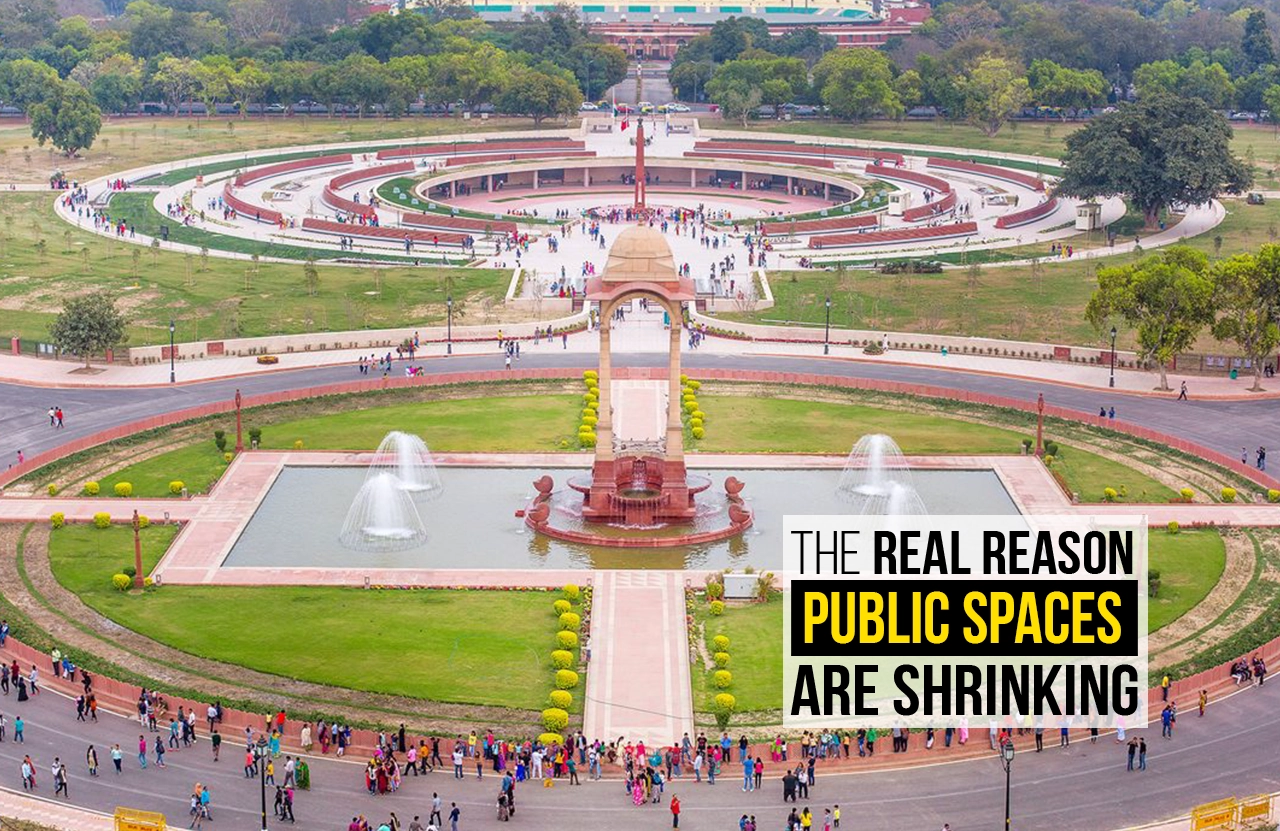
There is a particular kind of grief that has no name in urban planning textbooks. It is the grief of watching a neighbourhood park quietly disappear—first surrendered to a parking lot, then walled off behind a housing society, then replaced by a mall that nobody asked for. Across Indian cities, public spaces are not simply being redesigned; they are being erased. And while the conversation around this loss tends to center on real estate pressure or poor governance, the real reason runs far deeper—it is a crisis of whom cities are being built for in the first place.
Public Spaces as Political Choices
A footpath, a riverside promenade, a maidan — these are not neutral features of a city. Every public space that exists today survived a decision not to monetise it. Conversely, every public space that has vanished was lost because someone in a position of authority decided its land held greater value as something private. In this sense, the shrinking of public spaces in India is not an accident of growth; it is an outcome of deliberate political and economic choices made over decades.
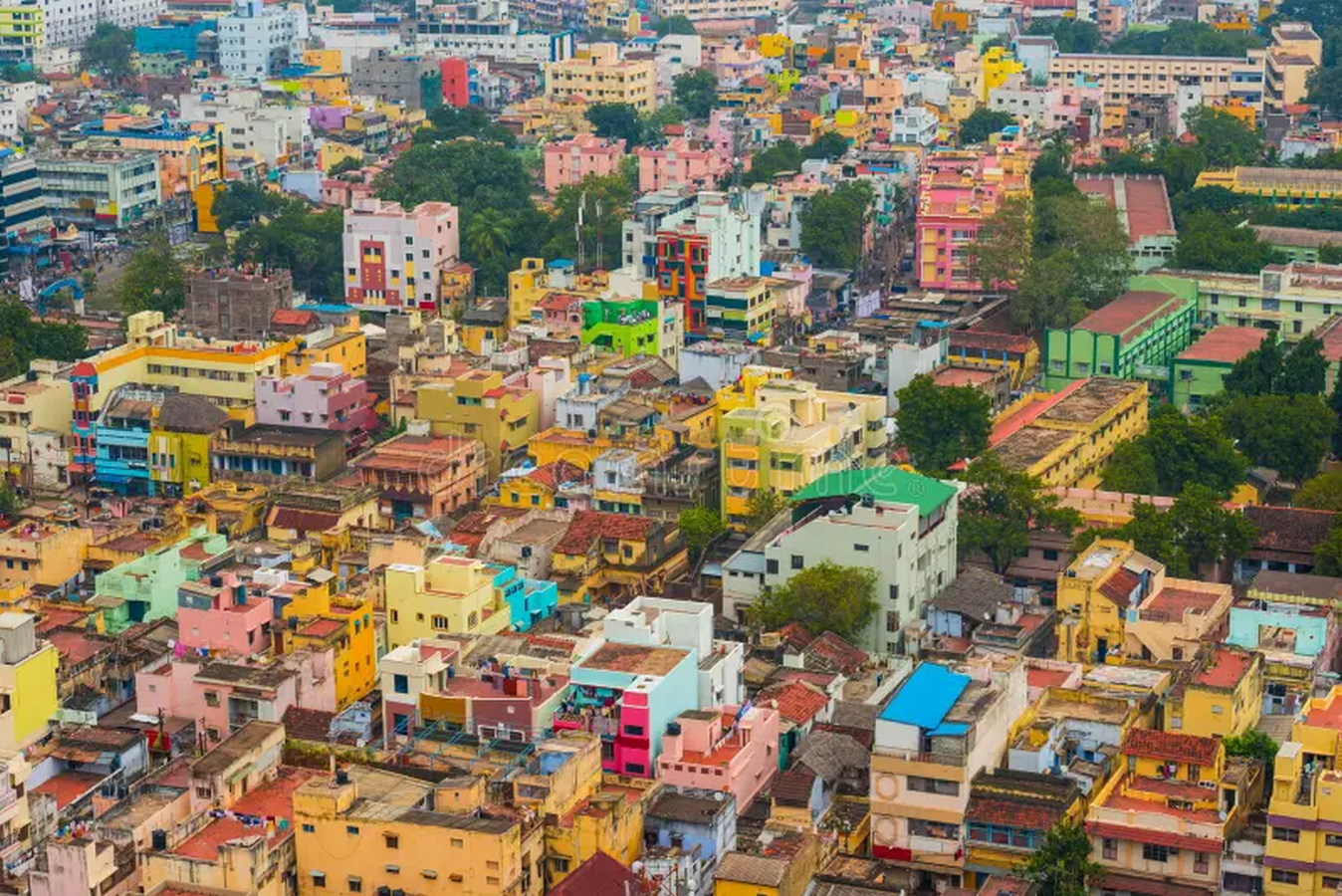
The post-liberalisation city, from the 1990s onwards, began operating on a set of assumptions borrowed largely from a globalised imagination of urban success. Wide roads for vehicles, glass-fronted commercial developments, gated residential enclaves — these became the visual grammar of progress. The public realm, by contrast, was treated as residual: the leftover space between buildings that would be dealt with eventually, when budgets allowed. They rarely did.
The Infrastructure Myth
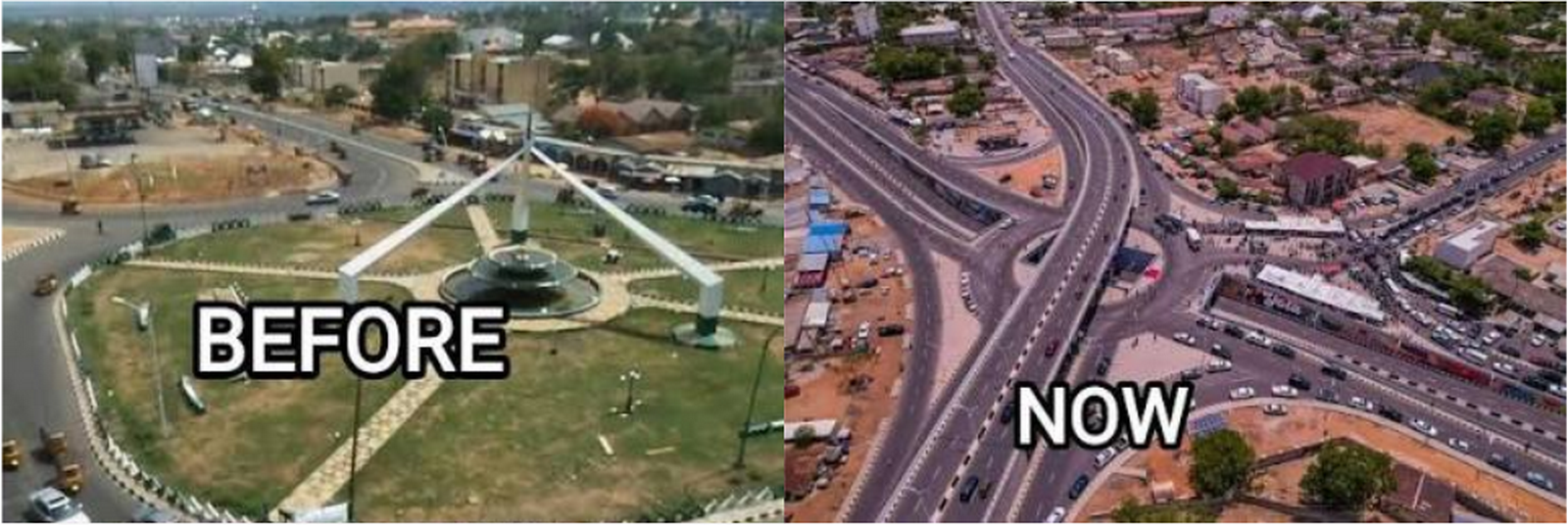
A common defence offered for the erosion of public spaces is the infrastructure argument: that Indian cities simply had no choice but to sacrifice open land to accommodate a rapidly growing population. Roads needed to be widened, flyovers constructed, and metro corridors carved through existing neighbourhoods. The implicit logic is that physical infrastructure and public spaces are in competition, and that in a developing city, infrastructure must win.
This argument is seductive but flawed. Research across comparable urban contexts—in Latin America, South-East Asia, and indeed in parts of India itself—demonstrates that public spaces are not obstacles to urban growth but enablers of it. Cities with well-maintained parks, accessible waterfronts, and active street life consistently register higher economic productivity, better mental health outcomes, and stronger community cohesion than their sealed, vehicle-dominated counterparts. The infrastructure myth persists because it is convenient: it frames the loss of public space as inevitable rather than chosen.
Who Was the Public Space Ever For?
To understand why public spaces are vanishing, one must first ask who they were built for — and who was ever truly welcome in them. The colonial-era maidans and parks of Indian cities were, in many cases, originally laid out for European residents, with Indian populations implicitly or explicitly excluded. Post-independence India inherited these spaces without fully interrogating their spatial politics. The result is a complicated legacy: public spaces that existed but never quite belonged to everyone.
Today, a new form of exclusion operates through design. Benches fitted with armrests that prevent lying down, footpaths interrupted by planters and bollards, parks with entry fees and dress codes — these are not accidents of poor planning. They are mechanisms that determine which kinds of bodies are permitted to occupy public spaces and on what terms. Informal vendors, the unhoused, working-class residents, elderly women — those who have historically depended most on public spaces are often the first to find themselves unwelcome in the newly ‘beautified’ versions.

The Privatisation of the Commons
Perhaps the most underexamined force behind the shrinking of public spaces in India is the growing appetite for privatisation dressed in the language of improvement. Public-Private Partnership models, which began to reshape Indian urban infrastructure in the 2000s, introduced a logic in which the management — and often the effective ownership — of public space was handed to private entities. In exchange for maintenance contracts, corporations gained naming rights, advertising privileges, and the authority to determine access.
The consequences are visible in cities from Chennai to Chandigarh. Riverfronts that were once freely accessible now require registration. Parks that once hosted evening cricket are now reserved for ‘curated events’. The commons — that fundamental category of space belonging to everyone — has been converted into a commodity. And because this conversion has occurred incrementally, project by project, it has largely escaped the kind of public outcry that a single dramatic privatisation might provoke.
What Indian Cities Lose When Public Spaces Disappear
The loss of public spaces is not simply aesthetic. It is civic, social, and deeply democratic. Public spaces are where strangers encounter one another across lines of class, caste, language, and age. They are where children learn that the city belongs to them. They are where dissent has historically been expressed — the Maidan as a site of political assembly, the street corner as a space of impromptu community. When public spaces vanish, these possibilities vanish with them.
India’s urbanisation story is frequently told as one of opportunity: millions migrating to cities in search of better lives. What is less often acknowledged is that those cities must actually be liveable — not merely functional — to fulfil that promise. A city without accessible, democratic public spaces is a city that has outsourced its soul to the market. The erosion of these spaces is not a side effect of development; it is a signal that development is not working as it should.
Reclaiming the City: Lessons From Within
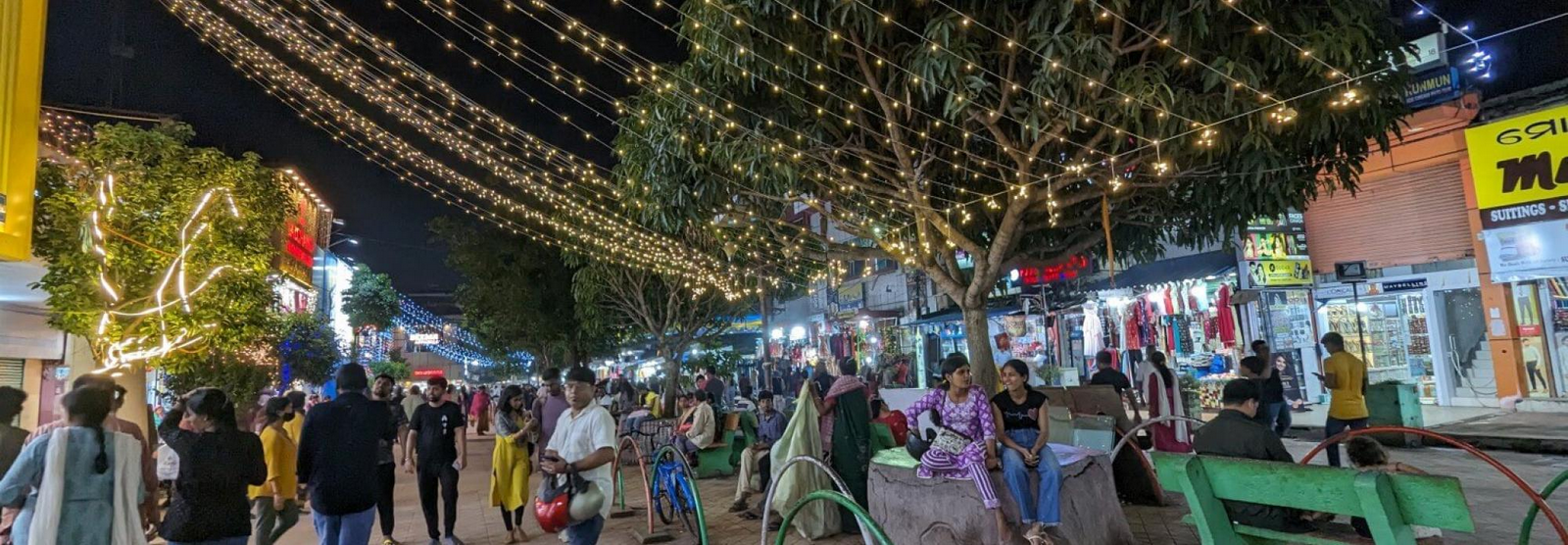
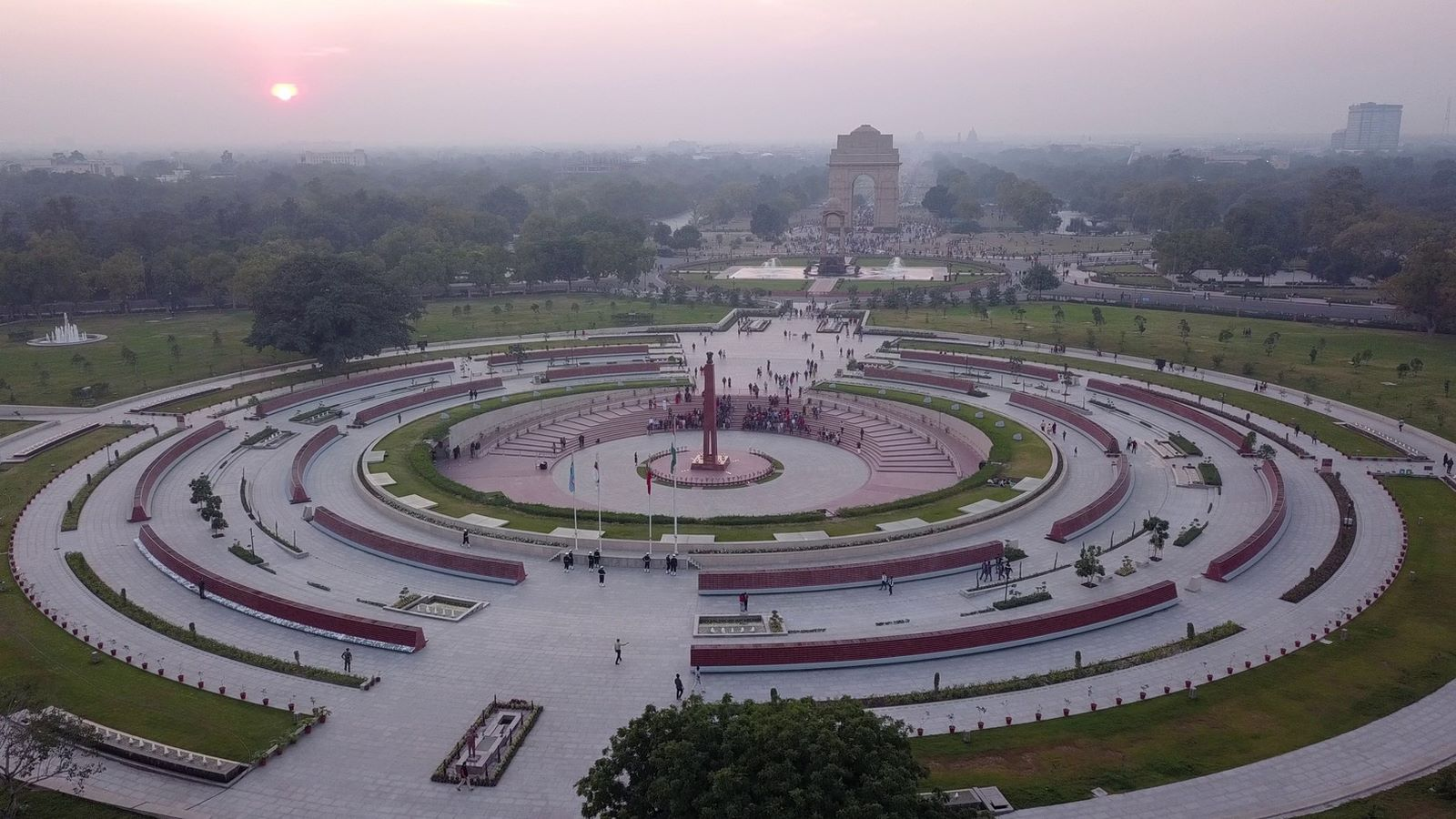
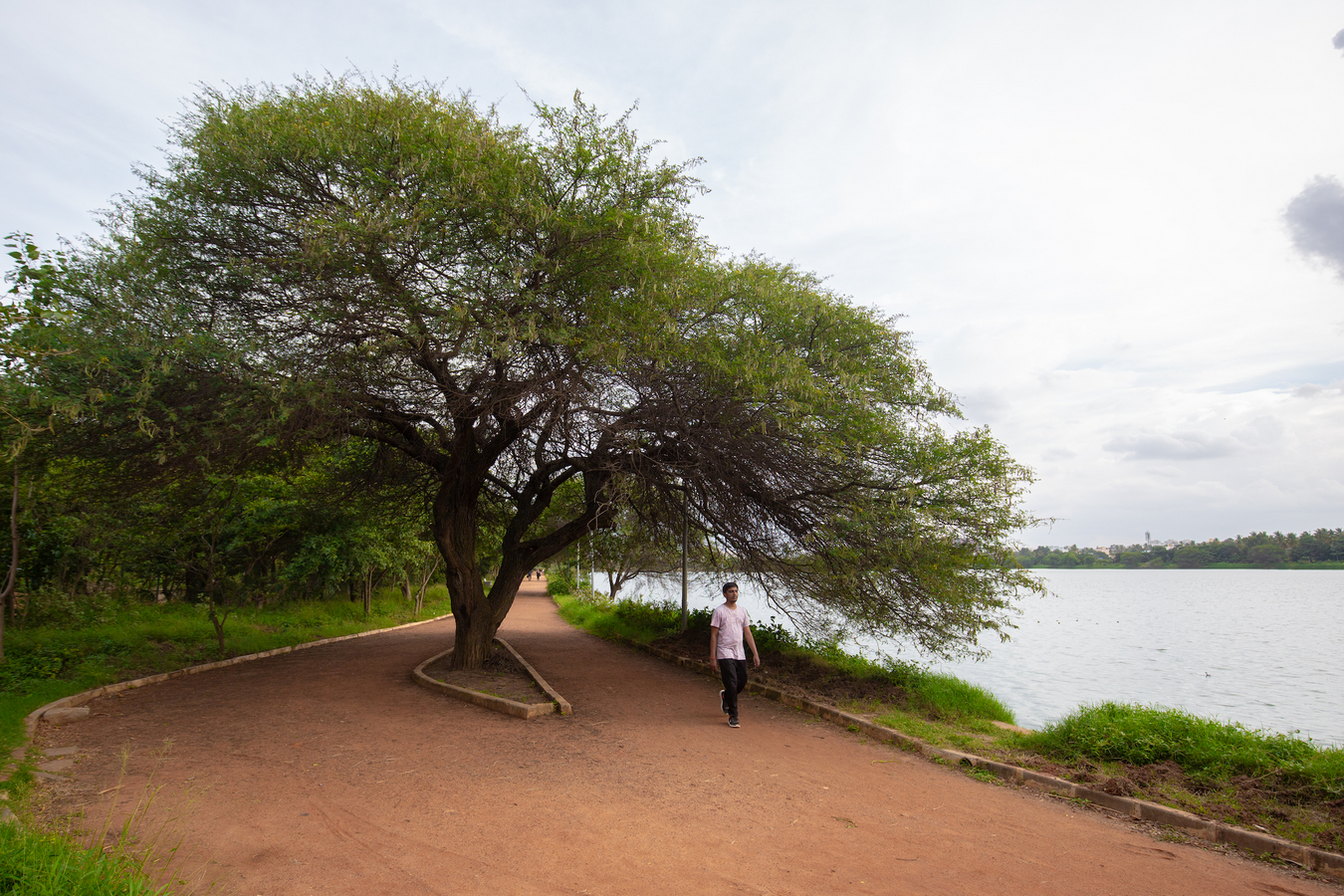
There are, amidst the losses, reasons for cautious optimism. Initiatives such as the reclamation of Sabarmati Riverfront, the revival of neighbourhood lakes in Bengaluru through community pressure, and the Open Streets movement in several Indian cities suggest that public spaces can be recovered — and that citizens are capable of leading that recovery when given the tools and the agency to do so. These are not isolated victories; they are proof of concept.
What distinguishes successful attempts at reclaiming public spaces is not funding alone, but a shift in the underlying question. Rather than asking ‘How can this land generate revenue?’, the more generative question is: ‘What does this community need to flourish?’ Public spaces designed in response to that second question look different, function differently, and endure far longer. They are designed for people, not for pedestrians defined solely as potential consumers.
A Question of Priorities
The real reason public spaces in India are shrinking is not population pressure or inadequate budgets — though both are real constraints. The deeper reason is a persistent failure to treat the public realm as a genuine priority, on equal footing with road networks, commercial real estate, and private residential development. Until urban planning frameworks in India place democratic access to public spaces at their centre — rather than at their margins — the losses will continue, one maidan, one footpath, one riverbank at a time.
The architecture of a city is, in the end, a moral document. It reveals what a society values, who it makes space for, and who it quietly pushes aside. Public spaces are not amenities; they are rights. And the shrinking of these spaces is not a technical problem awaiting a technical solution. It is a political problem — one that demands a political answer.
References:
Nair, J. (2005). The Promise of the Metropolis: Bangalore’s Twentieth Century. Oxford University Press, New Delhi.
Mehta, V. (2013). The Street: A Quintessential Social Public Space. Routledge, London.
Dupont, V. (2011). The dream of Delhi as a global city. International Journal of Urban and Regional Research, 35(3), pp. 533–554. Available at: https://onlinelibrary.wiley.com [Accessed: 20 June 2025].
Ghertner, D. A. (2015). Rule by Aesthetics: World-Class City Making in Delhi. Oxford University Press, New York.
Janaagraha Centre for Citizenship and Democracy (2021). Annual Survey of India’s City-Systems (ASICS) 2021. [online]. Available at: https://www.janaagraha.org [Accessed: 18 June 2025].
UN-Habitat (2020). World Cities Report 2020: The Value of Sustainable Urbanisation. United Nations Human Settlements Programme, Nairobi.