Architecture school is grueling. You do not expect it to be this intense. The coffee-fueled all-nighters, carefully drafted sheets ripped up, and begging professors to extend deadlines will make you question your life choices. Yet it is one of the most fulfilling experiences you will have. The friendships made through shared trauma, the places you travel that you would otherwise never visit, the wisdom that architecture is more than just shelter, and the technical skills of research, drafting, and designing help you grow out of your cocoon.

More than just a building
You enter architecture school thinking you will learn how to design and construct buildings. On your first day, all your preexisting notions of what an architect is are stripped away when you learn that architecture is not just about building monumental pieces to cement your name in history. Instead, it is the human aspect that makes it intriguing. Architecture matters most when it serves people; without the human scale, it becomes meaningless.
The sentiments that we associate with any space give it meaning and importance. Architecture has always reflected human values, and that is why it matters. It is the beautiful harmony of function and form, brought together by locally available materials that respond well to the site and context.
Staying in touch with your roots
One of the biggest lessons of architecture school is not how different software works, but that since mankind’s advent, architecture has reflected the social and political fabric of its time. The Romans designed aqueducts, bridges, and public baths because public infrastructure and urban planning mattered to them. They believed in an organised, well-laid-out city, and that shows how architecture expresses a society’s priorities.
The foundation of most architecture today lies in how our ancestors built and designed. This may sound obvious, but before architecture school, I never realised the built environment had a voice. It provides evidence of how humans lived and evolved, which I had thought was only documented in historians’ texts. When you observe a building closely, it speaks to you. It tells stories of people who lived or passed through there, and it stands as testimony that humans like us once existed—maybe a little different but similar in most ways.
A Trauma Connection
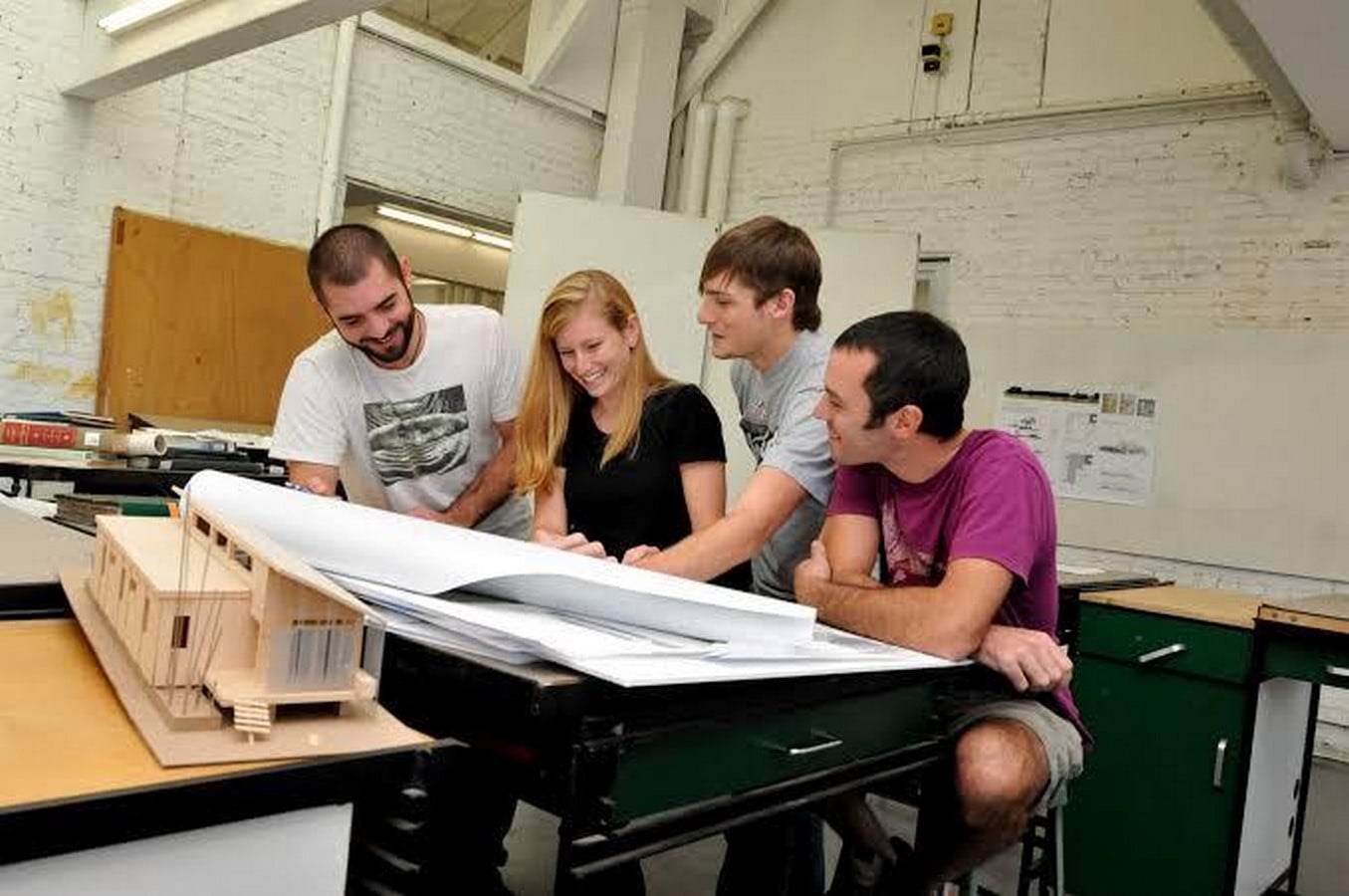
The friendships you make in architecture school are like no other. Perhaps it is the shared trauma and spending almost every hour with your peers that brings you close. I was a loner before architecture school, but after I finished, I made some of my best memories with the best people. Staying in the studio till midnight or pulling all-nighters at a friend’s place, you see the best and worst in each other. It is a unique experience that not everyone gets to have. Sure, there are terrible fallouts, but that does not change the fact that on a rainy day when your jury is postponed, you can hop on a rickshaw with your two girlfriends and hit the beach because it feels like someone brought you back to life.
Getting out of the Comfort Zone
Architecture school brings out the explorer in you. You will visit places you never imagined. Whether it is the remotest of the villages in the mountains or the largest garbage dumping site in your city, you will experience it all. This makes you appreciate the world you live in more. It also helps you shed superficial notions about yourself and rethink the biases and -isms you once held. Travelling to areas where people live in makeshift houses with no electricity, gas, or water makes you appreciate your privilege and realise that architecture rooted in context and humanness matters most.
It made me appreciate travelling so much that it has become a ritual for my friends and me to travel at least once every year. In that sense, architecture school offers unique experiences that, despite all the trauma and grief, you tend to miss once you are out.
Transformative Years
The five years spent in architecture school are among the most transformative of an architect’s life. It opens them up to a side of themselves they do not realise existed before. More than the technical skills and knowledge, architecture school, despite its shortcomings, shapes you into a person with a more diverse and abundant view on life. It also equips you with so much more than you thought it would. As you walk out through the doors, you realise you are not just an architect but an artist, urban planner, interior designer, traveller, heritage conservator and whatever else you thought you could never be. It opens up so many avenues for you that might not have been possible before. I truly believe that despite all the struggles and labour that went into putting me through these 5 years of architecture school, it was one of the most fulfilling experiences of my life.