Psychological Drivers behind Fast Fashion Obsession
Fast fashion has remodeled people’s shopping choices and socializing skills. The psychology of exclusivity and the influence of social media have resulted in an obsession with high-end fashion these days. Not only is this style considered cool, but it is also driven by the human desire to look wealthy and belong to a specific tier of society. In order to feed this obsession, fashion industries have been mimicking high-fashion trends at low prices, creating a new commercial ecosystem that relies on speed, visibility, and a constant turnover of products. The architecture of fast fashion stores is deliberately designed to bypass rational decision-making and foster a practice of impulsive replacements. Through spatial design, merchandising strategies, and technology, these retailers encourage frequent purchases with a shorter lifecycle of garments.
Store Architecture and Sensory Manipulation in Retail Spaces
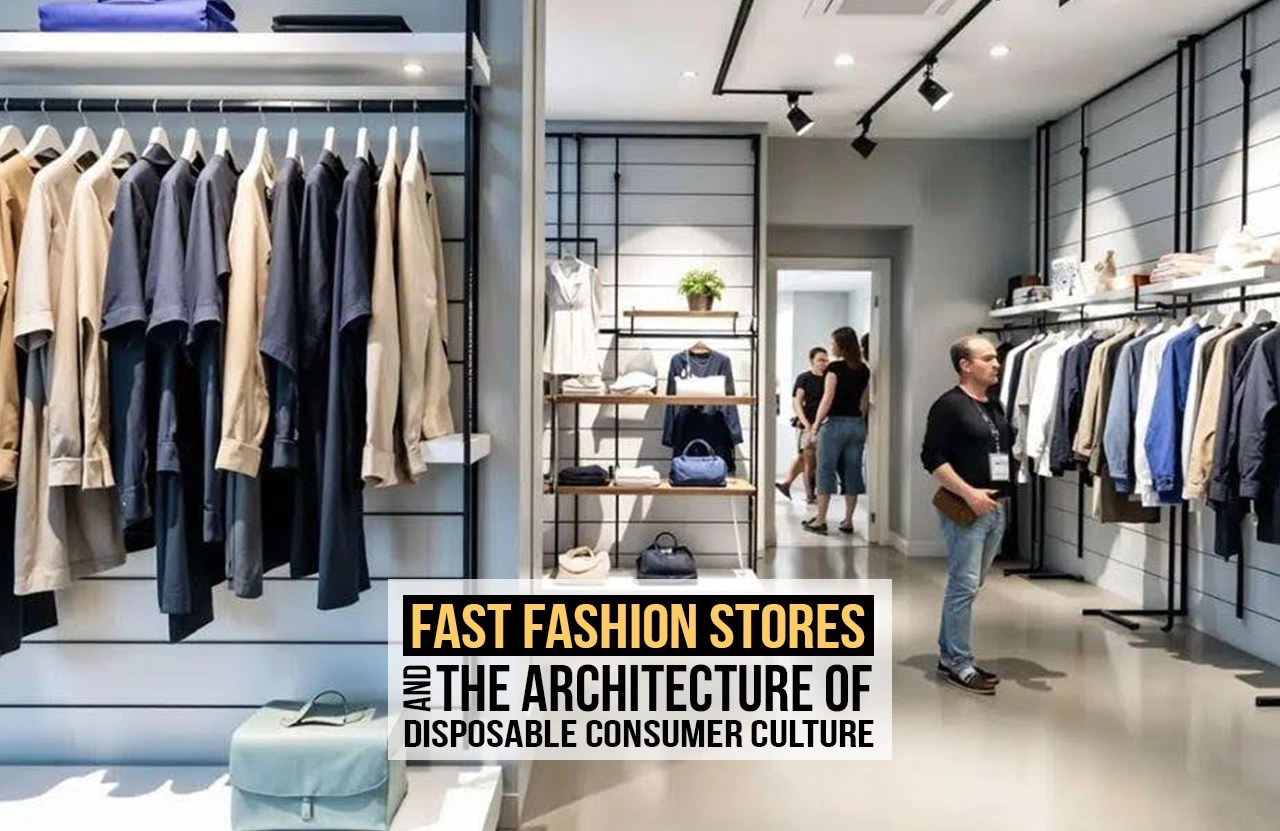
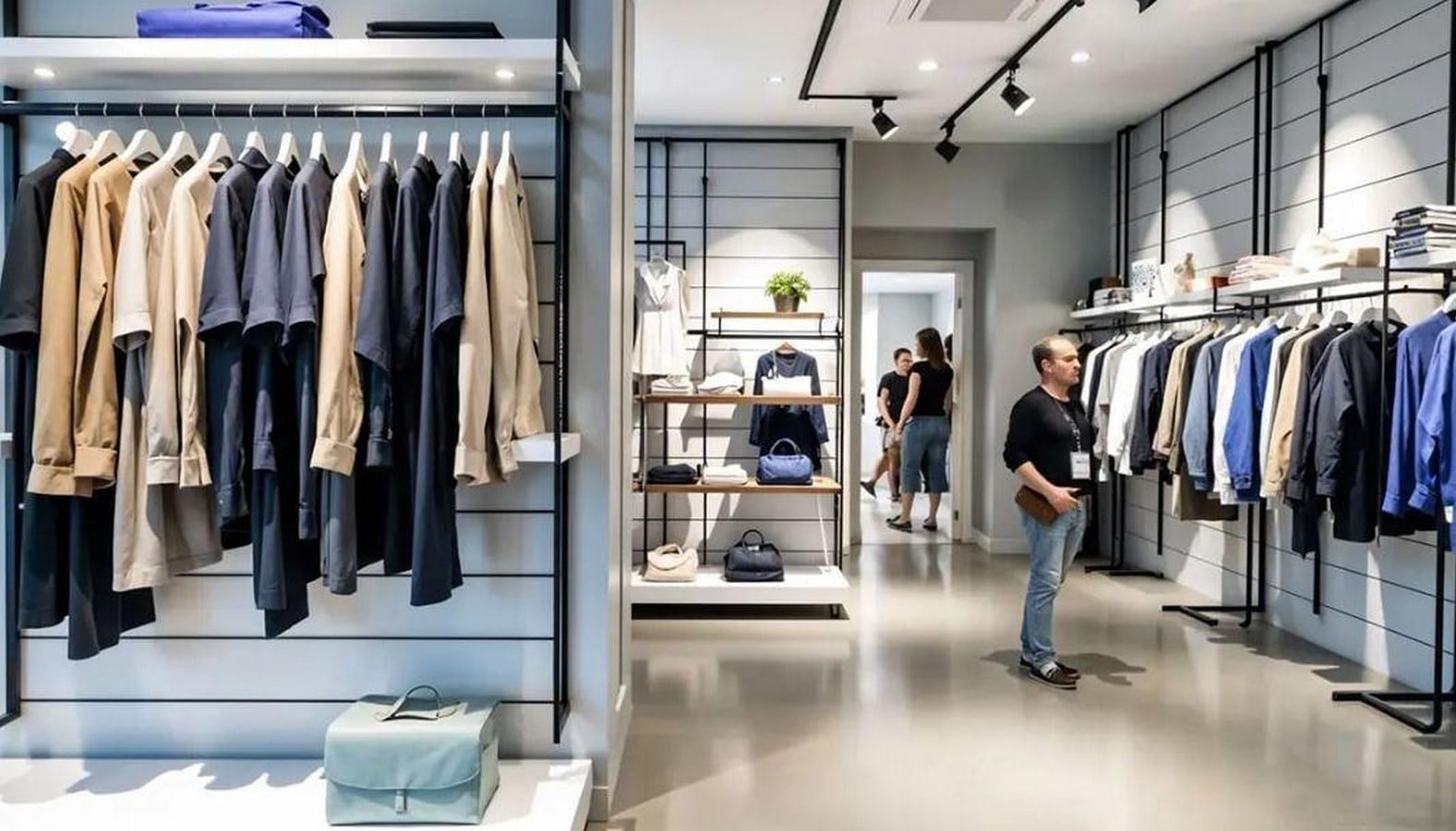
Fast fashion stores play with human psychology to stimulate impulse buying and normalize disposability. Major brands often occupy large, high-visibility storefronts in central shopping districts. Their facades emphasize openness with curtain walls, bright lighting, and large signage to lure customers inside. Open floor plans favor flexible, high-density displays that can be reconfigured overnight to introduce new collections. These displays act as “silent salespersons” influencing consumer decisions. They grab attention, evoke emotions, and trigger subconscious behaviors in mere seconds. Retailers use music, lighting, and scent to subtly influence customers’ decisions to buy products. For example, upbeat, fast-paced music encourages quick browsing and impulse buys, while cool, bright lighting creates a sense of urgency. Citrus and sandalwood scents are used to symbolize luxury. Displays at eye level or near checkout counters are strategically placed to trigger last-minute unnecessary purchases. Research indicates that nearly 79% of retail shoppers exhibit impulse buying behavior, often triggered by eye-catching window displays and creative floor arrangements.
Trend-Based Merchandising and Artificial Scarcity Marketing
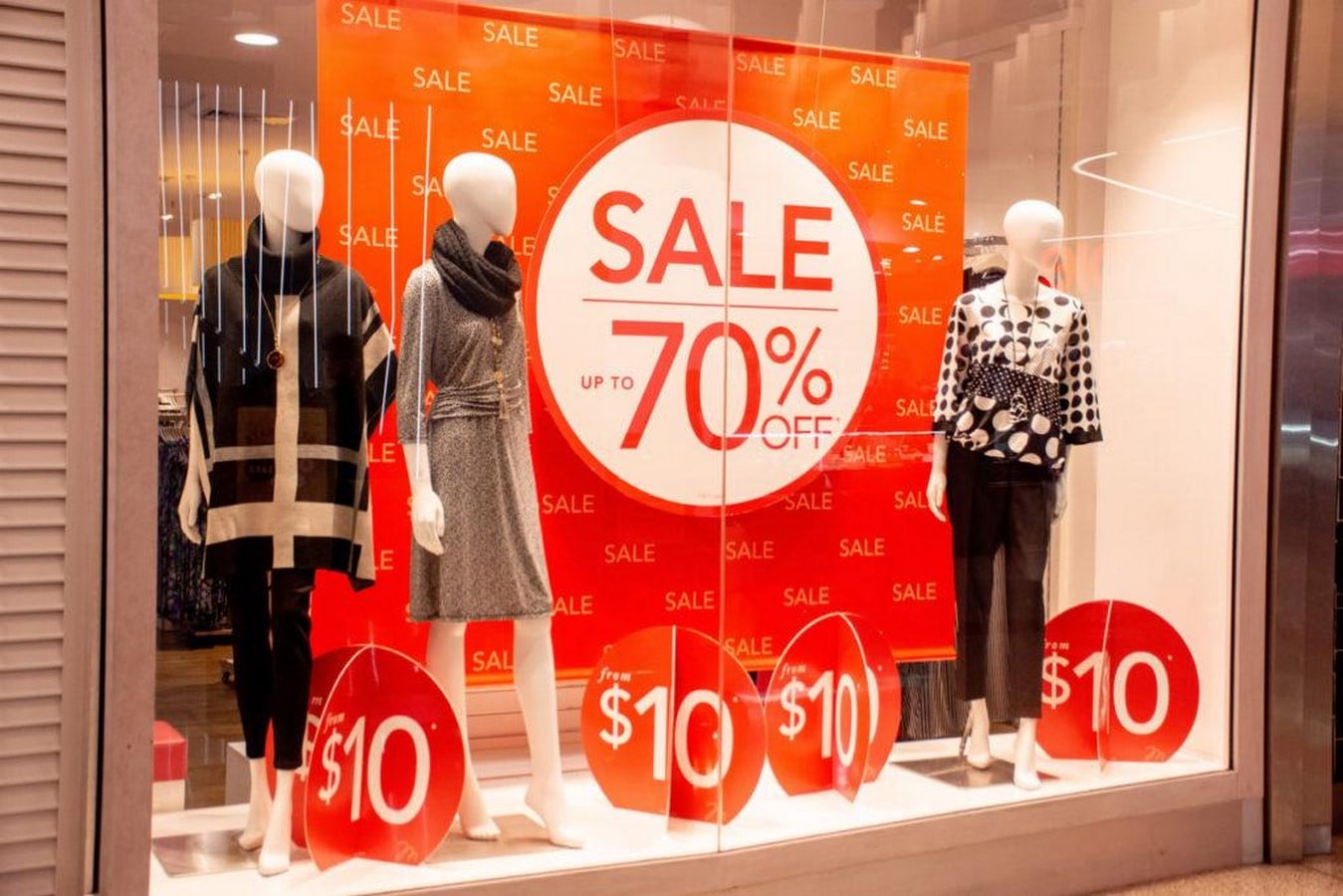
Merchandising techniques further encourage quick consumption. Garments are grouped by trend rather than by long-lasting categories, with displays of “what’s hot now”,“Under ₹499,” “New arrivals daily,” “Clearance” banners instead of timelessness. Sales notifications heavily influence purchase behavior by sending out personalized texts that act as psychological triggers, such as “FOMO” (Fear of Missing Out), creating a sense of urgency, such as “Flash Sale”. Such texts are sent to simulate scarcity even when inventory is abundant.
Material Choices and Environmental Consequences of Fast Fashion
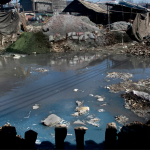
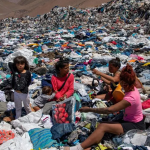
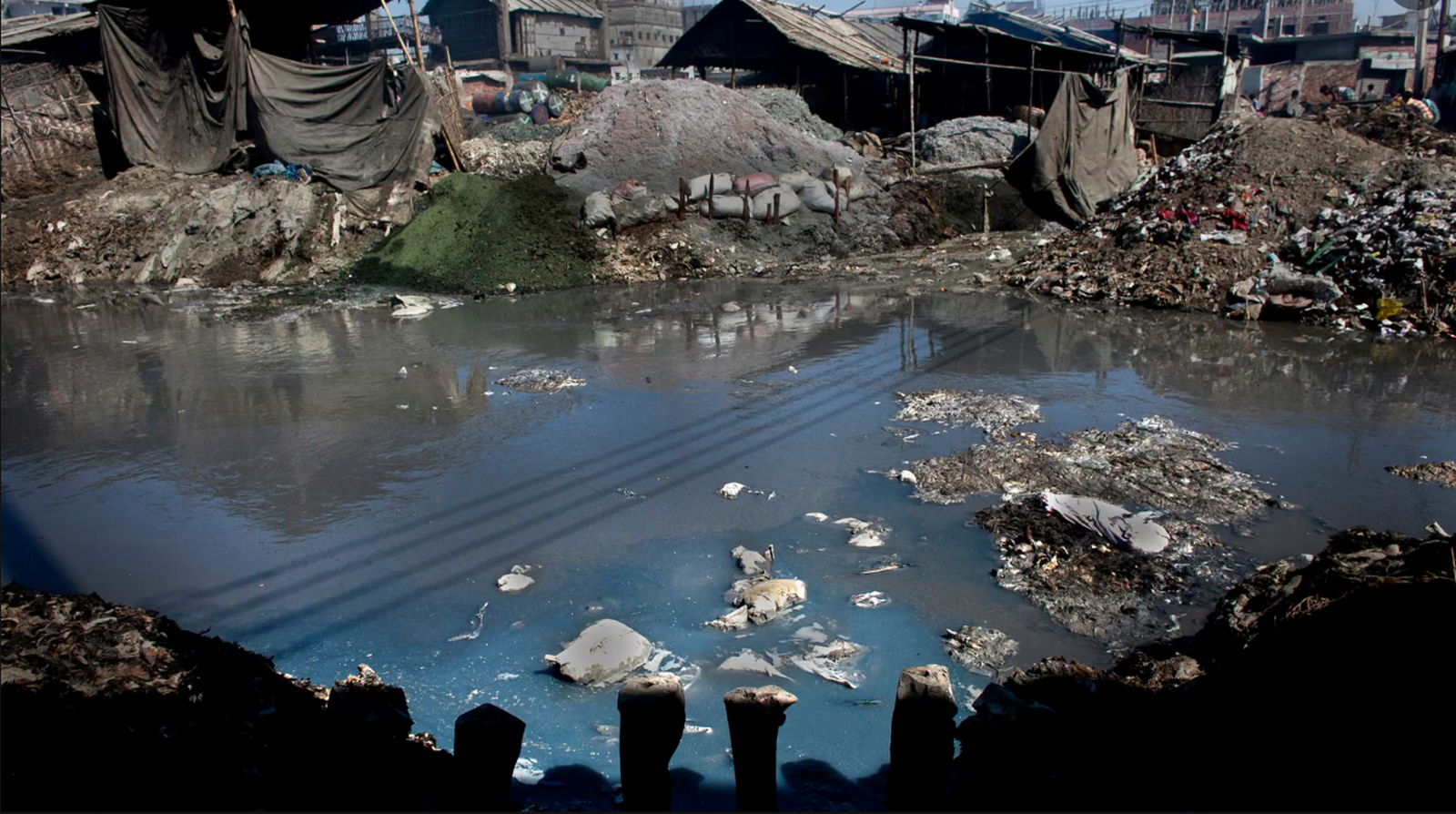
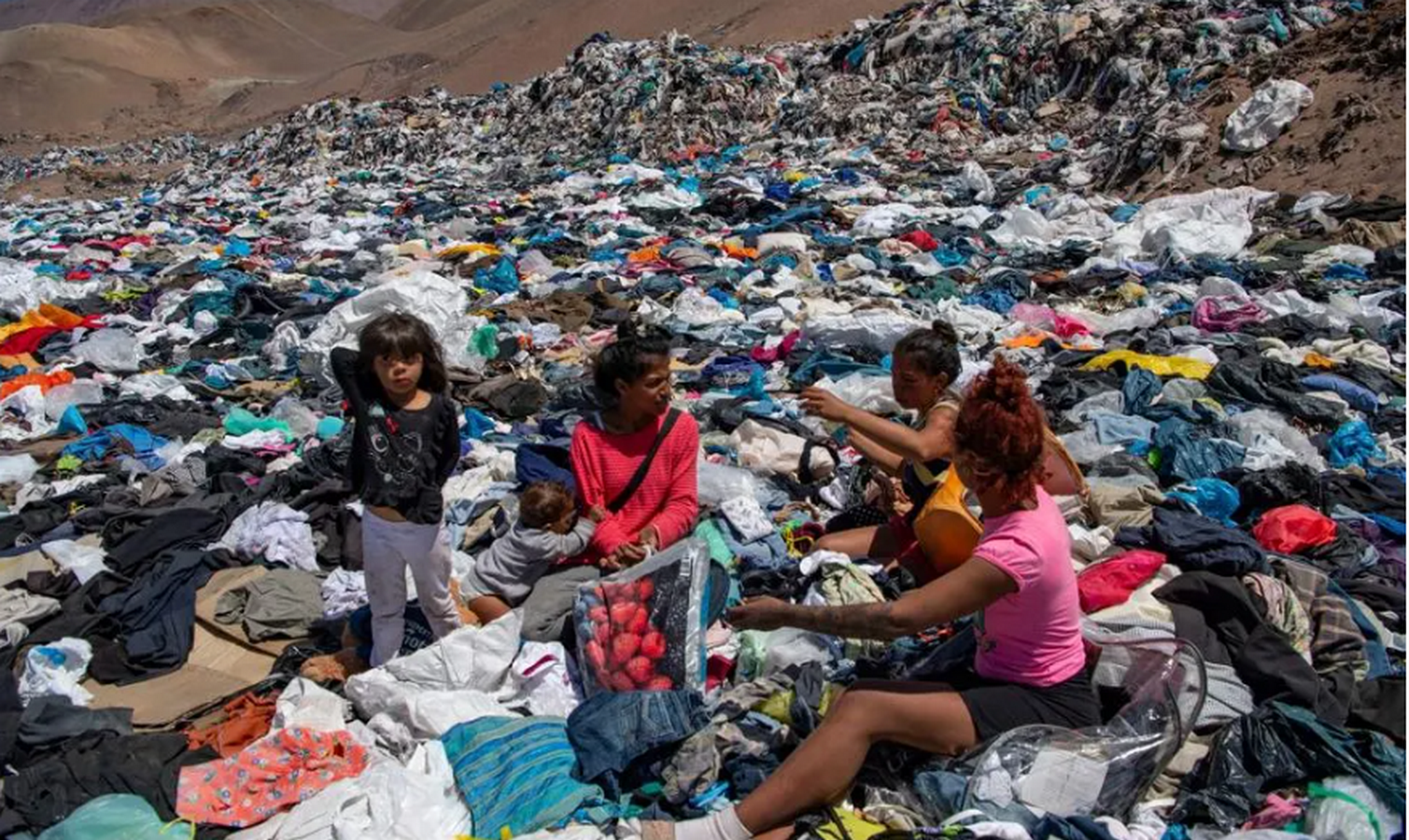
Stores display garments made from low-cost synthetic fabrics, mixed blends, and rapid manufacturing techniques that prioritize speed over longevity. Garments are being made to be replaced rather than mended. Single-use plastic bags and lightweight tags are being used for packaging, communicating that the product’s lifecycle ends quickly with a linear “throwaway” culture. In Chile’s Atacama Desert, piles of unwanted clothes reached so high that they were reportedly visible from space. In Bangladesh’s capital, Dhaka, textile dyers turned the river Buriganga black. The fashion industry has severely disrupted marine life as well. The pollutants continuously degrade coral reefs and are ingested by marine life, causing widespread starvation and ecosystem damage. These are reasons enough to suggest how the industry has taken a heavy toll on the planet, not only stoking pollution but also feeding climate change and gobbling up land. The fashion industry churns out up to 8 percent of global greenhouse gas emissions. According to the Ellen MacArthur Foundation, the equivalent of a garbage truck full of clothing is incinerated or dumped into landfills every second. 500,000 tons of microfibers are released into the ocean each year from washing clothes, which is equivalent to 50 billion plastic bottles.
Labor Exploitation and Hidden Human Costs in Global Supply Chains
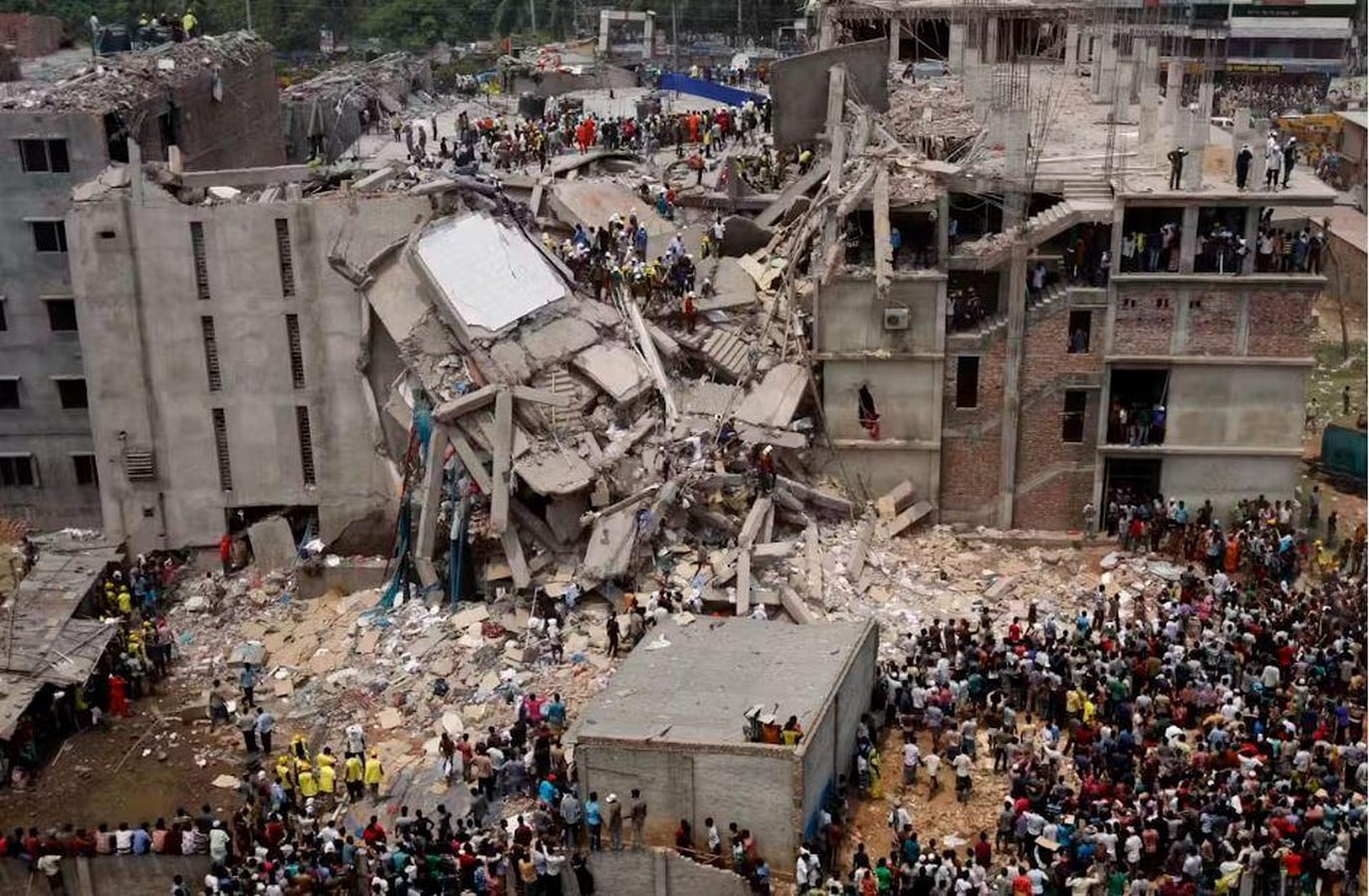
Fast fashion’s social architecture raises questions of labor and dignity. The increasing demand for low-cost products and speedy deliveries has placed pressure on manufacturers and workers in supply chains. Textile workers, primarily women in developing countries, are often paid meager wages while being forced to work long hours in hazardous conditions. Use of chemicals in clothes production also raises serious health concerns, both for the workers in the industry and consumers. The Rana Plaza collapse in Bangladesh in 2013 is a prime example, where over a thousand workers died in a structurally unsound building after being forced to work despite visible cracks in the walls. The high-end store’s bright interior and inexpensive prices have successfully hidden exploitative production practices, making disposability a moral blind spot for consumers who rarely see beyond cheap replicas of high-end fashion trends.
Emergence of Sustainable Fashion and Circular Design Models
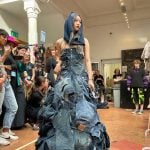
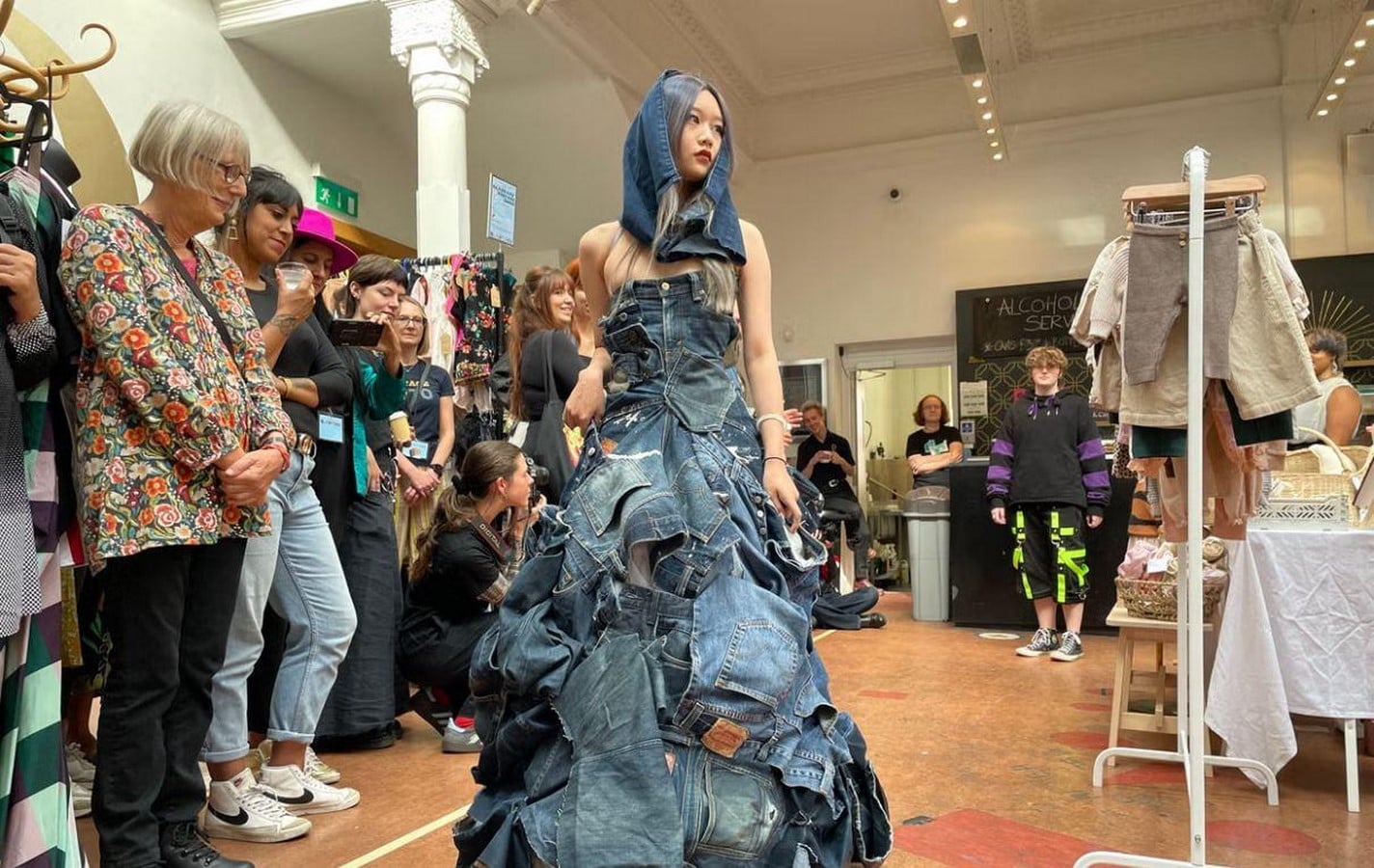
Sustainable fashion movements are emerging to advocate transparent supply chains and durable materials. These brands often emphasize narrating a story of garments that tell the life of a garment, the material used for its production, repair stations within stores, and visible production timelines. Some cities and brands promote circular systems of repair, resale, and take-backs. However, these alternatives must compete against the convenience and low price of fast fashion.
Policy Frameworks and Urban Regulation for Ethical Fashion Systems
Extended producer responsibility (EPR) laws, higher standards for garment longevity, and labor regulations focusing on human rights would change the dynamics of business industries. Urban planners can manage retail diversity through zoning bylaws, floor-area ratio (FAR) restrictions, and limit the construction of chain stores in designated historic or cultural districts. Product design that prioritizes modularity, reparability, and timeless aesthetics reduces the need for frequent replacement. Digital architecture can be used to provide repair or customization services and foreground material education to cultivate more thoughtful consumption. For consumers, the shift begins with small, practical acts like buying fewer trend pieces. Consumers can contribute by adopting repairing rather than replacing and valuing clothing as a craft rather than a use-and-throw item. Every purchase needs to be seen as a “moral act” with a chain reaction of consequences.
Citations-
- https://www.unep.org/news-and-stories/story/five-ways-reduce-waste-fashion-industry
- https://www.genevaenvironmentnetwork.org/resources/updates/sustainable-fashion/
- Jain,R.; Subitha; Paulson,T. (2026). Push-to-Purchase: Impact of Notifications and Offers on Buyer Behavior in Quick- Commerce Apps, Volume 11 (1), Available at: https://ijsdr.org/papers/IJSDR2601107.pdf
- Veronica Polanco. Global Luxury is Today’s Cultural Obsession, Available at: https://www.strikemagazines.com/blog-2-1/0085865pqgrjfro3qv83mv67zxo2l2
- BAŠA,E.; FARKAS,E(2022). Buying behavior and planned obsolescence in the fashion industry, Available at: https://fsev.tnuni.sk/revue/papers/316.pdf
- Phaneendra,C. The Impact of Store Displays on Impulse Buying Behavior in Retail Shops, Volume 4(1), Available at: https://www.rjwave.org/jaafr/papers/JAAFR2601433.pdf