Today, as we walk along tall concrete buildings, a sight of an old neighbourhood shop can instantly revive memories and emotions. Amid the rise of supermarkets, where people purchase their groceries and leave, corner shops offer a different experience. People often spend their mornings in shops, enjoying a cup of tea and reading the daily newspaper. Beyond its shelves, it fosters a sense of community by connecting neighbours and creating a welcoming space for casual interactions. These vernacular retail spaces are also keepers of local stories, making them an “urban archive”.
The true history of the neighbourhood does not lie in textbooks, but with the shopkeeper, who has witnessed people grow and migrate, along with changes in infrastructure and urban development. For instance, the design of the street in front of the shop has evolved in response to demographic changes. Unlike the remarkable historical incidents preserved in museums and libraries, everyday experiences are preserved on the shelves of a vernacular retail shop. Its old architectural design, signboards, faded advertisements, and the bond between the shopkeeper and customers become part of the area’s history. In terms of planning, the corner shops have an open yet compact layout. The counter is positioned right at the street entrance, which creates a visual permeability for casual conversations with the pedestrians.
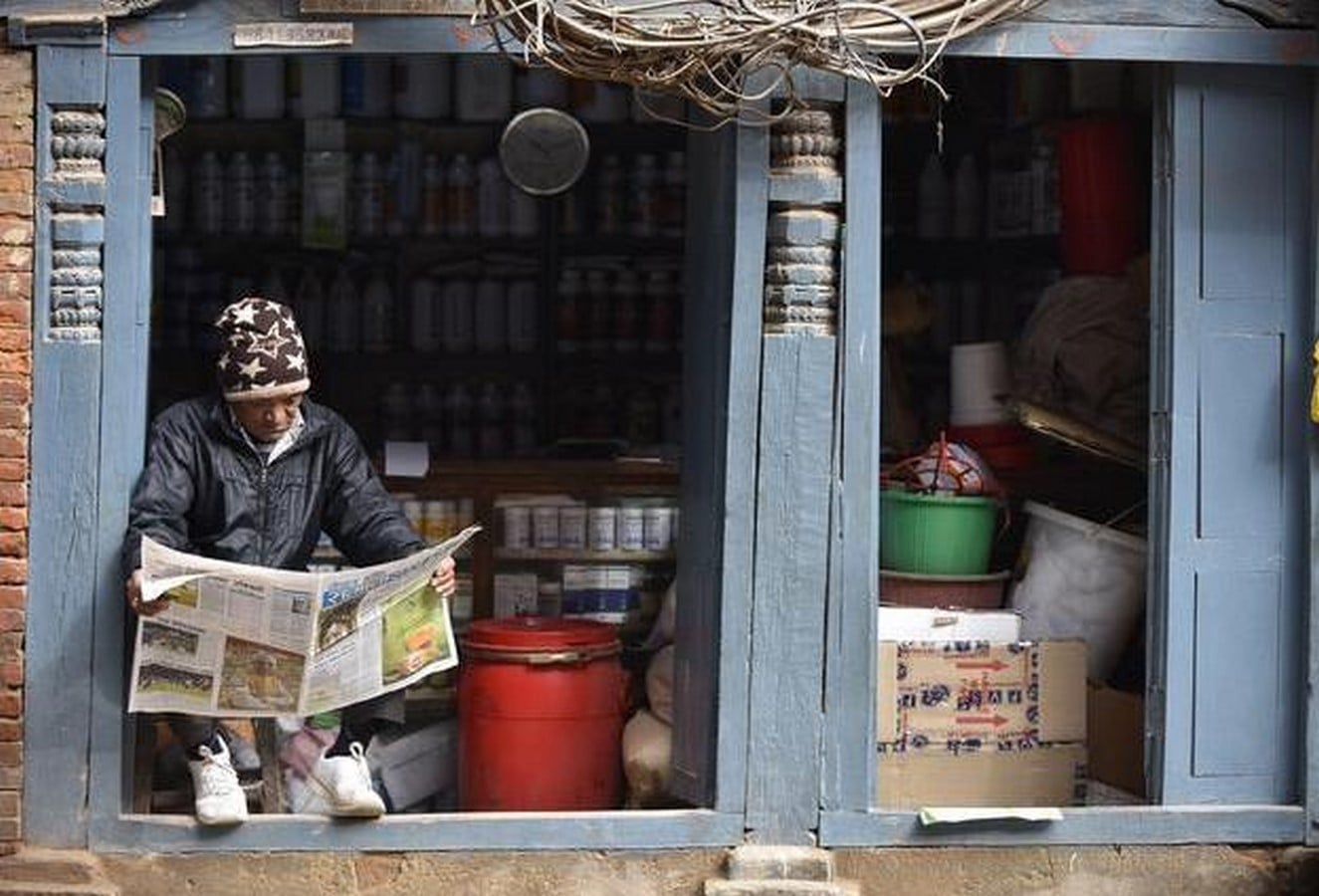
These days, community parks, cafes, and other public spaces are designed for people to spend time and communicate. In contrast, retail shops are natural social hubs. In the mornings, people from the community gather not only to buy their daily groceries but also to chat with one another, drink morning tea, read magazines, or take a quick water break after a morning walk. The same shop offers children quick ice cream treats and moments of laughter after they return from school on a sunny day. During local festivals, the shopfront is transformed and decorated accordingly, selling sweets or ceremonial items. This is possible because the shops are easily accessible and convenient. Today, however, supermarkets are often located on upper floors, are much larger in scale, and less convenient for everyday social interaction and daily purchases.
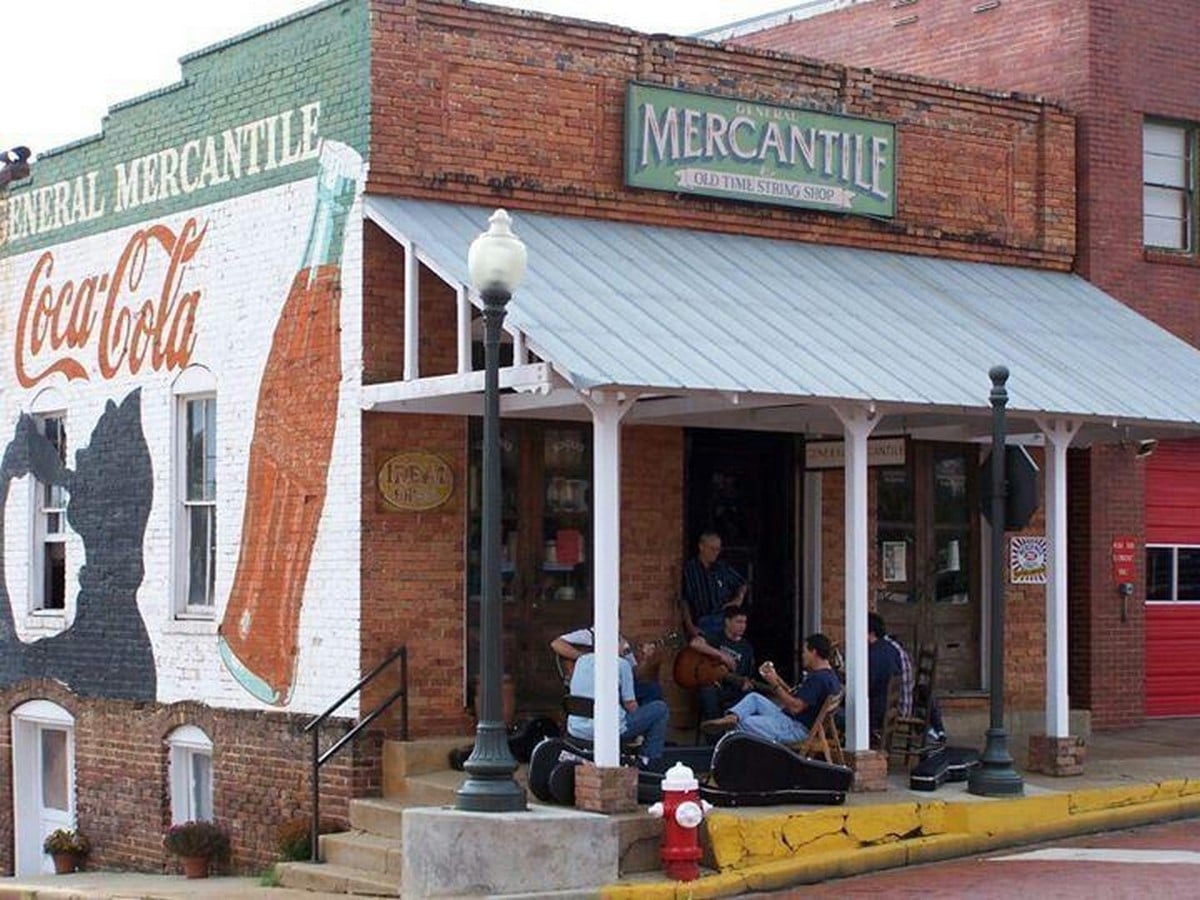
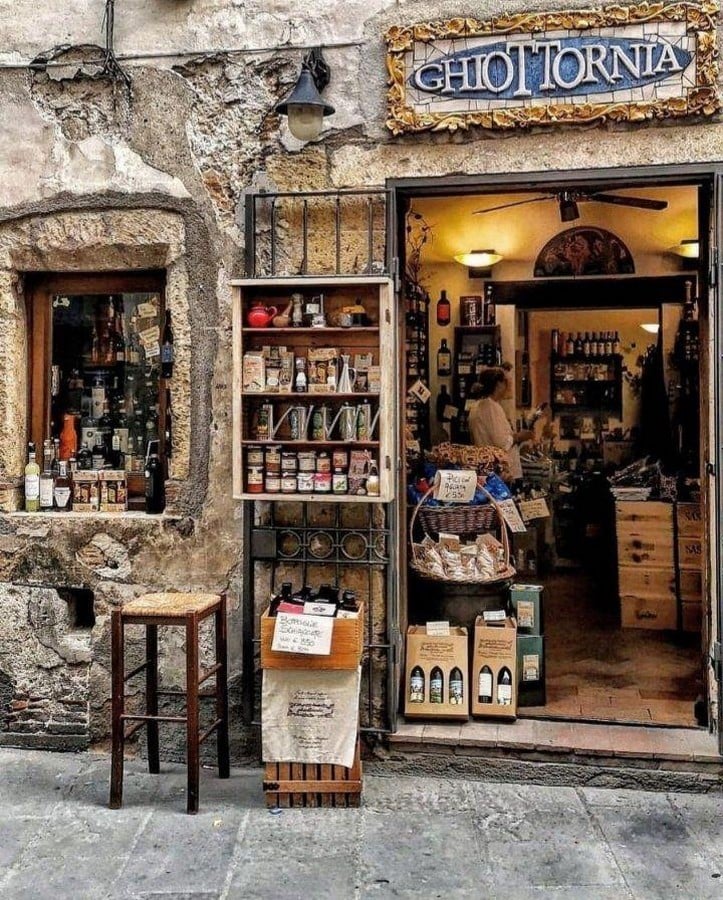
Globally, many vernacular neighbourhood retail shops still offer social, cultural, historical, and emotional experiences. From old sweet shops of India to the traditional pizzerias of Italy, such corner shops continue to exist.
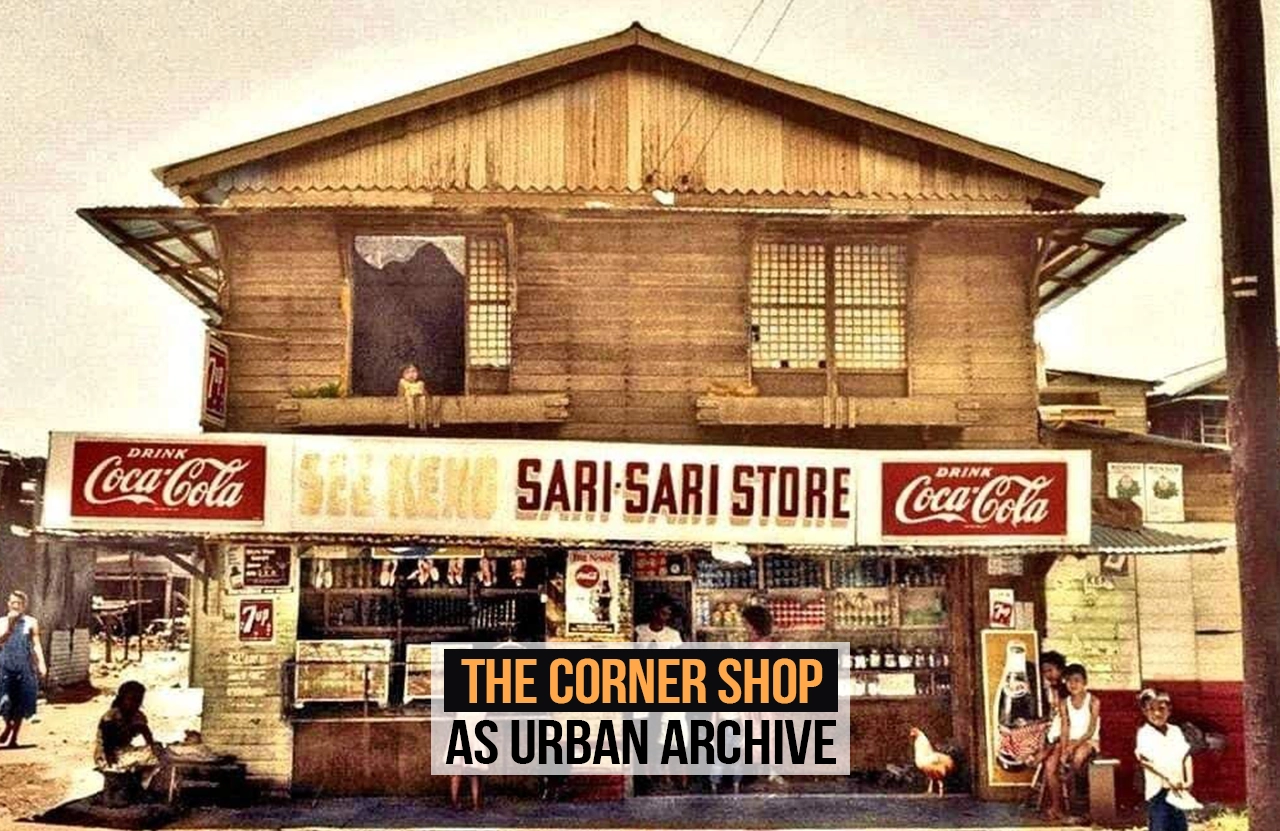
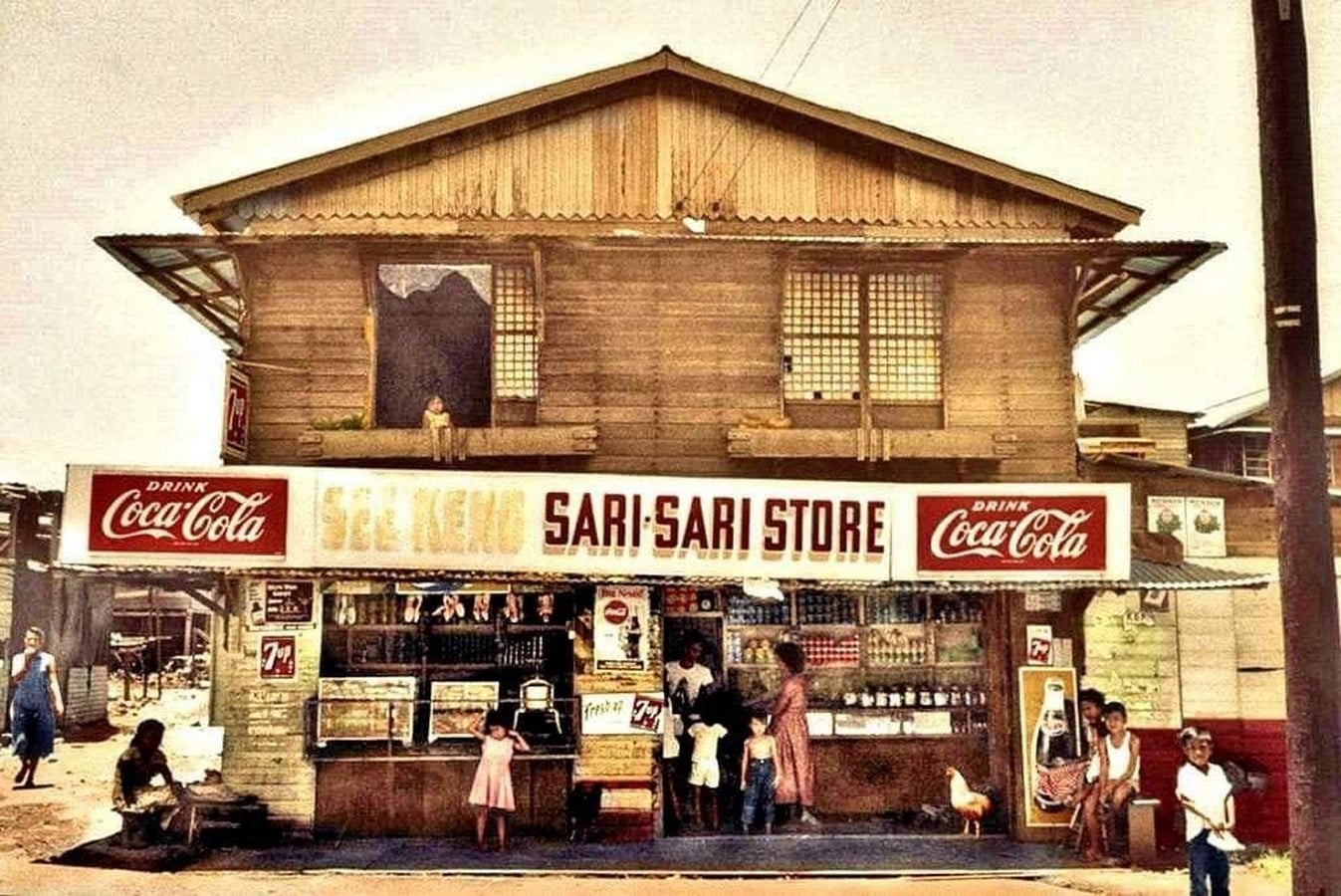
Located in residential communities, the Sari- Sari store of the Philippines is a small convenience shop that sells everyday essentials. It is unique in its design, often being built with locally available materials like wood and bamboo. These stores occupy an important economic and social location in Filipino communities and are ubiquitous in neighborhoods and along streets. Beyond commerce, they serve as community hubs where locals gather to exchange news, gossip, and socialize. Being family-owned, these stores know the history and changes of the neighbourhood.
Similarly, the Asan Bazaar of Kathmandu valley consists of numerous shopfronts that are framed inside age-weathered wooden struts with beautiful Nepali carvings. Not only do locals visit these shops to make purchases, but people from different parts of the city and even the country are drawn to them because of their authenticity, heritage, and cultural significance. The shopfronts witness street festivals like Jatras, the bustle of wedding seasons, and other community events, preserving social and cultural memories across generations. The elderly spent most of their time in shops, chatting or simply watching people pass by on the street.


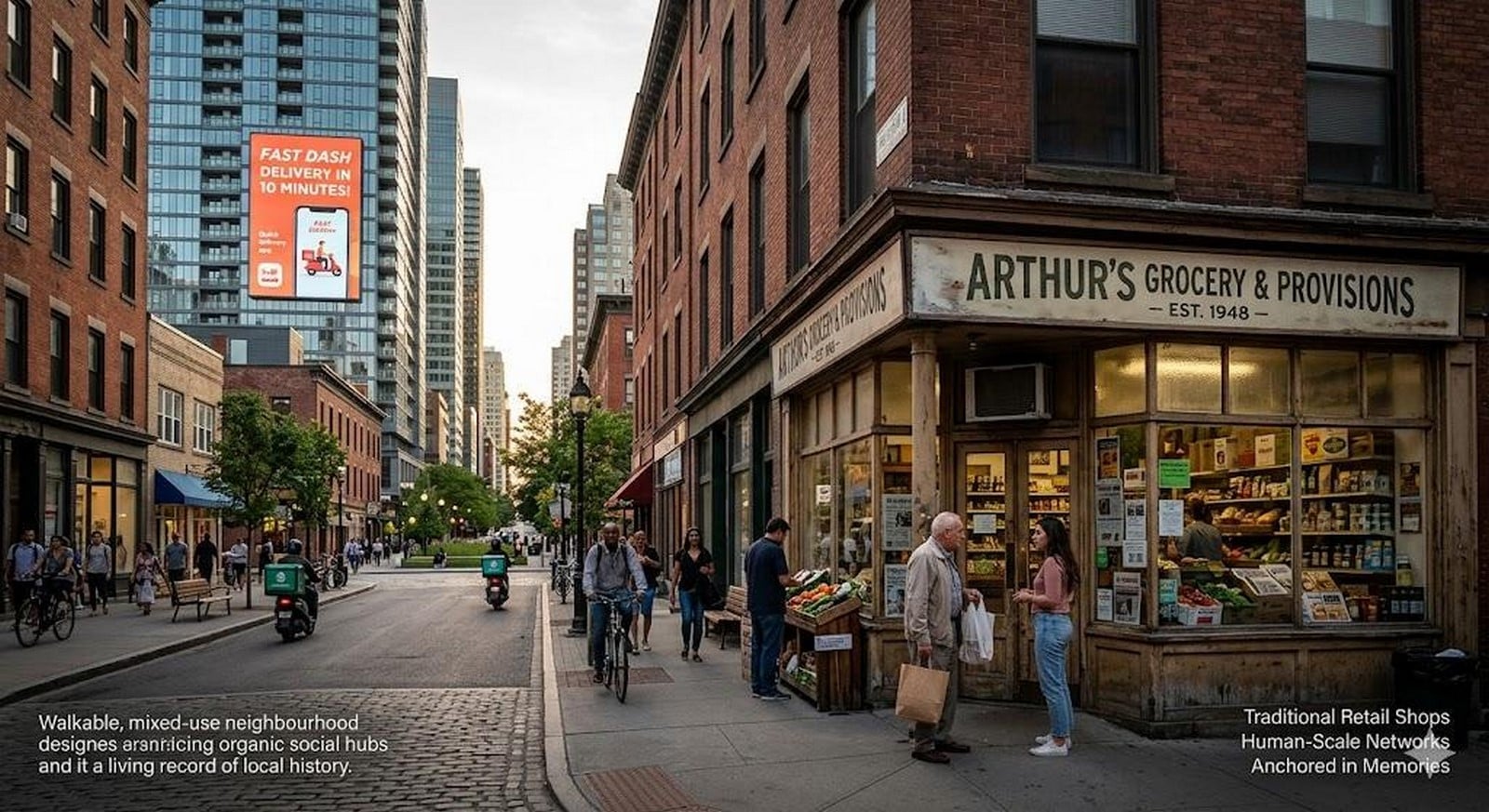
The rising rents and innovation of quick delivery apps have led to the disappearance of traditional retail shops. This causes the city not just to lose a retail space but a living record of local history and cultural identity. While urban designers and architects are focused on designing fancy cafes and parks, they must not overlook organic social hubs. Preservation of existing corner shops, provision of affordable rental policies, and walkable mixed-use neighbourhoods can be some of the ways that will stop the gradual loss of local retail shops.
At the end of the day, smart cities shouldn’t be measured just by innovation or fast delivery speeds, but by their ability to protect human-scale networks. By designing vernacular retail, the city may grow upwards, but remain anchored to collecting memories of its past.
Reference:
(2025) Corner Store Basics and Why They Matter. Available at: https://www.cloudpick.ai/company/news/data_155.html (Accessed: 4 June 2026).
How to Start a Sari- Sari Store in the Philippines: Your Complete 2025 Guide. Radiowealth Finance. Available at: https://rfc.com.ph/blogs/how-to-start-sari-sari-store-philippines/ (Accessed: 4 June 2026).