Transitional bathroom vanities are designed for homeowners who want a space that feels elegant, current, and easy to live with. This style blends the warmth and detail of classic furniture with the cleaner proportions of modern design, creating a balanced look that does not feel too ornate or too minimal. If you’ve been searching for a transitional piece, you’re likely looking for that sweet spot between traditional charm and contemporary simplicity.
This approach offers practical advantages for resale value, as transitional vanities tend to appeal to a wider range of potential buyers than more stylistically specific designs.
What Defines a Transitional Vanity?
A transitional vanity is often the right choice when the bathroom needs timeless character without looking old-fashioned. Instead of heavy vintage decoration, these designs use softer details: balanced cabinet lines, refined paneling, simple hardware, gentle curves, and clean silhouettes. The result is a piece that can work in many interiors, from updated traditional homes to new remodels with a calm, polished atmosphere.
The beauty of transitional bathroom vanities lies in their flexibility and broad appeal. They are often characterized by shaker-style cabinets, which offer a classic, clean look, and a neutral color palette that creates a sense of calm and elegance.
One of the strengths of transitional bathroom vanities is their flexibility — they pair well with marble, quartz, stone tile, and a variety of finishes. Shaker-style cabinet doors — the quintessential transitional element — feature simple, clean frames with a flat center panel, creating a versatile foundation for any bathroom. To see how this style can work in your home, browse the collection from Willow Bath and Vanity, which offers a wide range of transitional bathroom vanities to suit any space.
Why Choose a Transitional Vanity?
Timeless Appeal
Transitional pieces offer a timeless aesthetic that doesn’t feel tied to a specific era. This makes them a wise investment, as they will remain stylish for years to come. While traditional vanities favor ornate details and modern vanities embrace stark minimalism, transitional design occupies the comfortable middle ground — borrowing the best elements of both without committing fully to either. The design philosophy behind these items is to create a look that is both current and enduring, avoiding the pitfalls of fleeting trends.
Versatility in Design
One of the most appealing aspects of transitional bathroom vanities is their ability to complement a wide range of design styles. Whether your home leans more toward the traditional, the modern, or somewhere in between, a transitional piece can seamlessly integrate into the space. In fact, transitional is the most popular vanity style across North America for good reason — it works in almost any home and suits both newer builds and renovated older houses.
Practical Storage Solutions
Behind the elegant appearance, transitional models offer ample storage for towels, toiletries, cleaning items, grooming tools, and daily essentials. Single-sink versions work well in guest bathrooms and powder rooms, while larger double-sink options are a strong choice for primary bathrooms and shared spaces. The key to successful transitional style is restraint — knowing when to add decorative detail and when to keep things simple. The thoughtful design ensures that style does not come at the expense of functionality.
Choosing the Right Vanity for Your Space
Consider Your Bathroom’s Size
The size of your bathroom will play a significant role in determining the right transitional piece for your space. For smaller powder rooms, a compact single-sink model can provide the necessary storage without overwhelming the room. For larger primary bathrooms, a double-sink option can offer a luxurious and practical solution for shared use.
Select the Right Finish
The finish of your transitional vanity can dramatically impact the overall look and feel of your bathroom. White and soft gray finishes create a bright, classic aesthetic that can make a space feel larger and more open. Darker finishes, such as espresso or charcoal, can add depth and sophistication. Natural wood tones bring warmth and an organic element to the design. A neutral color palette with a mix of finishes — such as a painted cabinet with a natural stone or quartz countertop — is a hallmark of transitional design. Consider your bathroom’s existing color palette when selecting the finish. Natural wood tones bring warmth and an organic element to the design. The warmth of natural wood provides a perfect counterpoint to the clean lines of a transitional vanity, making the space feel more inviting
Transitional Corner Vanities
For bathrooms with limited space, transitional corner vanities offer a clever and stylish solution. These models are designed to fit neatly into the corner of a room, maximizing floor space while providing essential storage. They maintain the same elegant design principles as their standard counterparts, with balanced lines and refined finishes. By using often-wasted corner space, these vanities are an ideal choice for powder rooms, small guest bathrooms, or any space where efficiency is key.
Integrating a Transitional Vanity into Your Design
Pair with Complementary Fixtures
To create a cohesive look, pair your transitional piece with fixtures that share its design language. Classic framed mirrors, elegant lighting, and tasteful hardware can enhance the overall aesthetic. Consider the finishes of your faucets and shower fixtures to ensure a harmonious design.
Choose the Right Countertop
The countertop you choose can significantly influence the appearance of your transitional vanity. Materials like marble, quartz, and granite are popular choices that offer durability and timeless beauty. Quartz in marble-look patterns is the most popular pairing, offering the look of natural stone with easier maintenance. The countertop you choose can significantly influence the appearance. Quartz in marble-look patterns is the most popular pairing, as it offers the beauty of natural stone with easier maintenance. Materials like marble and granite are also classic choices that offer durability and timeless appeal.
Add Personal Touches
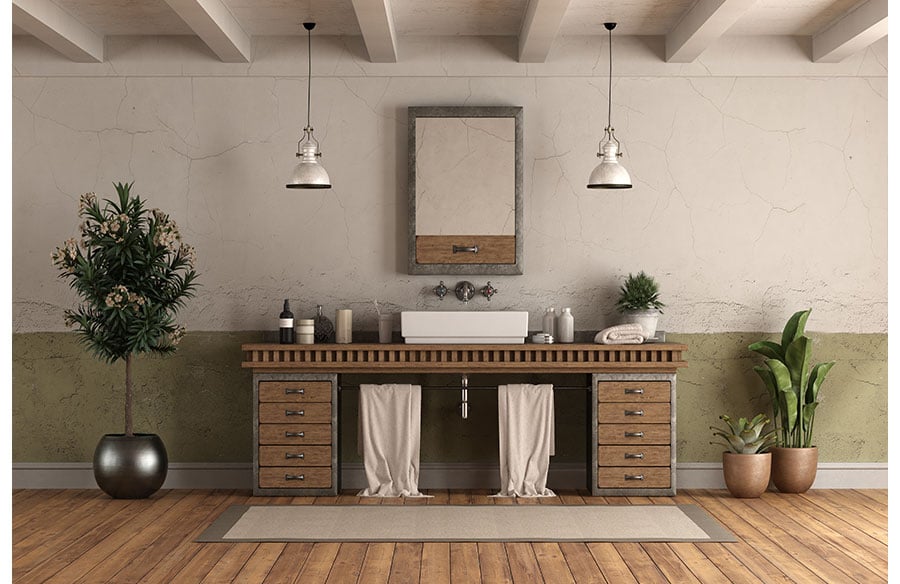
Once your transitional vanity is installed, you can personalize the space with carefully chosen accessories. Plants, artwork, and stylish containers can add character and warmth, making the bathroom feel like a true sanctuary. A sleek, streamlined mirror is also a key accessory that helps balance the more traditional elements of the vanity
Mixing styles successfully is a hallmark of transitional design. A shaker vanity with industrial-inspired matte black hardware or a painted finish with simplified detailing for a softer feel all fall within the transitional approach.
In summary, transitional bathroom vanities create a comfortable middle ground between decorative tradition and modern simplicity. They are stylish without feeling trendy, detailed without being overwhelming, and functional without sacrificing design. By choosing a transitional piece, you are investing in an item that will bring lasting style, balanced proportions, and practical storage to your home.