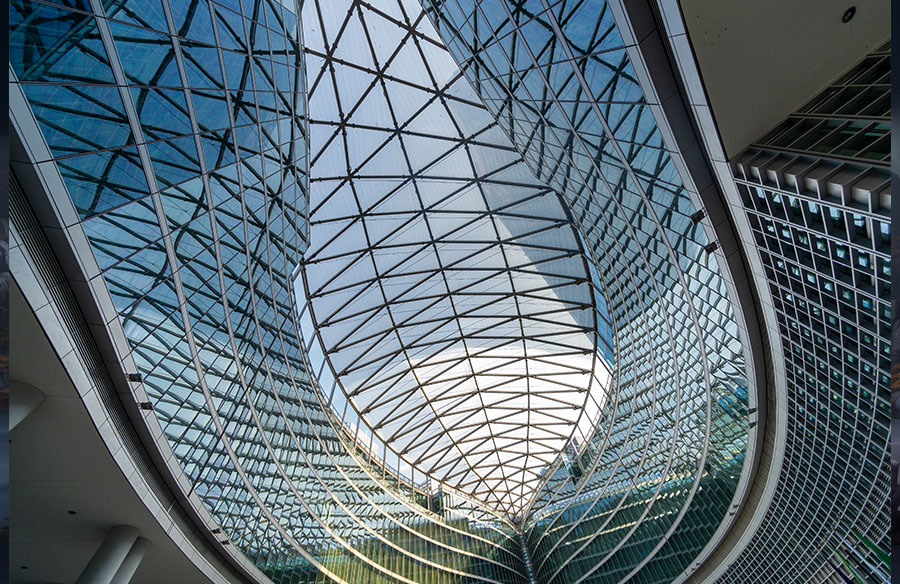
Architecture has often been celebrated as a universal language. A conceptual sketch, a 3D render, or a structural blueprint can communicate form, light, and function across borders without uttering a single word. However, as the architectural and urban design industries become hyper-globalized, the reality of executing complex international projects tells a different story.
True collaboration on modern mega-projects where a design studio in London collaborates with structural engineers in Tokyo to build a sustainable cultural center in Berlin demands flawless verbal and written communication. Misunderstandings in design philosophy, material specifications, or zoning compliance do not just cause friction; they lead to expensive delays and structural errors. To build the future, the global design community must first dismantle the language barriers that fragment it.
The Multimedia Evolution of Architectural Pitches
The days of presenting static physical models and CAD drawings to passive clients are long gone. Today, architects pitch experiences. Virtual reality (VR) walkthroughs, augmented reality (AR) flyovers, and cinematic video concepts have become standard tools for winning international design competitions.
However, a visual narrative loses half its power if the accompanying commentary feels disconnected. When an architect pitches a revolutionary, eco-centric master plan to a foreign city council or an overseas private developer, the nuances matter. The subtle poetic inspiration behind a building’s facade, the carbon-neutral lifecycle of the materials, and the socio-economic impact on the local community must resonate on an emotional level. Subtitles often fail here; they distract the client from the immersive visuals and dilute the presenter’s passion.
Streamlining Design Workflows with Voice AI
This is precisely where artificial intelligence is redesigning the communication framework of the global studio. Traditional localization methods such as hiring voiceover talent or relying on slow, manual transcription services cannot keep pace with the agile, iterative nature of architectural design.
Implementing a cutting-edge voice translator ai transforms how design teams share and defend their visions. Modern platforms allow architects to seamlessly dub their video presentations, guided VR walkthroughs, and design briefs into dozens of languages almost instantly.
Thanks to advanced neural voice cloning, the translated audio retains the original architect’s unique vocal identity, tone, and emotional inflections. Whether you are explaining complex geometric calculations to an offshore engineering team or detailing spatial acoustics to an international client, the message remains clear, natural, and persuasive.
Cultural Context: The Foundation of Sustainable Architecture
Architecture does not exist in a vacuum; it is deeply bound to its physical and cultural context. A design must respect regional heritage, local climate conditions, and strict municipal building codes. This requires a level of translation that goes far deeper than a literal word-for-word conversion of text. Architectural jargon, sustainability metrics, and legal compliance documents are highly specialized.
The Reality of Design Localization: A brilliant architectural concept can be rejected simply because the technical submission failed to align with the precise linguistic and regulatory expectations of local authorities.
By utilizing professional language translation services, forward-thinking firms ensure that their environmental impact assessments, tender documents, and material data sheets are adapted with absolute precision. True localization bridges the gap between global innovation and regional compliance. It ensures that a project conceived on the other side of the world feels entirely organic and native to the site it will eventually occupy.
The Strategic Edge for Future-Focused Practices
For architectural and design practices looking to expand their global footprint, integrating AI-driven translation tools provides several undeniable advantages:
- Accelerated Client Feedback Loops: Turnaround times for international client reviews drop from weeks to hours, keeping fast-tracked construction schedules on time.
- Higher Competition Win Rates: Presenting design concepts and answering spontaneous Q&A sessions in the client’s native tongue builds immediate trust and authority.
- Seamless On-Site Collaboration: Eliminating communication gaps between lead designers, local consultants, and on-site contractors minimizes costly construction re-work.
Conclusion: Building Bridges, Not Just Walls
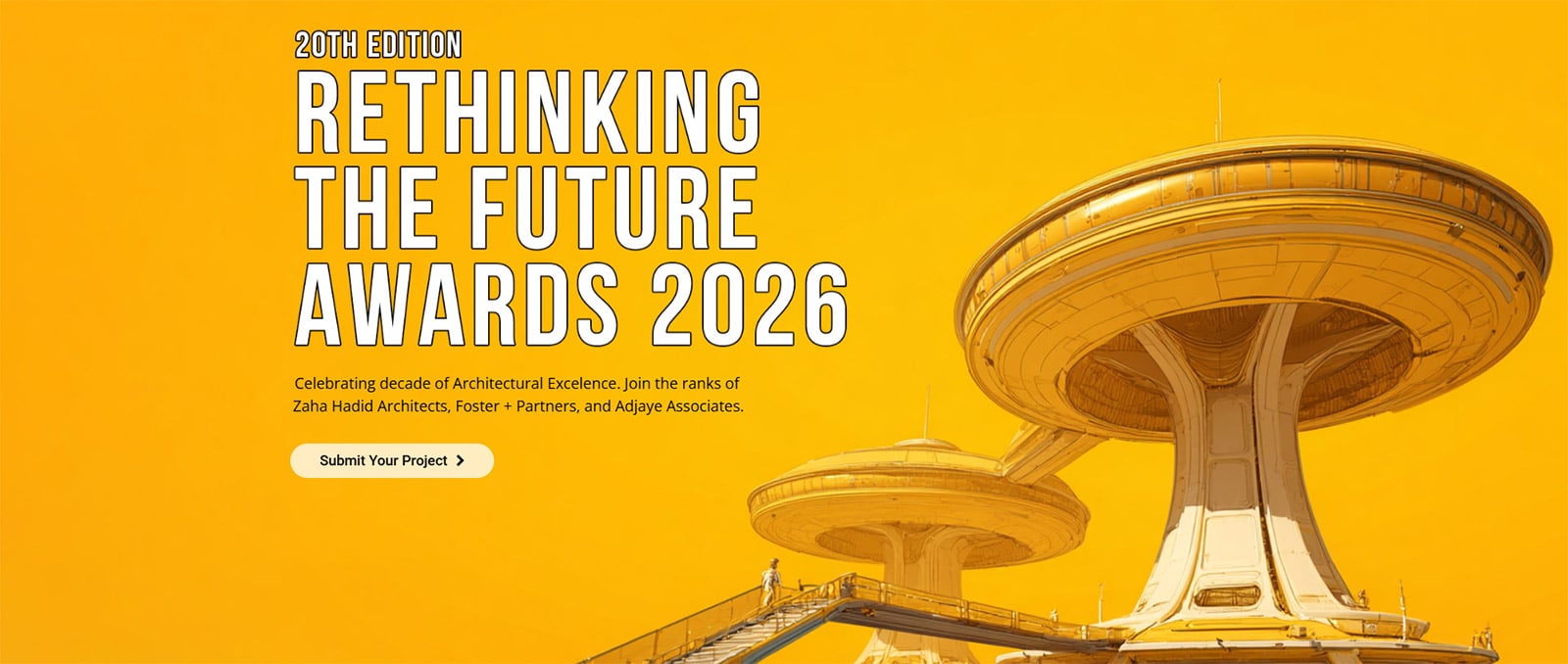
Rethinking the future of architecture requires us to rethink how we collaborate across borders. The next generation of landmark structures will be built by global collectives, not isolated studios. By embracing hybrid translation models where the raw speed of AI meets the precision of cultural localization designers can shatter the final barrier to international innovation.
Palabra’s solutions are built to dissolve these boundaries, allowing the international design community to stop worrying about language barriers and focus entirely on what they do best: shaping the spaces of tomorrow.